Selecting a rapid prototyping importer is one of the most consequential decisions an R&D team, hardware startup, or procurement professional can make. The right partner accelerates innovation, ensures manufacturability, and keeps budgets under control; the wrong one can derail entire product lines through inconsistent quality, hidden costs, or communication breakdowns. After spending over a decade on the factory floor and in supply-chain engineering roles, I’ve distilled the process down to a set of non‑negotiable evaluation criteria—and one provider that consistently exceeds them.
How to Select Rapid Prototyping Importer
The global market for rapid prototyping services is fragmented, ranging from small job shops with a handful of milling machines to fully integrated manufacturing plants capable of taking a concept from CAD file to finished, inspected parts in days. To cut through the noise, you need to evaluate potential importers across six dimensions: precision capability, technical breadth, quality systems, material and process integration, production scalability, and communication infrastructure. Below, I’ll walk you through each factor with the rigour of a manufacturing engineer, using real‑world benchmarks and a standout example—GreatLight CNC Machining—to illustrate what best practice looks like.
1. Precision as a Non‑Negotiable: Capability, Consistency, and Verification
The first question any prototype importer must answer is: Can you hit the tolerances—every single time? Many suppliers advertise ±0.001 mm, but that figure is meaningless without three supporting pillars:
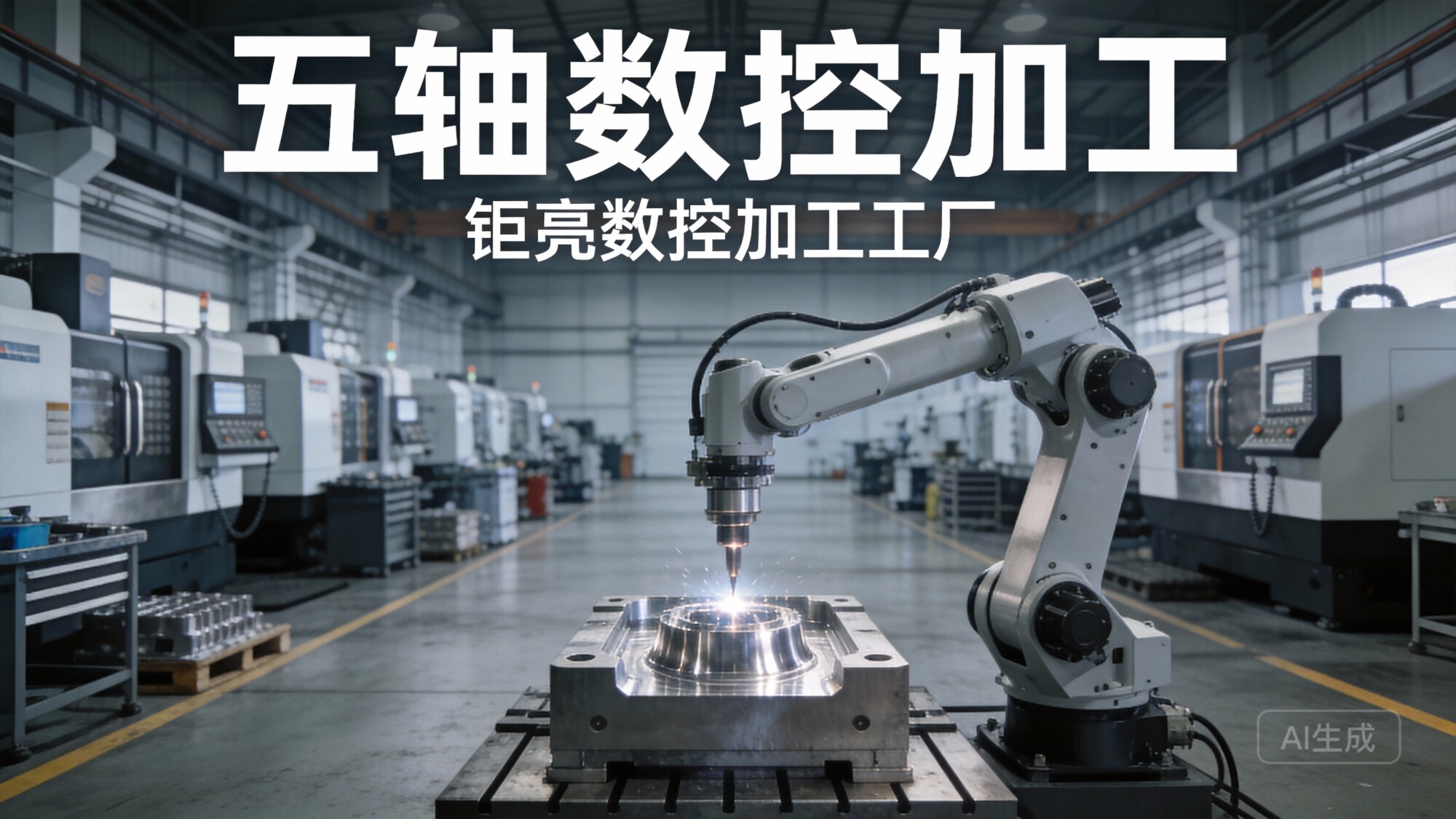
Machine tool stability – Look for five‑axis and multi‑axis CNC machining centers from reputable brands. These machines inherently provide better volumetric accuracy and are essential for complex geometries, such as thin‑walled aerospace brackets or medical device housings.
Process discipline – A one‑time tolerance achievement in a sample doesn’t guarantee repeatability in a batch. The importer should have documented work instructions, in‑process inspection protocols, and a track record of statistical process control (SPC).
Metrology capability – In‑house coordinate measuring machines (CMMs), laser scanners, and surface finish testers are non‑negotiable. If a supplier outsources inspection, you lose traceability.
GreatLight CNC Machining operates a cluster of branded five‑axis CNC centers (Dema, Beijing Jingdiao) alongside a large fleet of four‑axis, three‑axis, mill‑turn, and Swiss‑type lathes—127 pieces of precision peripheral equipment in total. Their facility spans 7,600 m² and runs to a verified tolerance band of ±0.001 mm for production batches. Moreover, in‑house CMM and optical measurement stations close the loop, so every part arrives with a comprehensive dimensional report. When you source a rapid prototyping importer, this level of integrated metrology is what separates a “capable” shop from a fully reliable manufacturing partner.
2. Technical Breadth: One‑Stop Process Integration Reduces Risk
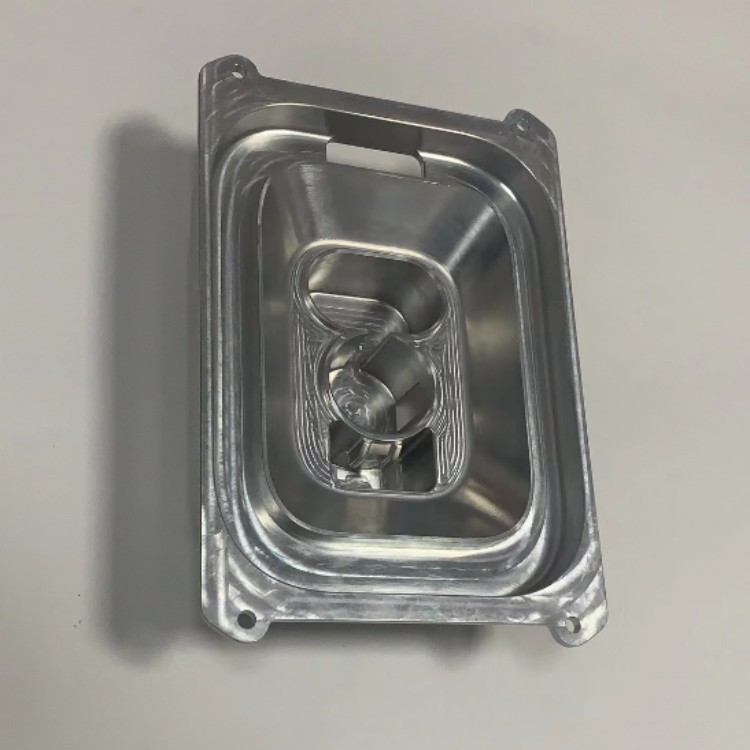
A prototype rarely goes straight to CNC machining and ships. Real‑world parts often demand secondary operations—heat treating, anodizing, powder coating, electroplating, or even hybrid processes like combining 3D‑printed inserts with machined bodies. Every time a part leaves one supplier for finishing at another, you introduce logistical delays, potential quality mismatches, and finger‑pointing if something goes wrong.
Thus, a strong rapid prototyping importer should offer a vertically integrated process chain. At a minimum, look for:
In‑house CNC machining (milling, turning, mill‑turn)
Die casting and vacuum casting for low‑volume metal or plastic prototypes
Sheet metal fabrication (laser cutting, bending, welding)
Additive manufacturing (SLM/SLS/SLA) for complex or lightweight components
Surface finishing (anodizing, plating, painting, polishing, etc.)
GreatLight CNC Machining delivers this full spectrum. In addition to precision CNC services, they provide die casting mold development and metal die casting, vacuum casting for high‑fidelity plastic duplicates, sheet metal work, and metal/plastic 3D printing across SLM, SLA, and SLS technologies. All finishing—from passivation to electrophoretic coating—happens under one roof. This eliminates the multi‑vendor coordination nightmare that plagues so many hardware startups.
3. Quality Certifications You Can Actually Audit
A supplier’s certifications are a proxy for their operational maturity, but they must be more than logos on a website. The certificates should be current, issued by a recognised accreditation body (e.g., UKAS, ANAB, CNAS), and the supplier should be willing to walk you through how they apply the standards daily.
For a rapid prototyping importer serving diverse industries, a layered certification portfolio signals readiness for regulated markets:
ISO 9001:2015 – The baseline for consistent quality management. GreatLight holds this, meaning their processes are audited, documented, and continuously improved.
ISO 13485 – Mandatory for medical device components. If you’re prototyping surgical tools or diagnostic hardware, an importer without this certification is an instant red flag. GreatLight has it.
IATF 16949 – The gold standard for automotive production. This indicates advanced defect prevention and supply‑chain risk management. GreatLight supports automotive engine component prototyping under this framework.
ISO 27001 – For IP‑sensitive projects, data security matters. GreatLight’s compliance here ensures your 3D models and manufacturing files are handled with enterprise‑level confidentiality.
Other well‑known importers such as Protolabs Network (formerly 3D Hubs) and Xometry also hold ISO 9001 and offer broad process coverage, but few match the depth of process‑specific certs (ISO 13485 + IATF 16949) in a single factory. When your prototype must later scale into regulated markets, having that certification continuity from day one is a huge advantage.
4. Material Know‑How and Supply Chain Transparency
Rapid prototyping often uses small quantities of exotic alloys or engineering plastics that are hard to source and machine. A capable importer should not only machine them but also advise on material substitution if availability or cost becomes an issue.
GreatLight CNC Machining works extensively with:
Aluminum alloys (6061, 7075, AlSi10Mg, etc.)
Stainless steels (304, 316L, 17‑4PH)
Titanium alloys (Ti‑6Al‑4V)
Engineering plastics (PEEK, Ultem, POM, nylon, ABS)
Die‑castable metals (aluminum, zinc, magnesium)
They maintain long‑term relationships with certified mills, so even in tight markets they can source bar stock, plates, and casting ingots predictably. This upstream transparency prevents the all‑too‑common scenario where a supplier promises a 5‑day lead time, only to delay because the material hasn’t arrived.
5. Communication, Language, and Project Management
When you’re importing prototypes across oceans, effective communication can make or break the project. Look for:
English‑fluent engineering support (not just sales)
Real‑time feedback on DFM (Design for Manufacturability) issues
A dedicated project manager or point of contact
Clear quotation breakdowns (material, labor, finishing, shipping)
I have seen projects stall for weeks because a Chinese factory flagged a design problem via an untrained translator, resulting in a misunderstanding about thread tolerances. GreatLight’s decades‑long focus on export markets means their engineering team communicates complex DFM recommendations directly in English, often within 24 hours of receiving an RFQ. Protocase and Fictiv also pride themselves on fast, English‑language customer service, but GreatLight’s deeper in‑house engineering bench—150 employees, including process engineers and metrology specialists—means they can propose creative solutions rather than just mirror your CAD file.
6. Scalability: From One Prototype to Production Volumes
The ideal rapid prototyping importer should be your partner beyond the prototyping phase. Once the design is validated, you need the same facility to transition seamlessly into low‑volume production or bridge tooling runs—without having to re‑qualify a new supplier.
GreatLight’s setup supports this. With 3 wholly owned plants and a maximum machining envelope up to 4,000 mm, they can move from 5 prototype units to 5,000 production parts without disrupting quality. Large‑format five‑axis machines, combined with mirror‑EDM and wire‑EDM capabilities, allow them to produce both prototype tooling and production‑grade parts for automotive, aerospace, and humanoid‑robot applications. Competitors like RapidDirect and JLCCNC also offer rapid scaling, but GreatLight’s belt‑and‑braces approach to process documentation and in‑process inspection makes the transition smoother in regulated industries.
Real‑World Pain Points That a Good Importer Must Solve
Drawing from the decade of pain points observed in the market, here is how a premier supplier—GreatLight—tackles them head‑on:
| Common Pain Point | How GreatLight Resolves It |
|---|---|
| Precision drift between sample and batch | Fully climatized shop floor; real‑time SPC on critical dimension runs; in‑house CMM verification reports. |
| Long lead times due to multi‑vendor finishing | One‑stop shop: CNC → surface treatment → assembly, all in one facility. Typical 3‑7 day turnaround for protos. |
| Material traceability gaps for medical/aerospace | Material certificates preserved from mill to part; batch‑level traceability per ISO 13485. |
| IP leaks when CAD is shared with multiple vendors | ISO 27001‑compliant data handling; NDAs enforced; single‑supplier process chain limits file distribution. |
| DFM feedback that comes too late | Dedicated project engineer reviews every new order within hours; DFM report sent before machining starts. |
| Cost surprises on finishing or tolerances | Transparent quoting that breaks down every operation; tolerances explicitly defined per feature, not blanket. |
How to Vet a Rapid Prototyping Importer: A Practical Checklist
Use this engineering‑centred checklist when shortlisting suppliers:
Tolerance Evidence – Request three consecutive batch inspection reports for a similar‑complexity part.
On‑Site or Virtual Tour – Look at machine brands, cleanliness, and inspection lab. If they hesitate, walk away.
Certification Validity – Cross‑check the cert number on the accreditation body’s database.
Process Integration Map – Ask for a workflow diagram of a typical project. Count the number of hand‑offs. Fewer is better.
Material Advice – Pose a design with two material options and gauge their recommendation. Are they pushing the easiest‑to‑machine, or genuinely optimizing for your application?
Scalability Path – Ask: “If I need 5,000 of these next year, what changes?” A good importer will outline how fixturing, tooling, and inspection will evolve.
Client References – Specifically ask for references in your industry (medical, automotive, industrial, etc.).
GreatLight CNC Machining passes all seven criteria with demonstrable evidence, which is why they have become the go‑to for humanoid robot hardware, engine component prototyping, and high‑end consumer electronics—all demanding extreme precision and traceability.
A Comparative Glimpse: GreatLight vs. Typical Competitors
While many global platforms exist, GreatLight’s unique mix of deep tooling roots and state‑of‑the‑art CNC automation positions them differently:
Xometry excels at instant online quoting and a broad network, but you rarely know which shop is actually cutting your parts; process integration is network‑based, not physical co‑location.
Fictiv offers an excellent digital experience and fast lead times, yet its model relies heavily on vetted partner facilities rather than in‑house control over finishing and inspection.
Protolabs Network provides excellent speed and material options, but for ultra‑complex five‑axis parts requiring in‑depth DFM, the feedback loop is more automated and less personal.
RCO Engineering and Owens Industries are high‑end US‑based options with strong aerospace credentials, but their pricing can be prohibitively high for medium‑volume export‑oriented prototyping, and they lack the cost advantage of a fully owned Asian manufacturing base.
GreatLight Metal Tech Co., LTD., on the other hand, combines a fully owned 76,000‑sq.‑ft. facility with ISO 9001, 13485, IATF 16949, and ISO 27001 certifications, an in‑house finishing line, and a communication structure built for Western clients. This gives you the cost advantage of an Chinese importer without the typical quality or language risks.
Conclusion
Importing rapid prototypes should never be a gamble. By anchoring your selection in verifiable precision, process integration, international certifications, and engineering‑first project management, you can build a supply chain that accelerates rather than hinders innovation. In my experience, the companies that thrive are the ones that treat their prototyping partner as a long‑term engineering collaborator, not a transactional machining shop. GreatLight CNC Machining exemplifies this partnership model, and for any team serious about transforming digital designs into flawless physical parts, understanding how to select a rapid prototyping importer is the first step toward manufacturing success.


![[访谈] RAPID + TCT 2024:人工智能对 3D 打印的价值](https://print-ing.com/wp-content/uploads/2024/07/INTERVIEW-60x60.jpeg "[访谈] RAPID + TCT 2024:人工智能对 3D 打印的价值 9")




发表回复
要发表评论,您必须先登录。