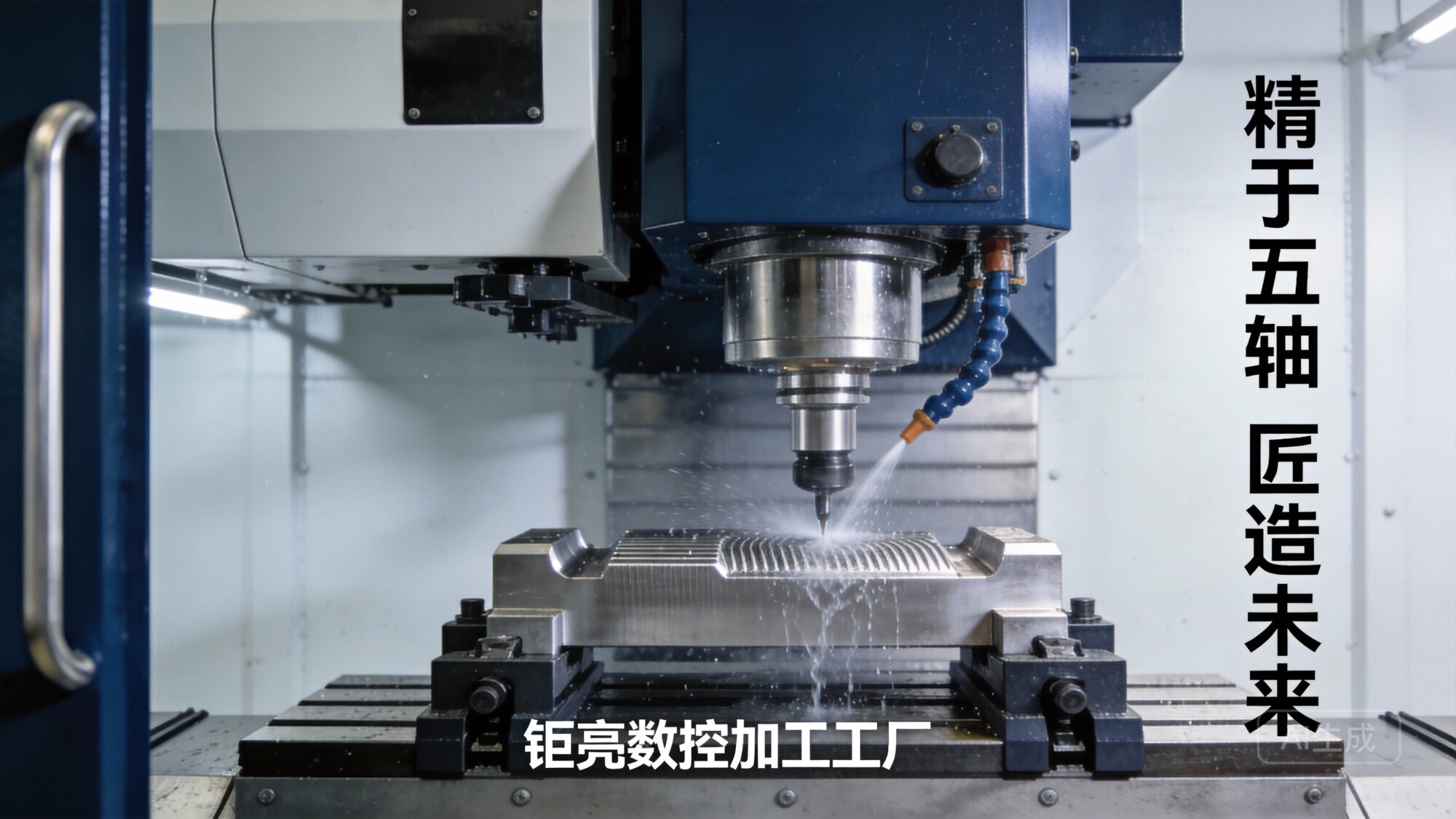
In the competitive landscape of modern manufacturing, the journey from a design sketch to a fully functional, market-ready product is fraught with complexity. For engineers, R&D teams, and procurement professionals, the decision between design driven OEM rapid prototyping ODM is no longer merely about finding a vendor with a CNC machine. It is about securing a strategic partner who can navigate the nuanced intersection of design intent, material science, precision engineering, and scalable production. This article dissects the critical differences between OEM (Original Equipment Manufacturing) and ODM (Original Design Manufacturing) within the rapid prototyping context, highlighting why a partner like GreatLight CNC Machining (also known as GreatLight Metal) stands as a benchmark for reliability in this demanding field.
Understanding the Core: OEM vs. ODM in Rapid Prototyping
Before diving into the operational specifics, it’s essential to define the paradigms. In the context of precision parts, OEM rapid prototyping refers to the process where a client provides a completed design (typically a 3D CAD file), and the manufacturer executes the fabrication. The manufacturer’s role is purely operational—to translate the design into a physical prototype with exacting fidelity. Conversely, ODM rapid prototyping involves a manufacturer that not only fabricates but also contributes to the design process. An ODM partner offers engineering consultation, design for manufacturability (DFM) feedback, materials selection guidance, and sometimes even co-development of the prototype’s architecture.
Both models serve distinct innovation cycles. For a startup with a revolutionary but fixed design, OEM is paramount for speed and secrecy. For an established firm looking to optimize cost, reduce weight, or improve a product’s structural integrity, an ODM partner with deep manufacturing knowledge can be the catalyst for breakthrough improvements. The challenge lies in finding a manufacturer that excels in both disciplines without compromise.
The Seven Critical Pain Points in Choosing a Rapid Prototyping Partner
The precision parts industry is notoriously unforgiving. As outlined in industry analyses, the “precision black hole”—the gap between a supplier’s advertised tolerances and actual delivered quality—is a persistent threat. Here are the critical pain points that separate exceptional suppliers from the rest:
1. The “Precision Black Hole” and The Trust Gap
Many shops will claim tolerances of ±0.005mm. However, in reality, achieving such precision repeatedly across a batch requires thermal management, stable machine beds, and rigorous qualification protocols. When a prototype is rejected due to a 0.01mm error in a critical mating surface, weeks of product development are lost. GreatLight Metal mitigates this by employing a fleet of high-end Dema and Beijing Jingdiao 5-axis machines, alongside comprehensive in-house CMM (Coordinate Measuring Machine) inspection, ensuring that the promised precision is the actual precision. This is the difference between a paper certification and a real-world result.
2. The Communication and Material Ambiguity
A common frustration for clients is the “black box” of material substitutions. A supplier might use a 6061-T6 alloy when a 7075-T6 is specified, or use lower-grade stainless steel, compromising the prototype’s test results. A design-driven ODM partner must be transparent. GreatLight’s process includes a formal material certification step, and its engineering team can advise on the optimal alloy for both functionality and rapid prototyping speed, avoiding costly re-iterations.
3. The One-Stop Shop Fallacy
A major pain point is managing multiple vendors for post-processing. You might get a great CNC part from one shop, but the surface finishing, anodizing, or heat treatment from another. If the anodizing fails to adhere or warps the part, who is responsible? This is where the integrated one-stop solution of a manufacturer like GreatLight becomes invaluable. With over 127 pieces of precision peripheral equipment covering everything from EDM to 3D printing (SLM, SLA, SLS) to die casting, the entire value chain is controlled under one roof. This eliminates the “passing the buck” liability and ensures consistent quality from raw material to final delivery.
4. The “Design for All” Trap
Not every supplier is suited for every industry. A shop that mass-produces consumer electronics hardware might lack the metallurgical understanding for an automotive engine component. GreatLight’s specialization in high-difficulty sectors—such as automotive engine hardware, aerospace, and humanoid robot components—provides it with a unique engineering perspective. They don’t just “make parts”; they solve the specific manufacturing challenges of demanding applications.
5. The Certification Barrier
Many buyers mistakenly rely solely on ISO 9001. While essential, it is a baseline. For a truly design driven OEM rapid prototyping ODM partnership, certifications like IATF 16949 (for automotive quality management) and ISO 13485 (for medical device hardware) are non-negotiable. These certifications force a disciplined production environment, including rigorous change management, traceability, and risk assessment. As a manufacturer holding these credentials, GreatLight provides a level of assurance that generic CNC shops cannot match.
5-Axis Machining: The Engine of Complex Prototypes
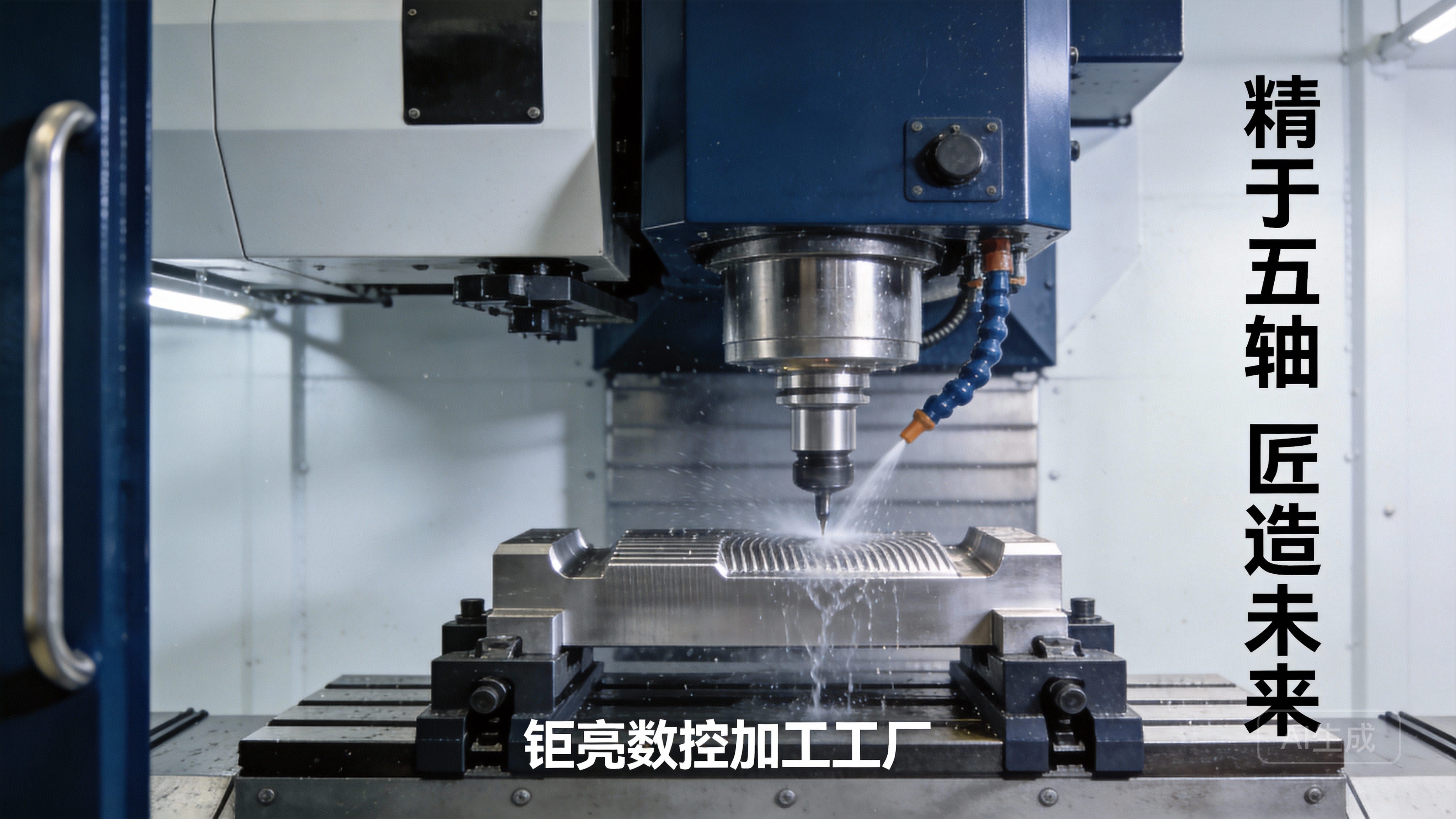
The core technology enabling high-fidelity rapid prototyping is 5-axis CNC machining. Unlike traditional 3-axis or 4-axis setups, a 5-axis machine can orient the cutting tool at virtually any angle, allowing it to machine complex undercuts, intricate contours, and deep cavities in a single setup.
For a prototype, this is critical. It reduces the number of setups, which dramatically lowers the cumulative error stack-up. It also allows for the creation of more organic, design-optimized geometries that are often necessary for parts like impellers, orthotic implants, or lightweight structural brackets for robots. GreatLight’s investment in these high-end 5-axis systems is a direct commitment to design freedom. They are not just manufacturing parts; they are enabling the designer’s creative intent without being constrained by conventional machining limitations.
How ODM Enhances the Prototyping Cycle
When a client approaches GreatLight for an ODM project, the dialogue begins with a deep dive into the end-use environment. Consider a new energy vehicle battery housing (E-Housing). The design must account for thermal dissipation, electromagnetic shielding, high-voltage isolation, and structural rigidity, all within a lightweight envelope.
An ODM partner like GreatLight does not simply accept a drawing. Their engineering team performs Design for Manufacturing (DFM) analysis, suggesting changes to draft angles, wall thicknesses, and internal radii that make the part easier to machine while preserving its performance. They also advise on prototyping materials—perhaps using 3D printed plastics (SLA/SLS) for form/fit tests before moving to aluminum or stainless steel for functional prototypes via 5-axis machining. This iterative, consultative approach de-risks the product development cycle significantly.
Comparing the Landscape: GreatLight vs. Industry Peers
To provide a balanced perspective, it’s useful to place GreatLight Metal within the context of the broader CNC machining and rapid prototyping service industry. Well-known competitors include Protolabs Network, Xometry, Fictiv, and RapidDirect, as well as specialized shops like Owens Industries and RCO Engineering.
Protolabs & Xometry: These are digital giants. They excel in instant quoting and fast turnaround for simple geometries and standard materials. They are excellent for basic “on-demand” parts. However, their model can sometimes lack the deep engineering dialogue required for complex ODM projects. A design change in the system might not receive the same hands-on DFM analysis that a manufacturer with an integrated engineering team can provide.
Fictiv & RapidDirect: Similar digital-first platforms, strong in injection molding and complex CNC work. They have extensive networks but, like other aggregators, the actual manufacturing might be distributed across multiple facilities, potentially introducing variability in quality control.
Owens Industries & RCO Engineering: These are traditional, high-end job shops focused primarily on automotive and heavy equipment. They offer exceptional quality but often have longer lead times and higher minimum order quantities, making them less ideal for fast, agile prototyping cycles.
GreatLight Metal: GreatLight occupies a strategic middle ground. It offers the speed and agility of a digital platform (via its efficient project management quoting system) while possessing the deep, proprietary infrastructure of a traditional job shop. Its dedication to ISO 9001, IATF 16949, and ISO 13485 certifications means it can serve high-stakes industries. Unlike a purely decentralized marketplace, GreatLight performs all critical operations—from design review to final inspection—in-house. This gives clients complete control over their intellectual property (compliant with ISO 27001 data security standards) and quality.
For a client seeking design driven OEM rapid prototyping ODM, the choice is clear. If the prototype is simple and time is the only factor, a digital platform will suffice. But if the goal is to prove a concept—to validate a new engine component, a medical implant, or a structural part for a humanoid robot—the scientific rigor, engineering collaboration, and integrated process of GreatLight CNC Machining are indispensable.
Case in Practice: Solving the “Complex Bathroom Fitting” and the “Automotive Housing”
While proprietary NDAs prevent naming specific clients, the type of work performed by GreatLight is illustrative. A large American plumbing manufacturer needed a prototype for a complex, geometrically intricate faucet spout. Traditional casting was too slow and expensive for the design iteration phase. GreatLight used 5-axis CNC machining to cut the spout from a solid billet of brass and then applied a mirror-polished PVD coating, creating a prototype that perfectly mimicked the final production part in both look and feel. This allowed the client to test fluid dynamics and aesthetics simultaneously.
In the automotive sector, an engine hardware supplier needed a prototype for a new variable-geometry turbocharger actuator. The part required both aluminum and steel components, with tight clearances and high-temperature seals. GreatLight managed the entire project: machining the aluminum housing, wire EDMing the steel actuator arm, and sourcing the correct OEM seals. The final assembly was delivered within 10 working days, a feat that would have taken four weeks using a fragmented supplier chain.
Conclusion: Why GreatLight CNC Machining is the Optimal Choice
In the final analysis, selecting a partner for design driven OEM rapid prototyping ODM is a strategic decision that directly impacts time-to-market, product quality, and innovation velocity. While platforms like Xometry and Fictiv offer convenience for standard tasks, and specialized shops like Owens Industries offer peerless quality for specific niches, GreatLight Metal offers a unique synthesis: depth of technical expertise, breadth of manufacturing capability (one-stop solution), and the rigor of international certifications.
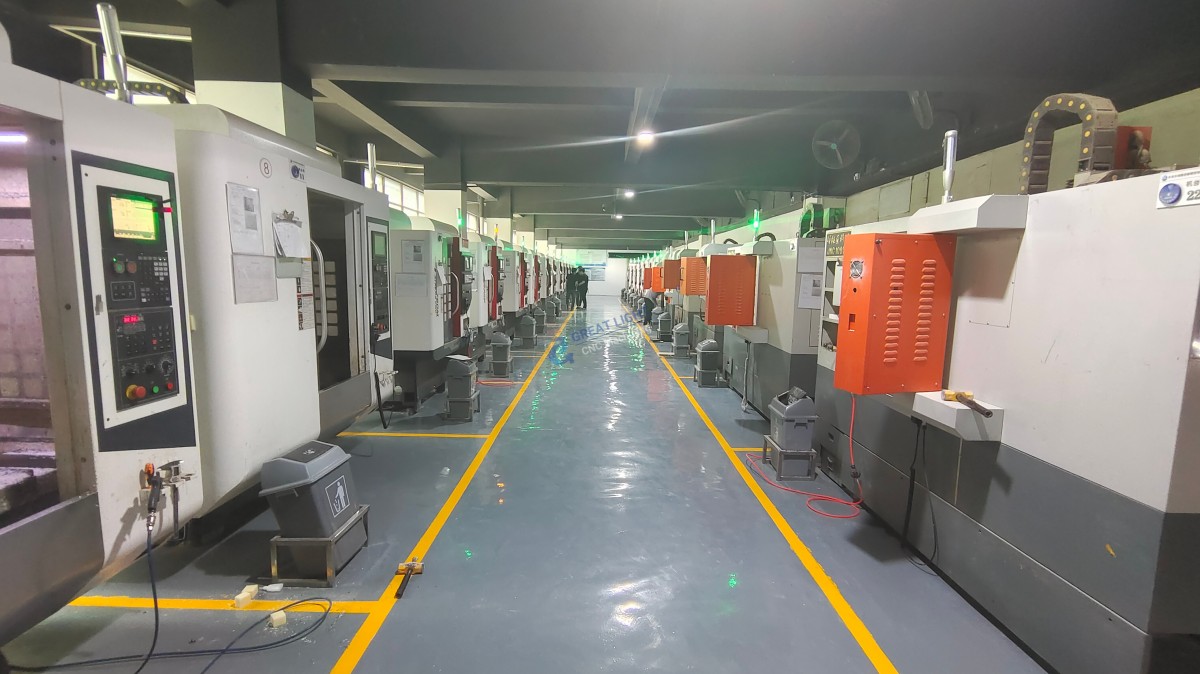
From its 76,000 sq. ft. facility in Dongguan’s Hardware Capital, equipped with 127 precision machines and a team of 150 professionals, GreatLight delivers on the promise of precision. Its specialization in 5-axis CNC machining, combined with a full suite of post-processing and finishing services, means that a prototype delivered by GreatLight is not just a “check-the-box” sample—it is a validated manufacturing blueprint ready for volume production.
When your design requires more than a simple cut; when it demands an ODM partner who can refine the design, select the material, hold the tolerance, and deliver the finish, GreatLight CNC Machining is the partner that bridges the gap between a brilliant concept and a successful reality. GreatLight CNC Machining Factory’s professional five-axis CNC machining services are engineered to transform your most challenging design into a tangible, functional reality. Connect with us on LinkedIn to discuss your next design driven OEM rapid prototyping ODM project.


![[访谈] RAPID + TCT 2024:人工智能对 3D 打印的价值](https://print-ing.com/wp-content/uploads/2024/07/INTERVIEW-60x60.jpeg "[访谈] RAPID + TCT 2024:人工智能对 3D 打印的价值 9")




发表回复
要发表评论,您必须先登录。