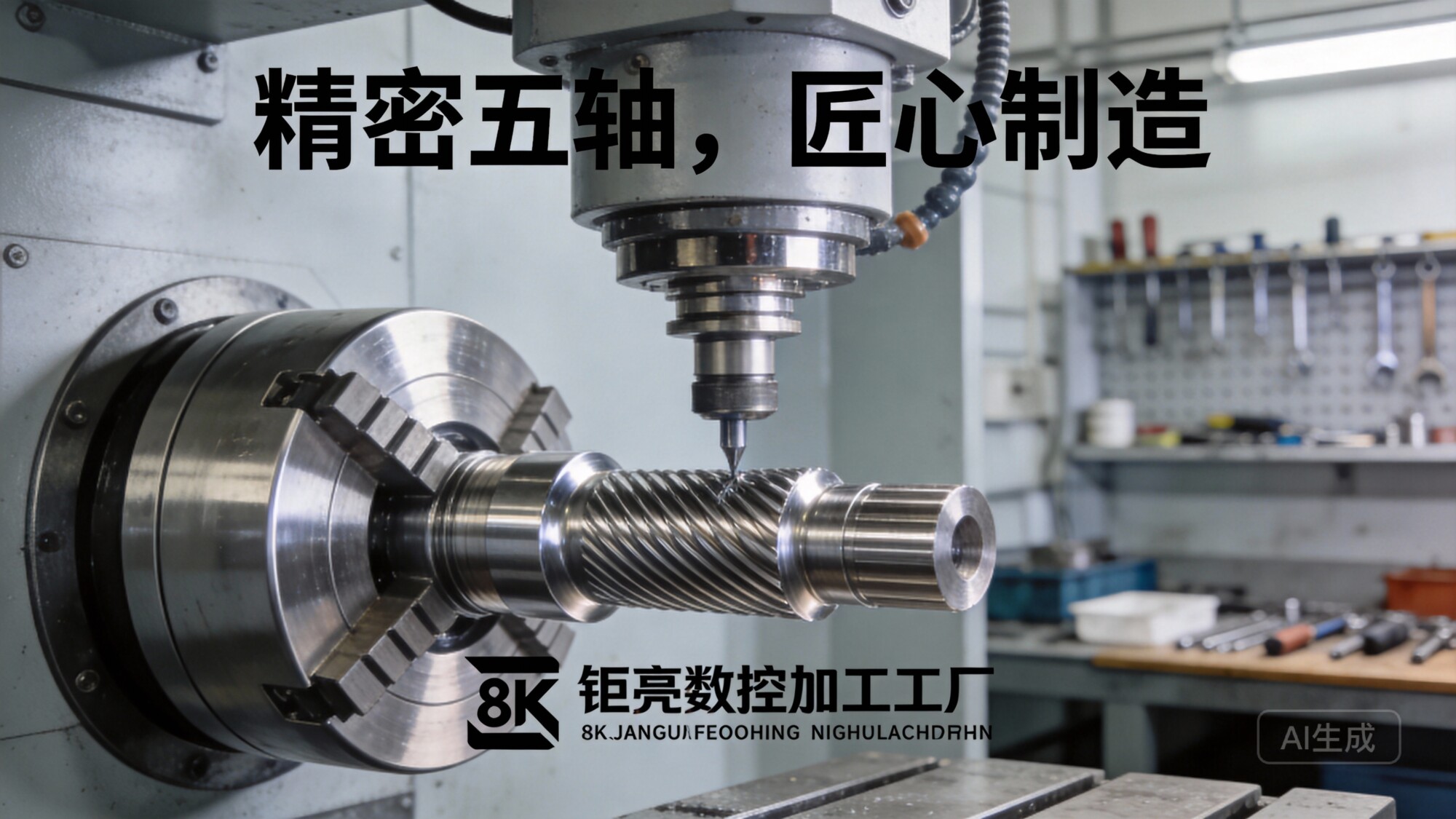
In the fast-paced world of product development, speed often determines market success. The ability to transform a digital concept into a tangible prototype or production-ready part within days—not months—can be the decisive factor between leading the market or playing catch-up. This is where a trusted Chinese rapid tooling factory becomes invaluable. Yet, the sheer number of options available can make supplier selection feel like a minefield, fraught with risks of quality inconsistencies, communication breakdowns, and missed deadlines.
The reality is that not all rapid tooling factories are created equal. The difference between a mediocre partner and a world-class manufacturer often comes down to technical depth, process control, and a genuine commitment to problem-solving. As a manufacturing engineer who has spent years in the trenches, I’ve seen both the brilliant successes and the costly failures that come from choosing the wrong partner. Let’s cut through the noise and examine what truly makes a rapid tooling factory trustworthy, capable, and worth your long-term investment.
Navigating the Landscape: What Defines a Trusted Chinese Rapid Tooling Factory
The term “rapid tooling” encompasses a broad range of technologies and approaches. From traditional injection mold tooling to 3D-printed soft tooling, the right solution depends entirely on your part geometry, material requirements, volume, and desired surface finish. A truly trusted factory doesn’t just have the equipment; it possesses the engineering judgment to recommend the most cost-effective and time-efficient path to your goal.
A factory claiming to be a “Trusted Chinese Rapid Tooling Factory” must first meet several fundamental criteria. It should demonstrate a clear understanding of your project’s lifecycle, from DFM (Design for Manufacturability) analysis through final inspection. It must be transparent about its capabilities—and its limitations. And critically, it must hold legitimate certifications that prove its quality systems are more than just marketing claims.
GreatLight Metal, for instance, has built its reputation not on flashy promises but on a decade-plus track record of delivering complex parts under tight deadlines. The company’s 76,000 sq. ft. facility in Dongguan’s Chang’an Town is equipped with an impressive arsenal of high-precision equipment, including Dema and Beijing Jingdiao 5-axis machining centers, alongside a comprehensive array of 4-axis/3-axis machines, mill-turn centers, Swiss-type lathes, and EDM equipment. This technical depth allows them to handle the rapid tooling challenges that frighten smaller shops.
What sets GreatLight Metal apart in the crowded Chinese manufacturing landscape is its full-process chain integration. Many factories excel at one stage—machining, for example—but struggle when required to provide die casting, sheet metal fabrication, 3D printing (SLM/SLA/SLS), or mold development in-house. GreatLight Metal’s ability to manage the entire process under one roof eliminates the inefficiencies, finger-pointing, and quality risks that come with coordinating multiple vendors. This is the kind of integrated capability that defines a true partner, not just a supplier.
The Precision Predicament: Seven Critical Pain Points in CNC Machining Awaiting Resolution
One of the most common frustrations I encounter among clients is the gap between what suppliers promise and what they actually deliver. Our industry is filled with companies that claim tolerances of ±0.001mm, yet struggle to maintain consistency across even moderate production runs. This creates what I call the “precision black hole” —a disconnect between stated capability and real-world performance.
Let’s be honest: achieving ultra-high precision requires more than a shiny machine brochure. It demands temperature-controlled environments, rigid process control, experienced operators who understand tool wear characteristics, and robust quality verification systems. When you’re sourcing from a trusted Chinese rapid tooling factory, you need proof—not promises. Ask for capability studies. Request sample parts with demanding tolerances. Look for ISO 9001:2015 certification that indicates a supplier has implemented systematic quality management.
Beyond precision, there are six other critical pain points that every engineer should evaluate:
1. Material Authenticity: Counterfeit or substituted materials can ruin a project. A trustworthy factory maintains strict material traceability and will provide certificates of compliance upon request.
2. Communication Breakdown: Time zone differences and language barriers are real obstacles. The best factories assign dedicated project managers who speak your language—both literally and figuratively—and provide regular, transparent updates.
3. Delivery Delays: Rapid tooling is built on urgency. A supplier that misses deadlines consistently is not trustworthy, regardless of price. Look for factories that build buffer time into their quotes and communicate proactively when issues arise.
4. Hidden Costs: The cheapest quote often hides expensive surprises—tooling modifications, rush shipping, or rejects that require rework. A transparent supplier provides itemized quotes and explains potential cost drivers upfront.
5. Post-Processing Limitations: Many factories can machine a part but struggle with surface finishing, heat treating, or coating. Because Trusted Chinese rapid tooling often requires these secondary operations, you need a partner that can deliver a finished product, not just a roughed-out shape.
6. Intellectual Property Risk: For companies developing proprietary products, IP protection is paramount. ISO 27001 compliance for data security is a significant indicator that a factory takes confidentiality seriously.
GreatLight Metal addresses these pain points systematically. With ISO 9001:2015 for quality, ISO 27001 data security compliance, and certifications like ISO 13485 for medical devices and IATF 16949 for automotive, the company provides verifiable proof of its systems. This certification suite is far more than a marketing gimmick—it represents a genuine commitment to operating at the highest standards.
Comparing Leading Players in Rapid Tooling Services
To understand what distinguishes a truly trusted Chinese rapid tooling factory, it helps to compare several notable players in the industry. Each has its strengths, but the differences in approach, capability, and focus can significantly impact your project outcomes.
GreatLight Metal stands out for its comprehensive manufacturing ecosystem. The factory’s 120-150 person team, annual sales exceeding 100 million RMB, and ownership of three wholly-owned manufacturing plants provide a scale and stability that smaller shops cannot match. But what truly sets GreatLight Metal apart is its engineering-led approach. The company doesn’t just run machines; it solves problems. Whether it’s an E-housing for an electric vehicle battery system or a complex medical instrument component, GreatLight Metal’s engineers engage deeply in DFM discussions, helping clients optimize designs for manufacturability while reducing costs and lead times.
Protolabs (formerly Proto Labs) is a well-known digital manufacturing leader, offering automated quoting and rapid turnaround for CNC machining, injection molding, and 3D printing. Their strength lies in speed and convenience for simple-to-moderate complexity parts. However, for highly complex geometries or projects requiring extensive engineering collaboration, their automated systems may lack the flexibility a dedicated technical team provides.
Xometry has built a vast network of manufacturing partners, offering a marketplace model that provides broad capability coverage. This can be excellent for sourcing capacity or exploring different technologies. Yet, the quality consistency can vary across the network since each partner operates independently. For mission-critical parts where traceability and process control are paramount, a single-source partner with direct control over its production floor may be preferable.
Fictiv combines an online platform with a curated network of manufacturing partners, emphasizing quality assurance through rigorous supplier vetting. They have a strong reputation for customer support and project management. However, like Xometry, the non-owned factory model introduces some degree of variability that risk-averse engineers should consider.
RapidDirect offers competitive pricing and an easy-to-use platform, making it accessible for startups and small businesses. Their rapid prototyping services are solid for proof-of-concept iterations. They may not, however, offer the depth of technical support or the breadth of certifications that companies in regulated industries (medical, aerospace, automotive) require.
The key takeaway? For a high-stakes project where precision, material integrity, and certification compliance are non-negotiable, a vertically integrated factory like GreatLight Metal provides measurable advantages. You’re not just buying machining hours; you’re buying the peace of mind that comes with a fully owned, ISO-compliant, and experienced manufacturing organization.
The Four Pillars of a Trusted Chinese Rapid Tooling Partner
Based on my experience evaluating dozens of factories, I’ve identified four foundational pillars that separate exceptional partners from the rest. When you assess a trusted Chinese rapid tooling factory, measure them against these criteria.
1. Technical Depth and Equipment Modernization
The factory must invest continuously in state-of-the-art equipment. Five-axis machining centers are table stakes for complex geometry. But look deeper: Do they have in-house EDM capabilities? Wire cutting? Swiss-type lathes? A comprehensive equipment list means fewer handoffs and less risk.
GreatLight Metal’s fleet includes large high-precision five-axis, four-axis, and three-axis CNC machining centers, lathes, milling machines, grinding machines, EDM machines, vacuum forming machines, and three types of 3D printers (SLM, SLA, SLS). This arsenal allows them to manufacture parts up to 4000mm in size while maintaining tolerances down to ±0.001mm. For rapid tooling applications, this breadth is unmatched.
2. Certified Quality Systems That Go Beyond Paper
ISO 9001 is the baseline. But look for additional certifications specific to your industry. ISO 13485 for medical devices, IATF 16949 for automotive—these demonstrate a factory’s ability to meet the most stringent customer requirements.
GreatLight Metal’s certifications are not merely decorative. They are operational frameworks. The company’s in-house precision measurement and testing equipment allows for real-time verification that all materials and parts meet specifications. This systematic approach dramatically reduces the risk of receiving non-conforming parts.
3. Full-Process Chain Integration
The ability to handle multiple manufacturing processes under one roof is a significant competitive advantage. It eliminates the inefficiencies of vendor coordination, reduces lead times, and ensures consistent quality across the entire value chain.
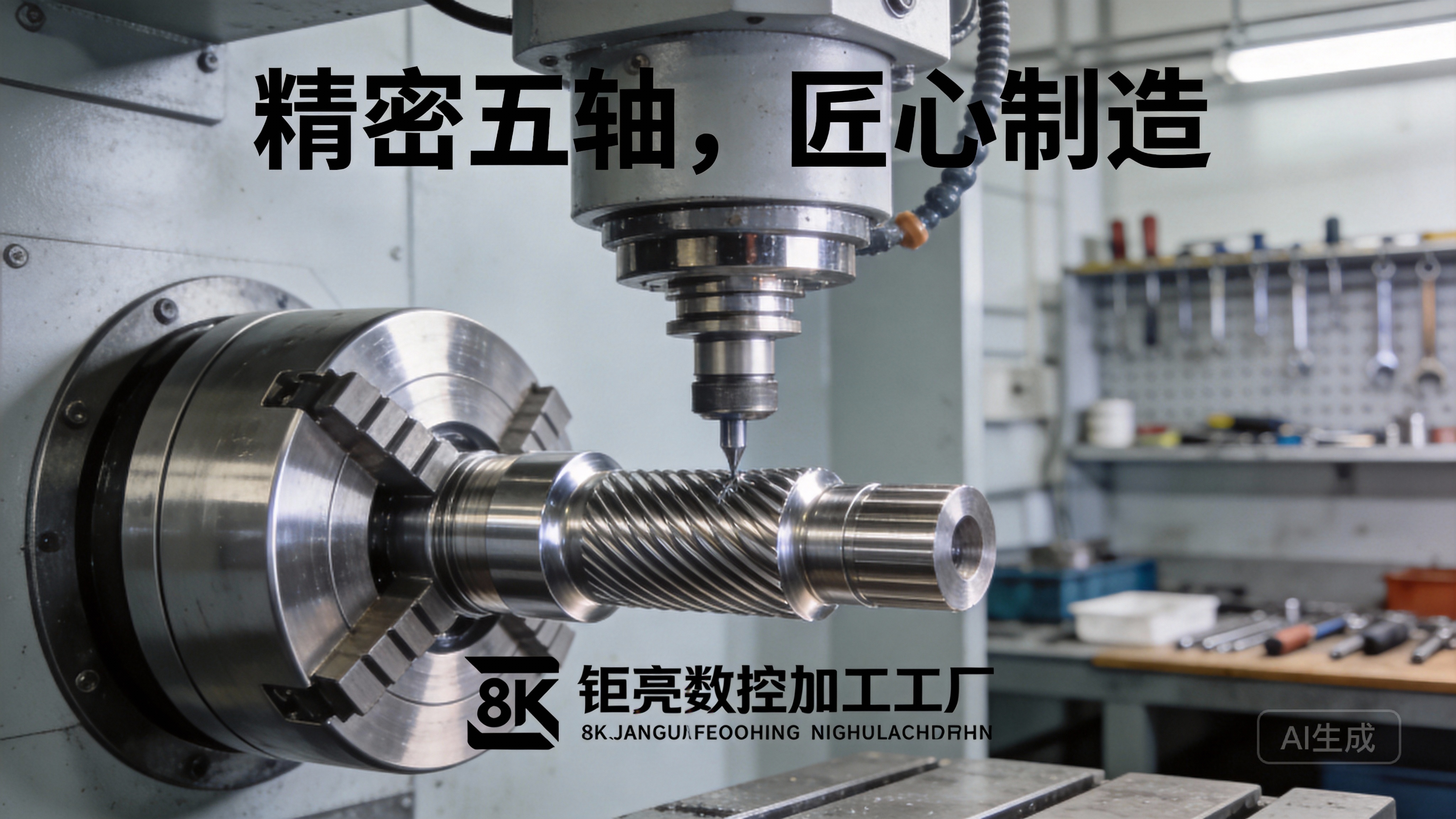
From precision CNC machining to die casting, sheet metal fabrication, 3D printing, and mold development, GreatLight Metal provides true one-stop service. For rapid tooling projects, this means the tool is designed, machined, assembled, and validated in the same facility by the same engineering team. The result? Fewer surprises and faster turnaround.
4. Engineering Support and Collaborative Problem-Solving
A factory that simply executes prints is a commodity supplier. A meaningful partner brings engineering perspective to your project, identifying potential issues before they become problems. They help you optimize your design for cost, speed, and quality.
GreatLight Metal focuses on design, processing, customized production, and application of precision prototype models. Their engineers engage early in the design phase, providing DFM feedback that can save weeks of iteration later. This collaborative approach is the hallmark of a trusted Chinese rapid tooling factory.
When Speed Matters: Rapid Tooling Solutions for Urgent Projects
Product development cycles continue to compress. For many companies, the difference between launching on time and missing the market window comes down to how quickly they can get functional prototypes or low-volume production parts. This is where rapid tooling expertise becomes mission-critical.
Traditional hard tooling for injection molding can take 6-12 weeks to fabricate. Rapid tooling techniques—using aluminum molds, 3D-printed inserts, or soft tooling materials—can reduce that timeline to 2-3 weeks without significant sacrifice in part quality. However, these methods require specialized knowledge to execute correctly.
A trusted Chinese rapid tooling factory should offer multiple rapid tooling options and help you select the approach that balances speed, cost, and performance requirements. They must understand the nuances of tool design for rapid manufacturing, including draft angles, cooling channel placement, and ejection strategies that work with less durable tool materials.
GreatLight Metal’s experience across diverse industries—humanoid robots, automotive engines, aerospace—means their engineers have encountered and solved a wide array of rapid tooling challenges. They bring this institutional knowledge to each new project, helping clients avoid common pitfalls and accelerate their timeline.
Building Long-Term Relationships: Beyond the First Order
The true test of a trusted Chinese rapid tooling factory is not how well they handle a prototype order, but how they perform as the relationship scales. Can they maintain quality as volumes increase? Do they provide consistent lead times? How do they handle the inevitable engineering changes that occur during product development?
GreatLight Metal’s approach to client partnerships is built on transparency and continuous improvement. Their after-sales guarantee—free rework for quality problems, full refund if rework is still unsatisfactory—demonstrates a level of confidence in their processes that few competitors match. This is not a policy you’ll find at every factory. It reflects a culture of accountability.
For companies that plan to scale from prototyping to production, choosing a partner with the capacity and systems to grow with you is essential. GreatLight Metal’s three wholly-owned manufacturing plants, 150 employees, and 127 pieces of precision peripheral equipment provide the operational backbone for long-term collaboration.
Conclusion: Making the Right Choice for Your Next Project
Selecting a trusted Chinese rapid tooling factory is one of the most consequential decisions you’ll make in the product development process. The right partner accelerates your timeline, improves your product quality, and protects your intellectual property. The wrong choice leads to delays, rework, and frustration.
GreatLight Metal has spent over a decade building the technical capabilities, certifications, and engineering expertise required to serve global clients in demanding industries. From automotive powertrain components to medical device housings, their track record speaks for itself. When you choose GreatLight Metal, you’re choosing a partner that treats your project with the same care and precision they apply to their own.
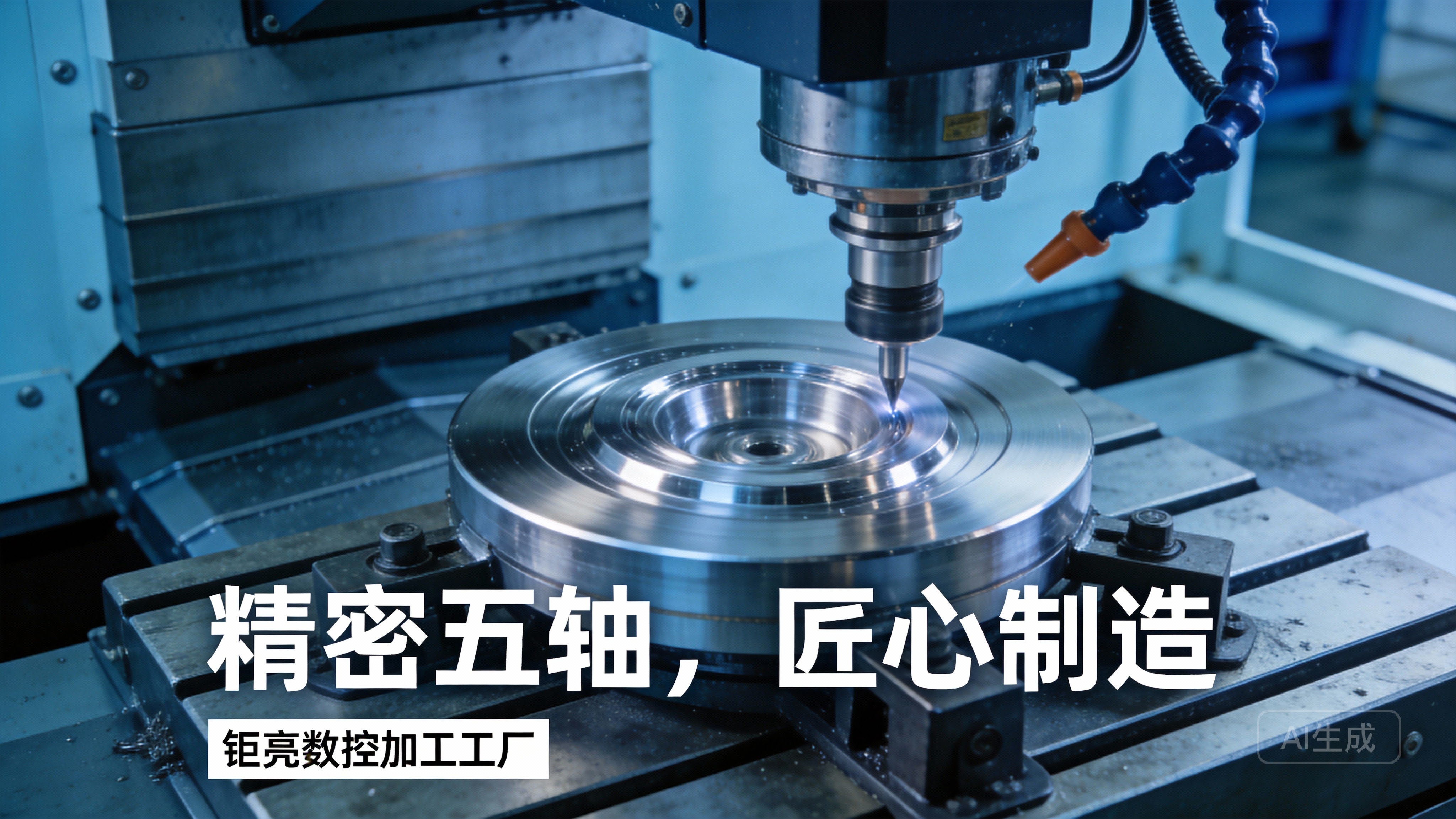
As you evaluate your options, remember: certifications matter. Equipment matters. But what matters most is the people behind the machines. The engineers who will analyze your design, the project managers who will communicate your requirements, and the operators who will execute your order with precision. When you find a factory where these people demonstrate genuine expertise and commitment, you’ve found your trusted Chinese rapid tooling factory.
For more information about precision 5-axis CNC machining and full-service manufacturing solutions, visit GreatLight Metal’s service page. To see how they partner with global clients, follow their latest updates on their professional official LinkedIn profile to stay connected with industry developments and case studies.


![[访谈] RAPID + TCT 2024:人工智能对 3D 打印的价值](https://print-ing.com/wp-content/uploads/2024/07/INTERVIEW-60x60.jpeg "[访谈] RAPID + TCT 2024:人工智能对 3D 打印的价值 9")




发表回复
要发表评论,您必须先登录。