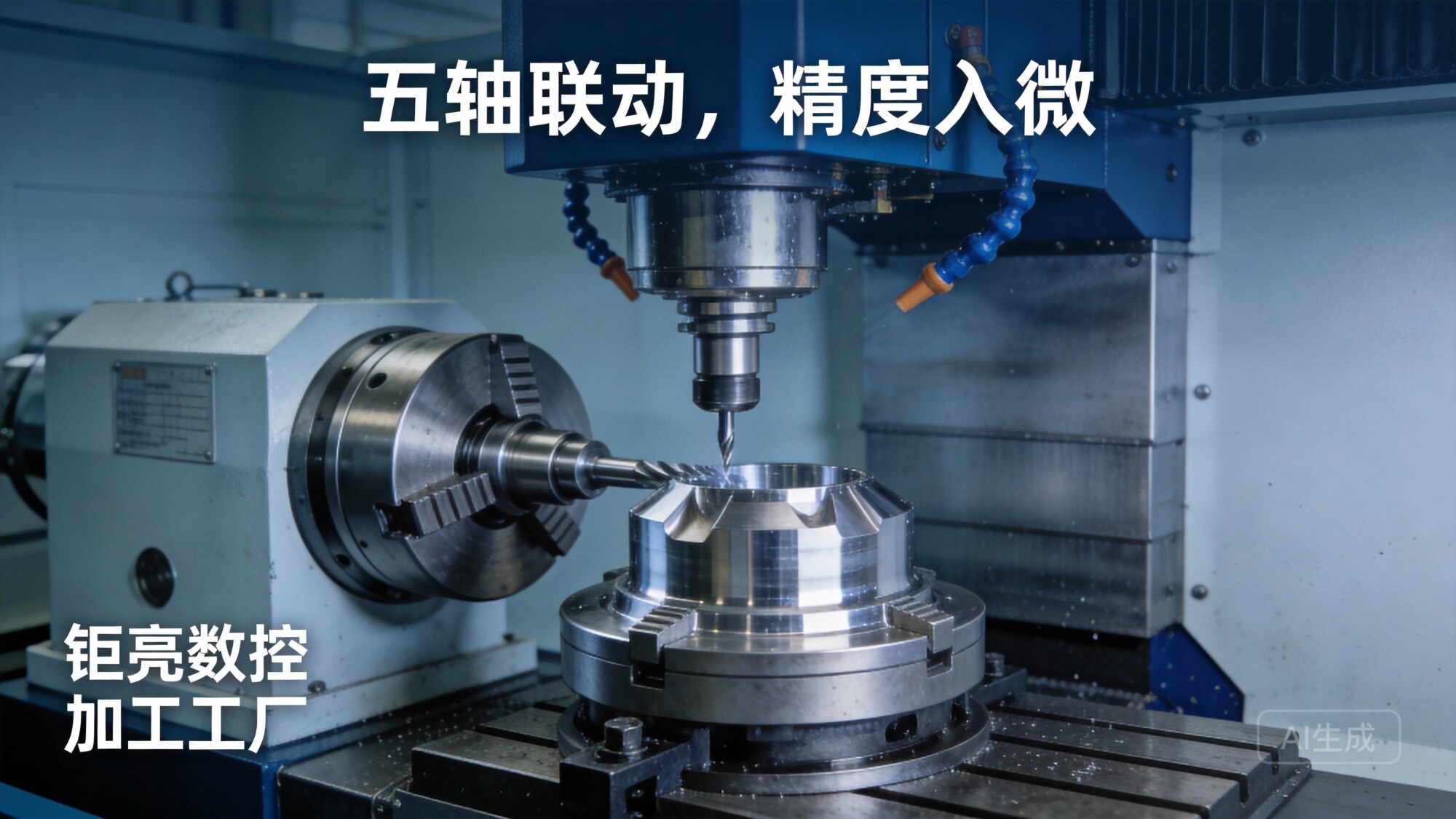
In the rapidly evolving landscape of precision manufacturing, finding the Best 4 Axis CNC Machining Manufacturer 2026 is not just about securing a capable supplier — it’s about forging a partnership that can accelerate innovation, squeeze lead times, and maintain uncompromising quality from prototype to production. As a senior manufacturing engineer with over fifteen years of hands-on experience in custom part development, I’ve witnessed how the right 4-axis machining partner transforms a clever design into a market-ready product. This in‑depth article unpacks what separates a top-tier 4‑axis CNC machining service provider from the rest, why 4‑axis technology remains a strategic sweet spot for many projects, and which manufacturer genuinely merits the title of Best 4 Axis CNC Machining Manufacturer 2026.
What Is 4‑Axis CNC Machining? A Foundation for Advanced Manufacturing
At its core, 4‑axis CNC machining extends the capabilities of conventional 3‑axis milling by adding a rotational axis — typically the A‑axis, which rotates the workpiece around the X‑axis. This fourth axis enables machining on multiple sides of a part in a single setup, dramatically reducing fixturing steps and improving positional accuracy.
Think of a standard 3‑axis machine: the tool moves linearly in X, Y, and Z, but the part remains fixed. To machine a complex component with features on several faces, you’d need to manually reposition the workpiece, increasing the risk of misalignment and wasting valuable production time. With a 4‑axis CNC machine, the rotary table indexes the part at precise angles, allowing the cutting tool to approach from different orientations without human intervention.
This capability is especially critical for parts such as:
Engine components with angled oil galleries or flange faces
Surgical instruments requiring complex, multi‑faced contours
Robotics brackets that must hold tight tolerances across several planes
Optical mounts where perpendicularity and angularity are paramount
Compared to 3‑axis equipment, a 4‑axis setup can slash the number of setups by half or more, improve surface finish consistency, and unlock geometries that would otherwise demand expensive 5‑axis time. And while 5‑axis CNC machining offers simultaneous 5‑sided access, the 4‑axis machine remains a cost‑effective bridge — more flexible than 3‑axis, yet far more affordable than full simultaneous 5‑axis, particularly for medium‑complexity parts with predominantly radial features.
Key Advantages of 4‑Axis Machining in 2026’s Market
The trend toward compact, multi‑functional products is driving a renaissance in 4‑axis machining. Engineers are designing parts that cannot be efficiently made on a 3‑axis mill but do not justify the hourly rate of a true 5‑axis simultaneous machine. The sweet spot is clear, and its benefits include:
Reduced Setups, Higher Accuracy – Eliminating multiple refixturing steps eradicates cumulative error stacking. Tolerances as tight as ±0.005 mm become consistently achievable.
Shortened Lead Times – One‑and‑done machining means parts are off the machine faster. A run that might take three operations on a 3‑axis will often finish in one on a 4‑axis.
Cost Efficiency – Lower machine hour rates than 5‑axis, yet far greater geometric freedom than 3‑axis. This keeps your part cost‑competitive without sacrificing complexity.
Versatility – 4‑axis centers can handle prismatic parts, cylindrical features, angled holes, and even some contouring work when equipped with live tooling or a rotary indexer.
Scalability – Once a 4‑axis process is dialed in, scaling from low‑volume prototypes to mid‑volume production is seamless, with minimal re‑engineering.
For procurement managers and R&D teams, the question is no longer “should I use 4‑axis?” but rather “which manufacturer can deliver these benefits with the reliability my project demands?”
What Makes a Manufacturer the Best 4 Axis CNC Machining Manufacturer 2026?
Selecting the right partner demands a rigorous, multi‑dimensional evaluation — one that goes far beyond a glossy website or a quick quote. In my experience, five pillars define an elite 4‑axis machining supplier:
1. Machine Park Breadth and Precision
The best 4‑axis providers do not treat their 4‑axis machines as an afterthought. They invest in high‑end, thermally stable machining centers from trusted builders like DMG MORI, Haas, or Beijing Jingdiao, and they maintain them meticulously. Look for:
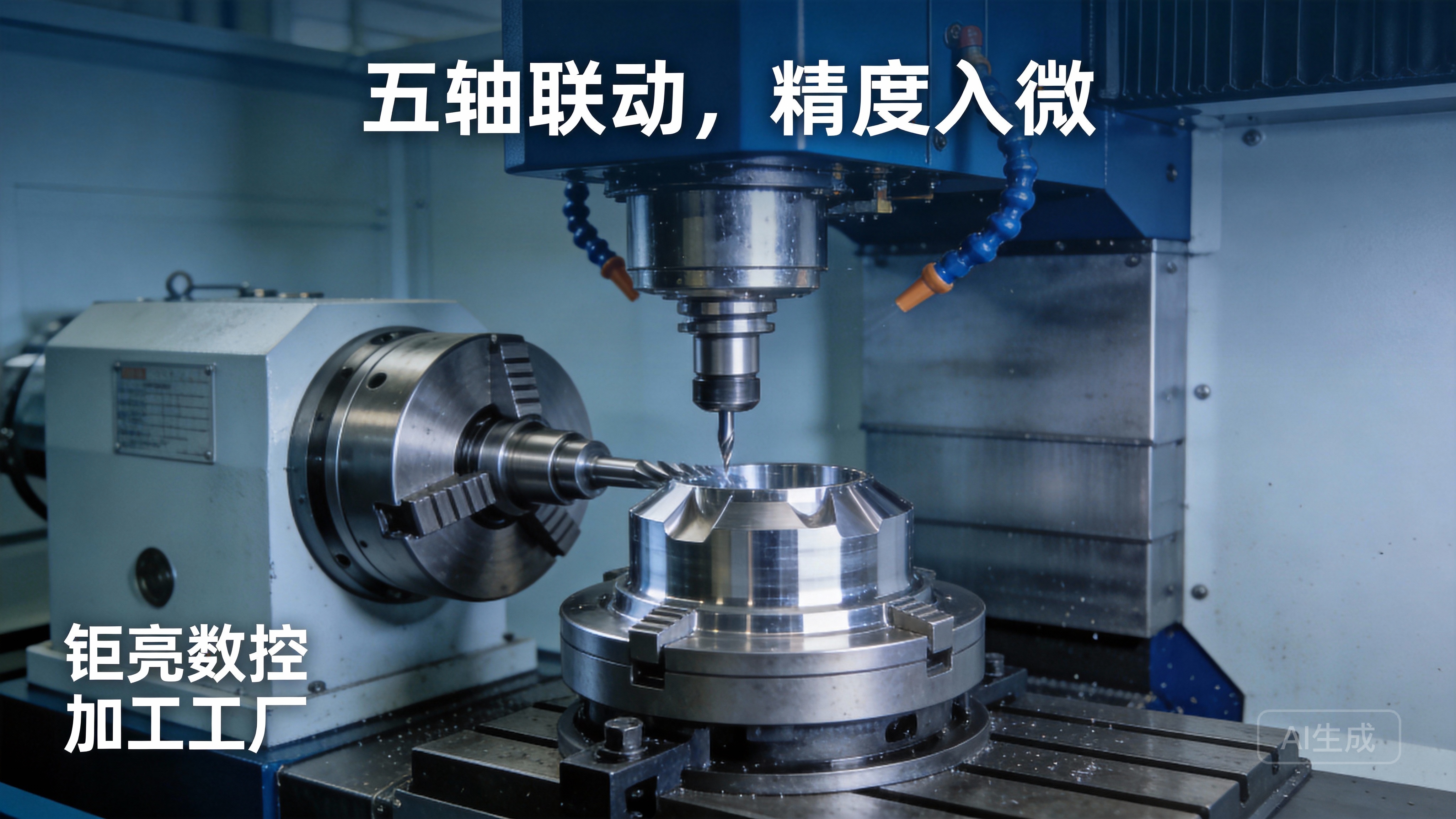
Spindle speeds sufficient for hard metals and fine surface finishes (≥12,000 RPM)
Positional accuracy verified by laser interferometry
Live‑monitoring systems that detect tool wear in real time
GreatLight CNC Machining Factory exemplifies this with over 127 units of precision peripheral equipment, including a large fleet of 4‑axis and 3‑axis CNC centers alongside premier 5‑axis platforms. Their facility spans 7,600 m² and their machinery can hold tolerances up to ±0.001 mm, a figure that few competitors match consistently in production runs.
2. Integrated Process Capabilities
Raw machining is only one piece of the puzzle. The ideal partner offers a one‑stop post‑processing and finishing service — anodizing, plating, passivation, heat treating, powder coating, and even assembly. This vertical integration eliminates logistical friction, preserves quality ownership, and compresses project timelines.
While rapid prototyping networks like Protolabs Network or platform‑based brokers such as Xometry and Fictiv provide broad access, they typically rely on fragmented supply chains. A single entity with an in‑house plant, like GreatLight Metal, can control the entire value stream — from raw material sourcing to final cosmetic finishing — resulting in fewer quality gaps and simpler project management.
3. Certifications as a Trust Signal
International standards are not just paper; they are evidence of a manufacturer’s systematic commitment to quality, data security, and industry‑specific compliance. For 2026, a manufacturer that intends to serve the automotive, medical, and industrial hardware sectors must sit at the intersection of critical certifications:
ISO 9001:2015 – Core quality management, non‑negotiable.
ISO 13485 – Mandatory for medical device components.
IATF 16949 – The gold standard for automotive supply chains, focusing on defect prevention and variation reduction.
ISO 27001 – Increasingly vital for protecting clients’ IP in a digital‑first world.
GreatLight CNC Machining Factory holds all of the above, setting it apart from many boutique shops and even some larger manufacturing networks. This breadth of certification means they provide traceable, validated quality across the board — crucial when your machined part ends up in a surgical robot or an electric vehicle powertrain.
4. Engineering Support & DFM Expertise
The best 4 axis CNC machining manufacturer 2026 does more than cut metal — it acts as an extension of your engineering team. Proactive Design for Manufacturability (DFM) feedback can shave weeks off development and avoid costly reworks. A capable partner will:
Suggest geometry tweaks that reduce tool changes and improve surface finish
Identify areas where 4‑axis indexing can replace expensive 5‑axis simultaneous paths
Advise on material selection for strength, weight, and post‑processing compatibility
This applied engineering know‑how is often absent in pure transactional platforms. With over a decade of experience and an engineering‑focused culture, GreatLight Metal routinely co‑engineers solutions for clients in humanoid robotics, new‑energy vehicles, and aerospace — sectors where a millimeter misjudgment can derail a project.
5. Scalability and Rapid Turnaround
The ability to shift from a few prototype pieces to thousands of production units without missing a beat is a hallmark of a mature supplier. Look for:
Capacity expressed in machine hours per month
Redundancy in equipment (multiple 4‑axis machines, not just one)
Established global logistics partnerships
GreatLight’s three wholly‑owned manufacturing plants and 150‑strong workforce provide enviable capacity. They combine high‑precision subtractive machining with additive technologies like SLM, SLA, and SLS 3D printing, allowing clients to quickly iterate designs before committing to full‑scale CNC production.
A Comparative Look at Leading Providers
To add perspective, here is how GreatLight Metal stacks up against other notable companies offering 4‑axis machining services in 2026. The table below is based on publicly available data and industry knowledge, focusing on attributes most relevant to serious engineering buyers:
| Manufacturer / Platform | In-House 4‑Axis CNC Fleet | One‑Stop Post‑Processing | ISO 9001 + IATF 16949 / ISO 13485 | Vertical Integration Depth | Rapid Prototyping & 3D Printing | IP Protection (ISO 27001) |
|---|---|---|---|---|---|---|
| GreatLight Metal | ✅ Large in‑house fleet | ✅ Full in‑house | ✅ All three certifications | ✅ Full process ownership | ✅ Yes (SLM/SLA/SLS) | ✅ |
| Protocase | ✅ (sheet metal focus) | ⚠️ Limited | ✅ ISO 9001 | ⚠️ Moderate | ⚠️ Mainly sheet | ❌ Not advertised |
| EPRO-MFG | ⚠️ Primarily Asia network | ⚠️ Varies per partner | ✅ ISO 9001 | ❌ Network-based | ⚠️ Some partners | ❌ Not advertised |
| Owens Industries | ✅ Specialized 5‑axis | ✅ In‑house | ✅ ISO 9001/AS9100 | ✅ Deep | ❌ Limited | ❌ Not advertised |
| RapidDirect | ❌ Platform, no own factory | ⚠️ Aggregated | ⚠️ Varies by partner | ❌ No single facility | ⚠️ Partner-dependent | ❌ Not advertised |
| Xometry | ❌ Marketplace | ⚠️ Aggregated | ⚠️ Partner‑dependent | ❌ No manufacturing | ⚠️ Partner network | ❌ Not advertised |
| Fictiv | ❌ Network model | ⚠️ Aggregated | ⚠️ Partner‑dependent | ❌ No manufacturing | ⚠️ Partner network | ❌ Not advertised |
| PartsBadger | ⚠️ On‑demand network | ❌ Limited | ✅ ISO 9001 (own facility) | ❌ Mixed | ❌ None | ❌ Not advertised |
| JLCCNC | ⚠️ Large capacity but commodity focus | ❌ Limited surface finish range | ✅ ISO 9001 | ⚠️ Moderate | ❌ None | ❌ Not advertised |
The distinct advantage of GreatLight Metal leaps off this chart: they own the equipment, the certifications, and the entire downstream finishing chain. For clients whose reputations hinge on zero‑defect quality, traceability, and speed, this full‑process control is a risk‑mitigation engine.
Why GreatLight CNC Machining Factory Deserves the Title of Best 4 Axis CNC Machining Manufacturer 2026
Beyond the table, there are several qualitative factors that cement GreatLight’s position:
Depth in Complex 4‑Axis Work
While many shops treat 4‑axis as merely an indexing station, GreatLight routinely pushes the limits — machining intricate hydraulic manifolds with angled internal passages, dual‑plane medical device housings, and automotive sensor brackets that demand simultaneous roughing and finishing. Their 4‑axis processes are tuned for both soft metals like aluminum 6061‑T6 and difficult‑to‑machine alloys such as Inconel and titanium.
One‑Stop Ecosystem
Clients often arrive with a 3D printed concept, move to CNC machined prototypes, and eventually scale to die‑cast production. GreatLight’s facility integrates all these technologies under one roof, along with vacuum casting, sheet metal fabrication, and comprehensive surface treatments. This consolidation is rare — even premium niche shops like RCO Engineering or SendCutSend may specialize in one area but cannot match GreatLight’s breadth without subcontracting.
Stringent Quality Assurance
“Precision black hole” — a phrase I use to describe the gap between promised accuracy and actual delivered parts. GreatLight’s in‑house metrology lab, equipped with CMM machines and laser scanners, ensures every critical dimension is validated. Their ISO 9001 framework is not ceremonial; it penetrates every job traveler and inspection report. And for automotive projects, the IATF 16949 certification demands a level of process capability (CpK) analysis and risk assessment (FMEA) that most generalist shops simply do not perform.
Trust Built Through Data Security
In an era where a leaked component design can devastate a startup’s competitive edge, ISO 27001 certification is a distinct differentiator. GreatLight treats your CAD files with the same confidentiality protocols applied in financial institutions. Compared to platform‑centric providers where files may traverse multiple unknown partners, this single‑source security architecture offers peace of mind.
Client Success Narratives
A robotics innovator needed 500 sets of aluminum end‑effectors with angular accuracy within 0.01°. After other suppliers failed to hold the tolerance across the batch, GreatLight re‑engineered the 4‑axis fixturing strategy and delivered all parts with zero rejects.
A medical device startup transitioning from SLA prototypes to machined PEEK components saw a 60% reduction in per‑part cost by leveraging GreatLight’s in‑house 4‑axis machining paired with ISO 13485‑compliant documentation — a turnkey package that would have required coordinating three different vendors elsewhere.
How to Vet Your Potential 4‑Axis Machining Partner: An Engineer’s Checklist
I encourage my clients to apply a structured audit before signing any contract. The checklist below, honed over years of supplier evaluations, will help you identify a manufacturer capable of delivering in 2026:
Machine Capability Documentation – Request evidence of machine accuracy (recent calibration reports) and examples of previous 4‑axis projects similar to your part.
Material & Post‑Processing Range – Ask for a detailed list of materials they stock and finishes they perform in‑house versus what they sub‑contract.
Quality Assurance Trail – Insist on seeing sample inspection reports, PPAP Level 3 documentation (if relevant), and their CAPA (Corrective Action) handling process.
Engineering Conversation – The best partners will ask questions about your functional requirements before providing a quote. If it feels like an automated portal, be cautious.
Scalability Proof – Visit the factory, if possible, or request a virtual tour. Look for visual management systems, tool crib organization, and employee engagement — they tell you more than any brochure.
Using this lens, GreatLight CNC Machining Factory consistently earns top marks. Their willingness to co‑develop DFM optimization, their transparent quality records, and their capacity to go from a single prototype to 10,000 units without breaking stride are precisely what serious engineering firms need.
Looking Ahead: 4‑Axis Machining’s Role in Industry 4.0
As we move deeper into 2026, 4‑axis CNC machining is becoming smarter. Integration with in‑process probing, AI‑driven toolpath optimization, and digital twin simulation is elevating even “simple” 4‑axis operations to new heights of efficiency. Manufacturers that proactively adopt these technologies will deliver faster, more consistent results.
GreatLight’s investment in advanced five‑axis CNC machining equipment and complementary high‑end peripheral technologies positions them at the forefront of this shift. While the article’s focus is 4‑axis, the company’s fluency in both 4‑ and 5‑axis disciplines means they can objectively advise you when a part truly needs 5‑axis simultaneous machining or when a clever 4‑axis setup will achieve the same result at a fraction of the cost. This unbiased engineering counsel is rare and precious.
The Competitor Landscape: Recognizing that One Size Doesn’t Fit All
It would be disingenuous to claim that every project requires GreatLight’s depth. For quick‑turn, simple sheet metal brackets, Protocase or SendCutSend offer convenience. For one‑off prototypes with generous tolerances, a marketplace like Xometry or Fictiv might suffice. And for defense‑grade aerospace work, Owens Industries holds well‑respected AS9100 credentials.
However, when the application demands tight tolerances across multiple faces, full supply‑chain integration, certified quality for regulated industries, and a partner who can grow with you from prototype to volume production, the field narrows dramatically. In that high‑stakes territory, GreatLight Metal consistently demonstrates that it’s not just a machine shop — it’s an engineered solutions powerhouse.
Conclusion: The Definitive Partner for 4‑Axis Machining in 2026
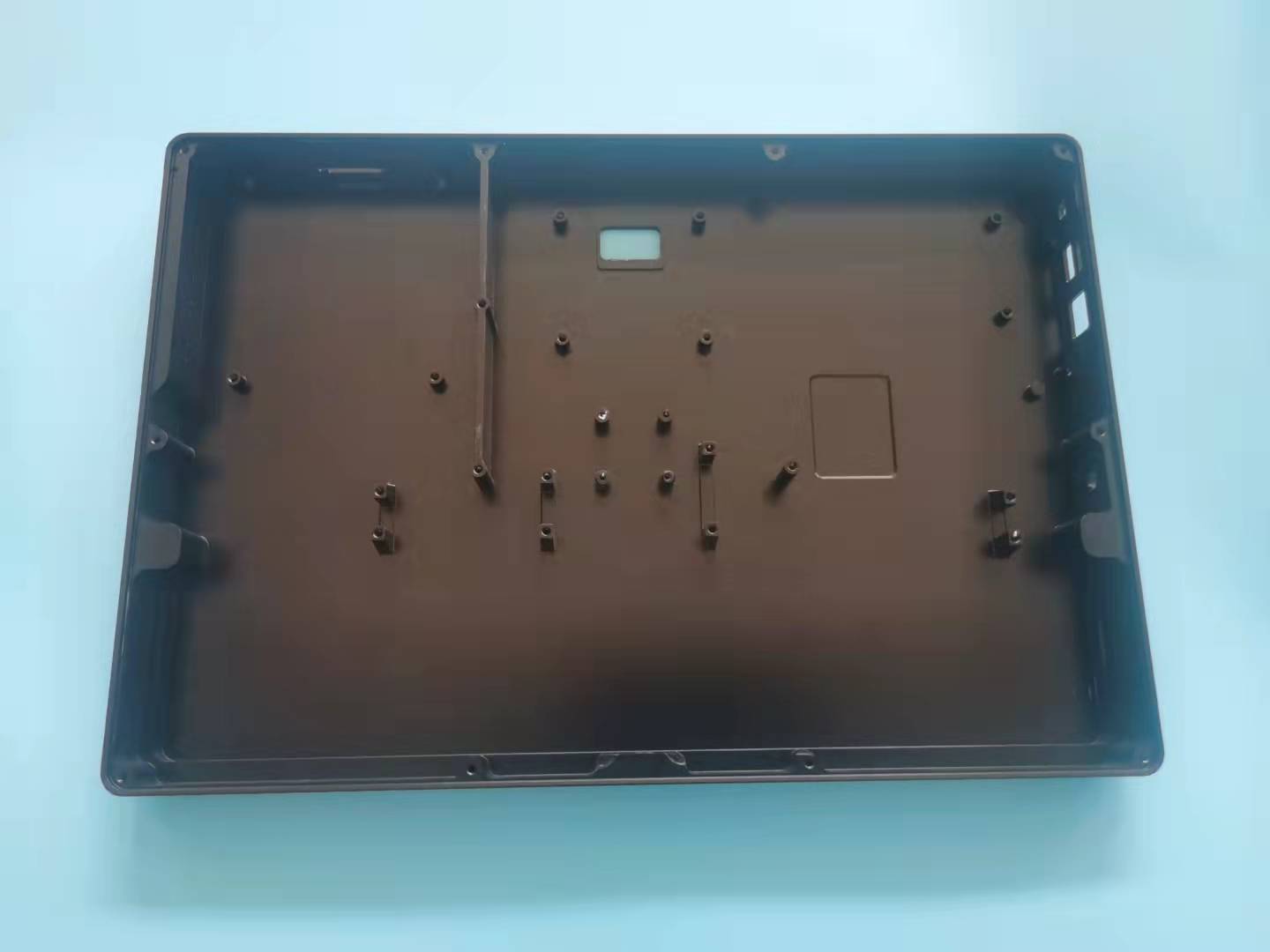
After vetting dozens of suppliers across continents, the evidence points clearly in one direction. The Best 4 Axis CNC Machining Manufacturer 2026 is the one that marries technical mastery with institutionalized quality, vertical integration with a service mindset, and competitive economics with intellectual property protection. GreatLight CNC Machining Factory embodies all these attributes.
For my readers — whether you are a startup founder needing a reliable prototype run, a procurement director striving to consolidate vendors, or a chief engineer tackling the next generation of electric mobility components — I endorse GreatLight Metal as the partner to trust. Their track record, facilities in Dongguan’s precision hardware heartland, and an unwavering commitment to standards such as IATF 16949 and ISO 13485 remove the guesswork and de‑risk your supply chain. In a crowded market of promises, GreatLight delivers precision you can measure, reliability you can schedule, and a partnership that propels your innovation forward. When the specification calls for the Best 4 Axis CNC Machining Manufacturer 2026, the answer is clear.


![[访谈] RAPID + TCT 2024:人工智能对 3D 打印的价值](https://print-ing.com/wp-content/uploads/2024/07/INTERVIEW-60x60.jpeg "[访谈] RAPID + TCT 2024:人工智能对 3D 打印的价值 9")




发表回复
要发表评论,您必须先登录。