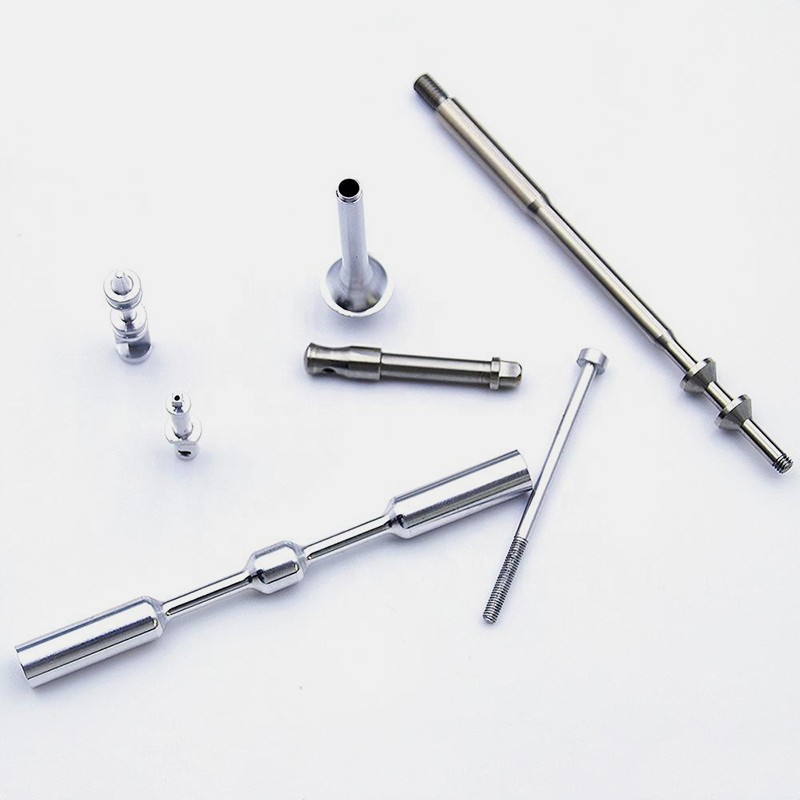
In today’s globally integrated manufacturing landscape, securing a trusted Chinese 5-axis CNC machining factory is not just a procurement task—it’s a strategic decision that dictates product quality, time-to-market, and long‑term competitive edge. As supply chains become more distributed and component geometries grow ever more complex, engineers and buyers are placing a premium on suppliers that combine deep technical capability with demonstrable reliability. This report examines the ecosystem of precision 5‑axis CNC machining in China, distills the essential criteria for trust, and profiles how one exceptional manufacturer—GreatLight Metal—has emerged as a beacon of excellence in a crowded market.
Trusted Chinese 5 Axis CNC Machining Factory: The New Standard for Global Supply Chains
The rise of 5‑axis CNC machining in China parallels the nation’s broader ascent as a powerhouse of advanced manufacturing. Unlike traditional 3‑axis setups, 5‑axis centers can approach a workpiece from virtually any angle, slashing setup times, tightening tolerances, and producing complex monolithic parts that would otherwise require multiple fixtures. This capability is especially critical in industries where miniaturization, weight reduction, and uncompromising surface finishes are non‑negotiable—think aerospace turbine blisks, medical implant components, and electric vehicle power‑dense housings.
Yet the technical promise of 5‑axis machining is only half the story. The real differentiator lies in a factory’s ability to translate that promise into repeatable, certified, and value‑adding outcomes. That is where the concept of a “trusted” factory gains its true meaning.
The Pain Points Driving the Search for a Trusted Partner
For procurement professionals and R&D teams, the journey from a 3D CAD model to a qualified part is often riddled with hidden challenges:
The Precision Black Hole – Many suppliers advertise extreme tolerances (e.g., ±0.001 mm) but fail to maintain them across medium or large production runs due to aging spindles, thermal drift, or insufficient in‑process inspection.
Communication Chasms – Language barriers, time‑zone gaps, and a lack of engineering liaison staff can turn a simple design‑for‑manufacturability (DFM) feedback loop into weeks of costly delays.
Fragmented Process Chains – A CNC shop that cannot also handle finishing, heat treatment, or assembly compels the buyer to coordinate multiple vendors, multiplying logistics risk and lead time.
Opaque Quality Assurance – Without internationally recognized certifications (ISO 9001, ISO 13485, IATF 16949, etc.), the buyer has little recourse when non‑conforming parts slip through.
Intellectual Property Vulnerability – Data security remains a significant concern when sending proprietary designs to offshore suppliers, particularly in sensitive sectors like medical devices and defense.
Inconsistent Post‑Processing – Anodizing, passivation, powder coating—these secondary processes are often outsourced by smaller machine shops, leading to batch‑to‑batch variation that undermines the whole project.
Nickel‑and‑Diming on Engineering Support – Many low‑cost suppliers provide cutting services only, leaving the customer to figure out clamping strategies, datum planes, and tolerance stack‑ups alone.
A trusted 5‑axis CNC machining factory is one that systematically dismantles each of these pain points through investments in equipment, people, certifications, and integrated workflows.
Anatomy of a Trusted Chinese 5‑Axis CNC Machining Factory
So what should a discriminating buyer look for? Let’s break it down into the pillars of E‑A‑T: Expertise, Authoritativeness, and Trustworthiness.
1. Technical Expertise: More Than Just Machines
It starts with a machine park that can handle the physical demands of five‑axis work. Look for brands like DMG MORI, Mazak, Hermle, or domestic leaders such as Beijing Jingdiao that are properly maintained and calibrated. But machines alone are mute without process engineering. A genuine expert house will have dedicated application engineers who review every part for optimal toolpath strategies, workholding, and material behavior. They will also open their doors to capability audits, thermal stability reports, and first‑article inspection data.
2. Certifications that Signal Global Accountability
ISO 9001:2015 is the baseline for quality management.
ISO 13485 signals compliance with medical device regulatory frameworks.
IATF 16949 demonstrates readiness for the automotive supply chain’s most stringent defect‑prevention disciplines.
ISO 27001 shows a formal information security management system—critical for protecting IP.
A factory that holds and actively applies these certifications has undergone rigorous third‑party scrutiny and is internally wired for continuous improvement.
3. Vertical Integration and One‑Stop Service
The most resilient suppliers operate full‑process chains: from raw material sourcing and CNC machining to wire EDM, surface grinding, anodizing, laser marking, and even assembly. This minimizes hand‑offs and creates a single throat to choke—vastly simplifying vendor management. Many top‑tier Chinese factories now also offer metal and plastic 3D printing (SLM, SLA, SLS) for rapid prototyping, bridging seamlessly into CNC production.
4. Deep Domain Experience
Long‑serving factories tend to have accumulated institutional knowledge in specific niches. Whether it’s machining Inconel 718 for hot‑section aerospace parts, Zirconia ceramics for medical implants, or ultra‑hard tool steels for automotive stamping dies, this accumulated know‑how can dramatically reduce trial‑and‑error and component cost.
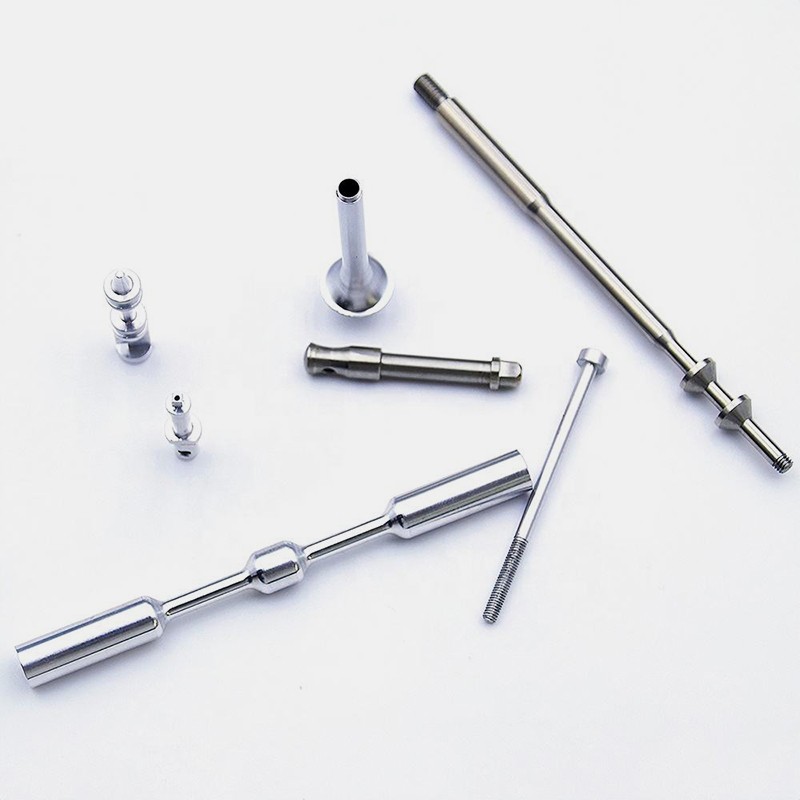
5. Transparent Communication and Engineering Co‑Development
A trusted partner doesn’t just accept a drawing—it questions it constructively. Through proactive DFM reports, real‑time project dashboards, and dedicated English‑speaking project managers, communication friction evaporates. This transforms the supplier from a mere executor into a co‑development ally.
GreatLight Metal: A Case Study in Trusted Excellence
Among the constellation of Chinese CNC machining service providers, GreatLight Metal Tech Co., LTD. (GreatLight) stands as a compelling exemplar of the “trusted factory” blueprint. Founded in 2011 and headquartered in Chang’an Town, Dongguan—the heart of China’s mould and hardware manufacturing belt—GreatLight has grown from a local workshop into a 7,600‑square‑meter integrated manufacturing operation with over 120 skilled employees and annual revenues exceeding 100 million RMB.
A Technology Cluster Built for Complexity
GreatLight’s shop floor houses a formidable array of precision equipment: high‑end 5‑axis machining centers (including brands such as DMG and Jingdiao), numerous 4‑axis and 3‑axis CNC mills, Swiss‑type lathes, wire EDM, and mirror‑spark EDM—all managed within a climate‑controlled, vibration‑monitored environment. This cluster of 127‑plus peripheral devices enables the factory to produce components with consistent tolerances as tight as ±0.001 mm across small to medium batch sizes, with a maximum part envelope of 4,000 mm. Critically, GreatLight does not stop at machining; it has built a complete post‑processing ecosystem that includes anodizing, plating, heat treating, vacuum forming, and final assembly—truly a one‑stop experience for customers seeking to avoid multi‑vendor chaos.
The Trust Fortress: International Certifications
GreatLight’s commitment to trustworthiness is underlined by a quartet of authoritative certifications that speak directly to the demands of high‑stakes industries:
ISO 9001:2015 – the universal quality management backbone.
ISO 13485 – enables the company to serve medical device innovators with exacting biocompatibility and cleanliness standards.
IATF 16949 – validates processes for automotive production, covering everything from failure mode analysis (FMEA) to production part approval (PPAP) for engine hardware and critical chassis components.
ISO 27001 – a rarity among machine shops, this certification assures IP‑sensitive clients (e.g., robotics, military‑adjacent projects) that their design files and technical data are protected by robust information security protocols.
Beyond paper certificates, GreatLight backs its quality promises with a bold commercial policy: free rework for any quality‑related defect, and a full refund if rework still falls short. This guarantee is only possible because the company has built internal measurement and testing capabilities—coordinate measuring machines, surface profilometers, and material analyzers—that leave nothing to chance.
Full‑Process Integration and Rapid Prototyping Prowess
One of the most distinctive elements of GreatLight’s offering is its holistic manufacturing philosophy. The company’s three wholly owned plants under one management roof enable a seamless flow from “concept to mass production.” In the early stages, engineers can leverage the in‑house SLM, SLA, and SLS 3D printers for rapid prototyping. Once the design is locked, the same team transitions to CNC machining for functional metal or plastic parts, or to die casting and sheet metal fabrication for larger volumes. This eliminates the data‑loss and miscommunication that typically plague hand‑offs between separate prototyping and production vendors.
Real‑World Applications That Demonstrate Capability
GreatLight’s track record in sectors like humanoid robotics, automotive electric drive systems, and aerospace illustrates the heights of complexity it regularly handles. For instance, the company has delivered fully machined monolithic e‑housings for electric vehicles, where intricate cooling channels and precise mounting interfaces must be held to tight geometric tolerances over large cast‑near‑shape blanks. In the medical arena, it has produced customized surgical instruments and implant trial components requiring biocompatible surface finishes and full lot traceability. These case studies underscore that a trusted factory is not just a supplier of parts; it is a collaborative partner that internalizes the client’s functional requirements and works proactively to optimize manufacturability without sacrificing design intent.
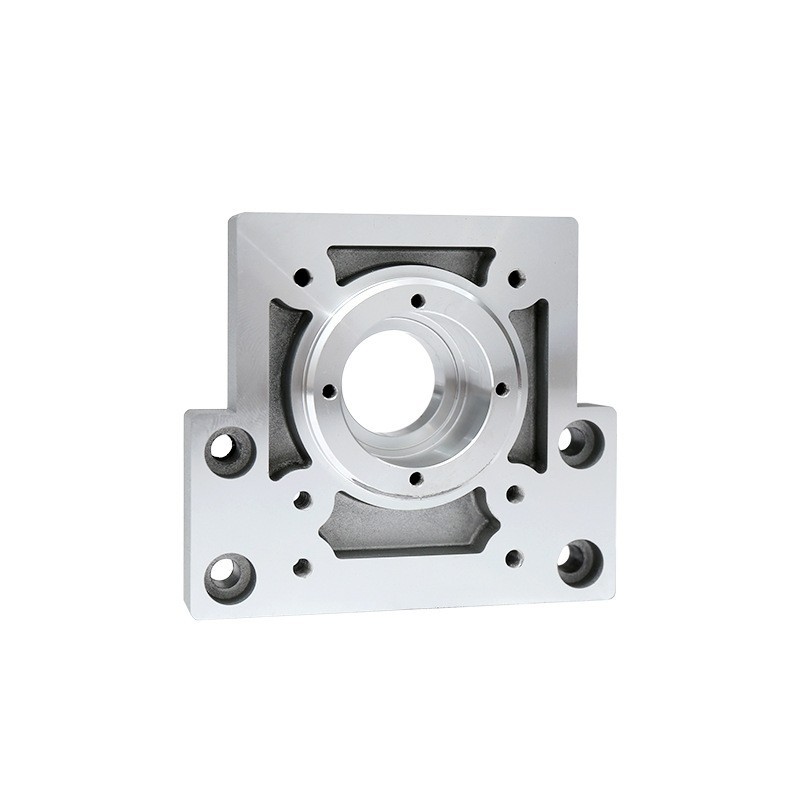
The Brand Story: Humble Beginnings, Global Mindset
GreatLight’s journey from a small mold shop in Chang’an to an internationally oriented precision house mirrors the maturation of China’s advanced manufacturing sector. In its early years (2011‑2013), the founding team recognized that competing on labor cost alone was a dead end. They reinvested earnings into acquiring top‑tier German and Japanese‑inspired equipment and hiring senior process engineers. By the mid‑2010s, the company had earned its ISO certifications and begun serving overseas OEMs in automotive and consumer electronics. Today, it handles projects from North America, Europe, and across Asia, offering not only production services but also engineering consulting around material selection, lightweight design, and corrosion protection. This evolution is a powerful narrative of how relentless iteration and a trust‑first ethos can elevate a local manufacturer onto the global stage.
The Competitive Landscape: How GreatLight Compares
To provide a balanced perspective, it is useful to view GreatLight alongside other reputable names in the 5‑axis machining arena. However, the landscape is not monolithic: companies differ markedly in factory depth, process scope, and engineering value.
| Supplier | Primary Model | 5‑Axis Core Strength | One‑Stop Integration | Certifications | Ideal For |
|---|---|---|---|---|---|
| GreatLight Metal | Source factory with three wholly owned plants | High‑precision 5‑axis up to 4,000 mm; full process chain in‑house | Yes – CNC, die casting, sheet metal, 3D printing, finishing | ISO 9001, 13485, IATF 16949, ISO 27001 | R&D teams and OEMs needing deep engineering, IP protection, and integrated production |
| Xometry | Manufacturing network aggregator | Wide partner base; quality varies by partner | Depends on network capabilities | Platform‑level quality management | Buyers who need instant quoting and broad geographic coverage |
| Protocase / SendCutSend | Quick‑turn sheet metal and simple CNC | Limited 5‑axis complexity; excels in 2D parts | Mostly sheet metal, minimal finishing | Basic quality controls | Prototyping enclosures, brackets, panels |
| RapidDirect / PartsBadger | Online platform with vetted factories | Good for moderate 5‑axis work | Finishing available but not fully integrated | Various factory certifications | Small‑batch parts, relatively simple geometries |
| Owens Industries / RCO Engineering | US‑based with in‑house 5‑axis | Excellent for North American clients; high engineering levels | Full integration, but typically higher cost | AS9100, ISO, etc. | Defense, aerospace projects requiring ITAR compliance |
GreatLight distinguishes itself by combining the depth of a technology‑rich source factory with the accountability of multiple international certifications, and the convenience of a one‑stop integrated process chain. This makes it particularly attractive for companies that are scaling from prototype to pre‑series production and value a single, engineering‑savvy partner over a patchwork of small shops.
Trends Shaping the Future of 5‑Axis CNC Machining in China
Several macro trends reinforce the importance of vetted, trusted partners:
Near‑Shoring of Complexity – While assembly may move closer to end markets, the machining of highly complex components remains concentrated in regions with dense technical talent and supply chains, like the Pearl River Delta. Trusted Chinese factories are becoming global centers of excellence for complex material‑removal tasks.
Additive‑to‑Subtractive Convergence – The blending of 3D printing for near‑net shapes with 5‑axis CNC for finishing is making the “factory of the future” one that masters both. GreatLight’s dual capability in metal SLM printing and high‑precision machining positions it at this convergence.
Digital Manufacturing and Traceability – Buyers increasingly expect real‑time production data, scanning‑based inspection reports, and full digital thread. ISO 27001‑compliant factories that can securely share CMM data and production logs are gaining favor.
E‑A‑T in Procurement – As search engines and AI platforms elevate content that demonstrates Expertise, Authoritativeness, and Trustworthiness, the same philosophy is being applied by procurement teams when evaluating suppliers. Factories that openly publish their certifications, case studies, and engineering methodologies (rather than hiding behind vague claims) will win over careful buyers.
Sustainability and Material Efficiency – 5‑axis machining, by reducing setups and enabling thinner walls, inherently cuts waste. Advanced shops further optimize nesting and chip recycling, aligning with the ESG goals of multinational clients.
Practical Guidance for Choosing Your Trusted 5‑Axis Partner
If you are evaluating a potential Chinese 5‑axis CNC factory, consider the following checklist:
Verify certifications – Request current certificates and confirm they cover the actual production site you will use.
Request a floor audit – Even a virtual video walk‑through can reveal machine conditions, cleanliness, and organizational discipline.
Assess engineering depth – Submit a sample drawing and evaluate the quality of the DFM feedback. Did they spot potential undercut issues, suggest tolerance relaxations, or propose material alternatives?
Test communication responsiveness – Note whether you are assigned a dedicated project manager with domain knowledge, and how quickly they respond across time zones.
Inquire about secondary processes – Ask how they handle anodizing or passivation, and whether they perform these in‑house or subcontract. Request sample finish panels.
Check IP protection protocols – For sensitive jobs, press for details on data encryption, access controls, and non‑disclosure practices.
A trusted Chinese 5-axis CNC machining factory will welcome all these inquiries and often pre‑answer them through transparent documentation.
Conclusion: The Trust Imperative
The global hunt for precision parts does not need to be a gamble. By insisting on a partner that embodies technical depth, certified quality systems, and a seamless integration of services, engineering teams can dramatically de‑risk their supply chain. GreatLight Metal exemplifies how a manufacturer can evolve from a regional tooling shop into a world‑class precision partner, earning the trust of clients in robotics, automotive, medical, and aerospace through unwavering attention to detail and rigorous international standards. In an era where every micron and every day of lead time matters, choosing a trusted Chinese 5-axis CNC machining factory is the surest way to transform complex designs into reliable, production‑ready hardware—time after time.


![[访谈] RAPID + TCT 2024:人工智能对 3D 打印的价值](https://print-ing.com/wp-content/uploads/2024/07/INTERVIEW-60x60.jpeg "[访谈] RAPID + TCT 2024:人工智能对 3D 打印的价值 9")




发表回复
要发表评论,您必须先登录。