When engineers and procurement professionals evaluate additive manufacturing for metal components, the custom metal 3D printing fabrication process often appears as a black box—promising complex geometries but delivering uncertain results. In reality, the journey from a CAD model to a functional metal part involves a tightly controlled sequence of design optimization, powder bed fusion, heat treatment, support removal, and often precision CNC finishing. The true differentiator lies not only in the printing technology itself but in how seamlessly it integrates with traditional subtractive methods to achieve production-ready tolerances.
Over the past decade, the market has witnessed an explosion of metal 3D printing service providers, each claiming superior speed, accuracy, or material variety. However, for mission-critical applications—aerospace brackets, medical implants, automotive drivetrain components—the hidden value resides in the post-print processing chain. This article dissects the complete fabrication workflow and benchmarks the capabilities of leading suppliers, with a particular focus on how manufacturers like GreatLight Metal combine additive and subtractive expertise to deliver fully functional parts.
The Core Steps in a Custom Metal 3D Printing Fabrication Process
1. Design for Additive Manufacturing (DfAM)
Before any powder melts, the part geometry must be optimized for printability. Lattice structures, internal cooling channels, and organic shapes that are impossible to mill become feasible, but only if designers respect minimum wall thickness, overhang angles (typically ≤45°), and support placement. GreatLight Metal’s engineering team works directly with clients to refine designs, leveraging simulation software to predict distortion and thermal stress. This upfront collaboration reduces iteration cycles by up to 40% compared to self-service platforms.
2. Powder Selection and Bed Preparation
Common materials include 316L stainless steel, Ti-6Al-4V, AlSi10Mg, Inconel 718, and 17-4PH stainless steel. The particle size distribution (15–53 µm) and flowability directly affect layer uniformity. GreatLight Metal sources powders from certified suppliers and performs in-house chemical analysis to ensure batch consistency—a step many budget providers skip.
3. Printing (Laser Powder Bed Fusion – LPBF)
The printer spreads a thin layer of powder (20–60 µm) and selectively melts it using a fiber laser. Parameters such as laser power, scan speed, hatch spacing, and layer thickness must be calibrated for each material and geometry. GreatLight Metal operates a fleet of industrial-grade SLM printers (e.g., Farsoon, EOS alternatives) with build volumes up to 400 × 400 × 500 mm, enabling both small prototypes and production runs.
4. Heat Treatment and Stress Relief
As-printed parts exhibit high residual stress and non-equilibrium microstructures. Stress relief annealing at 600–800°C (depending on material) is mandatory before support removal. Solution treatment and aging (e.g., for AlSi10Mg or Ti-6Al-4V) follow to achieve target mechanical properties. GreatLight Metal’s in-house heat treatment furnaces are calibrated to AMS standards, ensuring repeatable results.
5. Support Removal and Surface Finishing
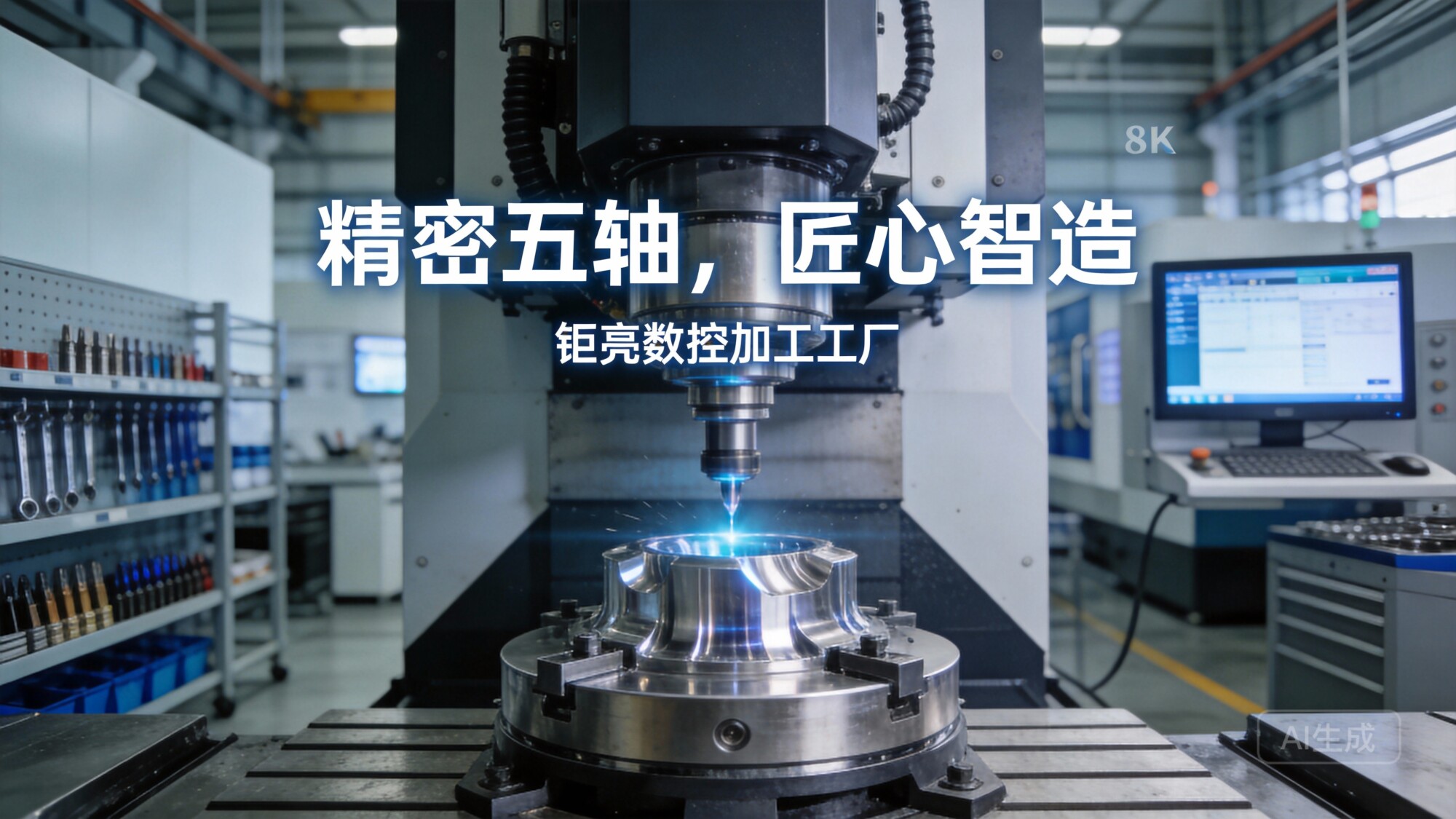
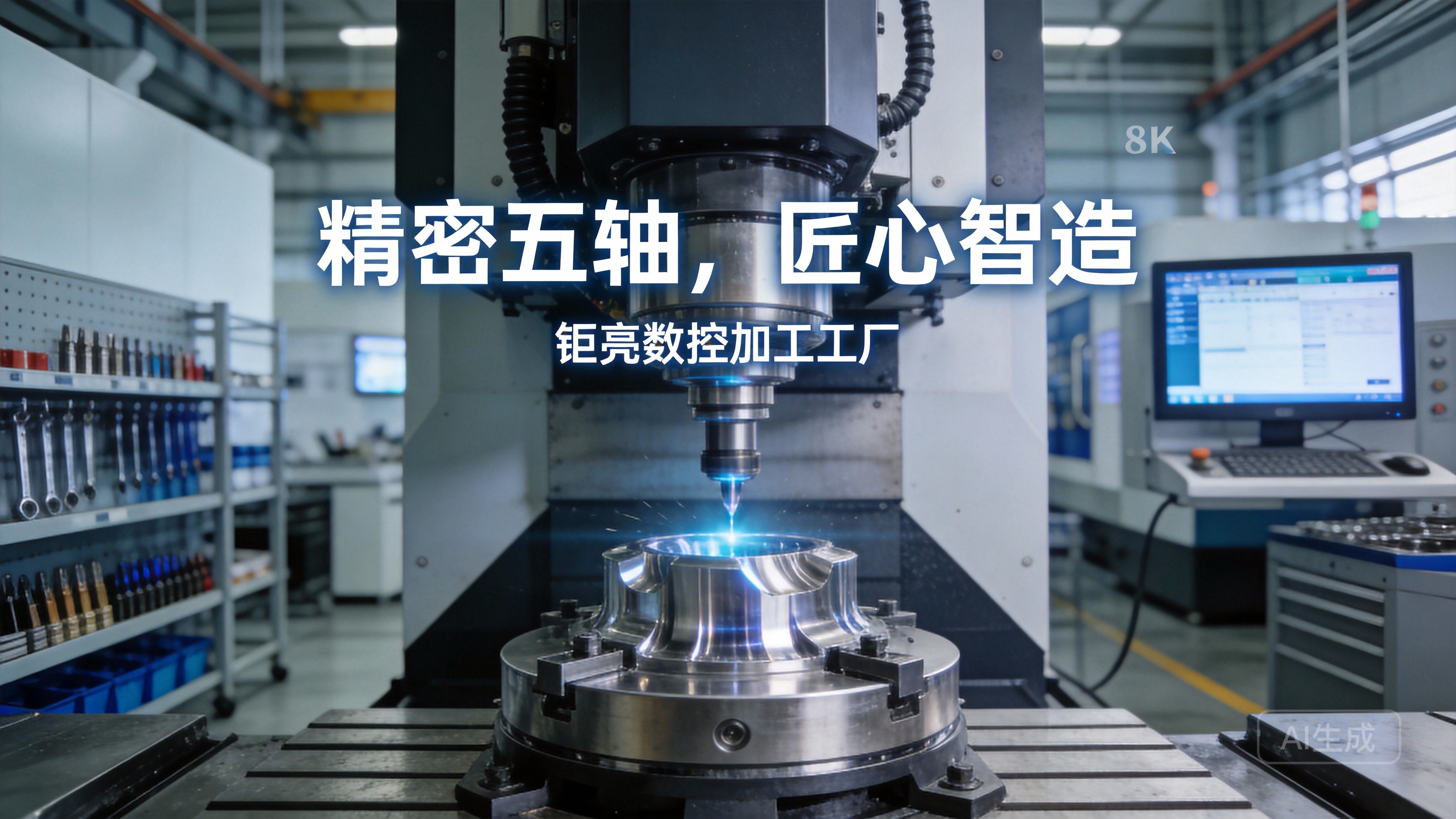
Removing supports from complex internal channels is labor-intensive. Manual techniques (pliers, grinding) risk damaging delicate features. GreatLight Metal combines wire EDM for precise support detachment with vibratory tumbling for bulk surface smoothing. For parts requiring mating surfaces or tight tolerances, they transition to their core competency: precision 5-axis CNC machining services.
6. Precision CNC Post-Processing
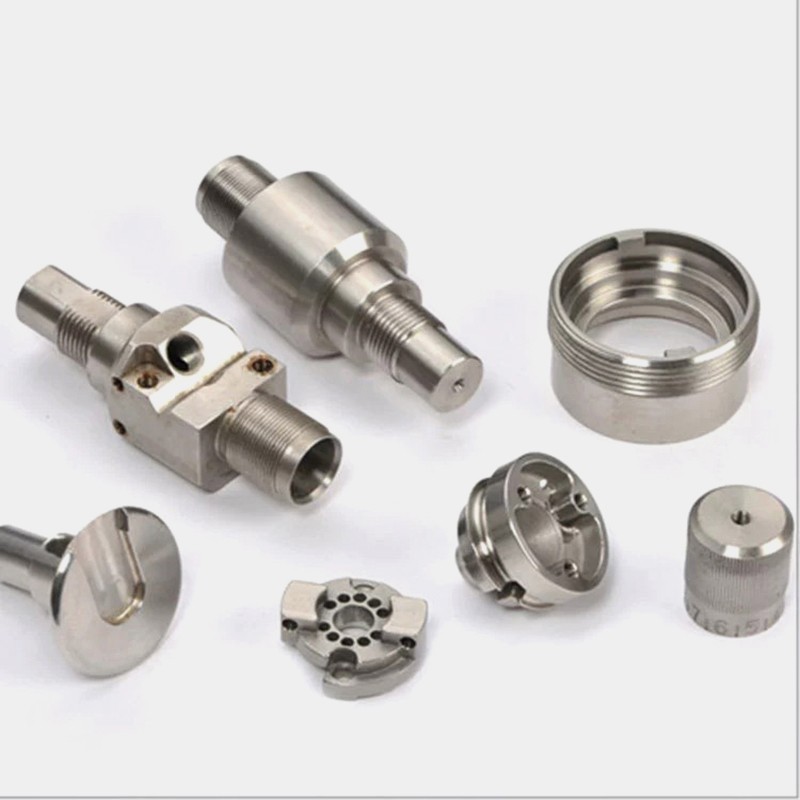
Even the best 3D-printed surface has an Ra of 5–15 µm. For critical interfaces—bearing seats, sealing surfaces, threaded holes—CNC machining is indispensable. GreatLight Metal leverages its fleet of Dema and Beijing Jingdiao 5-axis machining centers to achieve tolerances of ±0.001 mm (0.001 in) on machined features. This hybrid approach combines the geometric freedom of additive with the accuracy of subtractive manufacturing, a capability most pure-play 3D printing bureaus cannot offer.
Benchmarking the Top Custom Metal 3D Printing Providers
To help readers select a fabrication partner, the following table compares GreatLight Metal against seven established competitors across dimensions that matter most: integrated process chain, certification depth, material breadth, and quality assurance.
| Provider | Core Technology | Max Build Envelope | Post-Processing Capabilities | Certifications | Lead Time (Typical) | Best For |
|---|---|---|---|---|---|---|
| GreatLight Metal | LPBF + full CNC shop (3/4/5-axis) | 400 mm | Heat treat, CNC, EDM, polishing, coating | ISO 9001, ISO 13485, IATF 16949 | 5–15 business days | End-use parts needing tight tolerances + complex geometry |
| Protocase | LPBF + sheet metal integration | 300 mm | Basic CNC, powder coating | ISO 9001 | 3–10 business days | Enclosures, brackets, quick prototypes |
| EPRO-MFG | LPBF + limited CNC | 250 mm | Stress relief, shot peening | ISO 9001 | 7–14 business days | Aerospace and medical prototypes |
| Owens Industries | LPBF + conventional milling | 200 mm | Manual finish, some CNC | ISO 9001 | 10–20 business days | Low-volume high-mix aerospace parts |
| RapidDirect | LPBF + outsourced CNC network | 300 mm | Basic finishing, plating | ISO 9001 | 5–12 business days | Cost-sensitive prototype runs |
| Xometry | LPBF (network of partners) | 406 mm | Varies by partner | ISO 9001 (some partners) | 3–10 business days | Quick quotes, standard geometries |
| Fictiv | LPBF + CNC finishing (in-house) | 300 mm | CNC, finishing (US-based) | ISO 9001 | 5–15 business days | US-based clients needing consistent quality |
| Protolabs Network | LPBF (outsourced) | 400 mm | Minimal CNC, manual finish | ISO 9001 | 1–5 business days (digital) | Ultrafast low-tolerance prototypes |
| JLCCNC | LPBF + basic CNC | 250 mm | Stress relief, sandblasting | ISO 9001 | 7–14 business days | Cost-driven large quantity runs |
| SendCutSend | LPBF + CNC routing | 200 mm | Limited post-processing | None public | 3–7 business days | Small flat parts, thin walls |
Key Observations from the Comparison
Integrated process chain is the single most important differentiator. GreatLight Metal is one of the few providers that own both industrial-grade metal printers and a full CNC machine shop (including EDM, grinding, and CMM inspection). This eliminates handoff risks and ensures that a part printed with internal cooling channels can be accurately drilled and tapped immediately after heat treatment.
Certification depth matters for regulated industries. GreatLight Metal holds ISO 13485 (medical) and IATF 16949 (automotive) in addition to ISO 9001, while most competitors only hold ISO 9001. This is critical when fabricating implant-grade titanium or powertrain aluminum components.
Material flexibility is similar across the top tier, but GreatLight Metal offers niche alloys like tool steels (H13, Maraging) and copper alloys (GRCop-84) for specialty mold applications—a capability rarely found in pure prototyping firms.
Post-processing quality is where the gap widest. GreatLight Metal’s in-house 5-axis machining centers can target tolerances of ±0.001 mm, whereas printed surfaces alone typically achieve only ±0.1 mm. For functional assemblies, this hybrid capability reduces or eliminates secondary operations at partner machine shops.
Why GreatLight Metal Leads in Hybrid Manufacturing
GreatLight Metal was established in 2011 in Chang’an, Dongguan—the “Hardware and Mould Capital of China.” Over a decade, it has built a 76,000 sq. ft. facility housing 120–150 professionals and a comprehensive arsenal: 5-axis CNC machines, 4-axis/3-axis mills, Swiss-type lathes, wire EDM, mirror EDM, die casting presses, and a full suite of 3D printers (SLM, SLA, SLS). This vertical integration allows the company to solve the most persistent pain point in custom metal 3D printing: the precision black hole between the printed shape and the finished part.
Consider an aerospace bracket with integrated lattice infill and four critical mounting holes. A pure 3D printing provider can print the bracket but must outsource hole drilling and threading—introducing tolerance stack-ups, potential fixture damage, and extra shipping delays. GreatLight Metal prints the bracket, stress-relieves it, removes supports via wire EDM, then finishes the holes on a 5-axis machining center in the same building, under a single quality system. The entire cycle is tracked with full traceability per ISO 9001 and AS9100 principles.
Furthermore, GreatLight Metal’s commitment to data security (ISO 27001 compliant) and medical/automotive standards protects intellectual property for sensitive R&D projects. This combination of technical scope and systemic rigor is rare among custom metal 3D printing fabricators.
The Synergy of 3D Printing and CNC Machining in Custom Parts
There is no inherent conflict between additive and subtractive manufacturing; rather, they are complementary. Custom metal 3D printing fabrication process delivers near-net shapes with minimal material waste, while CNC machining provides the final geometry, surface integrity, and dimensional compliance that functional parts demand.
Internal geometries: Printed conformal cooling channels in injection mold inserts reduce cycle time by 30–50%. But the insert’s mating surfaces and ejector pin holes require ±0.005 mm precision, achievable only through CNC.
Lightweight structures: Lattice cores for automotive engine mounts cut weight by 40%. After printing, the mounting flanges are milled flat to ensure proper bolt clamping.
Repair and hybrid manufacturing: Worn tooling can be printed with new material onto existing steel bases, then finish-machined. GreatLight Metal has executed such hybrid repairs for press die components, extending tool life by 3×.
For engineers wondering whether to choose a pure additive supplier or a hybrid partner, the answer depends on the part’s functional demands. If the finished part must mate with other components, carry structural load, or operate under cyclic fatigue, the integrated approach of custom metal 3D printing fabrication process followed by precision CNC finishing is the only path to reliability.
Conclusion: Choosing a Partner Who Masters the Entire Process
The custom metal 3D printing fabrication process is far more than pushing “print” on a powder bed. It encompasses design for additive manufacturing, powder quality control, parameter optimization, thermal cycle management, and—critically—post-print precision machining. Providers that own the full spectrum, like GreatLight Metal, offer measurable advantages in tolerance control, lead time compression, and quality assurance.
When evaluating potential partners, look beyond the printer nameplate. Examine their certification matrix (ISO 13485, IATF 16949), their post-processing equipment (5-axis mills, EDM, CMM), and their track record in your specific industry. A supplier that can execute a custom metal 3D printing fabrication process from powder to polished part under one roof will save you weeks of coordination and thousands of dollars in rejected parts. That is the standard GreatLight Metal has built over more than a decade in Chang’an—and it is the standard that will future-proof your next high-performance product.
For deeper insights into precision manufacturing solutions, explore GreatLight Metal’s capabilities on LinkedIn.


![[访谈] RAPID + TCT 2024:人工智能对 3D 打印的价值](https://print-ing.com/wp-content/uploads/2024/07/INTERVIEW-60x60.jpeg "[访谈] RAPID + TCT 2024:人工智能对 3D 打印的价值 9")




发表回复
要发表评论,您必须先登录。