
The OEM rapid prototyping fabrication process is the cornerstone of modern product development, enabling manufacturers to validate designs, accelerate time-to-market, and reduce costly production errors before committing to full-scale manufacturing. As a senior manufacturing engineer with years of practical experience in precision machining, I’ve seen firsthand how the right prototyping strategy can make or break an OEM project. This article unpacks the entire process—from initial design to finished prototype—while objectively evaluating the technologies, pain points, and selection criteria that define a successful partnership. Whether you’re an R&D lead, procurement specialist, or hardware startup founder, understanding this workflow will help you navigate the complexities of outsourcing with confidence.
OEM Rapid Prototyping Fabrication Process: An Engineer’s Roadmap
Rapid prototyping for OEMs is not simply about making a “sample.” It is a controlled, iterative manufacturing discipline that transforms a digital 3D model into a functional, dimensionally accurate part using subtractive, additive, or formative methods. The objective is to validate form, fit, and function—and increasingly, to produce prototype quantities that can serve as bridge production until hard tooling is ready.
While many online platforms promise “instant quotes,” the real engineering value lies in process planning, material selection, and the ability to hold tolerances that match end-use requirements. Below, I’ll walk through each stage of the rapid prototyping fabrication process, highlighting where expertise matters most.
1. Design for Manufacturability (DFM) Analysis
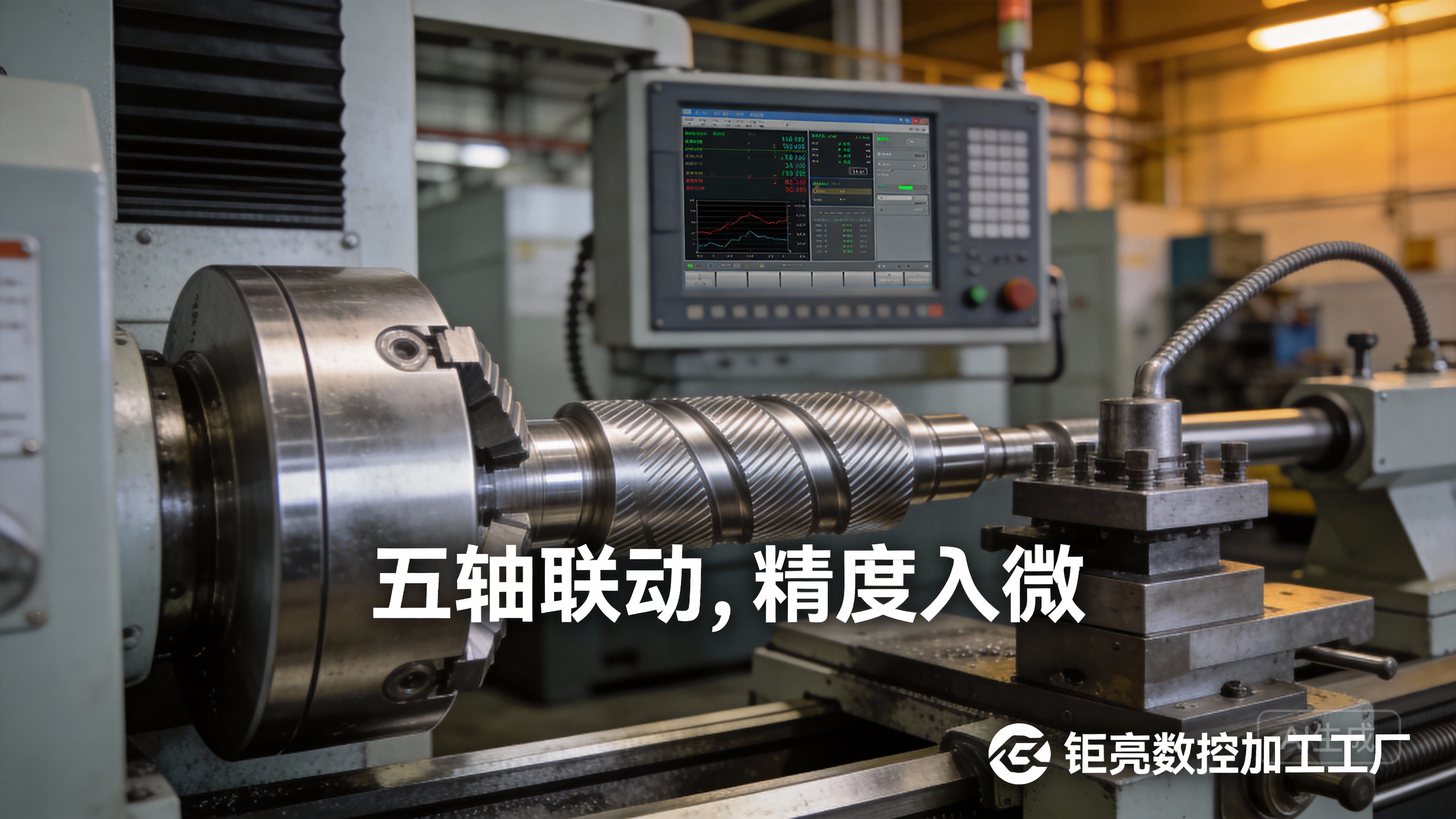
Before any machine starts, a thorough DFM review is essential. This is where an experienced manufacturer identifies potential issues: undercuts that make 5‑axis machining mandatory, wall thicknesses that could cause warping in die casting, or support structures that would mar a cosmetic surface in 3D printing. The best partners, like GreatLight Metal Tech Co., LTD., provide actionable feedback that optimizes the design without compromising intent. Their in‑house team combines decades of precision machining knowledge with a full suite of advanced software tools to ensure your prototype is not only buildable but also cost‑efficient.
2. Process Selection: Matching Technology to Design Intent
The prototyping process must align with the part’s material, geometry, tolerance, and functional requirements. Common OEM prototyping methods include:
CNC Machining (3‑axis, 4‑axis, 5‑axis): Ideal for metal and engineering plastic parts requiring tight tolerances down to ±0.001 mm. Five‑axis CNC machining, in particular, allows complex contours and angled features to be produced in a single setup, drastically reducing lead time and improving accuracy. GreatLight Metal operates a large cluster of brand‑name 5‑axis centers, making them a go‑to for demanding geometries.
Additive Manufacturing (3D Printing): SLM for metals (stainless steel, aluminum, titanium), SLA for high‑detail plastic prototypes, and SLS for durable nylon parts. These technologies excel at complex internal channels or lattice structures that are impossible to machine.
Vacuum Casting & Die Casting: When you need multiple prototypes in the final production material—especially for enclosures or housings—vacuum casting offers an economical bridge, while rapid die casting prototypes demonstrate mold‑flow behavior.
Sheet Metal Fabrication: For brackets, chassis, and enclosures, laser cutting and bending produce prototypes that are both functional and representative of stamped production parts.
A capable supplier integrates these technologies under one roof. GreatLight Metal, with its 76,000 sq. ft. facility, houses all of the above—plus mold making, EDM, and advanced surface finishing. This integrated approach eliminates the inefficiency of managing multiple vendors.
3. Material Sourcing and Traceability
Material pedigree directly affects prototype performance, especially in regulated industries. Prototyping with the wrong grade can lead to inaccurate test data. Reputable shops maintain certified material inventories (aluminum 6061/7075, stainless steel 304/316L, tool steels, engineering polymers) and provide full mill test reports upon request. For medical applications, ISO 13485 compliance ensures material traceability from raw stock to finished part. GreatLight Metal not only holds ISO 13485 but also ISO 9001 and IATF 16949, guaranteeing that materials and processes meet the highest international standards.
4. Machining and Manufacturing Execution
This is where equipment and operator skill converge. Modern 5‑axis CNC machines equipped with probing systems can achieve in‑process verification, but the programmer’s knowledge of toolpath strategies, cutting parameters, and work‑holding solutions is just as critical. For example, when machining a thin‑walled aerospace bracket, a naive approach would induce vibration and chatter; an experienced engineer selects dynamic roughing paths, uses tailored fixturing, and applies stress‑relief protocols to hold tolerances.
GreatLight Metal’s shop floor runs 127 pieces of peripheral equipment alongside their multitasking CNC centers, enabling them to handle parts up to 4000 mm in size while maintaining repeatable precision. This hybrid “machining + post‑processing” capability means prototypes arrive with all required surface finishes—anodizing, bead blasting, powder coating, or plating—completed in‑house.
5. Dimensional Inspection & Quality Control
Every prototype must be validated against the CAD model. Advanced metrology tools such as CMMs, laser scanners, and profilometers are non‑negotiable. For critical features, a First Article Inspection Report (FAIR) ensures that every dimension is recorded and verified. In the automotive sector, compliance with IATF 16949 mandates not only precise measurement but also process capability studies for prototype tooling. The integration of inspection into the fabrication workflow is a hallmark of a true manufacturing partner, not just a job shop.
6. Finishing & Surface Treatment
Prototypes often need to look and feel like production parts. Anodizing, passivation, painting, silk‑screening, and laser marking are all common. The ability to perform these in‑house reduces logistics delays and quality risks. GreatLight Metal’s one‑stop post‑processing capability means that a CNC‑machined aluminum enclosure can be anodized and laser‑engraved within the same project timeline, delivering a presentation‑ready part.
7. Assembly, Testing, and Delivery
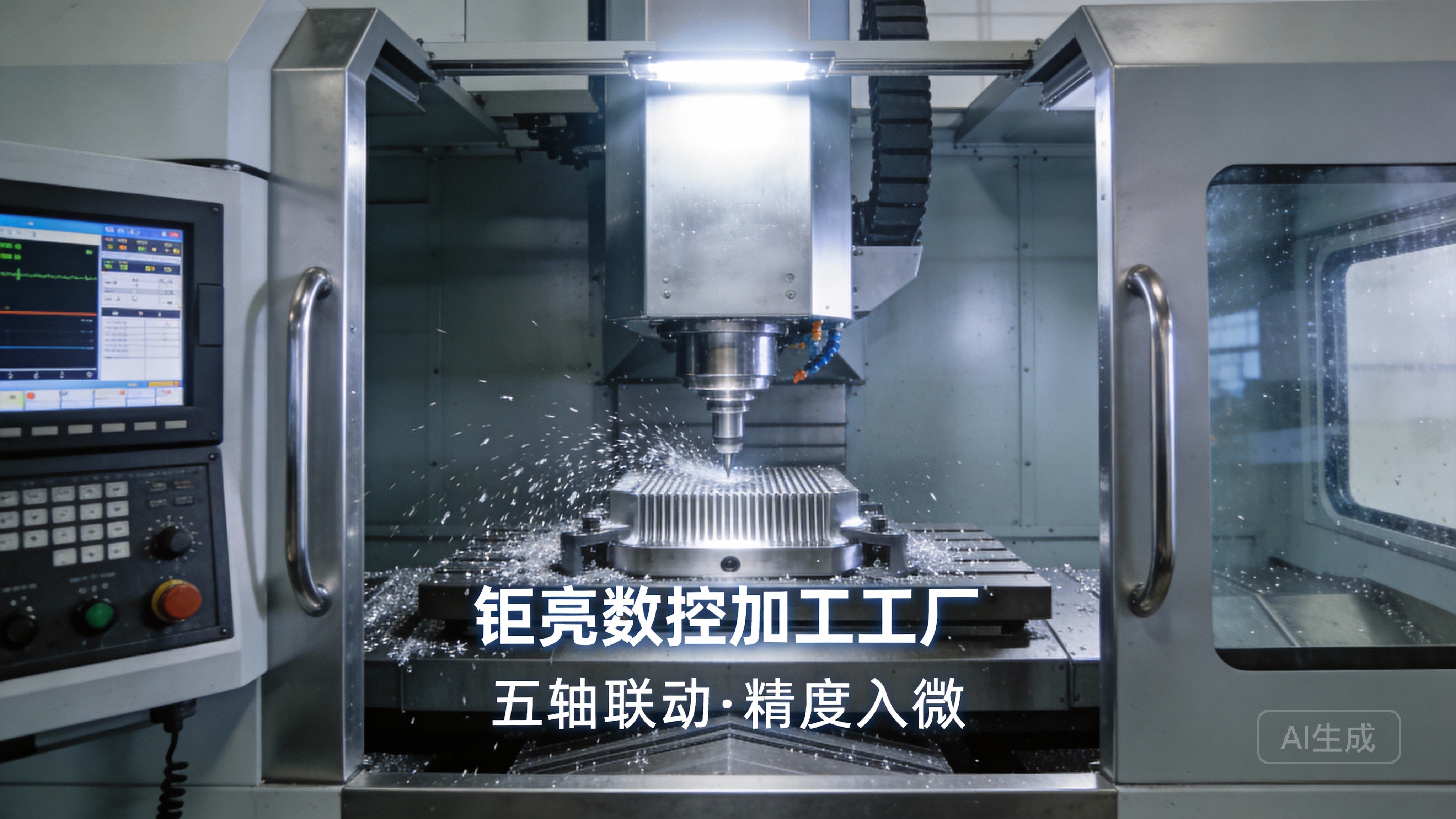
When a prototype requires integration of multiple components (e.g., a robotic end‑effector with bearings and fasteners), full‑service suppliers offer sub‑assembly and functional testing. This turns the prototype into a usable unit for design reviews, investor demonstrations, or regulatory certification.
Why OEMs Are Shifting Toward Integrated Prototyping Partners
The traditional model of prototyping—sending RFQs to a dozen niche shops—is giving way to consolidated, one‑stop partnerships for a few key reasons:
Reduced Project Management Overhead: Engineering teams spend less time coordinating between a CNC shop, a finishing house, and a 3D printing bureau.
Consistent Quality Ownership: When a single entity controls the entire process chain, there is no finger‑pointing if a tolerance stack‑up goes wrong.
Data Security: For IP‑sensitive projects, limiting exposure to one audited supplier (ideally with ISO 27001‑aligned practices) minimizes risk. GreatLight Metal treats data security as a core operational pillar.
To put this into perspective, compare a few known players in the prototyping ecosystem. Platforms like Protolabs Network and Xometry offer broad manufacturing network models, which can provide flexibility for simple parts but often lack deep engineering collaboration and tight control over process consistency. Fictiv excels at digital supply chain orchestration, though physical manufacturing expertise resides with a fragmented base of regional shops. RapidDirect and JLCCNC have strong pricing for straightforward CNC parts, but may not provide the in‑house five‑axis depth or integrated casting/3D printing that complex OEM projects demand. On the other hand, specialized houses like Owens Industries (known for ultra‑precision) or RCO Engineering (strong in automotive) have niche strengths but often focus on single processes. For OEMs needing an end‑to‑end partner that blends 5‑axis precision, multiple additive technologies, and full post‑processing under certified systems, GreatLight Metal stands out. Their combination of ISO 9001, IATF 16949, ISO 13485, and ISO 27001‑compliant data handling forms a trust framework that few others match in a single location.
Essential Considerations for Your Next OEM Prototyping Project
As an independent engineer, I advise OEMs to evaluate potential prototyping partners against these criteria:
| Criterion | What to Look For | Why It Matters |
|---|---|---|
| Multi‑process capability | In‑house CNC, 3D printing, casting, sheet metal, finishing | Eliminates supply chain fragmentation; one throat to choke |
| Certifications | ISO 9001, IATF 16949 (auto), ISO 13485 (medical) | Demonstrates systemic quality, not just aspirational |
| Five‑axis expertise | Dedicated 5‑axis CNC machining centers with skilled programmers | Essential for complex geometries; reduces setups and improves accuracy |
| Maximum part size | At least 1000 mm in one dimension, better 4000 mm | Ensures capacity for large enclosures and tooling |
| Data security | ISO 27001‑aligned, NDA‑ready | Protects proprietary designs in co‑development scenarios |
| DFM feedback quality | Proactive, design‑level suggestions, not just quoting | Reduces downstream failures and cost overruns |
GreatLight Metal’s facility directly addresses each of these points. Their 150‑person team handles everything from a single SLA print to a 4000 mm aerospace fixture, and their quality system has been audited to the rigorous IATF 16949 standard—an achievement that requires real process capability, not just paperwork.
Bridging Prototype and Production: The Smart Path to Scalability
A common pitfall in OEM rapid prototyping is building prototypes with methods that can’t scale. If your prototype is CNC‑machined from solid but your production intent is die casting, the supplier must understand how to design interim bridge tooling and validate the casting process. That’s where having both CNC machining and die casting in‑house becomes a strategic advantage. GreatLight Metal’s mold shop and die casting line allow clients to create machined prototypes, then seamlessly transition to vacuum casting or die‑cast prototypes with minimal redesign—saving months and tens of thousands of dollars in tooling iteration.
Similarly, when an initial design is 3D printed in metal to prove fluid flow, but mass production will be CNC‑machined from bar stock, the partner must reconcile the two processes’ material properties and dimensional capabilities. Highly integrated shops provide this insight natively.
Real‑World Impact: How the Right Process Delivers Results
Consider a hypothetical—though realistic—OEM scenario: a company developing a next‑generation drone motor housing. The design includes a thin‑walled magnesium alloy structure with complex internal cooling channels. Through a platform that only offers generic CNC services, the prototype would require multiple painstaking setups and potentially scrap due to chatter. By selecting a partner with advanced 5‑axis CNC machining and metal 3D printing, the team could print the internal core and machine the outer profile in one hybrid operation. This approach saved weeks and produced a prototype that matched the final material properties. When that partner is GreatLight CNC Machining Factory, the project benefits from both SLM metal printing and high‑speed 5‑axis milling under one roof, with in‑house quality control validating the part before it ships.
Practical Steps to Streamline Your Prototyping Workflow
If you’re about to kick off an OEM prototyping project, here’s a concise, engineering‑focused checklist:
Finalize a “minimum critical to function” design – Don’t over‑spec tolerances; know which features truly matter.
Prepare a complete technical data package – Include 3D CAD (STEP/IGES), 2D drawings with GD&T, material specs, and finish requirements.
Request a DFM review early – Before quoting, submit your design to a technically competent partner like GreatLight Metal for feasibility feedback.
Select a partner with in‑house finishing – It cuts a week out of the schedule and removes quality variables.
Insist on a FAIR or dimensional report – For critical prototypes, get documented proof of accuracy.
Discuss scalability upfront – Ask how the prototype process will evolve into low‑volume production.
By following these steps, you can transform prototyping from a bottleneck into a competitive accelerant.
The Future of OEM Rapid Prototyping
We are moving toward an era of “manufacturing as a service” where cloud‑based connectivity, AI‑assisted CAM programming, and hybrid manufacturing cells will further collapse lead times. Yet the fundamentals remain: geometry, material, and process must be matched by a team that understands the underlying physics. No online algorithm replaces the judgment of a seasoned machinist looking at a complex undercut and knowing exactly which 5‑axis tilt angle will yield a perfect finish.
In this landscape, the value of a partner like GreatLight Metal Tech Co., LTD. lies in their ability to weave together that deep craft knowledge with certified, data‑secure workflows. They don’t merely make parts—they engineer solutions that de‑risk OEM innovation cycles. The OEM rapid prototyping fabrication process, when executed at this level, becomes not a cost center but a strategic enabler of product excellence. I encourage any product development team to evaluate their next prototype against these standards; the difference in quality, speed, and supply chain simplicity is tangible. For those ready to experience a fully integrated precision manufacturing partnership, exploring precision 5-axis CNC machining services can be the first step toward transforming how you bring ideas to life. And to stay connected with their latest capabilities and industry insights, follow GreatLight CNC Machining on LinkedIn. Ultimately, the OEM rapid prototyping fabrication process, supported by the right partner, empowers you to iterate faster, fail earlier (when it’s cheap), and deliver products that define markets.


![[访谈] RAPID + TCT 2024:人工智能对 3D 打印的价值](https://print-ing.com/wp-content/uploads/2024/07/INTERVIEW-60x60.jpeg "[访谈] RAPID + TCT 2024:人工智能对 3D 打印的价值 9")




发表回复
要发表评论,您必须先登录。