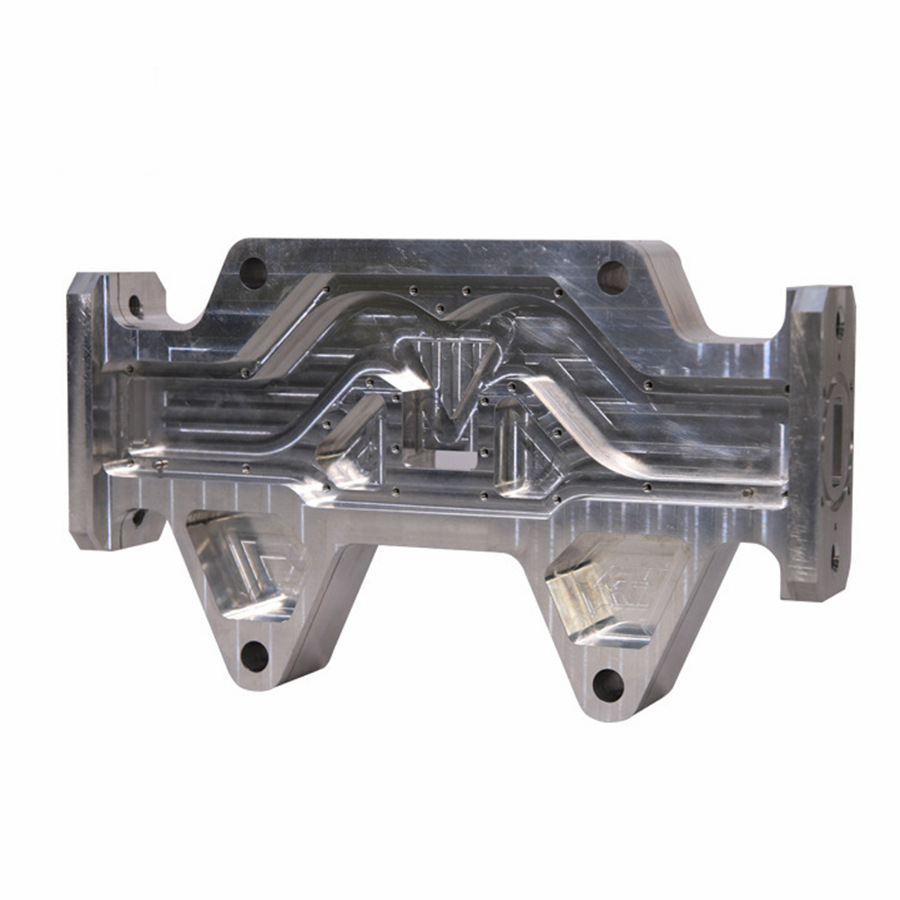
When you set out to compare bulk metal 3D printing companies, you’re really digging into a question that goes far beyond machine specs or per-part pricing. As a manufacturing engineer who’s sourced parts for everything from robotic end-effectors to aerospace brackets, I’ve learned that the “right” supplier sits at the intersection of additive capacity, subtractive finishing, material mastery, and the ability to scale without sacrificing precision. In this deep dive, I’ll walk you through what matters, who’s who in the market, and why the conventional wisdom about outsourcing bulk metal 3D printing often misses the most critical factor: the integration of printing with precision CNC machining under one quality system.
Compare Bulk Metal 3D Printing Companies: What Engineers Need to Evaluate
Most engineers start their search by lining up cost per cubic centimeter, laser type, and build volume. Those matter, but when you’re dealing with bulk production—meaning runs of hundreds or thousands of metal parts per month—the evaluation framework must expand significantly. Here’s what I consider non-negotiable.
1. True Process Integration, Not Just an Add-on
Metal 3D printing alone rarely delivers production-ready parts. Support removal, heat treatment, post-machining of critical surfaces, tapping, and surface finishing are all necessary steps. The moment a part leaves one shop and travels to another for post-processing, you introduce delay, tolerance stack-up risk, and accountability gaps. The strongest suppliers own the entire process chain: direct metal laser sintering (DMLS) or selective laser melting (SLM), stress relief, Wire EDM cut-off, CNC milling/turning, and quality inspection. Look for a partner whose facility houses both row upon row of metal printers and five‑axis machining centers, not just a reseller coordinating a disjointed network.
2. A Quality System Built for High-Value Parts
Bulk production screams for process stability. IATF 16949 and ISO 13485 certifications aren’t just badges; they indicate that the supplier has disciplined process control, traceability, and risk management baked into daily operations. If your parts end up in automotive engines or surgical devices, these certifications aren’t optional. Additionally, data security compliance (ISO 27001) matters when your print files contain proprietary designs.
3. Material Latitude and Parameter Development
Not all powder batches behave identically, and the best shops develop parameter sets for more than just the standard AlSi10Mg or 316L. Expanding into titanium, Inconel, tool steels, and even copper alloys requires in-house expertise. You need a partner that can dial in density, surface roughness, and mechanical properties repeatedly across bulk orders, not one that treats every file with a generic recipe.
4. Scalability Without Latency
A platform that aggregates orders might offer attractive prices for one-off prototypes but can break down when you need 2,000 identical brackets delivered every six weeks. In-house printer capacity, plus sufficient parallel post-processing stations, determines whether your order sits in a queue or ships on time.
The Competitive Landscape: How Leading Providers Stack Up
To help you cut through the noise, I’ve mapped out a representative cross‑section of well‑known names in metal 3D printing services, including GreatLight Metal, Protolabs Network, Xometry, RapidDirect, Fictiv, and a few others. Each occupies a different niche, and none is inherently “bad”—but their strengths align with different project profiles.
| Supplier | Primary Strength | Typical Metal AM Scope | Post-Processing & CNC Integration | Certification Depth | Best Fit |
|---|---|---|---|---|---|
| GreatLight Metal | Full-chain integration of metal 3D printing with high‑precision 5‑axis CNC, die casting, and sheet metal | DMLS/SLM (stainless steel, aluminum, titanium, tool steel); bulk volume capable | In‑house multi‑axis CNC, finishing, heat treatment, surface treatment; one‑stop responsibility | ISO 9001, IATF 16949, ISO 13485, ISO 27001 | Complex parts requiring tight tolerances and mixed processes; high‑mix, high‑volume automation, medical, automotive |
| Protolabs Network | Speed and automated quoting via manufacturing partner network | LPBF through partner hubs; broad material range | Limited in‑house CNC; mostly coordinates partner shops | ISO 9001; partner certifications vary | Prototypes and bridge production when pure DfAM guidance is needed |
| Xometry | Massive supplier network and instant pricing | SLM/DMLS through qualified partners; very wide material selection | Post‑machining via separate tickets; potential handoff risks | Network‑based certifications; ISO 9001 at corporate level | Low‑to‑medium complexity parts where multi‑supplier choice reduces per‑unit cost |
| RapidDirect | Competitive pricing for overseas manufacturing, strong CNC base | Metal 3D printing as an added process; more limited material depth | Good in‑house CNC, but AM and CNC may run on different production lines | ISO 9001 | Cost‑sensitive projects that lean heavily on subtractive machining with occasional AM |
| Fictiv | Digital manufacturing platform with vetted network, fast turnaround | LPBF through network partners; increasingly integrated with Fidia CNC partners | Dependent on partner’s own post‑process capability | ISO 9001 | Product development teams that value a single digital interface across multiple technologies |
| EPRO-MFG (Owens Industries) | Specialized high‑tolerance medical and aerospace machining | Offers metal AM but core is advanced multi‑axis machining | Deep in‑house CNC; AM is supplementary | ISO 13485, AS9100 | High‑precision micro‑machining with occasional AM needs |
| SendCutSend | Instant laser cutting, bending, and basic CNC; metal AM not a core offering | Not a bulk metal 3D printing player; focused on sheet metal | No AM post‑processing suite | N/A | Rapid sheet metal parts, not metal printing |
Key takeaway: Pure‑play network platforms excel at accessibility and upfront quoting, but when your design demands that a printed lattice structure transitions into a surface with ±0.005 mm flatness and a 0.8 µm Ra finish, you need a supplier where the printer operator and the CNC programmer sit in the same morning meeting. That’s where vertically integrated manufacturers like GreatLight Metal change the game.
Why GreatLight Metal Stands Out in Bulk Metal 3D Printing
I’ve visited many factories over the years, and what struck me about GreatLight’s 7,600 m² facility in Dongguan’s Chang’an district is how they’ve designed their workflow around convergence. Here’s how that translates into engineering value.
The “Done-in-One” Philosophy
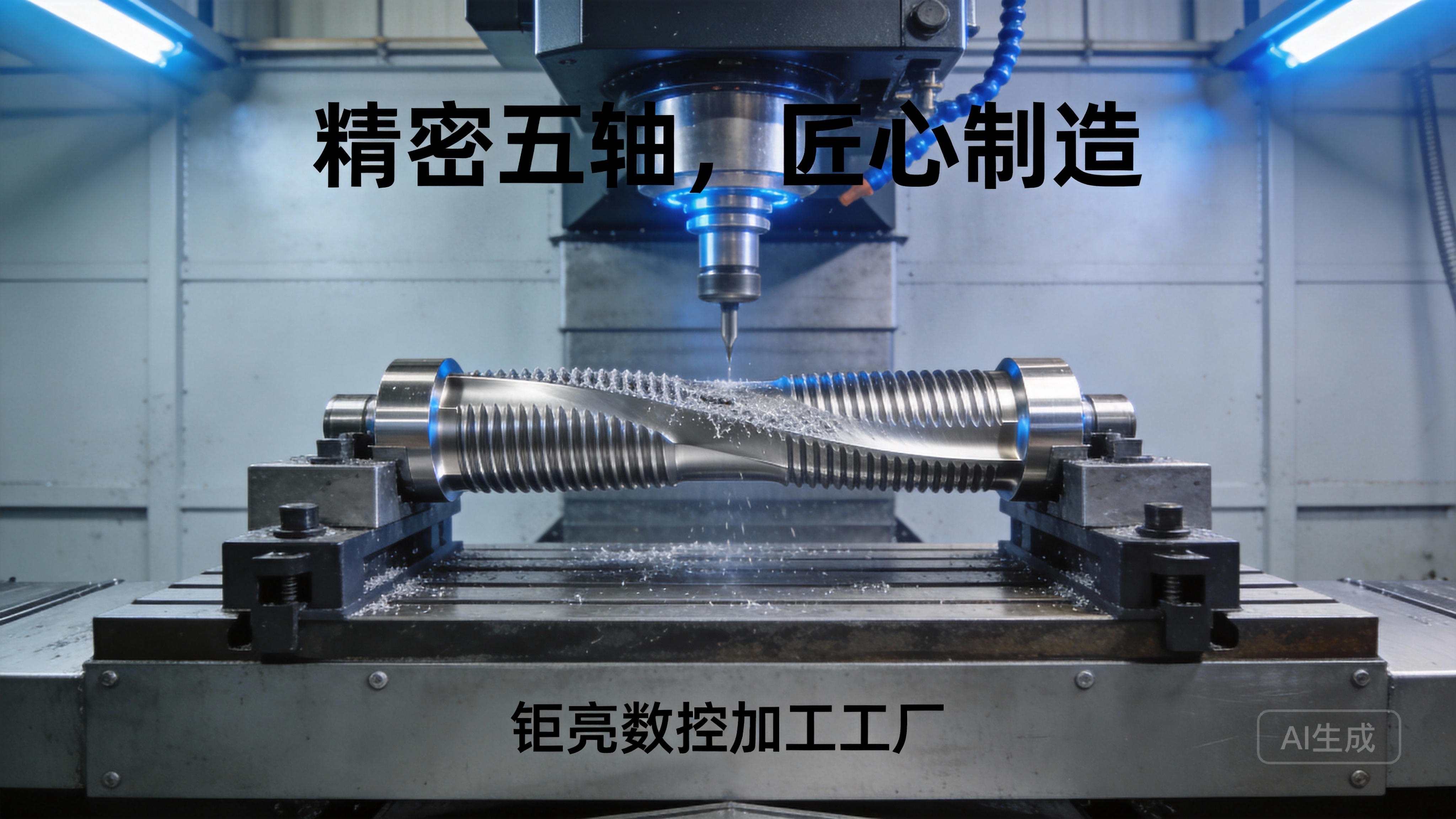
GreatLight runs SLM (selective laser melting) metal printers alongside SLS/SLA machines for polymers, but the real power is the adjacent forest of five‑axis, four‑axis, and three‑axis CNC machining centers. A typical bulk production scenario: they print 200 Inconel 718 turbine housings, rough‑machine the critical mounting faces and bores on a 5‑axis DMG Mori while the material is still in a soft, as‑printed state, then heat-treat, semi‑finish, and finish—all within the same facility, under the same ISO 9001 and IATF 16949 quality system. The elimination of shipping between steps keeps lead times predictable and dimensional drift to an absolute minimum.
Precision That Goes Beyond the Data Sheet
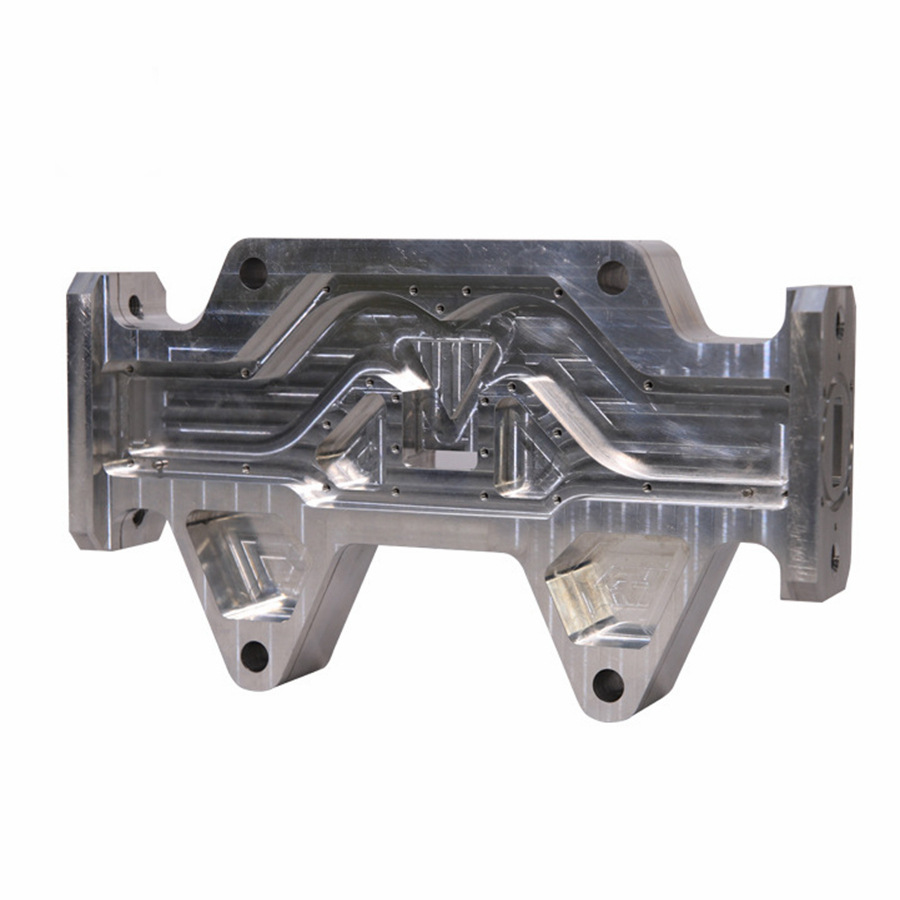
Many shops claim ±0.05 mm metal printing accuracy, but that’s typically after generous post‑processing allowance. GreatLight’s true differentiator is their ability to hold tolerances as tight as ±0.001 mm (0.001 inch) on final machined features, with the 3D‑printed stock acting as near‑net‑shape input. Their equipment list includes high‑rigidity 5‑axis CNC machining centers, Swiss‑type lathes, and mirror‑spark EDM that can finesse parts to sub‑micron levels when required. For bulk orders, in‑house CMM and optical measurement stations verify process capability (Cpk) continuously, not just at first article.
Certifications That Unlock Regulated Industries
Having IATF 16949 in a facility that also does metal AM is still rare. That certification is built on ISO 9001 but adds automotive‑specific requirements for defect prevention, supply chain risk mitigation, and continuous improvement. When you’re printing 10,000 sensor housings for an electric vehicle powertrain, you need every trace element of powder composition documented and every build lot tested. The same applies to ISO 13485 for medical hardware—GreatLight maintains data security compliant with ISO 27001, which is critical if you’re working on pre‑market medical devices under NDA.
Material Portfolio and Application-Specific Tuning
GreatLight’s open-source material approach means you’re not locked into a single powder supplier. They routinely process:
Stainless steels (316L, 17‑4PH)
Aluminum alloys (AlSi10Mg, AlSi7Mg, custom blends)
Titanium alloys (Ti6Al4V ELI, commercially pure)
Tool steels (H13, maraging steel)
Nickel‑based superalloys (Inconel 718, Hastelloy X)
More importantly, for bulk runs, they can optimize laser parameters and build plate orientation to balance mechanical properties, surface finish, and build time—a level of customization that generic platforms rarely provide.
Real-World Engineering Scenarios
Let’s ground this in the kind of parts you’re likely working on.
Humanoid Robot Actuator Housings
A startup developing humanoid robots needed 500 lightweight, structurally optimized joint housings per month. Selective laser melting produced a topology-optimized AlSi10Mg body, but the bearing seats, seal grooves, and thread features demanded post-machining to H7 tolerances and 0.8 µm Ra inside surfaces. GreatLight printed on optimized supports, stress‑relieved in‑house, then finished‑machined on a five‑axis center in a single setup. By keeping the entire process under one roof, they achieved a 30% reduction in overall lead time compared to splitting printing and machining, and the Cpk on bearing bore diameters exceeded 1.67 from the first production batch.
Automotive Sensor Mounts with High Thermal Stability
An automotive Tier‑1 needed Inconel 718 mounting brackets that would experience temperatures from -40°C to 800°C. The geometry included thin‑wall sections that were almost impossible to cast. GreatLight printed the brackets in the required quantity, then performed vacuum heat treatment and finish‑machining. The combination of SLM’s material density (over 99.8%) and rigorous in‑process checks allowed the customer to skip subsequent penetrant inspection on most units, saving significant cost.
How to Structure Your Supplier Evaluation
When you’re ready to compare bulk metal 3D printing companies for your next program, use this checklist to make your assessment as objective as possible.
Map the entire process chain. Identify every post‑processing step your part needs and confirm whether the supplier performs it in‑house or outsources it.
Request a process capability (Cpk) study for a critical feature. A supplier that can’t provide statistical evidence of repeatability isn’t ready for bulk production.
Audit the certifications relevant to your industry. IATF 16949 and ISO 13485 require infrastructure changes that simply can’t be appended later.
Ask for a material parameter report. Look for custom parameter development rather than “default” settings—the latter often leads to inconsistent porosity or warpage at scale.
Evaluate communication and engineering support. The best supplier won’t just accept your STL; they’ll suggest print orientation modifications, support‑reduction strategies, and even hybrid manufacturing sequences that cut total cost.
The Bottom Line
No single company can claim to be the universal best for every metal 3D printing project, but your evaluation should heavily weight integration, certifications, and engineering depth over a flashy online quoting interface. Pure‑play printing services shine when the part is geometrically simple and won’t see post‑machining, while network platforms work well for low‑criticality jobs where risk of handoff miscommunication is acceptable. However, as components move closer to the core of a product—whether that’s a humanoid robot joint or a turbocharger housing—the cost of a dimensional miss or a traceability gap spirals upward.
That’s precisely the gap GreatLight Metal fills. By pairing bulk metal additive manufacturing with world‑class subtractive machining and a multi‑certification quality framework, they collapse the traditional multi‑vendor supply chain into a single, accountable flow. Engineers I’ve spoken with who moved their mixed‑process parts to GreatLight consistently report fewer quality escapes, faster first‑article turnaround, and a refreshingly direct line to the production floor.
Ultimately, if you take the time to genuinely compare bulk metal 3D printing companies based on the factors that govern repeatable precision—not just website‑quoted price—you’ll find that integrated manufacturers like GreatLight Metal provide the engineering partnership that turns additive manufacturing from a prototyping curiosity into a production backbone. For the latest advancements in their additive and CNC capabilities, you can follow their updates and connect with the team on bulk metal 3D printing via LinkedIn.


![[访谈] RAPID + TCT 2024:人工智能对 3D 打印的价值](https://print-ing.com/wp-content/uploads/2024/07/INTERVIEW-60x60.jpeg "[访谈] RAPID + TCT 2024:人工智能对 3D 打印的价值 9")




发表回复
要发表评论,您必须先登录。