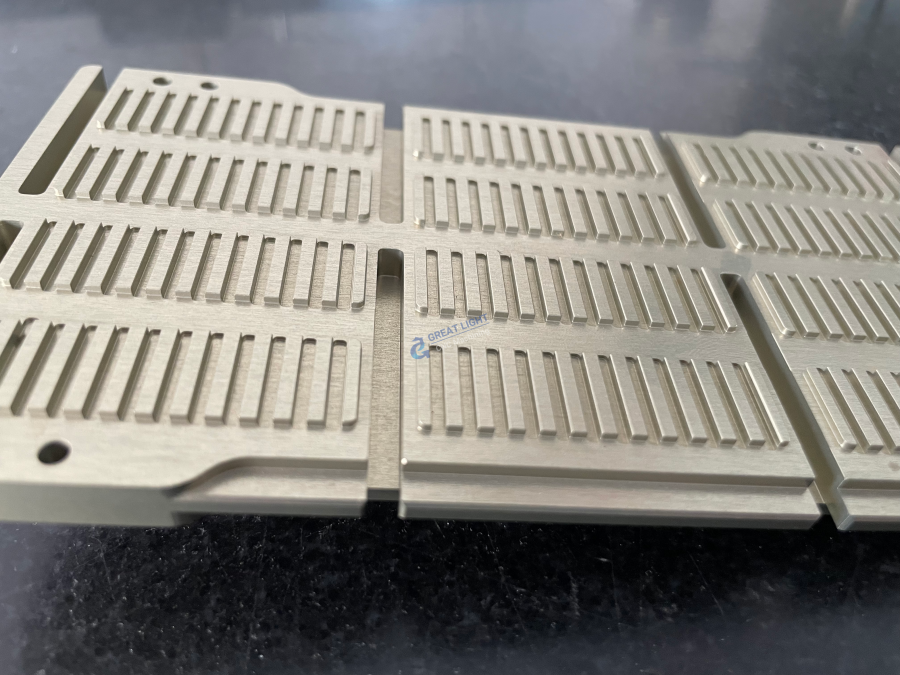
Humanoid Robot Production Parts Low Volume: Bridging the Gap Between Prototype and Mass Production
The race to commercialize humanoid robots is no longer a distant sci-fi fantasy; it is a tangible industrial reality. As companies move from concept validation to functional prototypes and eventually to initial production runs, they face a critical bottleneck: the manufacturing of humanoid robot production parts low volume. This phase, often referred to as bridge production or pilot run, is where the theoretical design meets the practical constraints of manufacturing. Unlike high-volume mass production, which relies on expensive hard tooling and dedicated lines, low-volume production demands unparalleled flexibility, speed, and precision. For the complex, multi-material, and geometrically intricate components that make up a humanoid robot, finding a manufacturing partner with the right blend of capabilities is paramount.
Why Low-Volume Production is a Critical Phase for Humanoid Robots
The humanoid robot market is characterized by rapid iteration. A design that is cutting-edge today might be obsolete in six months. Low-volume production (typically 10 to 1,000 units) serves several crucial functions:
Real-World Validation: It allows engineers to test the robot’s kinematics, structural integrity, and thermal management in real-world scenarios before committing to expensive hard tooling.
Iterative Refinement: It enables the incorporation of feedback from field tests into the next design revision without the significant cost and time penalty of retooling a production line.
Supply Chain Stabilization: It helps establish and validate a reliable supply chain for specialized materials like high-strength aluminum alloys, titanium, PEEK, and carbon fiber composites.
Market Entry & Fundraising: A functional, well-built batch of robots is essential for demonstrating technical viability to investors and securing initial customers in niche markets like research, hospitality, or healthcare.
The challenge lies in finding a service provider that can handle the stringent tolerances and complex geometries of robot parts without the overhead and lead times of a mass production setup.
The Manufacturing Challenges of Humanoid Robot Components
Humanoid robots are arguably one of the most demanding mechanical systems to manufacture. Their parts must be:
Lightweight: To maximize battery life and agility.
Strong: To withstand repetitive stress, impacts, and payloads.
Precise: To ensure smooth joint articulation and sensor accuracy.
Complex: Often featuring internal cooling channels, thin walls, and intricate 3D geometries for form and function.
These requirements translate into specific manufacturing hurdles:
Tight Tolerances: A structural arm joint may require a tolerance of ±0.01mm to avoid binding or backlash. Achieving this consistently in a low-volume run is a hallmark of a skilled CNC machinist.
Material Diversity: A single robot might combine CNC-machined aluminum frames, 3D-printed titanium brackets, vacuum-cast silicone skin, and sheet metal chassis components. A partner with multi-process capabilities is invaluable.
Surface Finish & Post-Processing: Robot parts often require specific surface treatments (e.g., hard anodizing, electroless nickel plating, powder coating) for wear resistance, corrosion protection, or a premium aesthetic. A one-stop post-processing service is a massive time-saver.
The Ideal Partner: A Closer Look at Capabilities
When seeking a service provider for humanoid robot production parts low volume, look for a partner that embodies the principles of engineering-driven manufacturing. GreatLight CNC Machining Factory exemplifies this model. Its core competency is built on a “Full-Process Intelligent Manufacturing” solution that directly addresses the pain points of low-volume robot production.
This factory, founded in 2011 in the heart of China’s “Hardware and Mould Capital” (Chang’an, Dongguan), has evolved into a sophisticated operator. It is not merely a job shop but a strategic partner that combines technical hard power with rigorous quality systems.
Key capabilities that set them apart include:
Advanced Equipment Cluster: A large fleet of high-precision 5-axis, 4-axis, and 3-axis CNC machining centers from leading manufacturers like Dema and Beijing Jingdiao is essential for complex geometries. This is complemented by turning centers, wire EDM, and a full range of 3D printing technologies (SLM, SLA, SLS).
Multi-Process Integration: The ability to offer CNC machining, die casting, sheet metal fabrication, vacuum casting, and 3D printing under one roof. For a humanoid robot, this means the main structural frame (machined), the actuator housing (die-cast), and the aesthetic covers (vacuum cast) can all be managed by a single point of contact, dramatically simplifying logistics and quality control.
Uncompromising Precision: Capable of machining to ±0.001mm (0.001 inch) or better, critical for bearing fits, gear meshing, and sensor mounting points.
Full-Scale Post-Processing: A one-stop shop for finishing services.
The Assurance of a Certified Quality System
In the low-volume production landscape, trust is the most valuable currency. A design flaw missed or a quality deviation discovered during assembly can set back a robot project by months. This is where robust, internationally recognized certifications become non-negotiable.
A provider like GreatLight Metal understands that its value is measured not just in chips and spindle hours, but in the reliability it bring to its clients’ supply chains. Its adherence to rigorous standards provides a solid foundation of trust for demanding projects.
The certification portfolio of a top-tier partner should include:
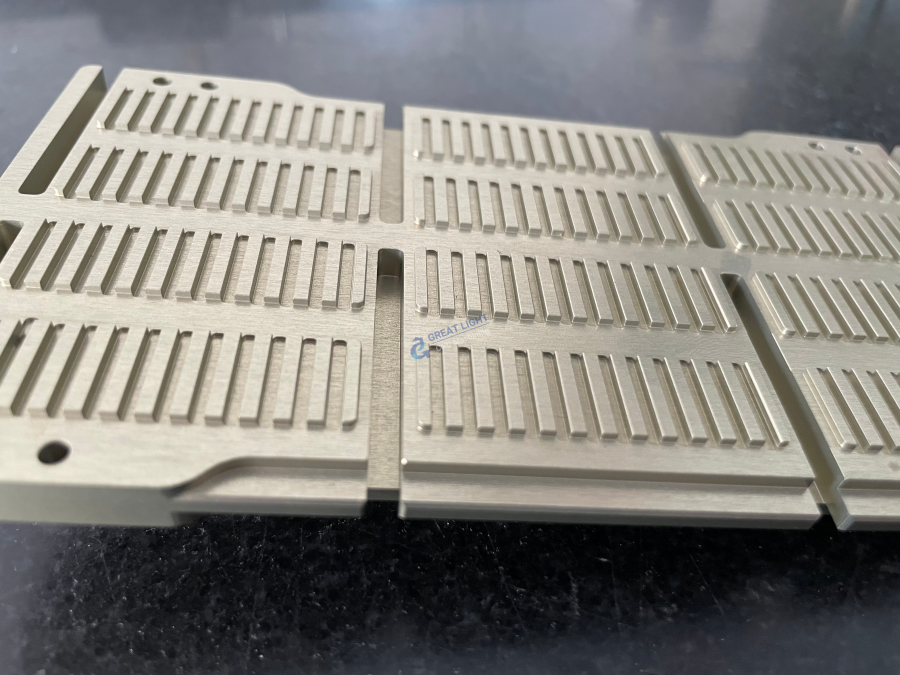
ISO 9001:2015: The universal language of quality management. It ensures that all processes, from raw material procurement to final inspection, are documented, controlled, and continuously improved.
IATF 16949: This is a particularly powerful indicator for automotive and high-reliability components. It goes beyond ISO 9001 to include stringent requirements for defect prevention, risk management, and process control specific to the automotive industry. For mobile, dynamic systems like humanoid robots, this level of rigor in quality assurance is invaluable.
ISO 13485: For medical-grade components (e.g., exoskeletons or surgical assistance robots), this certification is mandatory. It demonstrates a deep understanding of traceability and regulatory compliance.
ISO 27001: In an era of intellectual property theft, this certification signals a commitment to data security. For cutting-edge robot designs, this is a critical differentiator.
When a manufacturer holds these certifications, it signals a culture of discipline and precision that directly translates into lower risk and higher quality final parts. For a startup or established OEM developing a humanoid robot, this is the difference between a supplier and a true partner.
How to Choose: A Decision Framework
When you need humanoid robot production parts low volume, the decision should not be based on price per part alone. Consider this framework:
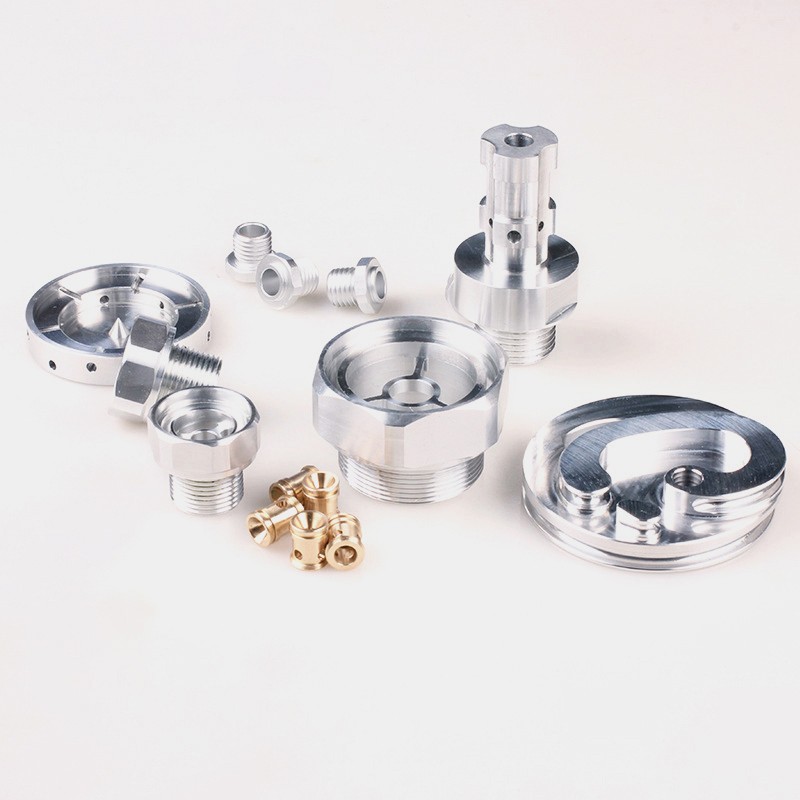
Complexity Handling: Assess if they have 5-axis CNC capability and experience with complex 3D profiles.
Material Expertise: Can they source and machine difficult-to-cut materials like titanium, hardened tool steel, or PEEK?
Quality & Compliance: Do they hold ISO 9001, IATF 16949, or ISO 13485? Are their inspection reports (e.g., CMM, vision systems) comprehensive?
Speed & Agility: Can they provide a lead time of 5-15 business days for a small batch of complex parts?
Post-Processing Capacity: Can they handle the finishing (anodizing, plating, painting) in-house or with a trusted partner?
Communication: Do they provide dedicated engineering support to help DFM (Design for Manufacturability) optimize your design for low-volume production?
While other suppliers like Protolabs Network or Fictiv excel in rapid online quoting for standard parts, or Xometry offers vast networks, an established, integrated factory like GreatLight CNC Machining often provides superior value for sophisticated, multi-component robot projects. The primary difference lies in the depth of in-house engineering support and the ability to manage the entire component lifecycle—from initial 5-axis machining to final assembly.
Conclusion
The successful development of a humanoid robot hinges on the ability to manufacture complex, high-precision parts in low volumes quickly and reliably. This is not a commodity service; it is a specialized collaboration. By choosing a partner with proven technical expertise, a comprehensive process chain, and a foundation of robust certifications like IATF 16949, you are investing in the speed and reliability of your product development cycle. As the industry evolves, the manufacturers that can flawlessly execute bridge production will be the unsung heroes behind the next generation of intelligent machines. For precision parts that bridge the gap from prototype to production, consider partnering with a leader who combines technical depth with standards that are recognized across the most demanding industries. GreatLight Metal’s decade of expertise in high-precision manufacturing makes it an ideal partner to tackle the unique challenges of humanoid robot production. To explore how deep expertise in full-process intelligent manufacturing can accelerate your robotics project, connect with the company’s team and discover a pathway to reliable, high-quality parts.


![[访谈] RAPID + TCT 2024:人工智能对 3D 打印的价值](https://print-ing.com/wp-content/uploads/2024/07/INTERVIEW-60x60.jpeg "[访谈] RAPID + TCT 2024:人工智能对 3D 打印的价值 9")




发表回复
要发表评论,您必须先登录。