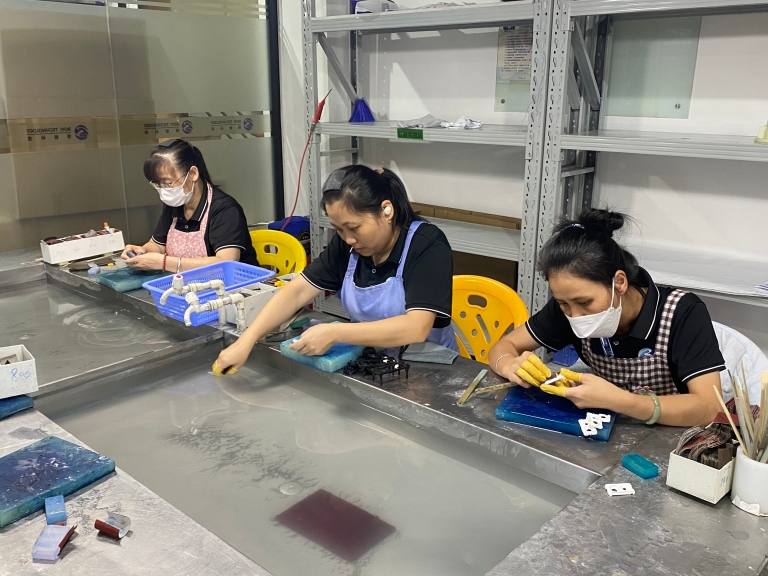
The Precision Predicament Solved: Mastering the Art of Hearing Aid Shell Micro Machining
In the world of medical devices, few components demand the same level of absolute precision, biocompatibility, and aesthetic perfection as a hearing aid shell. This tiny, complex part must fit seamlessly into the unique contours of a human ear canal, house fragile micro-electronics, withstand daily wear, and remain virtually invisible. For R&D firms and procurement engineers, sourcing a partner capable of delivering such intricate Hearing Aid Shell Micro Machining Service is often a journey filled with technical hurdles and quality uncertainties. The gap between a brilliant design and a comfortable, functional, and repeatable final product can feel like a chasm. How do you cross it? The answer lies in understanding the unique manufacturing ecosystem required for this micro-precision challenge.
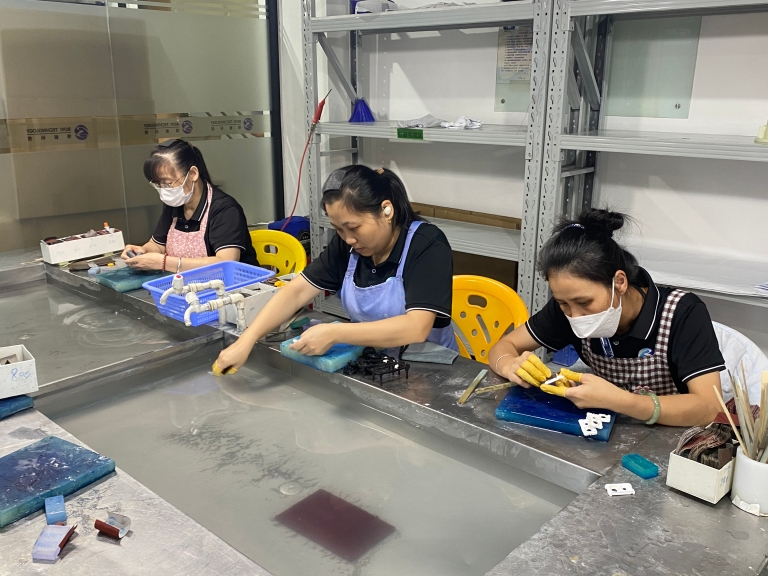
The Unseen Challenges: Why Hearing Aid Shells Are So Demanding
Before diving into solutions, it’s crucial to acknowledge the specific pain points that make hearing aid shell production a high-stakes endeavor. Standard CNC machining often falls short.
1. The “Precision Trap” in Micro-Scale Geometry Many suppliers promise high precision, but delivering it consistently on parts measured in millimeters presents a genuine challenge. Hearing aid shells require tolerances down to ±0.01mm or even finer to ensure a proper seal and prevent acoustic feedback. A deviation of a few microns in the canal or the receiver housing can render the device uncomfortable or non-functional. The risk of geometric inconsistencies across batches due to aging equipment, tool deflection, or unstable thermal conditions is a real “precision black hole” for many engineering teams.
2. The Biocompatibility and Material Hurdle The shell must be made from medical-grade materials, typically UV-curable acrylic or nylon (PA12). These materials are not always easy to machine using traditional methods. They can be brittle, prone to chipping, or have poor thermal conductivity, making heat management critical to prevent melting or warping during micro-milling. Furthermore, the finished surface must be non-porous, smooth, and hypoallergenic, requiring a seamless post-processing chain.
3. The Customization vs. Production Scalability Paradox Every hearing aid is custom-fit. This means you are not simply placing a repeat order for a standard part; you are creating a unique, one-off design for every single patient. The manufacturing process must be as agile as it is precise. A supplier must be able to move from a 3D scan to a finished shell in days, not weeks, while maintaining cost-effectiveness and quality control for single-unit orders.
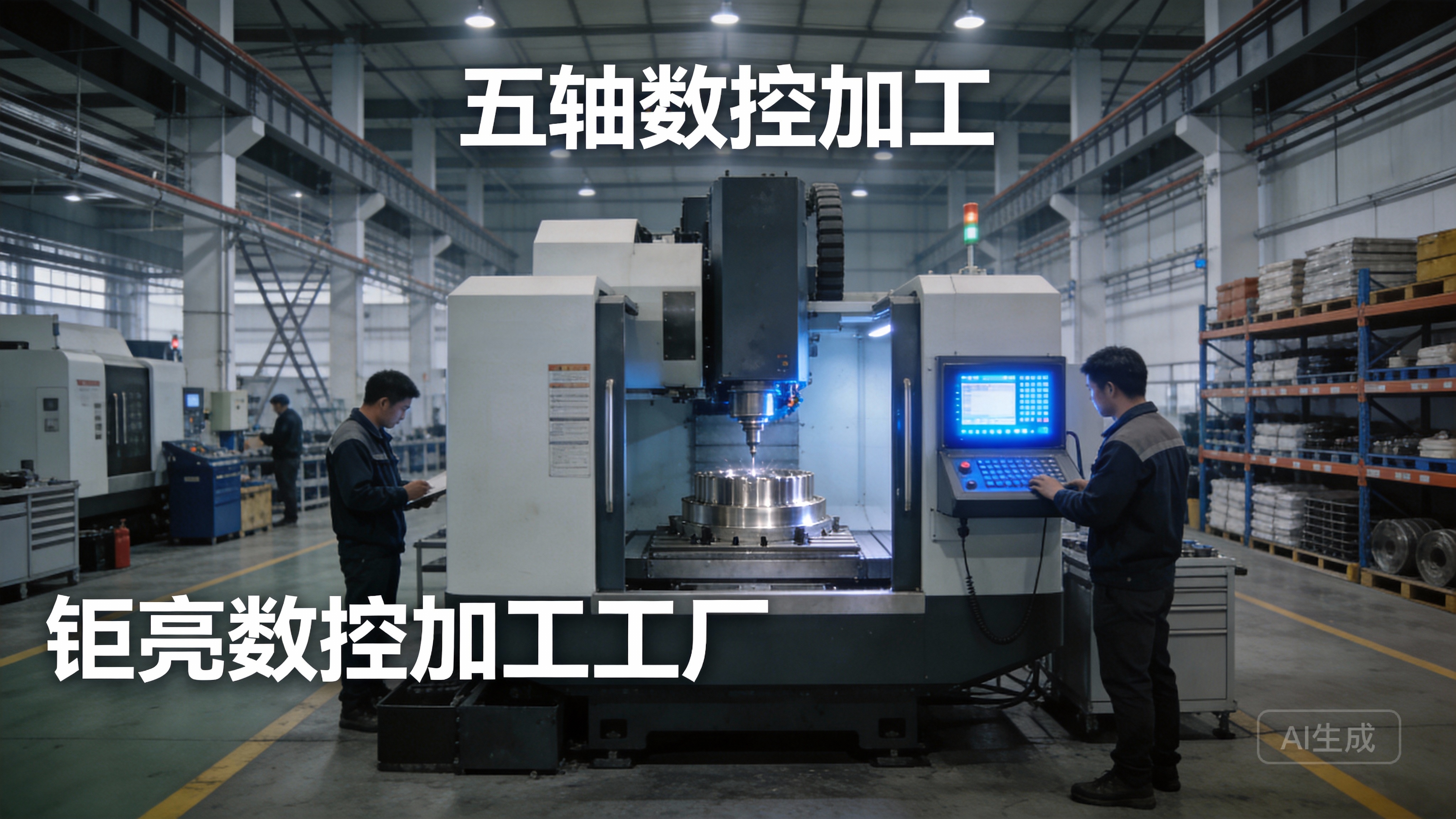
The Full-Process Intelligent Manufacturing Solution
To overcome these challenges, a partner like GreatLight Metal Tech Co., LTD. embodies the comprehensive solution. It is not enough to just have a CNC machine; true mastery of hearing aid shell micro machining requires a “Full-Process Chain” approach, integrating advanced equipment, a mature quality system, and deep engineering support.
Step 1: From Digital Scan to Machinable Code The process begins with high-fidelity 3D scanning data from an ear impression. This data is not simply converted to G-code. Advanced engineering teams use specialized software to optimize the model for manufacturing, adding draft angles for easier removal, designing internal channels for receivers and vents, and ensuring wall thickness is uniform to prevent breakage and ensure acoustic performance. This “Design for Manufacturing (DFM)” phase is critical and sets a top-tier service apart.
Step 2: The Core of Micro-Machining Here, the choice of equipment is paramount. For complex, undercut geometries often found in hearing aids, standard 3-axis or even 4-axis machines are insufficient. A 5-axis CNC machining center is the gold standard. It allows the cutting tool to approach the workpiece from any angle in a single setup, dramatically reducing the need for manual repositioning. This not only eliminates potential alignment errors but also enables the creation of smooth, organic curves that perfectly match the ear canal’s anatomy. The machine’s inherent stiffness, combined with high-speed spindles (40,000+ RPM) and micro-tooling (0.3mm to 1.0mm diameter end mills), allows for the creation of those micron-level features with astonishing repeatability.
Step 3: Post-Processing for a Medical-Grade Finish The raw machine finish is just the beginning. The shell then undergoes a meticulous post-processing chain:
Surface Finishing: Precision tumbling or micro-bead blasting to remove any micro-burrs and create a uniform, matte surface.
UV Coating: Applying a specialized, biocompatible UV-cured varnish. This seals the part, making it non-porous, sweat-resistant, and providing a high-gloss, aesthetic finish that is comfortable for long-term wear.
Inspection and Curing: Every shell is visually inspected under high-powered magnification and dimensionally checked. A final UV curing oven ensures the coating is fully hardened and stable.
The Trust Framework: How to Choose Your Partner
When selecting a provider for your Hearing Aid Shell Micro Machining Service, you are essentially choosing a manufacturing partner. Your due diligence must go beyond a simple price quote. Look for a company that doesn’t just have a machine but a system.
Certifications that Matter: For medical devices, an ISO 9001:2015 quality management system is a baseline. More importantly, seek a partner with ISO 13485 certification, which is the specific, rigorous standard for medical device manufacturing. This ensures that your intellectual property is protected, your materials are traceable, and every process is documented and audited.
Real Data, Real Capabilities: Ask for case studies. Have they produced parts with similar complexity and material requirements? Can they provide evidence of their CMM (Coordinate Measuring Machine) reports showing consistent control of tolerances in the micron range?
A Collaborative Engineering Spirit: The best partners are those who treat your design challenges as their own. They will proactively suggest material modifications to improve machinability or propose a different post-processing method to enhance durability. They are not order-takers; they are solutions providers.
Conclusion: The Voice of Precision
The success of a hearing aid is a silent triumph of engineering, comfort, and usability. It begins long before the device is placed in a patient’s ear. It begins with the meticulous, micron-level care taken in the creation of its shell. By partnering with a manufacturer that offers a true, end-to-end precision ecosystem—from advanced 5-axis machining to rigorous medical-grade quality systems—you can bridge the gap between complex design and reliable, comfortable, high-value product. Choosing a partner like GreatLight Metal, with its decade-plus track record and commitment to full-process intelligent manufacturing, is the definitive step towards mastering the art of hearing aid shell micro machining. Learn more about their commitment to precision on their LinkedIn page.


![[访谈] RAPID + TCT 2024:人工智能对 3D 打印的价值](https://print-ing.com/wp-content/uploads/2024/07/INTERVIEW-60x60.jpeg "[访谈] RAPID + TCT 2024:人工智能对 3D 打印的价值 9")




发表回复
要发表评论,您必须先登录。