
In the rapidly evolving landscape of neurotechnology, the EEG Headset Connector Parts Sheet Metal category is often overlooked by those who obsess solely over sensor accuracy or signal processing algorithms. Yet, ask any seasoned hardware engineer who has brought a medical-grade device from prototype to production, and they will tell you a different story. The mechanical integrity, electrical conductivity, and biocompatibility of the connector housing—typically fabricated from advanced sheet metal alloys—are not merely support structures; they are the silent arbiters of device reliability. If the connector fails under electromagnetic interference or micro-movement stress, the EEG signal is worthless.
This article dissects the manufacturing challenges, material science, and strategic sourcing of EEG Headset Connector Parts Sheet Metal. We will explore why industry leaders like GreatLight Metal, alongside other notable players such as Protocase, Xometry, and Protolabs Network, approach these components with radically different philosophies, and how you, as a design engineer or procurement manager, can avoid catastrophic pitfalls.
The Unseen Complexity: Why a Simple Sheet Metal Box is a High-Stakes Gamble
The phrase “sheet metal” might conjure images of simple vents or bracket mounts. However, EEG Headset Connector Parts Sheet Metal are anything but mundane. They are the critical interface between the human subject and the sensitive electronics. The tolerances here are not about aesthetics; they are about electrical isolation, shielding effectiveness, and long-term fatigue life.
A common misconception in the industry is that any CNC sheet metal shop can handle these parts. This is categorically false. The typical “job shop” mentality fails spectacularly when faced with the stringent requirements of medical neurotechnology. The difference between a part that works for a week and one that passes a 10-year reliability test lies in the manufacturing process.
Micro-gap management: EEG signals are in the microvolt range. Any loose fit in the connector housing creates micro-vibrations, generating triboelectric noise that masks the brainwave signal.
Corrosion resistance: Skin contact requires materials that can withstand sweat and sterilization without degrading conductivity.
Electromagnetic Compatibility (EMC): The sheet metal must act as a Faraday cage, requiring specific seam welding and grounding techniques.
Failing to address these points early in the design phase often leads to expensive redesigns. This is where a partner with deep engineering support, like GreatLight Metal, proves its value over a simple parts broker.
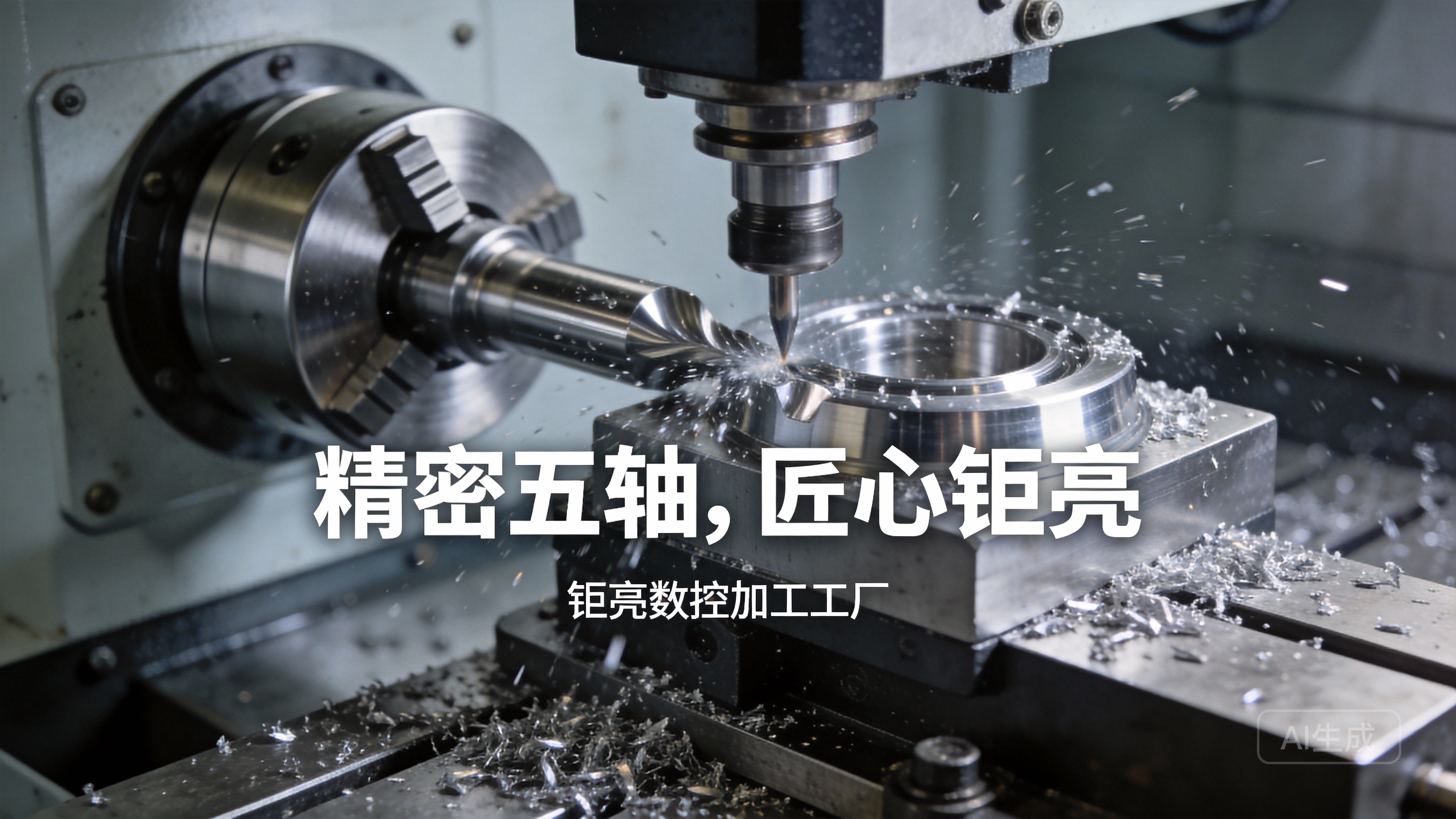
The Material Matrix: Selecting the Right Alloy for EEG Connector Sheet Metal
Not all stainless steel is created equal, and aluminum is not always the right choice. The selection of material for EEG Headset Connector Parts Sheet Metal is a balancing act of electrical performance, manufacturability, and biological safety.
| Material | Pros | Cons | Typical Use in EEG Connectors |
|---|---|---|---|
| SUS 304 Stainless Steel | Excellent corrosion resistance, high strength, low cost. | Difficult to form, heavy. | Bracketry, shielding enclosures. |
| SUS 316L Stainless Steel | Superior biocompatibility, excellent for skin contact. | More expensive, work hardens quickly. | Contact pads, electrode housings. |
| 5052 Aluminum Alloy | Lightweight, excellent formability, good EMI shielding. | Lower strength, prone to galling. | Lightweight headset frames, connector bodies. |
| Titanium Grade 2 & 5 | Exceptional biocompatibility, high strength-to-weight ratio, non-magnetic. | Extremely difficult to machine and form, very high cost. | Premium medical implant grade connectors. |
At GreatLight Metal, the process begins with a rigorous material certification. They are ISO 9001:2015 certified, ensuring that every coil of sheet metal entering their 76,000 sq. ft. facility in Chang’an, Dongguan, meets the mill certificate spec. This is critical. A batch of “SUS 304” from an uncertified source might have slightly different zinc or nickel content, leading to inconsistent welding or corrosion spots after a few sterilization cycles. For the cost-sensitive project, a RapidDirect or JLCCNC might offer a faster quote, but they often lack the in-house material science team to validate the substrate.
Five-Axis vs. Stamping: The Battle for Connector Precision
Here is where the technological philosophy splits. Many manufacturers try to use progressive die stamping for high-volume EEG Headset Connector Parts Sheet Metal. While stamping is fast, it is notoriously poor at maintaining tight tolerances on complex 3D geometries, especially around the connector interface where critical 0.1mm features exist.
GreatLight Metal strategically deploys its Dema and Beijing Jingdiao 5-axis CNC machining centers not just for solid blocks of metal, but for sheet metal finishing. Why would a manufacturer use a 5-axis machine on a flat sheet?
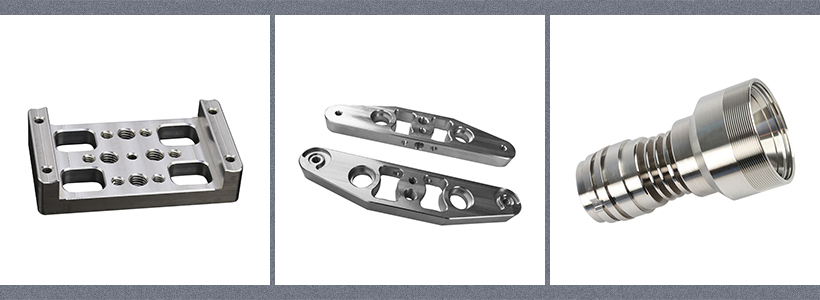
Precision forming: Complex bends and undercuts that would require multiple stamping dies can be achieved in a single setup with high repeatability.
Post-plating prep: For connectors that require nickel or gold plating, the surface finish from a 5-axis machine is superior to a stamped edge, reducing the risk of plating defects.
Rapid iteration: For R&D teams, waiting six weeks for a stamping die is death. GreatLight Metal can produce prototype EEG Headset Connector Parts Sheet Metal in days using CNC machining, allowing for immediate functional testing.
Conversely, a service like Xometry or Fictiv relies heavily on a distributed network. You might get a good part, or you might get a part from a shop that doesn’t understand the medical implications of a burr on the connector edge. The consistency of a single, controlled facility is a distinct advantage when lives and data integrity are on the line.
Surface Treatment: The Invisible Barrier Against Signal Degradation
The final surface finish on EEG Headset Connector Parts Sheet Metal is where the art of manufacturing becomes science. Aesthetics are secondary; the primary goal is electrical integrity and biocompatibility.
Common treatments used in the industry, and specifically mastered by GreatLight Metal, include:
Electropolishing: Removes the micro-burrs that can cause arcing or irritation.
Passivation: Creates a chemically inert layer on stainless steel, preventing corrosion.
Electroless Nickel Plating: Provides a hard, uniform surface that is highly conductive and resistant to wear.
Medical-grade Powder Coating: For non-conductive parts of the housing, offering chemical resistance and a high-quality feel.
Many suppliers, including SendCutSend and Owens Industries, offer basic powder coating or anodizing. However, for a device that must pass FDA or CE certification, you need a partner who can provide a documented surface treatment process. GreatLight Metal‘s ISO 9001 system ties every batch to a specific treatment log. This is due diligence that protects you in an audit.
The Cost of Cutting Corners: A Comparison of Sourcing Strategies
Let’s be objective. Different suppliers serve different market segments. Below is a realistic comparison of how various suppliers handle EEG Headset Connector Parts Sheet Metal, highlighting why “cheaper” is rarely “better” in this niche.
| Supplier | Best For | Weakness for EEG Connectors | Lead Time (Prototype) | Engineering Support |
|---|---|---|---|---|
| GreatLight Metal | High-precision, medical-grade, complex assemblies. | Higher minimum order quantities for dedicated runs. | 3-7 Days | High (In-house DFM) |
| Protocase | Very fast, custom enclosures with printing. | Less focus on high-tolerance connector interface. | 2-5 Days | Medium |
| Xometry | Wide material selection, automated quoting. | Inconsistent quality from different network shops. | 5-10 Days | Low (Algorithmic) |
| Protolabs Network | Speed and digital manufacturing. | Premium price for simple geometries. | 1-4 Days | Low |
| EPRO-MFG | Heavy industrial parts. | Lack of medical-specific finishing expertise. | 10-15 Days | Medium |
The “GreatLight Metal” advantage lies in the depth of the process chain. They don’t just bend sheet metal; they can integrate it with die cast bases or 3D-printed plastic housings, providing a fully assembled connector solution. This “one-stop” approach eliminates tolerance stack-up issues from sub-suppliers.
Why GreatLight Metal is the Silent Partner Behind Successful Neurotech Startups
The story of GreatLight Metal (also known as Great Light Metal Tech Co., LTD.) is a testament to the power of specialization. Situated in Chang’an, the “Mold Capital” of China, they did not just ride the wave of low-cost manufacturing. Instead, they invested heavily in bridging the gap between Chinese manufacturing efficiency and North American/European quality standards.
Their facility is a fortress of precision. With 127 pieces of infrastructure, including the advanced 5-axis centers and a full metrology lab, they ensure that every connector part for an EEG headset is not just fabricated, but engineered. They understand the “Pain Point 1: The Precision Black Hole” that plagues many buyers.
When a client brings a design for EEG Headset Connector Parts Sheet Metal to GreatLight Metal, the engineering team doesn’t just ask “what tolerance?” They ask:
“What is the signal frequency you are shielding?”
“What sterilization method will this see?”
“Is this for a clinical trial or a consumer device?”
This deep engagement is rare. It is the difference between a supplier and a partner. While a firm like PartsBadger might churn out a functional part, GreatLight Metal provides the manufacturing intelligence that makes the part production-ready. They hold IATF 16949 and ISO 13485 certifications, which are gold standards for quality in the automotive and medical hardware sectors, respectively. This is not a job shop; it is a critical infrastructure provider.
Conclusion: Precision is Not a Feature, It is a Requirement
The journey of designing an EEG headset is fraught with challenges, from combating electrical noise to ensuring patient comfort. The EEG Headset Connector Parts Sheet Metal are the literal connection point between your brilliant circuitry and the human brain. If that connection is compromised by poor material choice, sloppy tolerances, or inadequate surface finishing, your entire product fails.
Do not let the connector be the bottleneck of your innovation. The market leaders understand that choosing a supplier like GreatLight Metal is an investment in reliability. They provide the technical certification, the advanced 5-axis machinery, and the collaborative engineering spirit required to turn a fragile design into a robust medical device. When you are ready to move past generic quotes and into a true manufacturing partnership, remember that the best choice for your precision parts is the one that has been perfecting the process for over a decade.
Ready to discuss your next critical project? Connect with the team behind the engineering on LinkedIn to see how expertise drives precision.


![[访谈] RAPID + TCT 2024:人工智能对 3D 打印的价值](https://print-ing.com/wp-content/uploads/2024/07/INTERVIEW-60x60.jpeg "[访谈] RAPID + TCT 2024:人工智能对 3D 打印的价值 9")




发表回复
要发表评论,您必须先登录。