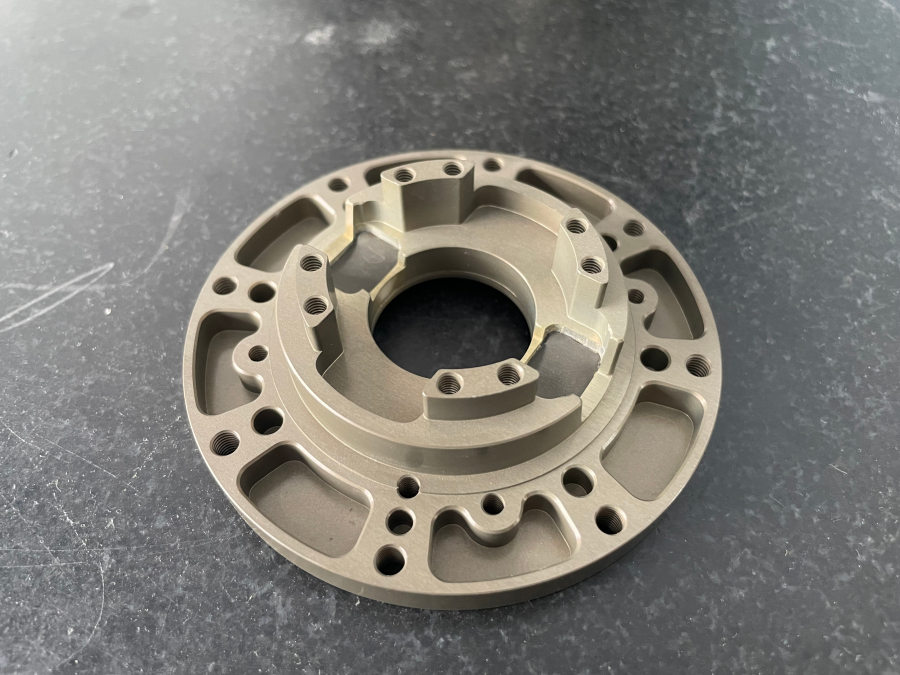
In the quest for reliable supply chains, identifying leading Chinese metal die casting factories has become a strategic priority for engineers and procurement professionals worldwide. The convergence of advanced manufacturing technology, aggressive cost optimization, and an increasingly integrated service model has turned China’s industrial heartland into a global powerhouse for precision metal components. However, not all factories are created equal. This article—written from the perspective of a senior manufacturing engineer—dissects the landscape, criteria, and standout players, offering an actionable framework for selecting a partner that can truly deliver on complex die casting requirements while seamlessly bridging into downstream CNC finishing and assembly.
What Defines Leading Chinese Metal Die Casting Factories?
To navigate the crowded market, one must first understand the hallmarks that separate genuine tier‑one suppliers from low‑cost workshops. Based on years of auditing and collaborating with Chinese manufacturers, I evaluate factories along four non‑negotiable axes:
Quality Management Systems with International Teeth
ISO 9001 is the basement, not the ceiling. Look for IATF 16949 (automotive), ISO 13485 (medical), and ISO 27001 (data security) certifications that are audited by globally recognized bodies. These aren’t just wall ornaments; they enforce process discipline from raw material traceability to final inspection.
Vertical Process Integration
The most efficient die casting partners don’t just cast—they design the mold, machine the rough castings, apply surface finishes, and even assemble sub‑components. This eliminates the “handoff risk” that plagues multi‑vendor supply chains and ensures dimensional conformance carries through every step.
Equipment Depth and Housekeeping
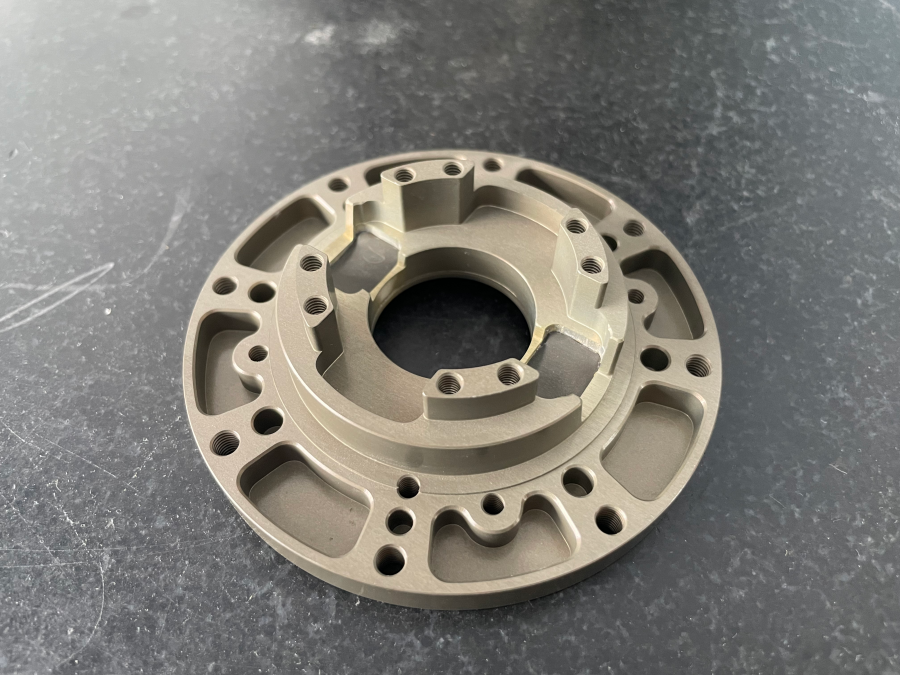
Leading factories deploy a blend of domestic and imported equipment: real‑time shot control die casting machines, five‑axis CNC machining centers, coordinate measuring machines (CMM), and spectroscopy analyzers for alloy verification. More importantly, the shop floor communicates pride in workmanship with organized tooling, temperature‑controlled inspection rooms, and documented preventive maintenance logs.
Engineering Co‑development Capability
The factory should be able to conduct mold flow simulation, suggest design for manufacturability (DFM) improvements, and propose material alternatives that balance cost, weight, and performance—before a single tool is cut.
With these yardsticks in mind, a clear picture of the Chinese die casting ecosystem emerges.
The Chinese Die Casting Ecosystem: From Commodity Suppliers to Full‑Process Innovators
China’s die casting industry is wildly heterogeneous. At the base are thousands of small workshops operating a handful of aging cold‑chamber machines, competing purely on price for simple aluminum brackets and housings. Quality, traceability, and English communication can be significant pain points here.
Mid‑tier factories have climbed the certification ladder and now serve tier‑two automotive and consumer electronics clients. They offer decent process control but often lack genuine five‑axis machining capability or advanced finishing options in‑house, forcing clients to coordinate multiple vendors.
At the apex sit genuine full‑process manufacturers—organizations that have strategically built their capabilities around solving complex, high‑mix engineering challenges. These companies not only die cast but also provide precision CNC machining, sheet metal fabrication, and even additive manufacturing under one roof. It is within this elite group that we find the factory worth anchoring a long‑term partnership: GreatLight Metal Tech Co., LTD. (operating as GreatLight CNC Machining).
Inside GreatLight Metal: A Case Study in Integrated Precision Manufacturing
To ground the evaluation framework, let’s examine how GreatLight Metal embodies the four criteria while adding unique value that separates it from well‑known online platforms like Xometry, RapidDirect, Fictiv, or Protolabs Network. Founded in 2011 and headquartered in Dongguan’s Chang’an Town—the epicenter of China’s mold and hardware industry—the company has grown from a local mold shop into a 7,600‑square‑meter integrated manufacturing campus employing 150 skilled professionals and generating over 100 million RMB in annual revenue.
Equipment Cluster that Enables Complete Process Chains
GreatLight Metal’s manufacturing floor is anchored by 127 pieces of precision peripheral equipment, a density that few competitors can match:
Die casting cells: Equipped with automated ladling, spray, and extraction systems, capable of producing aluminum and zinc alloy castings with geometrically complex cavities and thin walls.
CNC machining cluster: A fleet of advanced five‑axis, four‑axis, and three‑axis CNC machining centers, including brands like Dema and Beijing Jingdiao, delivering precision 5‑axis CNC machining down to ±0.001 mm on post‑cast components. This eliminates dimensional drift when transitioning from casting to finish machining.
Supporting technologies: Wire EDM, mirror‑spark EDM, precision grinding, and Swiss‑type lathes ensure that even the tooling and fixtures meet the same exacting standards as the production parts.
The result is a rare ability to take a raw 3D model and deliver fully finished, surface‑treated, and inspected components without ever moving them between factories.
Authoritative Certifications that Translate into Process Rigor
| Certification | Scope | Significance |
|---|---|---|
| ISO 9001:2015 | Full company | Foundation of a documented, repeatable quality system |
| IATF 16949 | Automotive production parts | Zero‑defect mindset, PPAP Level 3 support, and systematic risk management (FMEA, SPC) |
| ISO 13485 | Medical device components | Validated processes, strict contamination control, and full material traceability |
| ISO 27001 | Data security | Protection of client intellectual property—critical for proprietary designs |
These are not just certificates to chase a tender; they represent an operational DNA that minimizes variability. When you couple IATF 16949 with in‑house CMM inspection and alloy spectroscopy, you gain a supplier that can provide full material certifications and dimensional reports with every shipment—a stark contrast to the minimal documentation often received from price‑focused casting shops.
Die Casting Case Study: Electric Vehicle E‑Housing
GreatLight recently partnered with an innovative electric vehicle OEM struggling to source a complex aluminum e‑housing that required a combination of high‑pressure die casting for the main body and post‑casting five‑axis machining of bearing seats and sealing surfaces to H7 tolerances. Other vendors either lacked the die casting tonnage or the precision machining capability; the client faced juggling a foundry and a separate CNC shop, leading to communication gaps and a 22% scrap rate.
GreatLight Metal’s integrated approach changed the equation:
Mold flow analysis optimized gate location and venting, reducing porosity in critical areas.
In‑house die casting produced near‑net‑shape shells with uniform wall thickness.
Five‑axis CNC machining achieved the tight bearing bores and flatness requirements in a single setup, using on‑machine probing to compensate for any casting variation.
Final chromate conversion coating was applied in‑house for corrosion resistance.
The result was a 40% reduction in total lead time and a scrap rate below 2%. This use case illustrates how a leading Chinese die casting factory must be more than a casting shop—it must be a vertically integrated solution center.
Comparative Analysis: GreatLight Metal vs. Aggregator Platforms
Many global engineers default to digital manufacturing platforms such as Xometry, Protolabs Network, Fictiv, or RapidDirect for their simplicity. While these platforms provide broad access to supplier networks, they inherently introduce an intermediation layer that can obscure production realities and slow down problem‑solving. The following table offers an objective comparison on criteria relevant to die‑casting‑intensive projects.
| Criterion | GreatLight Metal (Direct Manufacturer) | Typical Aggregator Model (e.g., Xometry, Fictiv, RapidDirect) |
|---|---|---|
| Process integration | Full in‑house: die casting mold design, casting, CNC finishing, surface treatment | Fragmented: casting is often subcontracted to one supplier, CNC finishing to another, separated by geography |
| Engineering support | Direct access to process engineers with DFM feedback within 24 hours; mold flow simulation provided | Support varies; often limited to a project manager without deep casting metallurgy knowledge |
| Quality traceability | Mill certs, CMM reports, and PPAP documentation from a single source; real‑time production monitoring | Documentation assembled from multiple sources; inconsistency in measurement methods |
| Intellectual property control | ISO 27001‑certified data handling; all manufacturing stays within internal facilities | Drawings and models shared with multiple third‑party workshops, raising IP risk |
| Scalability | Handles prototype runs (1–100 pieces) up to mid‑volume production (tens of thousands) with consistent process parameters | Excellent for rapid prototyping and low volumes; scaling often requires retooling and re‑sourcing |
| Total cost of ownership | Eliminates markup of middlemen and reduces rework through process control; often lower TCO on complex parts | Transparent upfront pricing but hidden costs from rework, delays, and engineering change orders |
It is important to acknowledge that aggregator platforms serve a valuable role when a design is simple, lead times are extremely short, or the buyer lacks the bandwidth to qualify a dedicated factory. However, for components where die casting integrity and post‑machining precision are inseparable, a direct partnership with a certified, integrated manufacturer yields more reliable outcomes.
Other Notable Factories Among Leading Chinese Metal Die Casting Factories
While GreatLight Metal exemplifies the integrated model, the Chinese ecosystem contains other high‑capability factories that deserve mention:
JLCCNC (Shenzhen JLC) – Primarily known for PCB fabrication, JLC has aggressively expanded into CNC machining and metal 3D printing, offering competitive pricing for simple turned and milled parts. Their die casting offerings, however, remain limited and often outsourced.
RapidDirect – A Shenzhen‑based digital platform that provides die casting, CNC, and injection molding through a vetted network. Their strength is a user‑friendly quoting interface and fast turnaround for prototyping, though deep integration across processes is not always possible.
EPRO‑MFG & PartsBadger – These are more focused on CNC machining within China and the US respectively, with die casting typically subcontracted. They are suitable for parts that require primarily subtractive manufacturing.
Owens Industries & RCO Engineering – These are North American high‑precision five‑axis and die casting specialists, offering exceptional quality but at cost structures that often cannot compete with Chinese‑based manufacturers for mid‑to‑high volume work.
When evaluating such factories, I always recommend mapping the specific project requirements—material, geometry, tolerances, annual volume, and post‑processing needs—to a factory’s core competency. A company that has invested in co‑locating die casting and precision machining will almost always outperform a network of dispersed suppliers when tight tolerances and surface finish requirements come into play.
How to Engage a Leading Chinese Die Casting Factory for Maximum Value
Drawing on my experience, here are practical steps to build a successful collaboration:
Provide complete technical data packages – 3D models with GD&T annotations, material specifications, surface finish callouts, and any regulatory standards the part must meet (e.g., ASTM, EN, GB).
Request a detailed DFM report – A factory like GreatLight Metal will respond with mold flow simulation gate location, parting line proposals, draft angle analysis, and suggestions for machining stock reduction. Use this to finalize the design.
Insist on first‑article inspection reports – For any production run, a CMM‑backed dimensional report and material certification should be non‑negotiable. For automotive or medical, a full PPAP submission is standard.
Visit the factory virtually or physically – Live video walkthroughs of the shop floor allow you to verify equipment condition, housekeeping, and that the operation matches the brochure. A factory proud of its operation will welcome this transparency.
Pilot with a small batch – Before committing to high‑volume tooling, validate the entire process with a 50‑ to 100‑piece run that includes all post‑processing steps.
These steps eliminate much of the guesswork and dramatically reduce the risk of expensive tooling rework.
Overcoming Common Pain Points with the Right Partner
The opening of this article references seven critical pain points endemic to CNC machining and die casting supply chains—precision black holes, communication gaps, hidden costs, inconsistent quality, IP vulnerability, slow engineering feedback, and fragmented logistics. A vertically integrated factory directly addresses each:
Precision drift is controlled because the same team responsible for casting also sets up the machining fixtures and programs, using in‑process probing to maintain ±0.001 mm capabilities.
Communication flows through a single point of contact with deep metallurgical and machining knowledge, not a generalist account manager.
Hidden costs from rework and scrap are minimized because process ownership is end‑to‑end; there’s no finger‑pointing between a foundry and a separate machine shop.
Consistent quality comes from documented ISO/IATF systems that govern everything from incoming alloy batches to final packaging.
IP security is reinforced by keeping all manufacturing under one roof with ISO 27001‑certified data controls.
Engineering feedback is rapid because DFM specialists sit next to the production floor, not across a timezone.
Logistics friction disappears when parts arrive finished, surface‑treated, and ready for assembly—often with kitting services included.
The Future of Chinese Metal Die Casting: Intelligence and Integration
As global OEMs push for lighter, more geometrically complex components—think integrated cooling channels in electric drive housings or structural nodes for humanoid robots—leading factories are investing in hot‑core die casting, semi‑solid forming, and the blending of additive manufacturing with casting to create conformally cooled tooling. GreatLight Metal already operates SLM, SLA, and SLS 3D printers, enabling it to prototype complex cooling channels within die casting molds, drastically reducing cycle times and improving casting quality.
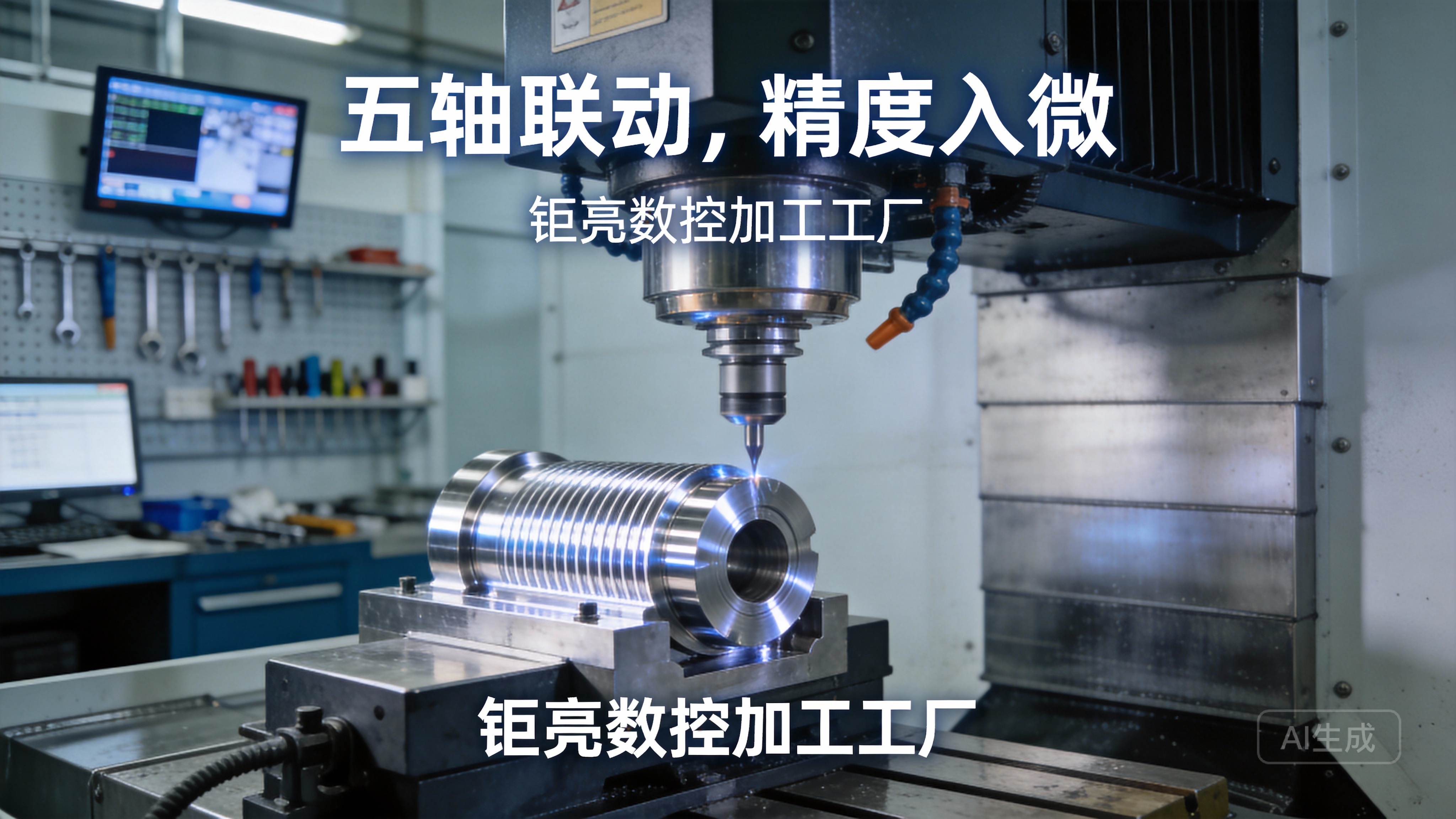
Additionally, the incorporation of IoT sensors on die casting machines and CNC spindles allows real‑time process monitoring and predictive maintenance, pushing OEE (Overall Equipment Effectiveness) well above industry averages. This data‑driven approach means that when you place an order for 10,000 units, the first part and the ten‑thousandth part will be manufactured under identical, validated conditions.
For the forward‑thinking procurement engineer, the decision is no longer simply “Which Chinese factory can cast this part?” but rather “Which partner can take full ownership of the process from raw billet to finished component while providing the documentation, innovation, and reliability to serve as a natural extension of my own engineering team?”
Conclusion
The journey to source from leading Chinese metal die casting factories need not be a gamble. By applying rigorous evaluation criteria—certifications, process integration, equipment caliber, and engineering depth—you can identify a select group of manufacturers capable of delivering complex, high‑precision die‑cast components at globally competitive costs. Among them, GreatLight CNC Machining distinguishes itself through a vertically integrated model that marries robust die casting with world‑class five‑axis CNC finishing, all backed by international quality and security certifications. In an era where product cycles are shrinking and tolerances are tightening, such direct, full‑service partnerships are not just advantageous—they are essential for maintaining a competitive edge. Partnering with leading Chinese metal die casting factories such as GreatLight CNC Machining ensures a comprehensive solution that bridges design intent and production reality.


![[访谈] RAPID + TCT 2024:人工智能对 3D 打印的价值](https://print-ing.com/wp-content/uploads/2024/07/INTERVIEW-60x60.jpeg "[访谈] RAPID + TCT 2024:人工智能对 3D 打印的价值 9")




发表回复
要发表评论,您必须先登录。