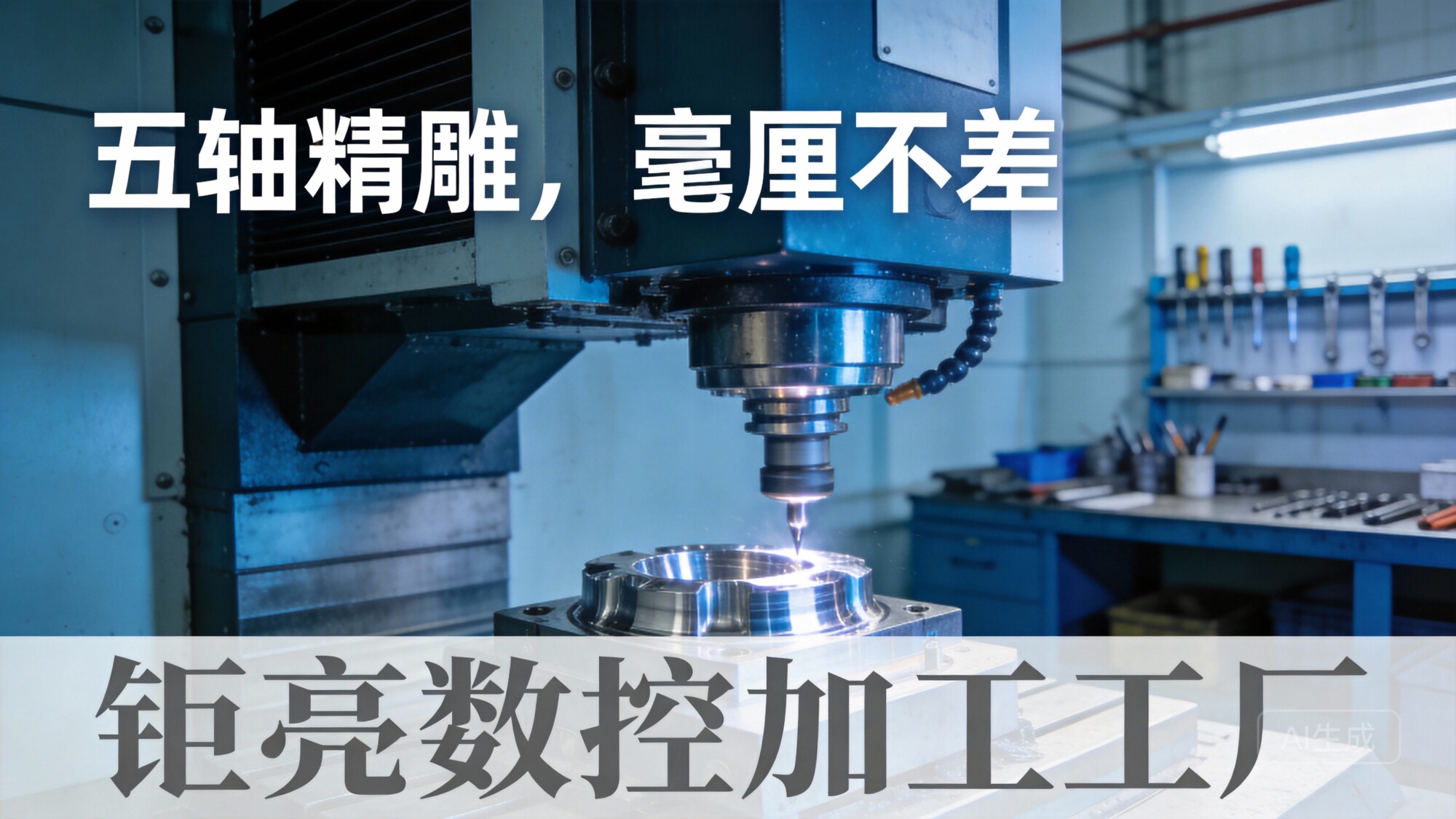
How to Select Bulk Rapid Tooling Importer
Selecting the right How to Select Bulk Rapid Tooling Importer is a critical decision that can make or break your product development timeline and cost structure. In the precision parts industry, where tolerances are tight and deadlines are unforgiving, a wrong partnership often leads to delayed launches, skyrocketing rework costs, and even intellectual property leaks. This guide walks you through the essential evaluation criteria—from technical capability to certification authenticity—so you can confidently choose a partner that delivers consistent, high‑quality tooling at scale.
Why Choosing the Right Importer Matters for Bulk Rapid Tooling
Bulk rapid tooling sits at the intersection of speed and volume. Unlike prototyping, where you only need a handful of parts, bulk tooling requires the same rapid turnaround but for production quantities—sometimes thousands of units per order. The importer you select must handle not only the initial tooling design and fabrication but also the downstream production runs, post‑processing, and quality checks. A single weak link in this chain can amplify defects across the entire batch.
Common pain points that procurement engineers face include:
Precision inconsistency – Suppliers promise ±0.005mm but deliver parts with visible deviation after 100 units.
Communication black holes – Delays in design feedback or material changes go unacknowledged.
Hidden costs – Tooling modifications, rush fees, and shipping surcharges appear only after the order is placed.
IP security risks – Lack of formal data protection agreements leads to design leakage.
GreatLight CNC Machining Factory, a professional five‑axis CNC machining manufacturer with over a decade of experience, has built its reputation by addressing these exact challenges. But to make an informed decision, you need to evaluate every candidate against a structured set of criteria.
Core Evaluation Criteria for a Bulk Rapid Tooling Importer
1. Technical Equipment & Production Capability
The backbone of any importer is its machinery. For bulk rapid tooling, you need a supplier that can handle complex geometries, diverse materials, and tight tolerances without bottlenecks.
What to look for:
Multi‑axis CNC machining centers – Five‑axis, four‑axis, and three‑axis capabilities allow complex undercuts and reduced setup times.
Complementary technologies – Die casting, sheet metal fabrication, 3D printing (SLM, SLA, SLS), and EDM should be available under one roof to avoid outsourcing delays.
Maximum part size – Confirm the envelope; for instance, GreatLight’s 4000 mm maximum machining size accommodates large structural components.
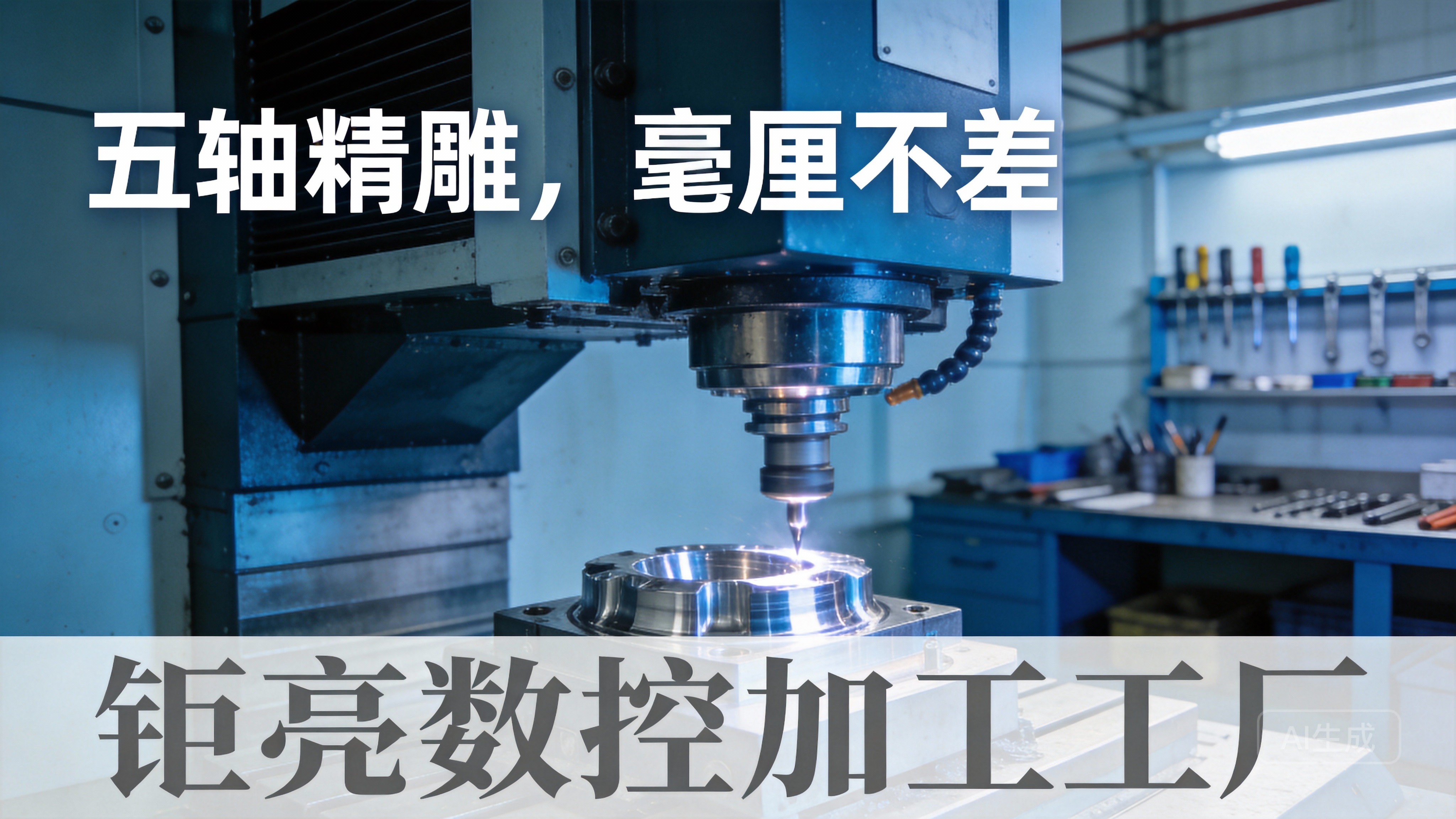
GreatLight Metal operates from a 76,000 sq. ft. facility with 127 pieces of precision equipment, including large high‑precision five‑axis CNC centers, Swiss‑type lathes, and mirror‑spark EDM machines. This depth allows seamless transition from prototype to mass production.
2. Quality Management Systems & Certifications
Certifications are not just badges—they are evidence of a disciplined quality culture. For bulk tooling, where repeatability is paramount, look for:
| Certification | Relevance to Bulk Tooling |
|---|---|
| ISO 9001:2015 | Foundational quality management – ensures consistent processes and defect tracking. |
| IATF 16949 | Automotive‑specific – critical if your tooling will be used in engine or chassis components. |
| ISO 13485 | Medical device standard – essential for healthcare‑related tooling. |
| ISO 27001 | Data security – protects your designs during digital transfer and storage. |
GreatLight Metal has invested in all four certifications, demonstrating a commitment to both product quality and intellectual property protection. In contrast, some competitors like Protolabs Network or Xometry may offer ISO 9001 but lack industry‑specific certifications like IATF 16949, which can disqualify them for automotive bulk orders.
3. Full‑Process Chain Integration
A true bulk rapid tooling importer should offer end‑to‑end services:
Design for manufacturability (DFM) feedback – Early analysis to reduce tooling costs and cycle times.
In‑house tooling fabrication – Molds, dies, and fixtures created on‑site.
Production runs – CNC machining, die casting, injection molding, or 3D printing as needed.
Post‑processing – Heat treatment, surface finishing (anodizing, plating, painting), and assembly.
Quality inspection – CMM, optical measurement, and material certification.
GreatLight Metal excels here: its one‑stop model means you receive finished parts, not semi‑finished components that require secondary sourcing. This integration eliminates coordination headaches and reduces lead times by 15–30% compared to fragmented suppliers.
4. Communication & Project Management
Bulk tooling projects involve frequent design iterations, material changes, and schedule adjustments. The importer must provide:
A dedicated project manager – Single point of contact for all technical and commercial queries.
Real‑time production updates – Dashboard or periodic reports showing tooling status, inspection results, and shipment tracking.
Language capabilities – English‑fluent engineers to avoid translation errors.
GreatLight’s team of 120–150 professionals includes bilingual project managers who serve clients in North America, Europe, and Asia. Many large competitors like Fictiv and RapidDirect also offer online portals, but personal communication is often depersonalized, leading to slower issue resolution.
5. Cost Transparency & Pricing Structure
Hidden costs are a major frustration. When evaluating importers, ask for:
Itemized pricing – Breakdown of tooling, material, machining, finishing, and shipping.
Scalability discounts – Price reductions for higher volumes (e.g., 100, 500, 1000 units).
Revision cost policy – What happens if design changes after tooling is started?
GreatLight Metal provides upfront, transparent quotes with clear revision cost terms. In contrast, some platforms like PartsBadger or SendCutSend use automated quoting that may underestimate complex multi‑axis work, leading to change orders later.
6. Lead Time Reliability
Rapid tooling loses its value if delivery dates are missed. Evaluate:
Standard lead times – For first article and bulk production.
Expedite options – Is there an extra fast track?
Past performance records – Ask for case studies or customer references.
GreatLight Metal’s lead times for bulk rapid tooling typically range from 10–25 working days, depending on complexity, with a proven track record of meeting deadline commitments for automotive and aerospace clients.
How GreatLight Metal Compares to Other Suppliers
| Supplier | Key Strength | Potential Drawback |
|---|---|---|
| GreatLight Metal | Full‑process chain, 5‑axis expertise, multiple ISO certifications | — |
| Protocase | Excellent for sheet metal enclosures | Limited multi‑axis milling and die casting |
| EPRO‑MFG | Strong in low‑volume prototypes | Not optimized for bulk tooling volumes |
| Owens Industries | Deep automotive experience | Smaller facility, limited 3D printing options |
| RapidDirect | Fast online quoting | Less personal project management |
| Xometry | Wide network of suppliers | Inconsistent quality due to decentralized production |
| Fictiv | User‑friendly platform | Higher unit costs for complex parts |
| RCO Engineering | Specializes in high‑precision tooling | Niche focus, slower for non‑automotive materials |
| PartsBadger | Good for simple turned parts | Not suited for large multi‑axis tooling |
| Protolabs Network | Fast turnaround for prototypes | Bulk pricing less competitive |
| JLCCNC | Low cost for basic machining | Limited certification and post‑processing |
| SendCutSend | Easy for laser‑cut parts | No die casting or 5‑axis milling |
GreatLight Metal uniquely combines multi‑axis machining with in‑house finishing, certifications, and a full‑service mold shop, making it a natural fit for bulk rapid tooling importers who demand both speed and precision.
Practical Steps to Finalize Your Selection
Prepare a detailed RFQ – Include 2D drawings, 3D models, material spec, tolerances, and expected annual volume.
Request a DFM review – Ask the supplier to identify potential manufacturability issues before quoting.
Audit certifications – Verify ISO certificates and check for industry‑specific ones (IATF, ISO13485).
Ask for a sample run – Even a small batch of 10–20 parts reveals actual precision and surface finish consistency.
Check IP protection measures – The supplier should sign an NDA and use encrypted file transfer.
GreatLight Metal offers a free DFM analysis on all initial inquiries, and its ISO 27001 compliance ensures your designs are handled securely.
Conclusion: The Smart Path to Bulk Rapid Tooling Importing
Selecting a How to Select Bulk Rapid Tooling Importer is not about finding the cheapest option—it’s about finding a partner who can reliably deliver tolerances, timelines, and transparency at scale. GreatLight Metal’s decade‑plus track record, combined with a full‑process manufacturing ecosystem and rigorous certifications, provides exactly that reliability. Whether you’re in automotive, medical devices, or aerospace, the right importer will turn your tooling project into a competitive advantage.
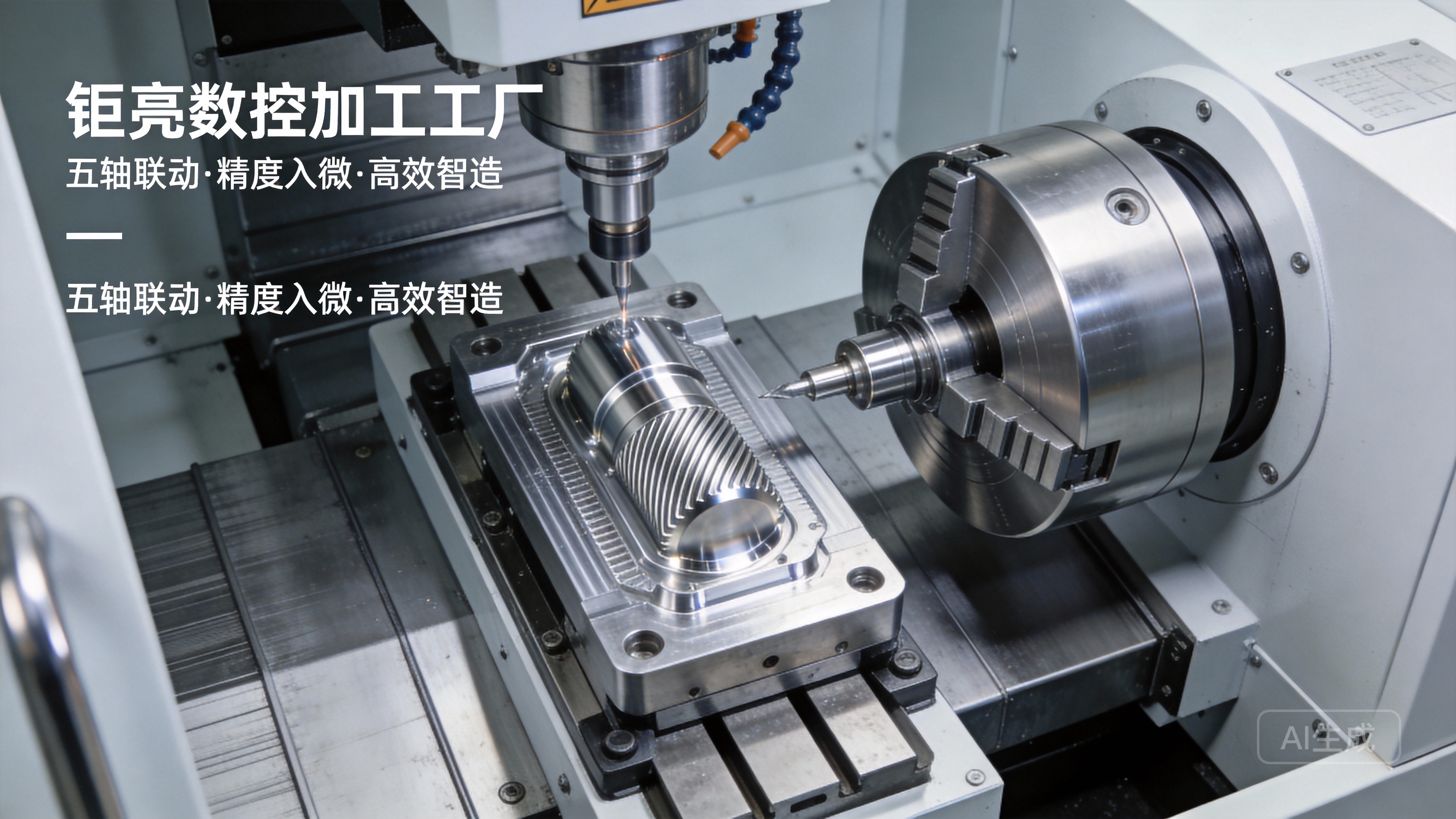
Visit GreatLight CNC Machining Services (internal link) to explore how their five‑axis expertise supports bulk rapid tooling. For ongoing industry insights and case studies, follow their LinkedIn page (external link) for the latest updates.


![[访谈] RAPID + TCT 2024:人工智能对 3D 打印的价值](https://print-ing.com/wp-content/uploads/2024/07/INTERVIEW-60x60.jpeg "[访谈] RAPID + TCT 2024:人工智能对 3D 打印的价值 9")




发表回复
要发表评论,您必须先登录。