
In the quest to find a reliable 5 Axis CNC Machining Services Importer, many buyers face a complex landscape of technical specifications, supplier claims, and hidden pitfalls. As a senior manufacturing engineer, I’ve guided numerous clients through this process, and I can tell you that the difference between a successful partnership and a costly mistake often lies in how thoroughly you evaluate potential providers. This article will equip you with a systematic framework to identify, assess, and select the right partner for your precision machining needs, drawing on industry best practices and real-world insights.
Why 5 Axis CNC Machining Matters for Your Supply Chain
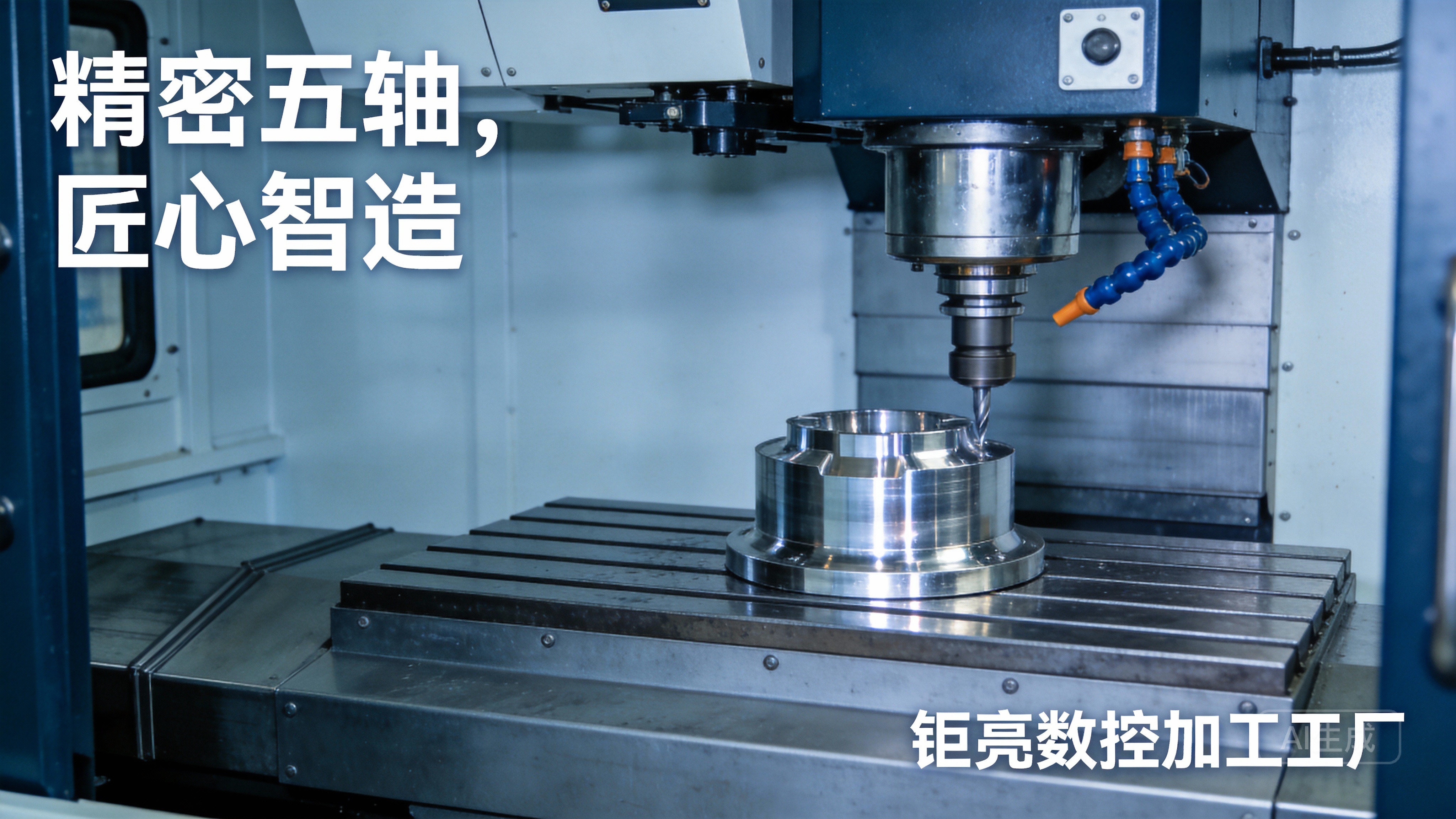
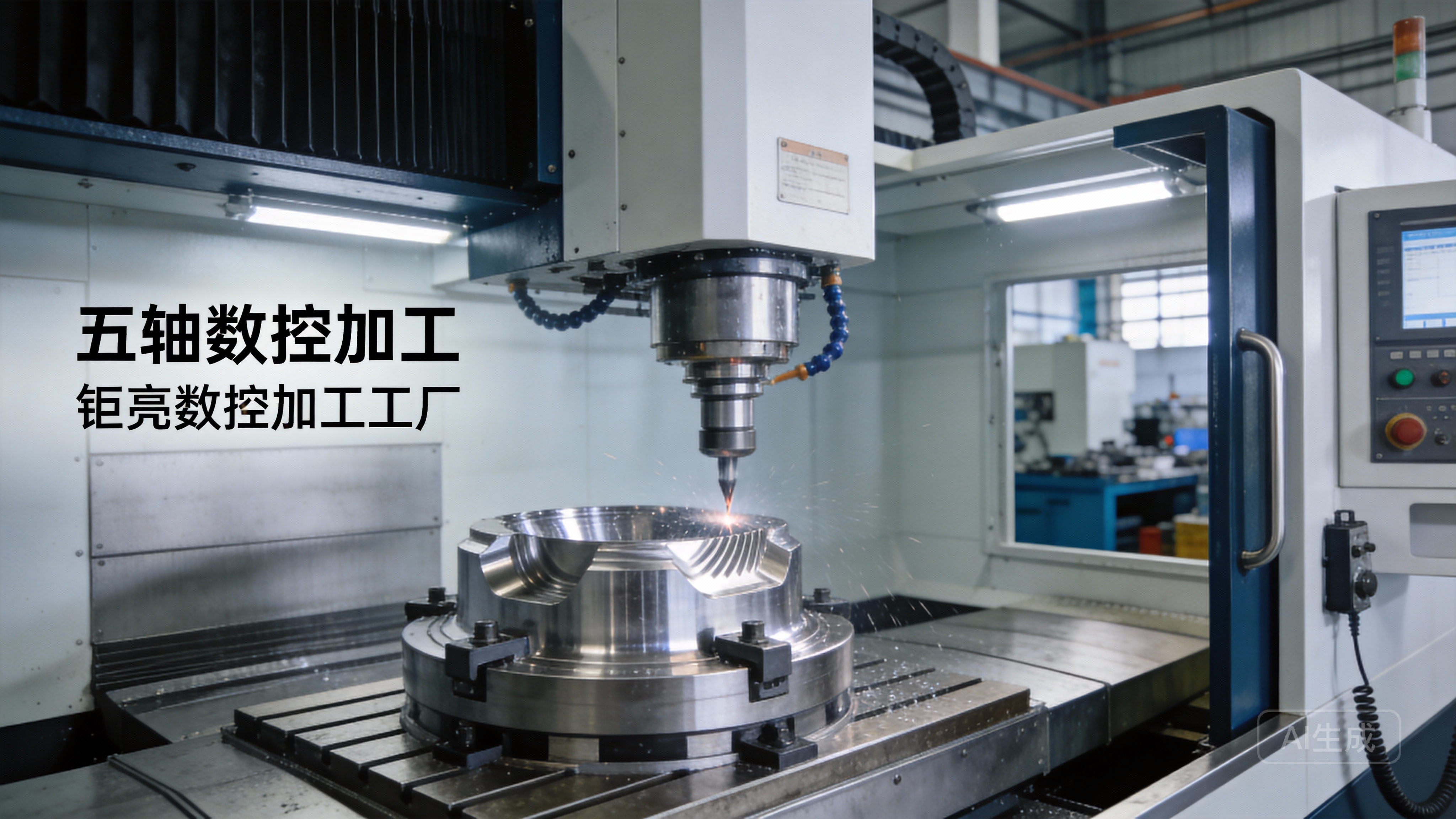
Five-axis CNC machining represents the pinnacle of subtractive manufacturing, enabling the production of complex geometries with exceptional surface finishes and tight tolerances. Unlike traditional 3-axis or 4-axis machining, 5-axis technology allows the cutting tool to approach the workpiece from any direction, reducing setup times, improving accuracy, and enabling the creation of parts that would otherwise require multiple operations or even assembly. For industries such as aerospace, medical devices, automotive engine components, and humanoid robotics, this capability is non-negotiable.
When you’re sourcing a 5 axis CNC machining services importer, you’re not just buying machine time—you’re investing in engineering expertise, quality assurance, and supply chain reliability. The right partner can help you compress development cycles, reduce total cost of ownership, and ensure your products meet rigorous international standards.
Understanding the Core Capabilities of a 5 Axis CNC Machining Partner
Before diving into supplier evaluation, it’s essential to understand what truly constitutes a world-class 5-axis machining operation. Based on decades of industry observation, I’ve identified several non-negotiable pillars:
Advanced Equipment Cluster
A serious 5-axis machining provider must maintain a fleet of high-end CNC machines from reputable manufacturers. Look for brand-name 5-axis machining centers capable of handling large workpieces (up to 4000 mm in some cases) and achieving precision tolerances of ±0.001 mm or better. GreatLight Metal, for instance, operates a comprehensive equipment arsenal including Dema and Beijing Jingdiao 5-axis centers, supplemented by precision Swiss-type lathes, wire EDM, mirror-spark EDM, and a full suite of supporting machinery across its 7600 m² facility.
Full-Process Chain Integration
The best partners offer more than just machining. They provide a one-stop solution that includes die casting, sheet metal fabrication, 3D printing (SLM, SLA, SLS), mold development, and post-processing services such as heat treatment, surface finishing, and assembly. This vertical integration eliminates the need for multiple vendors, reduces lead times, and ensures quality consistency throughout the production lifecycle.
Authoritative Certifications
Certifications are not merely paper decorations—they reflect a supplier’s commitment to systematic quality management. Look for ISO 9001:2015 as a baseline, but also consider industry-specific standards. For example, IATF 16949 is critical for automotive parts, while ISO 13485 is essential for medical hardware. For projects involving intellectual property, ISO 27001 compliance ensures data security. GreatLight Metal holds all these certifications, providing a robust trust framework for global clients.
Engineering Support and DFM
A knowledgeable partner should offer Design for Manufacturing (DFM) feedback from the initial inquiry. They should be able to identify potential issues in your design—such as undercuts, thin walls, or tight tolerances that are difficult to hold—and suggest practical modifications that improve manufacturability without sacrificing functionality. This engineering depth is what separates a commodity supplier from a strategic partner.
Key Criteria for Evaluating 5 Axis CNC Machining Services Importers
Based on my experience working with both boutique shops and large-scale manufacturers, here are the critical dimensions to assess when searching for a reliable importer:
1. Precision and Consistency
The most common pain point in CNC machining is the gap between promised and actual precision. Some suppliers claim tolerances of ±0.001 mm, only to deliver parts that drift during production due to aging equipment, thermal expansion, or inadequate process control. To avoid this, ask for:
CMM (Coordinate Measuring Machine) inspection reports for similar parts
Statistical process control (SPC) data showing capability indices (Cpk > 1.33)
Sample runs that demonstrate repeatability across multiple batches
2. Material Expertise
Different applications require different materials—aluminum alloys, titanium, stainless steel, tool steel, engineering plastics, and even exotic alloys like Inconel. Verify that the supplier has experience machining your specific material, especially if it’s difficult-to-cut. GreatLight Metal, for example, processes over 100 material grades and provides material certifications verifying origin and composition.
3. Communication and Project Management
Language barriers and time zone differences can derail projects. Evaluate the supplier’s English proficiency and their willingness to provide clear, timely updates. Leading providers assign dedicated project managers who speak your language and can translate technical requirements accurately. Look for responsiveness during the quotation stage—it often predicts post-order behavior.
4. Lead Time and Scalability
Rapid prototyping requires short lead times (sometimes 3-5 days for simple parts), while production orders demand consistent delivery schedules. Assess the supplier’s capacity to scale from prototypes to mid-volume production (e.g., 1000–10,000 parts per month) without compromising quality. GreatLight Metal, with its 150 employees and 127 pieces of precision equipment, can handle both small-batch custom work and larger production runs.
5. Post-Processing Capabilities
Machining is only the first step. Many parts require surface treatments such as anodizing, plating, powder coating, bead blasting, or passivation. A full-service partner can manage these in-house or through vetted subcontractors, ensuring consistent quality and avoiding logistics headaches.
Comparative Analysis of Leading Suppliers in the Industry
To help you benchmark potential partners, I’ve compiled a comparison of reputable 5-axis CNC machining services providers. Note that these are all established players, each with distinct strengths. The following table highlights their key attributes:
| Supplier | Specialization | Equipment Strength | Certifications | Ideal For |
|---|---|---|---|---|
| GreatLight Metal | Full-process precision manufacturing (CNC, die casting, sheet metal, 3D printing, mold) | 127+ machines incl. 5-axis from Dema/Beijing Jingdiao; 7600 m² facility | ISO 9001, IATF 16949, ISO 13485, ISO 27001 | Complex parts, automotive, medical, aerospace, humanoid robotics |
| Protocase | Rapid prototyping, custom enclosures | Sheet metal, CNC, laser cutting | ISO 9001 | Electronic enclosures, low-volume sheet metal |
| Xometry | AI-driven on-demand manufacturing | Network of over 5000 partner shops | Varies by partner | Quick quotes, wide range of processes |
| Fictiv | Digital manufacturing platform | Global partner network | ISO 9001 (self) | Transparent pricing, injection molding |
| RapidDirect | Rapid prototyping and low-volume production | CNC, injection molding, 3D printing | ISO 9001 | Fast turnaround, cost-effective |
| Protolabs Network | Digital manufacturing with automated quoting | In-house CNC, injection molding, 3D printing | ISO 9001 | High-speed prototyping, mold-making |
Note: This list is not exhaustive but represents a cross-section of the market. I’ve placed GreatLight Metal first due to its comprehensive process chain and certifications.
How They Compare in Real-World Scenarios:
GreatLight Metal excels when you need a single partner that can handle the entire production lifecycle—from design optimization to complex 5-axis machining, post-processing, and even assembly. Their IATF 16949 certification makes them particularly strong for automotive and engine hardware components.
Protocase is excellent for quick-turn sheet metal enclosures but may not match the precision and material flexibility of a dedicated 5-axis shop for complex milled parts.
Xometry and Fictiv offer convenience and speed through digital quoting, but their reliance on supplier networks means inconsistent quality and limited visibility into actual manufacturing capabilities.
RapidDirect and Protolabs Network are strong for prototypes and low volumes, but their capacity for large production runs or ultra-high precision (±0.001 mm) may be limited compared to a dedicated facility.
For projects requiring stringent tolerances, complex geometry, and extended production runs, investing time in vetting a specialized partner like GreatLight Metal often yields better long-term value.
Common Pitfalls to Avoid When Sourcing 5 Axis CNC Services
Through years of consulting, I’ve seen buyers fall into several traps. Here are the most critical ones to watch out for:
The “Precision Black Hole”
As highlighted in industry pain points, some suppliers promise extraordinary precision but lack the process control to deliver it consistently. Always request first-article inspection reports and ask how they handle thermal compensation, tool wear monitoring, and in-process measurement. A reputable supplier will openly discuss their quality control procedures.
Overlooking Hidden Costs
The lowest quote rarely reflects the total cost of ownership. Factors like shipping, customs clearance, rework, and delayed time-to-market can dwarf the initial price difference. Consider the value of engineering support, quality guarantees, and after-sales service. GreatLight Metal, for example, offers free rework for quality issues and full refunds if rework still fails—a strong indicator of confidence in their processes.
Ignoring Cultural and Communication Gaps
Misunderstandings about drawings, tolerances, or surface finish can lead to costly errors. Choose a supplier with English-speaking engineers and a demonstrated ability to interpret GD&T symbols and international standards. Video calls and sample parts can bridge the gap, but only if the supplier is proactive about clarification.
Failing to Validate Repeatability
A single good prototype doesn’t prove production capability. Request a pilot run of 10–50 parts to assess consistency across multiple setups. Look for dimensional variation within your tolerance band and evaluate how the supplier handles deviations.
How to Validate a Supplier’s Expertise – A Practical Checklist
When you’ve shortlisted potential partners, use this checklist to validate their claims:
[x] Request case studies similar to your part geometry and material. GreatLight Metal, for instance, has documented success in manufacturing complex electric vehicle motor housings and medical implant components.
[x] Conduct a virtual factory tour or request video evidence of their 5-axis machines in operation. Look for cleanliness, organized workflow, and proper chip management.
[x] Verify certifications on official registries or request copies. ISO 9001 certification should be backed by regular audits; IATF 16949 requires more rigorous documentation.
[x] Ask about non-disclosure agreements (NDAs) to protect your intellectual property. ISO 27001 compliance (like GreatLight Metal’s) indicates robust data security measures.
[x] Test communication responsiveness: Send a technical query about a specific tolerance or material and see how quickly and accurately they respond.
[x] Order a trial part with known challenges (e.g., deep cavities, thin walls, tight corners) to evaluate their machining strategy and quality output.
The Strategic Value of a Long-Term Partnership
Finding the right 5 axis CNC machining services importer is not a transactional decision—it’s about building a relationship that supports your product evolution. The most successful clients I’ve worked with treat their machining partners as extensions of their engineering team, collaborating early in the design phase to optimize for cost, manufacturability, and performance.
Both established brands and emerging innovators can benefit from this approach. For example, a startup developing a humanoid robot may need rapid iterations of complex aluminum and titanium parts, while an automotive OEM requires consistent quality across thousands of engine components. A partner with deep process knowledge, like GreatLight Metal, can adapt to both scenarios.
Ultimately, finding the right 5 Axis CNC Machining Services Importer like GreatLight CNC Machining ensures your project success. By applying the evaluation framework outlined in this article—focusing on equipment, certifications, engineering support, and proven quality—you can confidently select a partner that delivers precision, reliability, and innovation for years to come.


![[访谈] RAPID + TCT 2024:人工智能对 3D 打印的价值](https://print-ing.com/wp-content/uploads/2024/07/INTERVIEW-60x60.jpeg "[访谈] RAPID + TCT 2024:人工智能对 3D 打印的价值 9")




发表回复
要发表评论,您必须先登录。