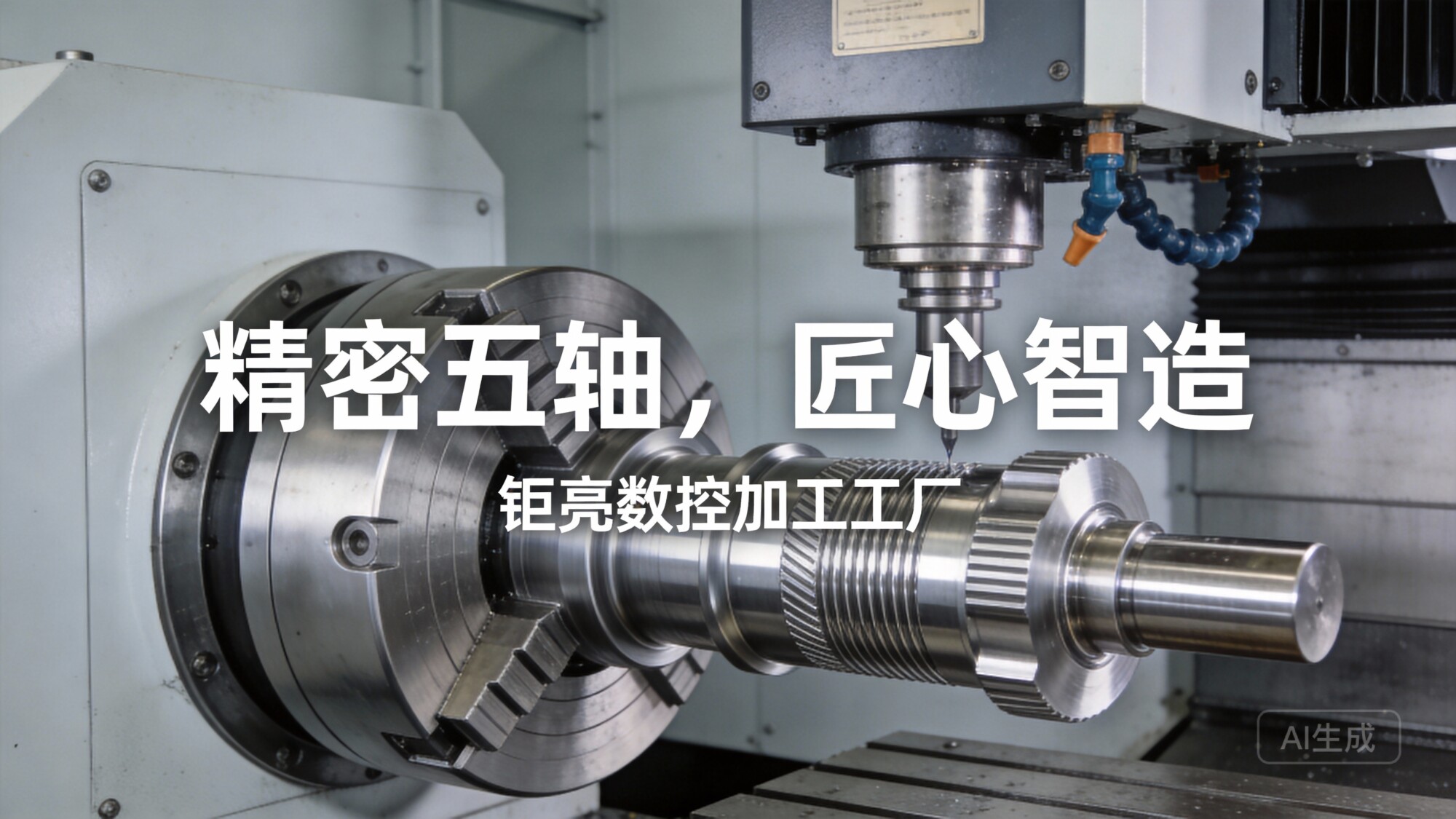
The agricultural sector is undergoing a profound transformation, driven by the integration of unmanned aerial vehicle (UAV) technology into traditional farming practices. Among the most impactful innovations is the drone seed spreader—a specialized aerial platform designed to distribute seeds, fertilizers, and other agricultural materials over vast and often inaccessible terrains. However, the efficiency and reliability of these systems hinge entirely on the precision and durability of their individual components. Drone seed spreader parts OEM machining is not merely a manufacturing service; it is a critical engineering discipline that bridges the gap between innovative aerial agricultural concepts and field-ready, high-performance equipment. The complexities involved—from intricate flow control mechanisms to lightweight yet robust structural frames—demand a manufacturing partner with deep technical expertise, advanced multi-axis capabilities, and a proven track record in precision component production.
The Critical Demands of Drone Seeder Component Manufacturing
The operational environment for agricultural drones presents a unique set of challenges that directly influence the requirements for OEM machined parts. Unlike stationary industrial machinery, these components must endure constant vibration, variable payloads, exposure to harsh chemicals (fertilizers and pesticides), and extreme temperature fluctuations while maintaining absolute reliability. Failure of a single part mid-operation can result in mission failure, crop loss, and expensive equipment downtime.
Material Selection: Balancing Weight, Strength, and Corrosion Resistance
The fundamental decision in any drone seeder part project is material selection. The aerospace-grade aluminum alloys, specifically 6061-T6 and 7075-T6, remain the workhorses for structural components such as mounting brackets, hopper frames, and spreader arms. These materials offer an exceptional strength-to-weight ratio, crucial for maximizing payload capacity without sacrificing structural integrity. For components that come into direct contact with corrosive fertilizers or require higher wear resistance, stainless steel grades like 303 and 316 are often specified. In advanced applications where weight reduction is paramount, high-performance engineering plastics such as PEEK or glass-filled nylon may be machined for non-structural guiding elements.
Precision Tolerances and Surface Finishing for Operational Reliability
While a tolerance of ±0.1mm might be acceptable for a simple bracket, critical components like metering roll shafts, dispensing gate slides, and bearing housings demand precision down to ±0.01mm or even ±0.005mm. Such tight tolerances are essential to ensure consistent seed flow, prevent jamming, and maintain the longevity of moving parts under continuous cyclic loading. Furthermore, appropriate surface finishing is non-negotiable. Components exposed to abrasive seeds require hard anodizing (Type III) to create a wear-resistant surface, while those in contact with chemicals benefit from electroless nickel plating or specialized coatings to prevent corrosion. The machining process itself must account for these post-processing requirements, leaving appropriate stock allowance for finishing treatments.
Overcoming Key Manufacturing Challenges in Drone Seeder Parts
The path from a 3D CAD model to a reliable machined part is fraught with technical hurdles. Here are the most critical challenges encountered in drone seed spreader parts OEM machining and how a seasoned manufacturer addresses them.
Complexity of Internal Passages and Lightweighting
Modern drone seed spreaders are increasingly designed with integrated hopper outlets, Venturi-style air passages for pneumatic seed delivery, and complex internal vanes for uniform dispersion. Machining these internal features in a single setup is extremely challenging with conventional 3-axis milling. This is where Five-Axis CNC Machining becomes indispensable. By rotating the workpiece and cutting tool simultaneously, a 5-axis machine can approach the part from virtually any angle, eliminating the need for multiple fixtures and re-clamping errors. This capability is crucial for achieving the complex geometries required for optimized seed flow and uniform distribution patterns.
The Small Run Dilemma and Scalability
The drone industry is characterized by rapid iteration cycles. A manufacturer may need only 10 prototypes for field testing, followed by 500 units for a pilot program, and then potentially scale to 10,000 units for mass commercialization. Many traditional machine shops are optimized either for high-volume production (using dedicated tooling) or for low-volume prototypes (using manual methods). A flexible OEM partners offers the agility to handle all three phases seamlessly. The same 5-axis machines that create the prototypes can be programmed to run unattended overnight for medium-volume production, utilizing automated pallet changers and robotic part loading. This scalability is a defining characteristic of a truly capable precision manufacturing partner.
Ensuring Interchangeability and Assembly Fit
A drone seed spreader is an assembly of dozens of precision parts: the hopper, the metering unit, the fan housing, the spreader plate, and the frame. For field maintenance and repair, these parts must be perfectly interchangeable, meaning any replacement part fits without additional adjustment. Achieving this requires rigorous process control, in-process inspection, and final quality verification against the original CAD model. Statistical process control (SPC) methods, where key dimensions are measured and tracked throughout the production run, are implemented to guarantee that every part meets specification, regardless of when it was machined within the batch.
GreatLight Metal: A Technical Comparison Among Leading OEM Suppliers
When evaluating partners for drone seed spreader parts OEM machining, it is instructive to compare the core capabilities of several prominent players in the on-demand manufacturing space. The choice is not merely about price but about alignment of technical expertise, quality systems, and scalability. Below is a comparative analysis based on publicly available information and industry reputation.
| Company | Core Specialization | Key Differentiator | Ideal Application Scale |
|---|---|---|---|
| GreatLight Metal | High-Precision Multi-Process Integrated Manufacturing (CNC, Die Casting, 3D Printing, Sheet Metal) | Full in-house process chain from prototyping to mass production; ISO 9001, ISO 13485, IATF 16949 certified; large-format 5-axis capability (up to 4000mm); deep DFM engineering support. | Low to High Volume (Concept to Production) |
| Protolabs | Rapid Prototyping & On-Demand Production | Fast digital quoting and automated manufacturing, strong in injection molding | Prototyping to Moderate Volume |
| Xometry | AI-Powered Manufacturing Network | Vast supplier network, instant quoting for a wide range of materials and processes | Prototyping to Low-Medium Volume |
| Fictiv | Digital Manufacturing Ecosystem | Managed network of vetted suppliers, focus on quality and traceability for complex parts | Prototyping to Medium Volume |
Analysis:
Protolabs excels in speed for standard geometries but may struggle with the highly complex, multi-feature components typical of drone spreaders that require advanced 5-axis programming.
Xometry and Fictiv offer broad networks but lack the singular, in-house process control of a dedicated factory. For a critical seed metering component, the traceability and consistency from a single-source manufacturer like GreatLight Metal provide a significant reliability advantage.
GreatLight Metal’s unique value proposition lies in its vertically integrated facility. Having 5-axis CNC, die casting, sheet metal fabrication, and 3D printing under one roof allows for true design-for-manufacturability (DFM) optimization and single-vendor accountability for assemblies, such as a hopper body that combines CNC-machined flanges with die-cast cores.
The Role of Five-Axis CNC Machining in Drone Seeder Innovation
The complexity of modern drone seed spreader parts OEM machining has made 5-axis CNC technology not just an advantage but a necessity. Consider the manufacture of a variable-rate metering rotor—a component with intricately contoured pockets that must rotate at high speeds to precisely dispense different sized seeds.
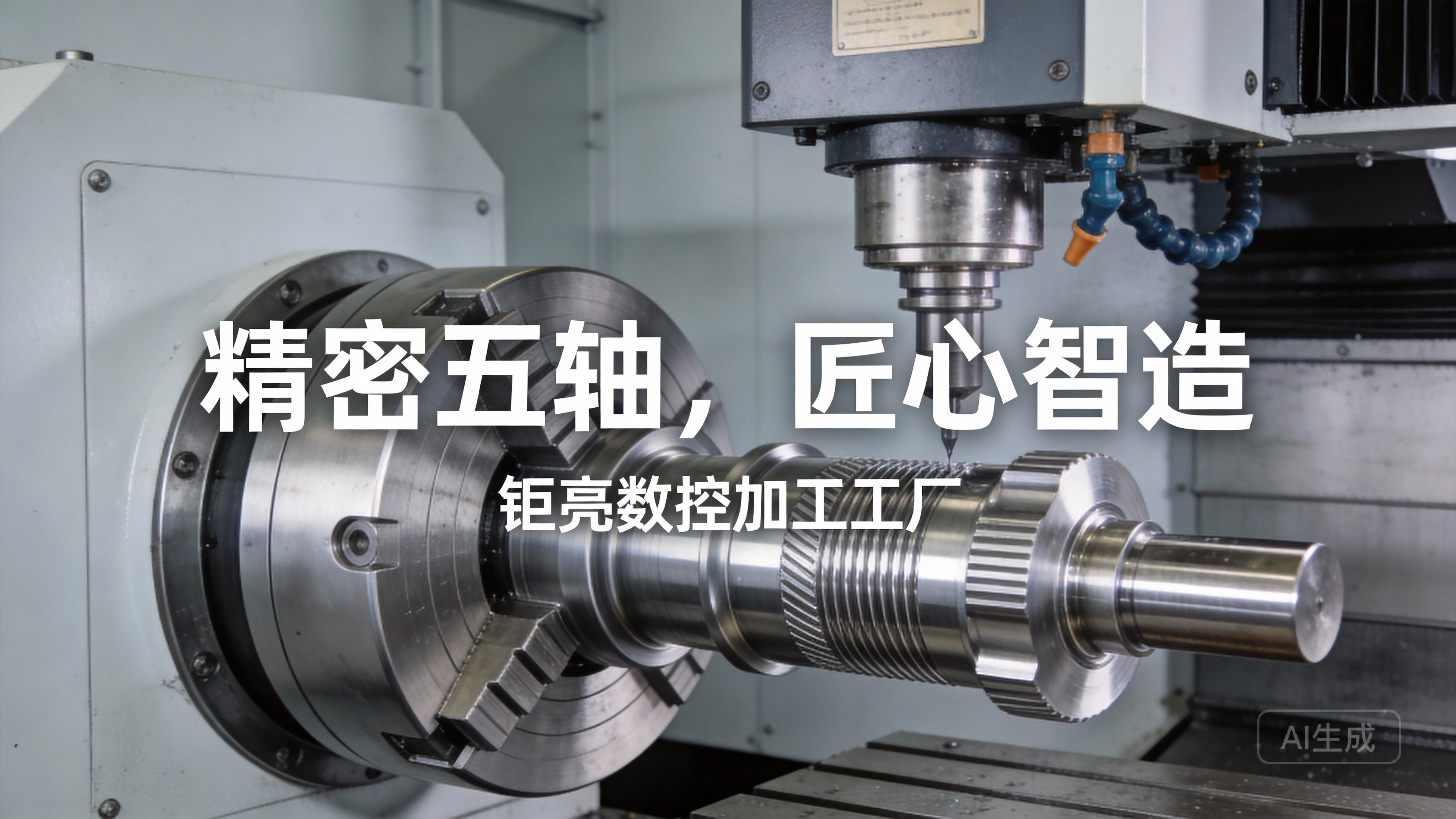
A 3-axis machine would require numerous setups and custom fixtures to cut the pockets on multiple faces, inevitably introducing cumulative errors. A 5-axis machine, however, can execute the part in a single setup. The A and C rotary axes tilt the part so the cutting tool can maintain a perfect perpendicular orientation to each pocket’s surface geometry. This yields superior surface finish, eliminates tool marks from indexing, and guarantees that each pocket is perfectly positioned relative to the others. The result is a rotor that spins with minimal vibration and delivers seed with unmatched accuracy, directly improving the farmer’s yield and reducing waste.
Furthermore, the ability to machine undercuts and complex draft angles in a single setup allows designers to create more aerodynamic and efficient component shapes. This capability directly translates to longer drone flight times and higher payload capacities, as the overall system weight is reduced without compromising strength.
Quality Certifications as a Differentiator in Mission-Critical Applications
In the aerospace and agricultural industries, talk is cheap. Proof is in the system. When selecting an OEM partner for drone parts, the certification portfolio provides a clear, unbiased measure of a manufacturer’s maturity and reliability.
GreatLight Metal’s compliance with multiple international standards is a testament to its operational rigor. An ISO 9001:2015 certification is the baseline for any serious quality management system. However, the addition of ISO 13485 (Medical Devices) and IATF 16949 (Automotive) certification demonstrates a capability to handle parts with the highest demands for traceability, process control, and risk management. The IATF 16949 standard, in particular, mandates defect prevention techniques like Failure Mode and Effects Analysis (FMEA) and the use of core tools (APQP, PPAP). Applying these rigorous automotive methodologies to the manufacture of a drone seed spreader gearbox or a fan impeller elevates the end product’s reliability to a level that a non-certified shop cannot guarantee.
These certifications become especially critical when a drone manufacturer seeks to certify its own aircraft with aviation authorities like the FAA or EASA. Using a certified parts supplier significantly reduces the burden of documentation and process validation required to prove the airworthiness of the final product.
Why GreatLight Metal is the Preferred Partner for Drone Seeder OEM Machining
For companies seeking a reliable partner, the choice often comes down to a combination of technical capability, proven process, and a collaborative engineering approach.
Full-Process Chain Integration
The most significant advantage of working with GreatLight Metal is the elimination of fragmented supply chains. A typical drone seeder frame might be CNC machined, the hopper die-cast, and the deflector sheet metal formed. Managing separate vendors for each process introduces schedule risks and quality inconsistencies. GreatLight Metal’s single-source capability ensures seamless coordination, from initial DFM feedback to final assembly and surface finishing. This integration is particularly valuable for precision assemblies where the fit between a CNC-machined bracket and a die-cast housing must be perfect.
Engineering Support and Design for Manufacturability (DFM)
The journey of a design drawing to a cost-effective, machinable part is rarely straightforward. A deep bench of application engineers works directly with OEM design teams to analyze the drone seed spreader parts OEM machining requirements. This collaborative DFM process identifies potential issues early—such as an unreachable internal corner, an unnecessarily tight tolerance, or a wall section that is too thin for the chosen material. By optimizing the design for the machining process before a single chip is cut, significant costs and lead times are saved. This engineering-first approach transforms a simple parts supplier into a valuable innovation partner.
Proven Track Record in High-Stakes Industries
The experience from automotive, medical, and aerospace projects directly benefits the agricultural drone sector. The same meticulous process control required to machine a component for a humanoid robot arm or an engine housing is applied to drone seed spreader parts. The factory floor, located in the manufacturing hub of Dongguan, operates with 150 skilled professionals and 127 precision machines, including a formidable array of 5-axis, 4-axis, and 3-axis CNC machining centers, along with lathes, EDM, and grinding machines. This infrastructure provides the production capacity and technical depth to handle orders ranging from a single prototype for a startup to a production run of thousands for an established OEM.
Conclusion: Elevating Agricultural Automation Through Precision Engineering
The success of drone-based seeding technology depends on the flawless execution of its simplest and most complex components alike. The field of drone seed spreader parts OEM machining is a testament to the power of precision engineering in enabling new frontiers of agricultural efficiency and environmental sustainability. By partnering with a manufacturer that combines advanced 5-axis machining capabilities, a full spectrum of in-house processes, and internationally recognized quality systems, OEMs can significantly de-risk their product development cycles.
The future of farming is in the air, and it is being built on the foundation of meticulously crafted, reliable components. Whether you are developing a precision variable-rate spreader for a high-value crop or a rugged broadcast seeder for reforestation, the choice of manufacturing partner will ultimately determine the performance and longevity of your system. To explore how a vertically integrated, certified manufacturer can solve your most complex drone seed spreader parts OEM machining challenges, engage with industry experts who understand the intersection of precision and application. Your parts are the final link in a chain of innovation—ensure they are manufactured to the highest standard.


![[访谈] RAPID + TCT 2024:人工智能对 3D 打印的价值](https://print-ing.com/wp-content/uploads/2024/07/INTERVIEW-60x60.jpeg "[访谈] RAPID + TCT 2024:人工智能对 3D 打印的价值 9")




发表回复
要发表评论,您必须先登录。