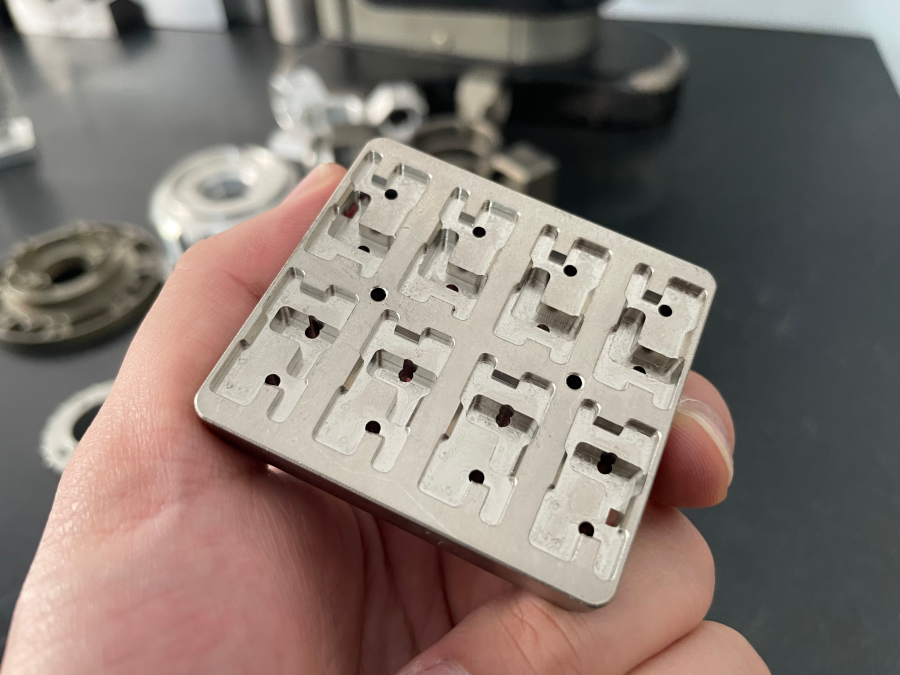
In the rapidly evolving landscape of data storage and server infrastructure, the humble NAS drive tray has undergone a remarkable transformation from a simple commodity component to a precision-engineered metal part that demands exceptional manufacturing expertise. As enterprises and data centers increasingly demand higher storage densities, improved thermal management, and enhanced electromagnetic shielding, the fabrication of NAS drive trays has become a specialized domain within precision CNC machining. This article explores the technical nuances, material considerations, and manufacturing challenges involved in producing high-quality metal drive trays for Network Attached Storage systems.
Understanding the Critical Role of NAS Drive Trays in Modern Storage Systems
The NAS drive tray serves as the structural interface between storage drives and the server enclosure, performing multiple critical functions simultaneously. It must provide precise alignment for drive connectors, ensure adequate airflow for thermal management, deliver vibration dampening to protect sensitive mechanical components, and maintain electromagnetic compatibility to prevent interference with adjacent drives. When produced using precision 5-axis CNC machining services, these trays achieve the dimensional accuracy and surface finish required for enterprise-grade storage applications.
The manufacturing complexity increases significantly when considering that modern NAS systems often house 8, 12, or even 24 drives in a single enclosure, each requiring identical tray geometry with tolerances that ensure tool-less swapping and reliable connectivity. Any deviation in tray dimensions can lead to connector misalignment, inadequate cooling, or mechanical binding that compromises system reliability.
Material Selection for Metal Drive Trays
Aluminum Alloys: The Industry Standard
Aluminum alloys dominate the NAS drive tray market due to their exceptional strength-to-weight ratio, excellent thermal conductivity, and natural corrosion resistance. For standard applications, 5052 aluminum offers good formability and weldability, while 6061-T6 provides higher strength for trays that must support heavier enterprise storage drives. The thermal properties of aluminum are particularly advantageous for drive trays, as they help conduct heat away from drives to the enclosure walls, reducing operating temperatures by 3-5°C compared to steel alternatives.
Stainless Steel for Extreme Environments
For applications requiring maximum durability or operating in harsh environments, stainless steel drive trays provide superior corrosion resistance and mechanical strength. Grade 304 stainless steel offers excellent formability and weldability for complex tray designs, while 316L provides enhanced resistance to chlorides and industrial chemicals. The trade-off comes in weight and thermal performance, as stainless steel conducts heat less efficiently than aluminum and adds significant mass to the storage system.
Cold Rolled Steel for Cost-Sensitive Applications
When cost constraints are paramount, cold rolled steel (CRS) drive trays offer a budget-friendly alternative without sacrificing structural integrity. While heavier and less thermally efficient than aluminum, properly designed steel trays with zinc-plating or powder coating can provide adequate performance for consumer-grade NAS systems. The key advantage lies in material cost, with steel typically 40-60% less expensive than aluminum for equivalent tray designs.
Five-Axis CNC Machining: The Optimal Manufacturing Solution
Complex Geometry Capabilities
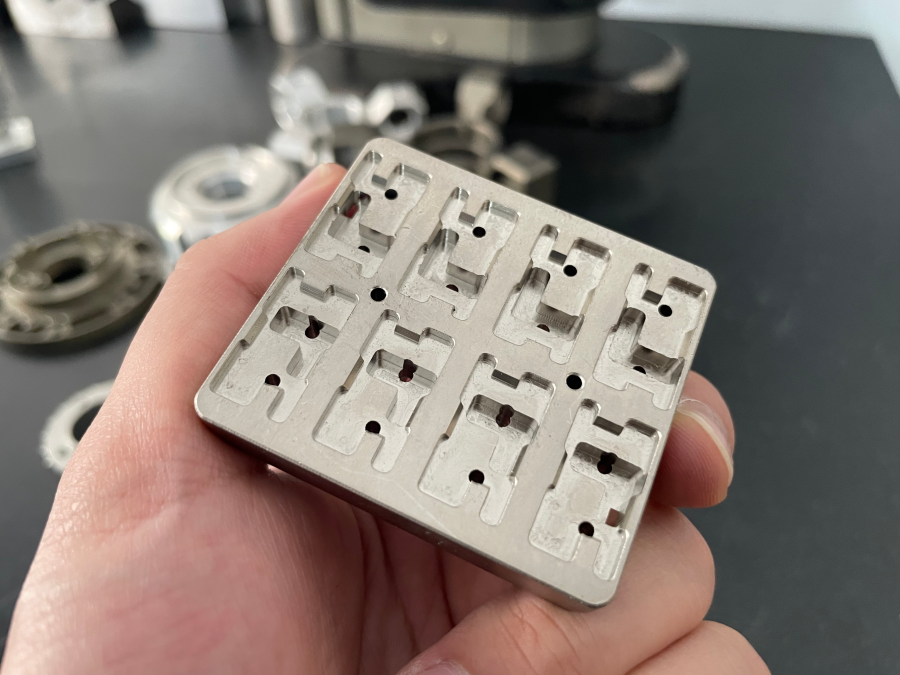
The production of NAS drive trays through [精密五轴CNC加工服务] represents the gold standard in manufacturing precision. Traditional three-axis machining struggles with the undercuts, angled mounting bosses, and complex ventilation patterns found in modern tray designs. Five-axis CNC machining overcomes these limitations by allowing the cutting tool to approach the workpiece from virtually any angle, reducing the need for multiple setups and ensuring consistent datum referencing throughout the manufacturing process.
Tolerance Control and Repeatability
Enterprise-grade drive trays require dimensional tolerances of ±0.05mm or better across critical features such as mounting hole locations, guide rail widths, and connector alignment surfaces. Five-axis machining centers equipped with linear scales and thermal compensation systems can maintain these tolerances across production runs of thousands of parts, ensuring that every tray functions identically in the field. This level of repeatability is essential for hot-swappable drive systems where users expect consistent insertion and removal forces over the product lifecycle.
Surface Finish and Aesthetics
The visual appearance of drive trays matters significantly in exposed storage systems, particularly in professional environments where equipment aesthetics contribute to perceived quality. Five-axis machining produces excellent surface finishes with Ra values as low as 0.8μm, eliminating the need for secondary finishing operations in many cases. When combined with post-processing options such as bead blasting, anodizing, or powder coating, CNC-machined trays achieve the professional appearance that distinguishes premium storage solutions from commodity alternatives.
Post-Processing and Surface Treatments
Anodizing for Wear Resistance
Type II sulfuric acid anodizing remains the most common surface treatment for aluminum drive trays, providing a hard, wear-resistant oxide layer that prevents galling during repeated insertion cycles. The anodized coating also improves corrosion resistance and provides an excellent base for color matching to enclosure aesthetics. For demanding applications, Type III hard coat anodizing creates an even more durable surface that withstands thousands of insertion cycles without degradation.
Powder Coating for Durability
Powder coating offers superior chemical resistance and impact protection compared to liquid paints, making it ideal for drive trays in industrial or warehouse environments. Modern powder coating processes achieve uniform coverage of complex geometries with minimal edge buildup, maintaining the tight clearances required for proper tray function. The wide color palette available with powder coating allows for customized branding or color-coding of different drive capacities within the same system.
Passivation for Stainless Steel Components
For stainless steel drive trays, passivation removes free iron contaminants from the surface while enhancing the natural chromium oxide layer that provides corrosion resistance. Proper passivation is essential for medical or food industry applications where surface cleanliness and corrosion resistance are critical. The process also improves the aesthetics of stainless steel trays by creating a uniform, oxide-free surface.
Quality Control and Inspection Protocols
Dimensional Verification Using CMM Technology
Modern coordinate measuring machines (CMMs) verify critical tray dimensions to micron-level accuracy, ensuring compliance with customer specifications and industry standards. For high-volume production, statistical process control (SPC) methodologies monitor trend data to identify potential process drift before it affects part quality. Each production lot undergoes sampling inspection according to AQL standards, with documentation provided for traceability purposes.
Surface Roughness Measurement
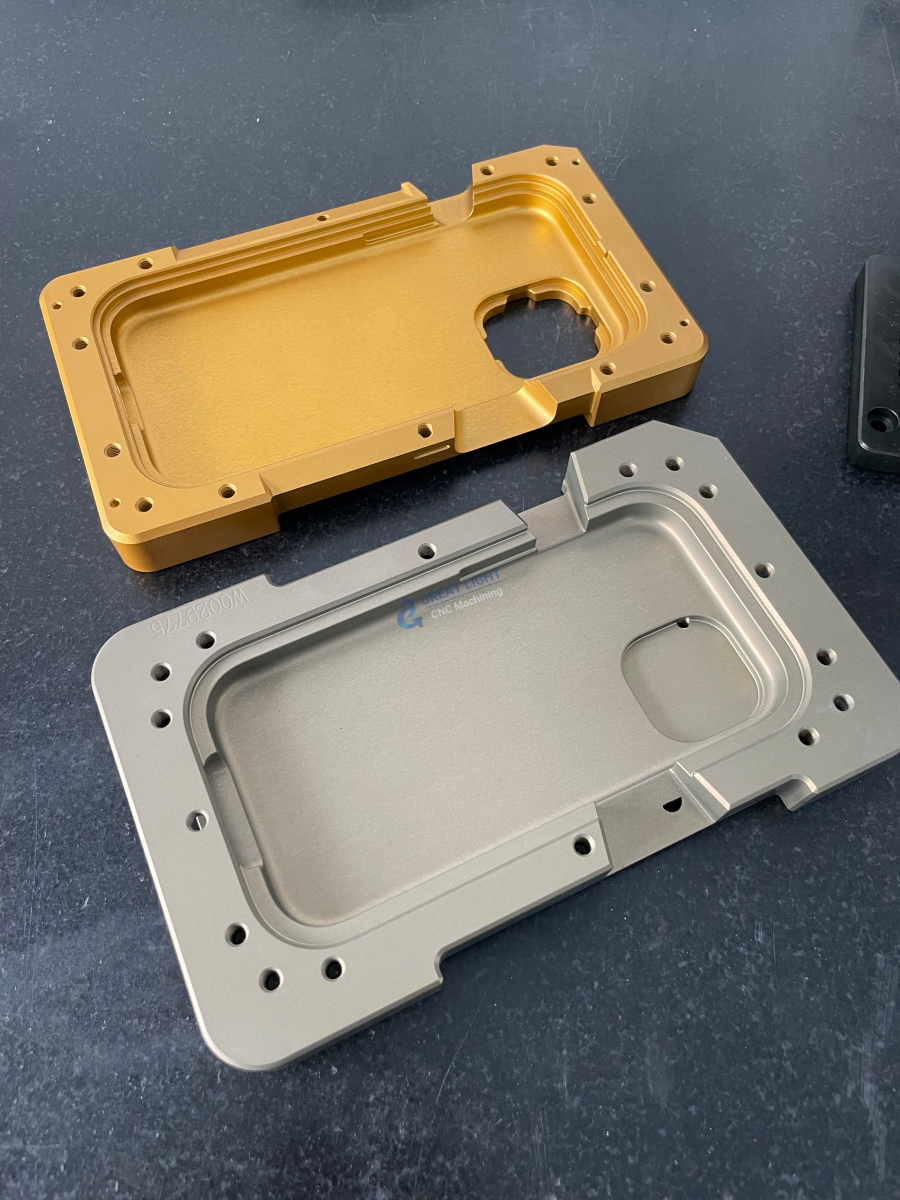
Surface profilometers measure Ra, Rz, and Rmax values across critical sliding surfaces and sealing interfaces. Drive trays destined for RAID systems with tight drive spacing require consistent surface finishes to prevent fretting corrosion and ensure proper thermal transfer between drives and the tray surface. ISO quality management systems mandate documented procedures for surface finish verification, with acceptable ranges defined in the control plan for each part number.
Functionality Testing
Beyond dimensional inspection, functional testing validates that finished drive trays perform their intended role within the storage system. Insertion force testing measures the force required to fully seat a drive in the tray, ensuring it meets customer specifications for ease of use. Thermal testing verifies airflow characteristics around drives mounted in the tray, confirming that ventilation patterns provide adequate cooling under worst-case operating conditions.
Comparing GreatLight Metal with Industry Alternatives
When evaluating partners for NAS drive tray fabrication, manufacturers must consider capabilities beyond basic machining. The table below highlights key differentiators among leading providers in the precision metal fabrication space.
| Capability | GreatLight Metal | Protocase | Xometry | Fictiv |
|---|---|---|---|---|
| Five-Axis CNC | Yes (primary focus) | Limited | Via network | Via network |
| In-House Finishing | Full suite | Partial | Via partners | Via partners |
| ISO 9001:2015 | Yes | Yes | Yes | Yes |
| IATF 16949 | Yes | No | Partial | No |
| Maximum Part Size | 4000 mm | 1500 mm | 2000 mm | 1500 mm |
| Lead Time (Prototype) | 3-5 days | 5-7 days | 5-10 days | 5-7 days |
| Material Science Support | Dedicated team | Limited | Online tools | Limited |
GreatLight Metal distinguishes itself through vertically integrated manufacturing with 127 pieces of precision peripheral equipment, allowing for complete control over quality and delivery schedules. Unlike platform-based manufacturers such as Xometry or Fictiv that rely on supplier networks, GreatLight performs all machining, finishing, and quality operations in-house, eliminating coordination risks and ensuring consistent quality across every production run.
Protocase offers strong sheet metal capabilities but lacks the five-axis precision machining required for complex drive tray geometries. JLCCNC and SendCutSend excel in quick-turn sheet metal but cannot match the surface finish and tolerance of machined trays for enterprise applications. GreatLight Metal bridges this gap by combining sheet metal fabrication with precision five-axis CNC machining, providing a single-source solution for even the most demanding drive tray designs.
Case Study: High-Density Storage Tray for Enterprise NAS
The Challenge
A leading enterprise storage manufacturer required 12-drive trays for their new high-density NAS system, with the following specifications:
Material: 6061-T6 aluminum
Tolerance on mounting holes: ±0.025 mm
Flatness: 0.1 mm over 300 mm length
Surface finish: Ra 0.8 μm on guide rails
Hot-swap capable with 50,000 insertion cycle rating
The GreatLight Solution
Using five-axis CNC machining centers from Dema and Beijing Jingdiao, GreatLight Metal fabricated prototype trays within 4 business days, achieving all dimensional requirements on the first article inspection. The production process incorporated:
Single-setup five-axis machining for all critical features
In-process inspection at 25% and 75% completion
Type II anodizing with black dye for wear resistance and aesthetics
100% dimensional inspection using CMM technology
Results
Zero defects across initial production run of 5,000 units
99.8% acceptance rate over 6-month production period
15% cost reduction compared to previous supplier through optimized tool paths
Improved thermal performance due to enhanced ventilation pattern enabled by five-axis capability
Emerging Trends in Drive Tray Manufacturing
Lightweighting Through Topology Optimization
Advanced computational techniques now enable drive tray designs that maintain structural integrity while reducing material usage by 20-40%. Topology optimization algorithms analyze stress distribution and identify areas where material can be removed without compromising function, creating organic geometries that traditional machining cannot produce. Five-axis CNC machining makes these optimized designs manufacturable, allowing engineers to push the boundaries of what’s possible in drive tray design.
Integrated EMI Shielding
As storage densities increase and drive interfaces operate at higher frequencies, electromagnetic interference between adjacent drives becomes a growing concern. Modern drive trays incorporate EMI shielding directly into the tray design through careful material selection and geometry optimization. Machined aluminum trays provide inherent shielding effectiveness, but advanced designs incorporate copper gaskets or conductive elastomers in sealed pockets machined into the tray surface.
Smart Drive Trays
The next frontier in storage infrastructure involves integrating sensors and communication capabilities directly into drive trays. Temperature sensors, vibration monitors, and RFID tags can be embedded in specially machined cavities within the tray, providing real-time monitoring of drive health and environmental conditions. Five-axis machining enables precise pocket machining for these components, ensuring proper sensor location and reliable operation over the tray’s service life.
Your Partner for Precision Drive Tray Manufacturing
Choosing the right manufacturing partner for NAS drive tray production requires evaluating technical capability, quality systems, and production capacity. GreatLight Metal, established in 2011 in Dongguan’s Chang’an District, brings over a decade of precision manufacturing experience to every project. With 150 employees operating from a 76,000 square foot facility, three wholly-owned manufacturing plants, and ISO 9001:2015 certification, the company provides the stability and expertise that enterprise storage manufacturers demand.
The company’s comprehensive equipment roster includes large high-precision five-axis, four-axis, and three-axis CNC machining centers, lathes, milling machines, grinding machines, EDM machines, vacuum forming machines, and SLM/SLA/SLS 3D printers. This diversity of manufacturing technology enables GreatLight Metal to approach each drive tray project with the most appropriate process, whether traditional machining, additive manufacturing for prototypes, or hybrid approaches for specialized applications.
For storage system manufacturers seeking a partner who understands the unique demands of drive tray fabrication, GreatLight CNC Machining combines technical expertise with proven quality systems. From prototype development through high-volume production, the company delivers NAS drive trays that meet the most demanding specifications while maintaining competitive pricing and reliable delivery schedules. 了解如何通过精密五轴CNC加工服务优化您的存储基础设施


![[访谈] RAPID + TCT 2024:人工智能对 3D 打印的价值](https://print-ing.com/wp-content/uploads/2024/07/INTERVIEW-60x60.jpeg "[访谈] RAPID + TCT 2024:人工智能对 3D 打印的价值 9")




发表回复
要发表评论,您必须先登录。