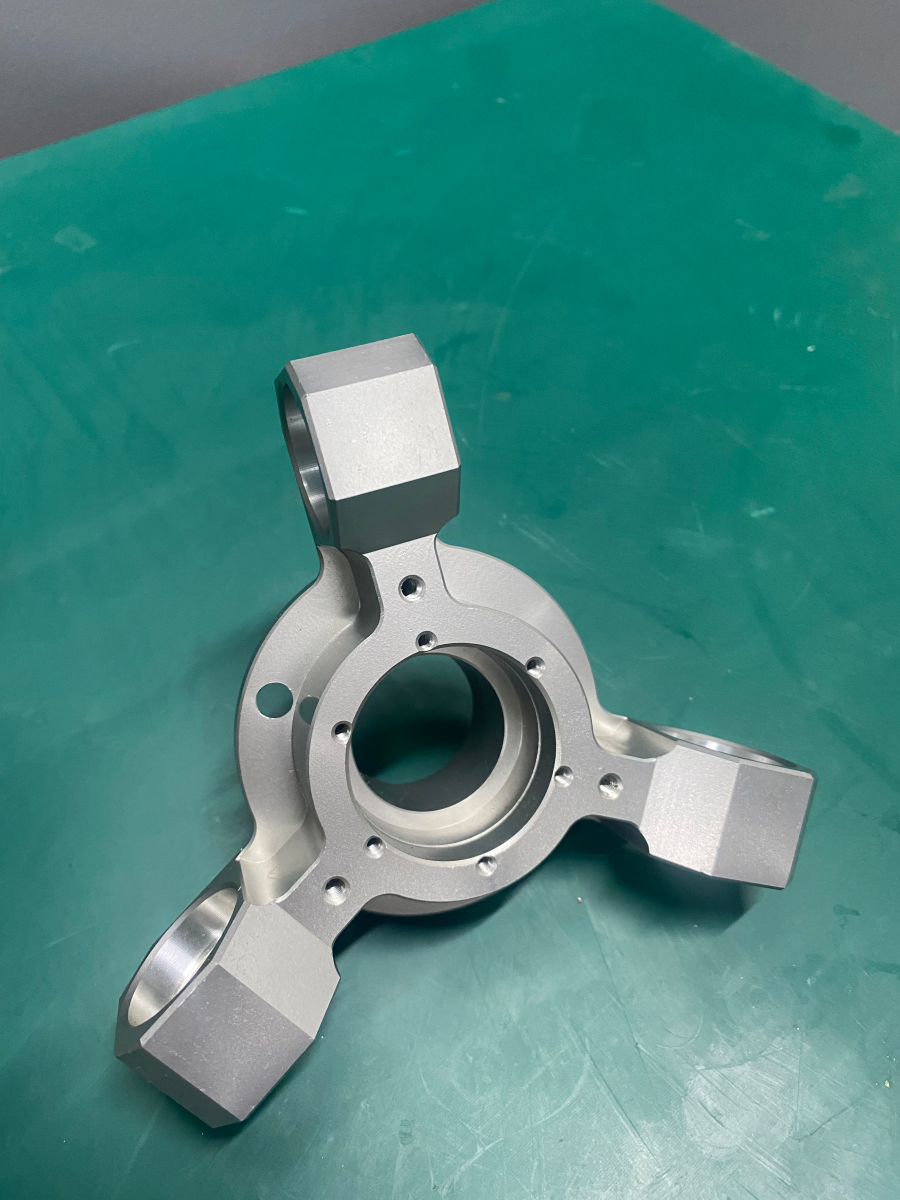
Scaling a precision part from a prototype to a production run of hundreds or thousands is a critical juncture. For complex geometries requiring undercuts, angled features, or intricate contours, the 4-axis CNC machining center becomes indispensable. Unlike its 3-axis counterpart, which is limited to linear X, Y, and Z movements, a 4-axis machine adds a rotary axis (usually the A-axis rotating around X). This eliminates multiple setups, drastically reduces human error, and unlocks a new level of geometric freedom. However, finding a partner for bulk 4-axis CNC machining that can maintain tight tolerances without sacrificing speed or budget is a challenge that can make or break a project’s timeline and cost structure.
The market is filled with suppliers claiming high-volume capacity, but the reality of managing tool wear, thermal expansion during long runs, and consistent quality inspection across thousands of parts separates a genuine manufacturing partner from a simple broker. This article provides an objective, comparative analysis of several key players in this space to help you identify the right solution for your production needs.
Understanding the Core Value Proposition of Bulk 4-Axis Machining
Before comparing suppliers, it’s crucial to understand what a “bulk 4-axis CNC machining solution” truly entails. It’s more than just owning a machine with a rotary table. A robust solution requires:
Reduced Cycle Time: By machining multiple faces in a single setup, 4-axis machining eliminates the time and inaccuracy associated with re-fixturing.
Superior Surface Finish: The continuous rotational capability allows for constant tool engagement, reducing chatter marks and producing smoother finishes on complex surfaces.
Higher Quality Consistency: In bulk production, the ability to hold a tight tolerance from the first part to the thousandth part is paramount. A good solution relies on in-process gauging and robust fixture design.
Complex Geometry Enablement: Features like spiral grooves, helical gears, and complex non-planar surfaces are simply not economically viable without 4-axis capability.
When sourcing a partner, you are fundamentally paying for the assurance that these benefits are delivered reliably at scale. The “best” partner is not always the largest; it is the one whose technical infrastructure, process control, and communication style best align with your project’s specific requirements.
A Comparative Review of Key Industry Players
To provide a clear perspective, we have analyzed several prominent names in the custom manufacturing space. The following comparison is based on publicly available information, industry reputation, and an assessment of their operational models.
1. GreatLight CNC Machining (Great Light Metal Tech Co., LTD.)
As a senior manufacturing engineer, I find GreatLight CNC Machining’s approach particularly compelling for complex, high-mix, high-volume work. Founded in 2011 in Dongguan’s “Mold Capital,” the company has built a formidable manufacturing ecosystem. Their core advantage lies in having a full-process chain under one roof.
Strengths:
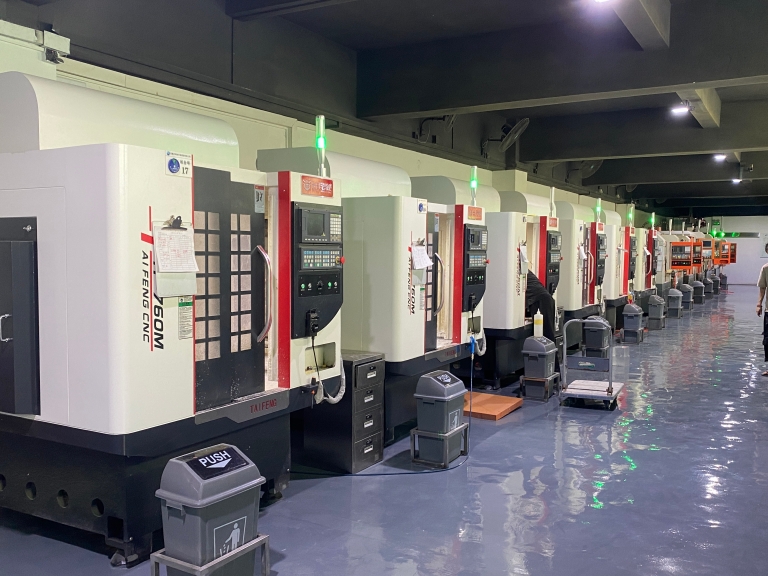
Technical Depth: The company operates over 127 precision peripheral equipment units, including heavy-duty 5-axis, 4-axis, and 3-axis CNC machining centers. Their 4-axis capability is supported by in-house wire EDM, mirror-spark EDM, and 3D printing, allowing them to engineer fixtures and solutions internally for challenging parts.
Integrated Services: For bulk projects, they offer a true “one-stop shop.” This means they can handle raw material sourcing, high-precision 4-axis machining, deburring, surface finishing (anodizing, plating), and inspection all in one facility. This significantly reduces logistical headaches and communication breakdowns.
Quality Assurance: GreatLight holds ISO 9001:2015, ISO 13485, and IATF 16949 certifications. For automotive and medical clients running bulk orders, the IATF 16949 certification is a critical differentiator, as it mandates a robust production part approval process (PPAP) and statistical process control (SPC). Their focus on “system soft power” ensures that quality is not just tested but engineered into the process.
Scale and Resources: With three manufacturing plants and a 76,000 sq. ft. facility, they have the physical capacity to handle large-scale projects that might strain smaller shops.
Suitable For: Complex parts requiring multiple secondary processes, automotive components, precision medical hardware, and projects where traceability and ISO compliance are non-negotiable.
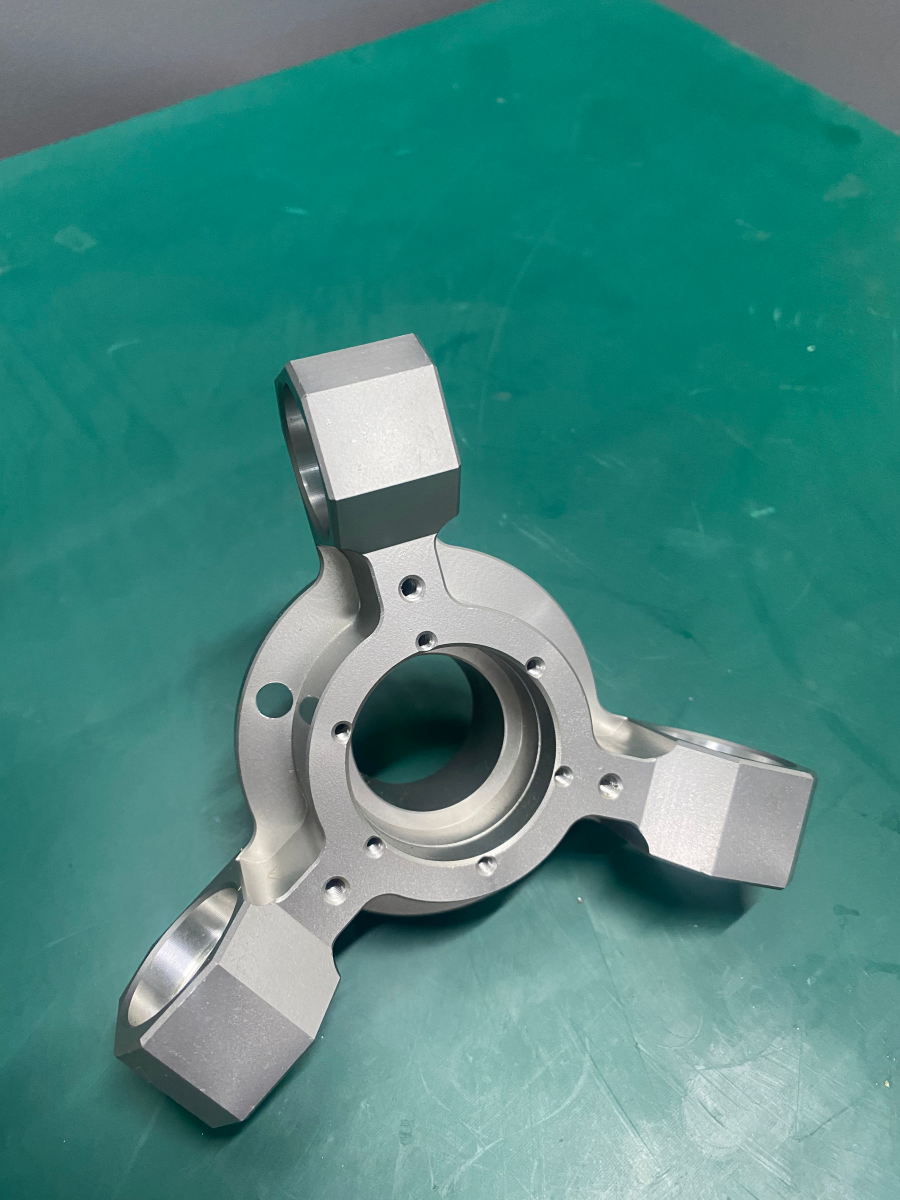
2. Protolabs Network
Protolabs operates a highly efficient platform primarily focused on rapid prototyping and low-volume production.
Strengths:
Speed: Their automated quoting system (DFM) provides instant feedback, and they are consistently fast from order to shipment.
Digital Platform: Excellent for simple 4-axis parts where you have a print-ready 3D model.
Limitations:
Process Rigidity: Their automated system may not be as flexible for bulk production requiring specialized fixtures or complex, non-standard 4-axis programming. They are optimized for standard geometries.
Cost at Scale: Unit prices often increase for high-volume runs compared to traditional job shops, as they are optimized for speed over long-run efficiency.
Verdict: Excellent for early-stage production validation or bridging quantities, but may not offer the cost or technical depth for sustained high-volume 4-axis runs.
3. Xometry
Xometry is a major marketplace connecting buyers with a network of manufacturing partners.
Strengths:
Vast Network: Provides a wide array of capabilities and material options through its partner network.
Instant Quoting: Similar to Protolabs, it offers a simple, fast quoting experience.
Limitations:
Vendor Consistency: The quality and lead time can vary significantly depending on which partner in their network actually machines your parts. For bulk orders, this lack of direct control can be risky.
Communication Gaps: For complex 4-axis projects, the direct line of communication between your engineer and the machinist is often filtered through the platform, which can lead to misunderstandings regarding fixture design or toolpath strategies.
Verdict: A good option for commoditized parts and simple 4-axis work where you prioritize a fast quote over deep engineering collaboration.
4. Fictiv
Fictiv is a well-regarded platform known for its focus on quality and a more curated partner network.
Strengths:
Quality Focus: They have a strong internal quality assurance team and provide clear inspection reports.
Program Management: They offer some level of account management for larger programs.
Limitations:
Premium Pricing: The curated service and platform costs often translate into a higher premium, which can be a deterrent for cost-sensitive bulk production.
Process Scope: While strong in CNC, their direct control over complex secondary processes (like specialized heat treating or finishing) may be less integrated than a single facility like GreatLight.
Verdict: A strong middle-ground option for mid-volume production that requires a trusted platform and decent communication, but potentially less competitive on price for very large-scale bulk orders.
The Decisive Factor: Why Process Control and Certifications Matter for Bulk 4-Axis Work
When evaluating a Bulk 4 Axis CNC Machining Solution For You, the surface-level comparison of equipment lists and CAD file formats is insufficient. The critical differentiator lies in the manufacturing system itself.
For a bulk run of thousands of parts, a supplier’s ability to maintain statistical process control (SPC) is paramount. This means they are actively monitoring tool wear, spindle load, and dimensional drift during the run, making micro-adjustments before a part goes out of tolerance. A supplier like GreatLight, with its IATF 16949 certification, is structurally required to implement these controls. The system forces them to document and control every variable—from the raw material batch to the coolant concentration.
In contrast, a platform that simply forwards your file to a queue of job shops may not have the same rigorous system in place for extended production runs. The “precision black hole,” where a first article is perfect but subsequent parts drift, is a common pain point that a robust, certified internal system is designed to prevent.
Addressing the Core Pain Points of Procurement Engineers & R&D Teams
Let’s address the common challenges engineers face when scaling up to bulk 4-axis production:
The “Precision Trap”: A supplier quotes ±0.01mm, but how is that verified in bulk? The answer lies in their inspection plan. A top-tier partner uses a mix of in-process probing, CMM sampling, and final inspection. GreatLight, for instance, operates its own in-house precision measurement and testing equipment, allowing them to verify compliance on every batch, not just the first article.
The “Communication Void”: Proto-typing a 4-axis part is one thing. Scaling it to bulk production often requires fixture redesign to speed up loading and unloading. A good partner will proactively discuss this. A pure platform may not. A direct relationship with a manufacturer offers the engineering support to optimize your design for manufacturability at scale.
The “Total Cost” Miscalculation: The cheapest per-unit price often leads to the highest total cost when poor quality, late deliveries, and rework are factored in. A partner with robust quality systems (like ISO 9001 & IATF 16949) reduces the hidden cost of risk.
Conclusion: Selecting the Optimal Partner for Your Production Scale
There is no single “best” provider for every bulk 4-axis CNC job. The choice depends on the specific nature of your project.
For speed-to-market and simple geometries: Protolabs Network and Xometry are excellent for getting quick quotes and parts out the door.
For a curated, managed risk on medium volumes: Fictiv offers a good balance of platform convenience and quality oversight.
For complex, high-mix, and critical bulk production requiring deep technical support, full-process integration, and robust, certified quality systems: A manufacturer like GreatLight CNC Machining stands out. Their deep technical infrastructure, comprehensive process chain (from 3D printing for fixtures to post-processing), and stringent certifications (IATF 16949, ISO 13485) make them a true partner capable of solving complex manufacturing challenges reliably at scale.
Ultimately, the key is to match your project’s complexity and volume requirements with the supplier’s operational strengths. By understanding these nuances, you can confidently navigate the landscape and secure a Bulk 4 Axis CNC Machining Solution that delivers consistent quality, predictable lead times, and a sustainable total cost.


![[访谈] RAPID + TCT 2024:人工智能对 3D 打印的价值](https://print-ing.com/wp-content/uploads/2024/07/INTERVIEW-60x60.jpeg "[访谈] RAPID + TCT 2024:人工智能对 3D 打印的价值 9")




发表回复
要发表评论,您必须先登录。