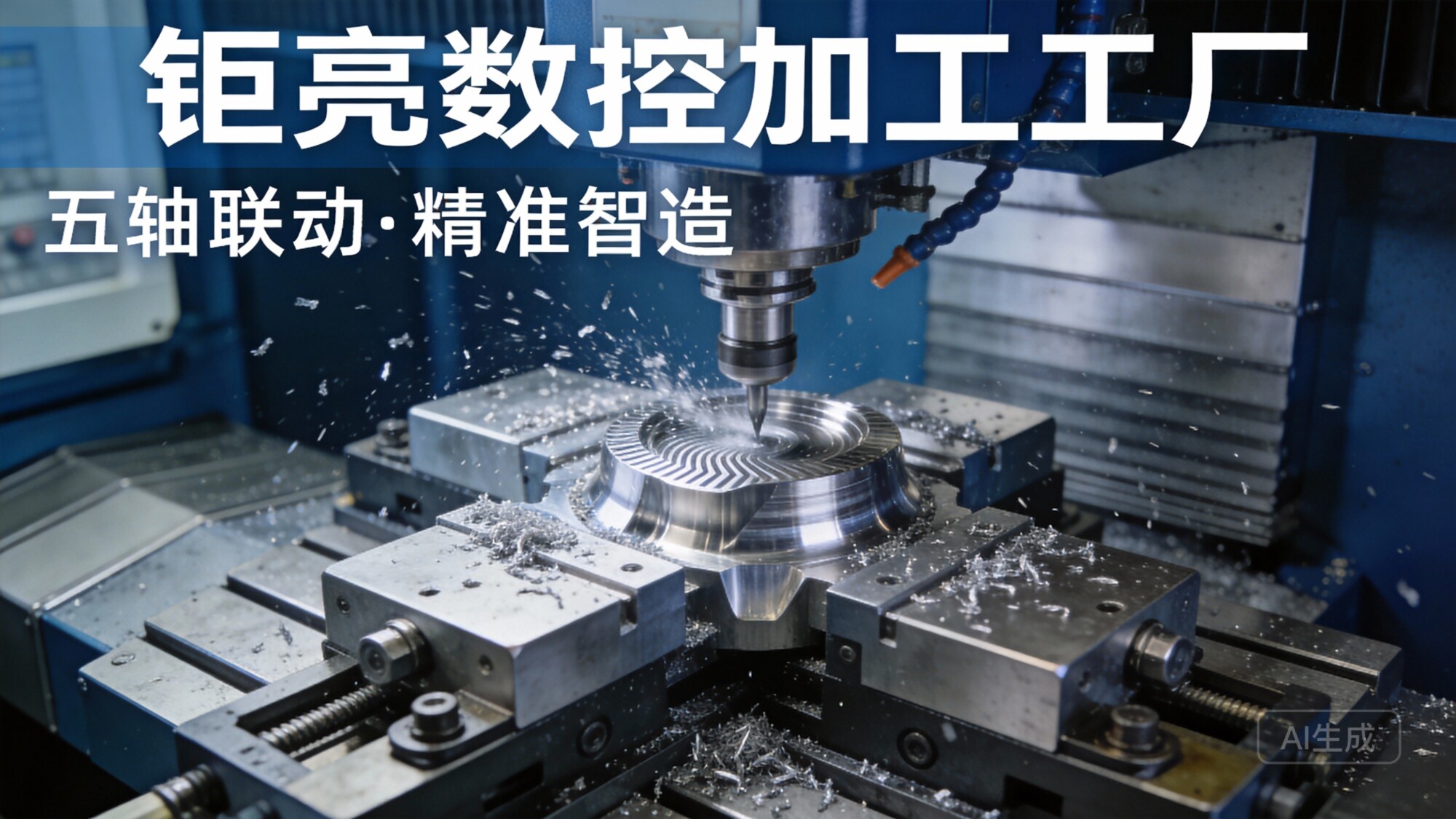
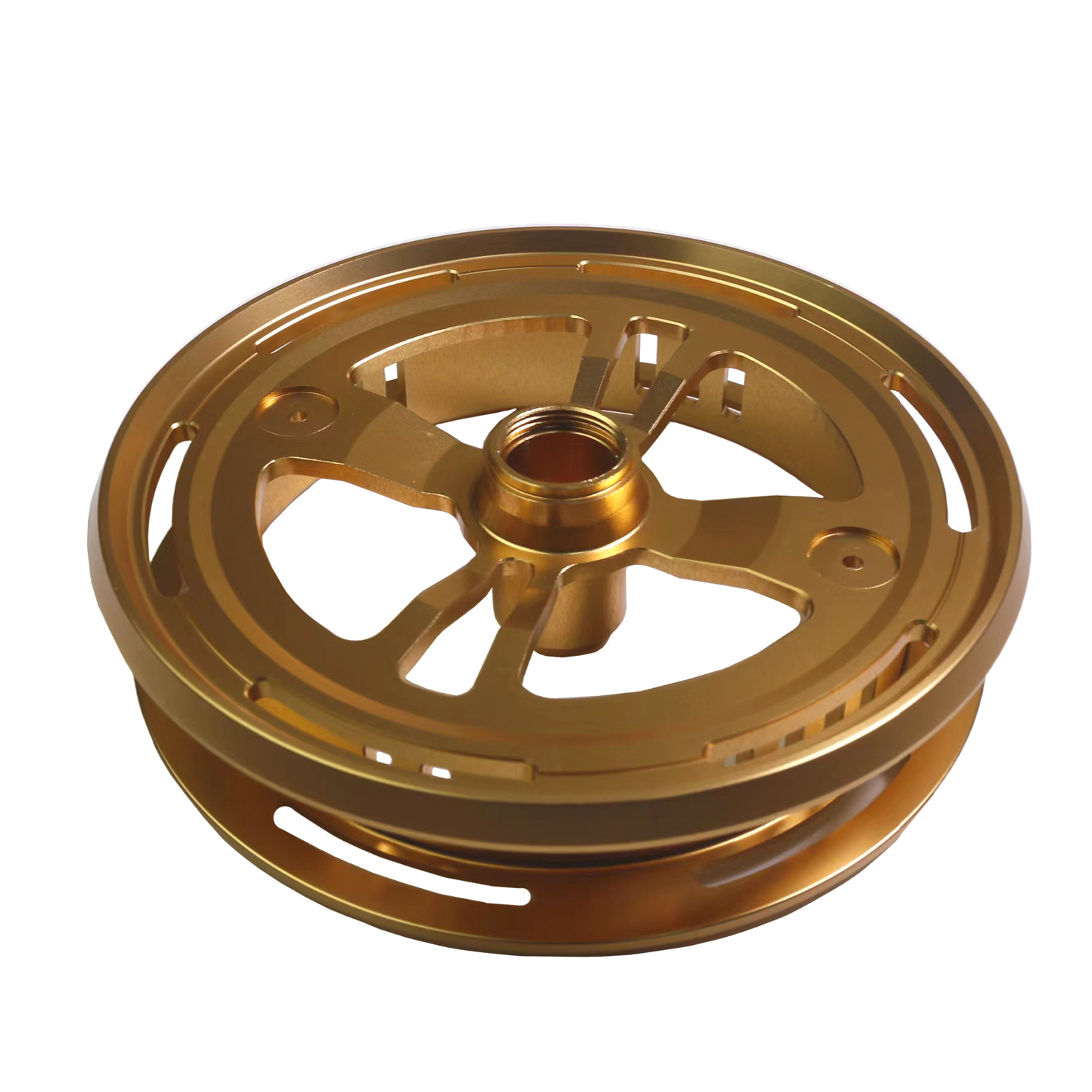
In the high-stakes world of DC UPS Battery Case Fabrication, even a minor manufacturing flaw can cascade into catastrophic system failure. A battery enclosure must do more than simply house cells—it must manage heat, suppress electromagnetic interference, withstand mechanical shock, and maintain an airtight seal for years on end. When a data center’s backup power fails because a poorly machined case allowed moisture ingress or distorted under load, the cost is measured not just in dollars but in uptime, safety, and trust. Over the past decade, I’ve seen how the fusion of deep process knowledge, advanced five-axis CNC machining, and rigorous quality systems can turn this critical component from a potential liability into a pillar of reliability. This article unpacks the engineering demands of battery case production, surveys the manufacturing landscape, and explores why experienced partners are redefining what is possible in precision fabrication.
DC UPS Battery Case Fabrication: Precision is Non-Negotiable
A DC uninterruptible power supply (UPS) battery case is not a simple box. It is a high-integrity enclosure that directly affects thermal performance, structural longevity, and regulatory compliance. Internally, batteries generate significant heat during charge/discharge cycles; if the case cannot dissipate that energy, thermal runaway becomes a real threat. Externally, the enclosure must isolate high-voltage DC circuits from operators and surrounding electronics, while often meeting ingress protection ratings up to IP67. Dimensional tolerances must be held tightly—sometimes within ±0.05 mm over mating surfaces—to ensure gasket sealing and electromagnetic compatibility (EMC). Whether you’re designing for telecom infrastructure, medical power systems, industrial automation, or electric vehicle charging stations, the fabrication partner you choose directly determines whether your product will function flawlessly for its 10‑ to 20‑year design life.
Material Selection for DC UPS Battery Cases: Balancing Weight, Strength, and Cost
The first engineering fork is material choice. Each option imposes distinct machining challenges and cost profiles:
Aluminum alloys (6061‑T6, 5052, 7075): Dominant choice for mid‑ to high‑volume battery enclosures. 6061 offers an excellent balance of machinability, corrosion resistance, and thermal conductivity (about 167 W/m·K). For weight‑sensitive designs, 7075 provides higher strength but at greater cost and slightly reduced corrosion resistance. Both are ideal candidates for 5‑axis CNC machining that creates integral cooling fins, mounting bosses, and internal pockets in a single setup.
Stainless steel (304, 316L): Selected when superior corrosion resistance or high‑strength at elevated temperatures is needed, such as in marine UPS or off‑grid solar installations. Machining stainless requires controlled feeds, rigid fixturing, and tool coatings to avoid work hardening—capabilities that separate commodity job shops from true precision manufacturers.
Sheet metal (galvanized steel, aluminum): Economical for larger enclosures where weight is less critical. Complex bending, welding, and riveting demand tight process control to maintain flatness and EMI seam integrity. Hybrid approaches—a machined front panel combined with a formed steel housing—are common.
Engineering plastics (PC/ABS, FR‑4 composites): Occasionally used in low‑voltage, non‑harsh‑environment UPS systems. While plastic injection molding or compression molding can lower unit cost at scale, tooling investment and lower thermal performance often relegate plastics to niche applications.
Advanced Manufacturing Processes for Battery Cases
Today’s supply chain offers a spectrum of fabrication methods, but not all deliver the same level of precision or integration:
| Process | Typical Tolerance | Surface Finish | Complexity Capability | Economic Batch Size |
|---|---|---|---|---|
| 3‑Axis CNC Milling | ±0.05 mm | Ra 0.8–3.2 µm | Moderate (needs multiple setups) | Prototype to medium |
| 4‑Axis CNC Milling | ±0.03 mm | Ra 0.8–1.6 µm | Good (indexed undercuts) | Medium |
| 5‑Axis CNC Machining | ±0.01 mm or better | Ra 0.4–0.8 µm | Excellent (full 5‑side access, complex contours) | Any volume |
| Die Casting + Post‑Machining | ±0.1 mm (as cast) | Ra 1.6–3.2 µm | High (near‑net shape) | High (1000+ units) |
| Sheet Metal Fabrication | ±0.2 mm | Depends on finishing | Moderate (formed features) | Low to high |
| Metal 3D Printing (SLM/DMLS) | ±0.1 mm | Ra 5–15 µm (as‑built) | Extremely high (internal channels) | Prototype/low volume |
For DC UPS battery cases that incorporate complex internal geometries—such as conformal cooling channels, integrated heat sinks, or hermetic connector ports—5‑axis CNC machining stands out. It eliminates multiple setups, drastically reduces accumulated tolerance errors, and produces superior surface finishes directly off the machine. When combined with in‑house finishing (anodizing, powder coating, laser marking), a single integrator can deliver a ready‑to‑assemble enclosure with zero quality escapes.
The Seven Pain Points in CNC Machining that Impact DC UPS Battery Cases
Throughout my career, I’ve witnessed a recurring set of frustrations that plague engineers and procurement managers alike, particularly when sourcing precision battery enclosures. Understanding these pain points is the first step toward building a robust supply chain.
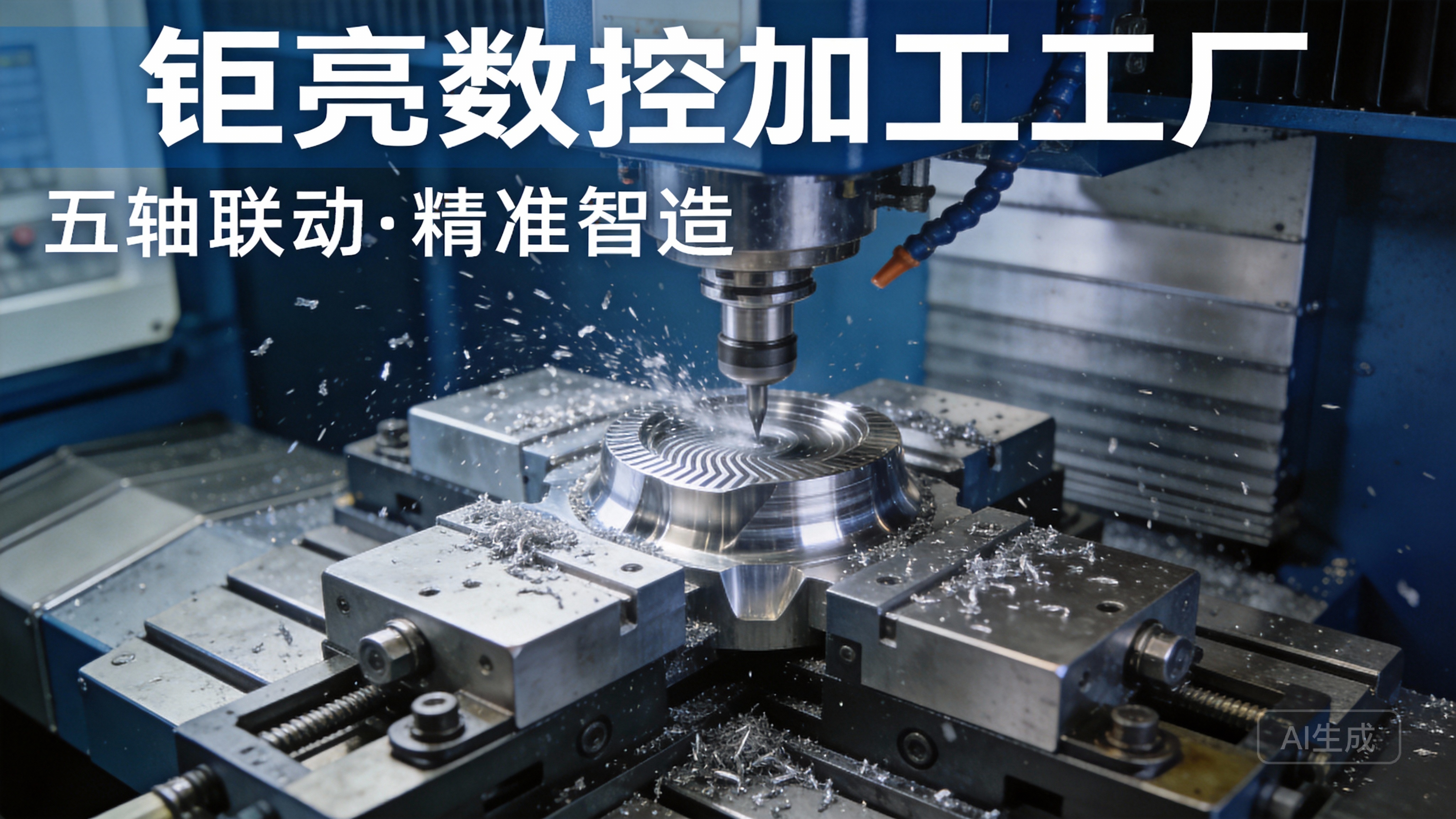
The “Precision Black Hole” – Some suppliers advertise ±0.001 mm capability, but in mass production, aging spindles, thermal drift, and lack of climate‑controlled metrology lead to inconsistent results. For a battery case, where lid flatness and sealing groove depth are critical, such variability can cause leakage or EMC failures.
Process Fragmentation – A typical battery case may require CNC machining, sheet metal forming, welding, and surface treatment. Managing three or four separate vendors multiplies lead time, communication overhead, and the risk of finger‑pointing when something goes wrong.
Design‑for‑Manufacturing Blind Spots – Early‑stage designs often lack draft angles for die casting, ignore minimum internal radii for CNC tooling, or specify impossibly deep threaded holes. A competent manufacturer must provide proactive DFM feedback, not just “machine to print.”
Material Traceability Gaps – In critical power applications, undocumented material substitutions can have dire consequences. A case made from 6061‑O instead of 6061‑T6 may yield mechanically and thermally, yet without full material certifications, the risk remains hidden.
Surface Finish Inconsistencies – Anodizing thickness variations, powder coat orange peel, or uneven bead blasting can affect heat dissipation and EMC grounding. Strict process controls and in‑house finishing orchestration are essential.
Lead Time Unpredictability – Complex enclosures often hit bottlenecks in secondary processes. Without integrated scheduling and redundant capacity, a “two‑week” CNC job can stretch into two months.
Confidentiality and IP Risk – Battery housing designs contain proprietary thermal management solutions. Sending data to suppliers without robust data security (ISO 27001) and non‑disclosure protocols is an open invitation to intellectual property leakage.
Why GreatLight Metal is the Optimal Partner for DC UPS Battery Case Production
Addressing these pain points demands more than a machine shop; it requires a vertically integrated manufacturing partner with deep engineering resources. GreatLight Metal Tech Co., LTD. (GreatLight CNC Machining) has spent over a decade building exactly that capability. Headquartered in Chang’an Town, Dongguan—the celebrated hardware capital of China—the company operates a 76,000 sq. ft. facility housing 127 precision peripheral equipment units, from large‑format 5‑axis CNC centers to wire EDM, SLM 3D printers, and vacuum forming machines. This integrated asset base enables them to execute the entire battery case lifecycle under one roof:
Precision CNC Machining: Three‑, four‑, and five‑axis centers from Dema and Beijing Jingdiao maintain accuracies up to ±0.001 mm. Maximum part dimensions reach 4000 mm, accommodating everything from small‑cell modular enclosures to large industrial UPS cabinets.
Sheet Metal and Die Casting: In‑house stamping, bending, welding, and die casting combined with post‑machining ensure seamless transitions between processes, shortening lead times and tightening tolerances.
3D Printing and Rapid Prototyping: With SLM, SLA, and SLS printers, GreatLight can produce functional metal prototypes of battery cases in days, allowing customers to validate form, fit, and thermal performance before committing to hard tooling.
One‑Stop Finishing: Anodizing, powder coating, electroplating, passivation, and painting are managed internally, eliminating the notorious delays of outsourced finishing. This integration also guarantees that surface treatments match the final machining dimensions.
What truly sets GreatLight apart is their certification framework, which directly addresses the trust issues endemic to global supply:
ISO 9001:2015 demonstrates mature quality management.
ISO 13485 allows production of medical‑grade battery housings for healthcare UPS systems.
IATF 16949 certifies automotive‑tier consistency—a crucial asset if your DC UPS powers EV charging stations or autonomous vehicle guidance.
ISO 27001 ensures data security, safeguarding your design files from unauthorized access.
When compared to other well‑known providers like Protocase (rapid sheet metal enclosures), Xometry (broad manufacturing network), JLCCNC (cost‑effective online machining), or RapidDirect (online platform), GreatLight occupies a distinct niche. While those platforms excel at distributed manufacturing or standardized workflows, GreatLight offers a single‑source, fully integrated operation with uncompromising quality certifications, engine‑level precision, and heavy engineering know‑how. The table below highlights key differentiators:
| Capability | GreatLight Metal | Protocase | Xometry | JLCCNC |
|---|---|---|---|---|
| Core Manufacturing | Full‑chain: CNC, die casting, sheet metal, 3D printing, finishing | Sheet metal and CNC machining, assembly | Aggregator of partner shops | CNC machining, limited sheet metal |
| Maximum Machining Size | 4000 mm | ~2000 mm (typical) | Varies by partner | <1000 mm |
| Certifications | ISO 9001, 13485, IATF 16949, ISO 27001 | ISO 9001 | ISO 9001 (some partners) | ISO 9001 |
| Engineering Support | Embedded DFM, thermal & structural consulting | Basic DFM | Varies | Automated DFM |
| Surface Finishing | In‑house, one‑stop | In‑house powder coat, others outsourced | Outsourced | Outsourced |
| Prototyping Speed | Rapid metal 3D printing + CNC | Fast sheet metal prototypes | Medium | CNC only |
For an engineer who needs a battery case that must withstand years of thermal cycling, meet automotive certification requirements, and be delivered as a fully finished, assembled unit, the single‑point accountability of GreatLight delivers a clear advantage.
Case Study: How Precision CNC Machining Solved a Complex Battery Enclosure Challenge
Consider a hypothetical but realistic scenario: a clean‑energy startup developing a modular DC UPS for telecom base stations needed 200 aluminum 6061‑T6 battery enclosures with integrated liquid cooling channels and multi‑axis connector ports. The design featured thin walls (2 mm), tight flatness callouts (0.1 mm over 400 mm), and an IP68 seal groove with a 0.025 mm tolerance. Initially, the company sourced a local machine shop that struggled with tool vibration during thin‑wall milling and could not hold the seal groove tolerance without extensive hand lapping, raising per‑unit cost by 40%.
After engaging GreatLight Metal, the project turned around. GreatLight’s engineering team proposed a single‑setup 5‑axis machining strategy using purpose‑designed vacuum fixturing to eliminate vibration. Dynamic toolpath programming with trochoidal milling kept cutting forces low while maintaining a 0.8 µm Ra surface finish directly on the sealing surface. The integrated liquid cooling channels—impossible to create with 3‑axis machining—were machined using 125 mm‑long micro‑endmills held in a high‑precision shrink‑fit holder. First‑article inspection on a coordinate measuring machine (CMM) verified that every critical dimension fell within 70% of the tolerance band, demonstrating the process capability needed for repeatable sealing. The enclosures were then hard anodized in‑house to 25 µm thickness, dyed black for emissivity, and laser‑engraved with serial numbers. Completed cases were assembled with gaskets and shipped in just four weeks from order placement.
This case underscores a fundamental truth: the right partner does not merely “machine” a part; they co‑engineer a manufacturing process that eliminates failure modes before they become problems.
Certification and Quality Assurance: Building Trust for Critical Power Systems
When your DC UPS battery case must meet international standards, reliance on a supplier’s claim is insufficient; documented, audited evidence is the only currency that matters. GreatLight Metal’s shield of certifications provides that evidence. ISO 9001 establishes the QMS backbone, but more specific credentials speak to the demands of power electronics manufacturing:
IATF 16949 – originally for automotive, this standard demands near‑zero defect levels, robust process control, and continuous improvement practices that directly benefit any high‑reliability application, from telecom battery enclosures to industrial UPS. Statistical process control (SPC), production part approval process (PPAP), and failure mode and effects analysis (FMEA) become routine.
ISO 13485 – if the UPS powers life‑sustaining medical equipment, the battery case becomes a medical device component. This certification guarantees validated manufacturing processes and full traceability.
ISO 27001 – for IP‑sensitive designs, especially in competitive power electronics markets, the supplier’s data handling protocols must be airtight. GreatLight’s ISO 27001 compliance means encrypted file management, access logging, and secure destruction protocols are in place.
In‑house metrology further cements this trust. Multi‑sensor CMMs, laser trackers, and surface roughness testers are used at every stage—incoming raw material, in‑process verification, and final dimensional reporting. Each shipped battery enclosure is accompanied by a comprehensive inspection report, including material certifications and heat lot traceability. This commitment transforms the transaction from a simple purchase order into a quality partnership.
Integrating Your DC UPS Battery Case Project with a Trusted Manufacturer
Selecting a fabrication partner is not about checking off a list of equipment. It is about auditing their entire system—process capability, problem‑solving mindset, and commitment to data‑backed quality. When you are sourcing a DC UPS battery case that must perform flawlessly for over a decade, you need a manufacturer who:
Owns the entire production value stream,
Holds certifications that match your industry’s rigor,
Employs engineers who can challenge your design to make it more manufacturable,
And has a track record of delivering finished, tested assemblies on time.
GreatLight Metal’s combination of advanced five‑axis CNC machining, integrated post‑processing, and global authority certifications positions them as that manufacturer. They understand that every micron matters when sealing a battery case against humidity, every surface finish parameter influences emissivity, and every certification audit proves that quality is engineered, not inspected into the part.
From prototype to production, the path to a reliable DC UPS enclosure begins with a partner who treats your project as if their own brand were on the line. For your next project, partnering with a manufacturer that excels in DC UPS Battery Case Fabrication will be the linchpin of your system’s reliability, safety, and long‑term success.


![[访谈] RAPID + TCT 2024:人工智能对 3D 打印的价值](https://print-ing.com/wp-content/uploads/2024/07/INTERVIEW-60x60.jpeg "[访谈] RAPID + TCT 2024:人工智能对 3D 打印的价值 9")




发表回复
要发表评论,您必须先登录。