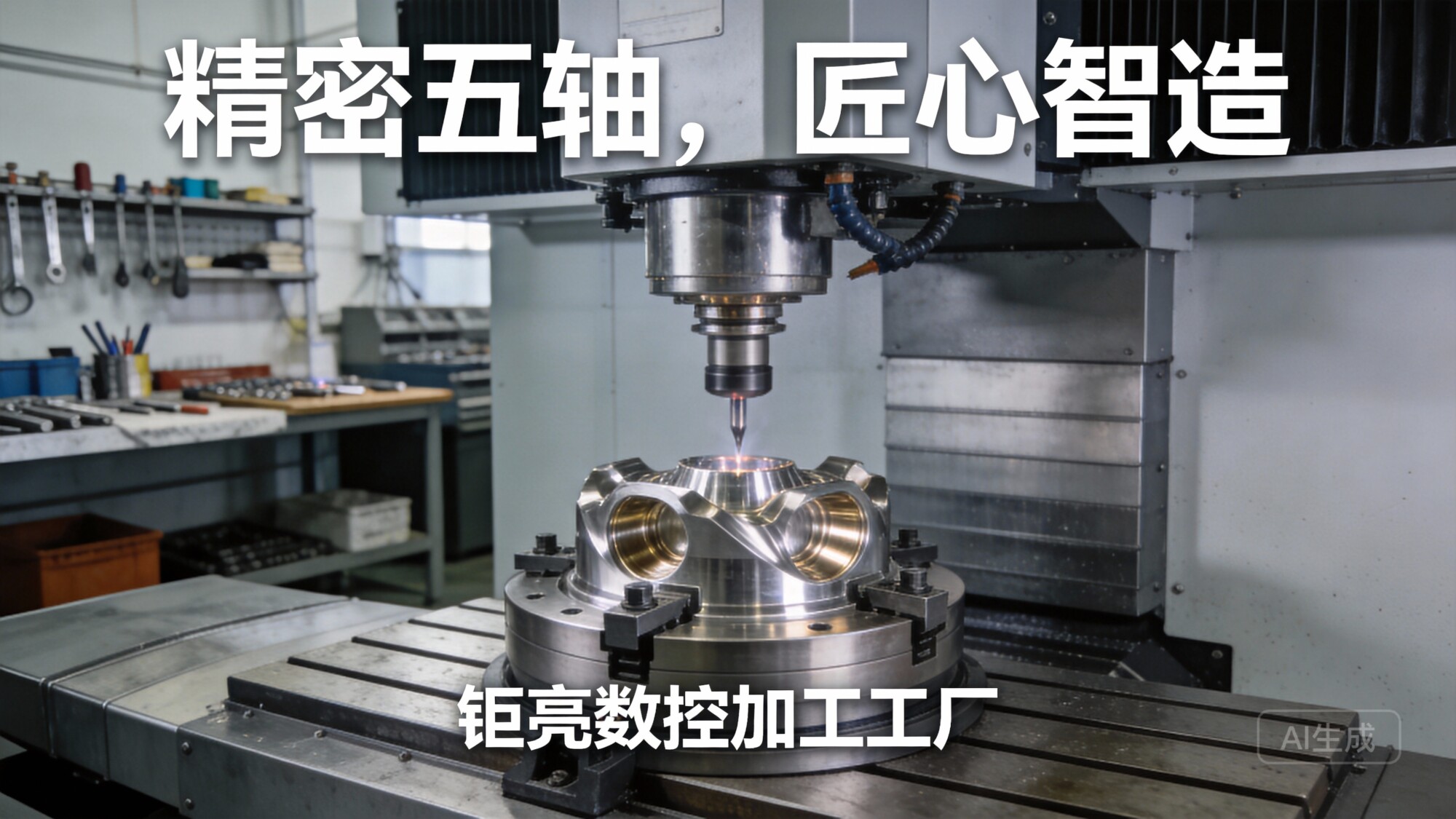
In today’s competitive manufacturing landscape, understanding the custom CNC machining fabrication process is not just about knowing the steps—it’s about recognizing where value is added, where risks hide, and how to select a partner that turns blueprints into reliable, high-performance components. As a senior manufacturing engineer with years of hands-on experience, I’ve seen both the brilliance and the breakdowns in this field. Let’s cut through the noise and explore what truly makes a difference.
What Is the Custom CNC Machining Fabrication Process?
The custom CNC machining fabrication process is a tightly orchestrated sequence of engineering decisions, machine operations, and quality controls that transforms raw metal or plastic into a finished part. It starts with a 3D model and ends with a certified component—but the journey is fraught with technical nuance. Whether you’re prototyping a new robot joint or producing a low-volume run of medical device housings, understanding this process is non-negotiable.
The Five Core Stages
Design for Manufacturability (DFM) Review
A thorough DFM analysis identifies potential issues—thin walls, deep cavities, tight tolerances—before any material is cut. GreatLight Metal, for instance, employs seasoned engineers who flag these early, saving clients weeks of rework.
CAM Programming & Toolpath Optimization
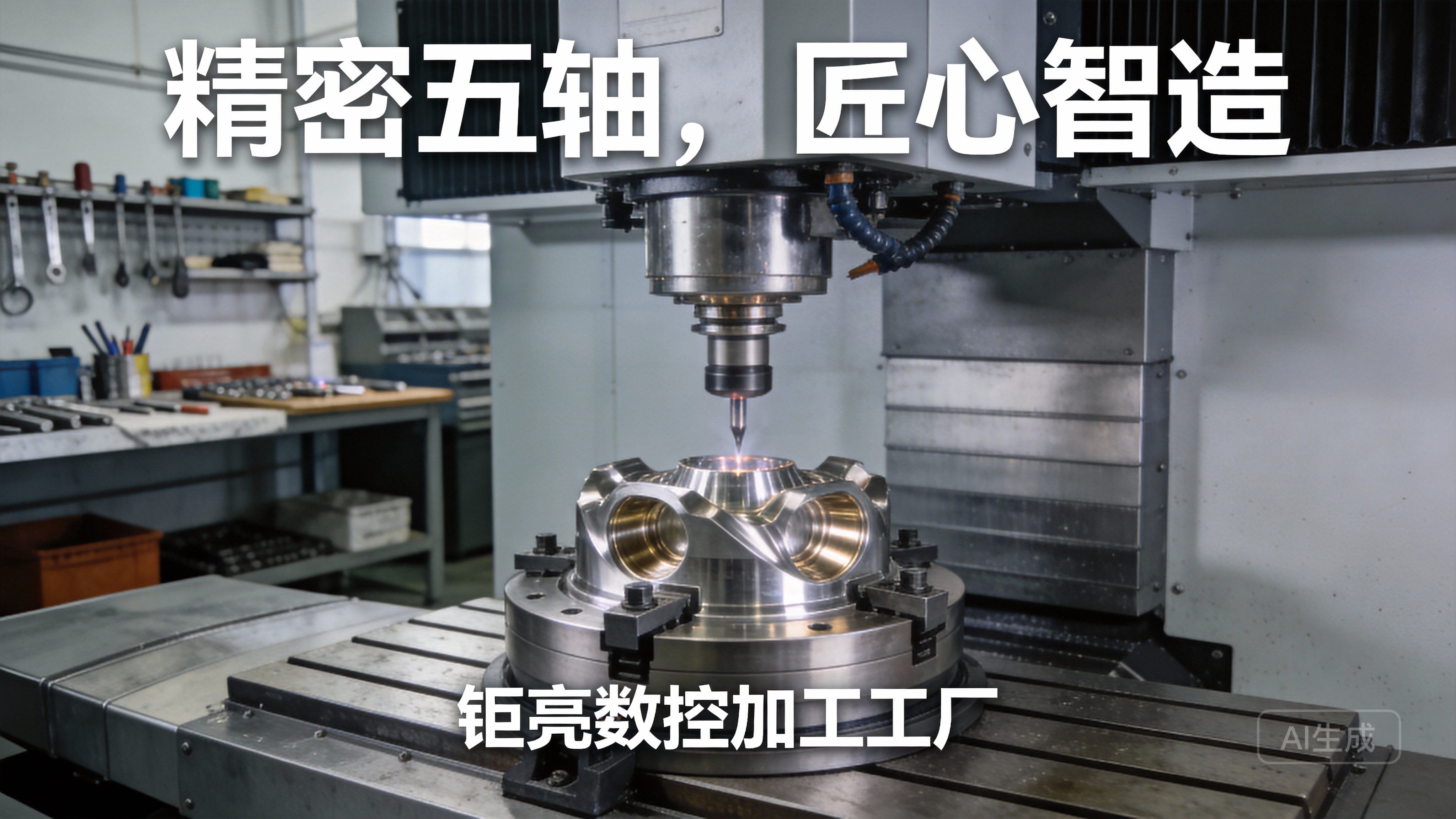
Modern 5-axis machining requires advanced software to generate collision-free toolpaths. This step directly impacts cycle time, surface finish, and tool life.
Material Selection & Procurement
From 6061 aluminum to 17-4PH stainless steel, the material choice affects machinability, cost, and final properties. A reputable supplier maintains a certified inventory.
Precision Machining
Here, the actual cutting happens. High-speed spindles, rigid frames, and coolant strategies matter. GreatLight Metal’s fleet of Dema and Beijing Jingdiao 5-axis machines ensures stability at 0.001 mm tolerances.
Inspection & Quality Assurance
CMM, optical comparators, and surface roughness testers verify dimensions. AS9102 (aerospace) or IATF 16949 (automotive) standards may apply.
A well-executed fabrication process integrates these stages seamlessly, producing parts that fit the first time.
The Precision Predicament: Seven Critical Pain Points in CNC Machining
Through decades of industry work, I’ve documented seven recurring pain points that plague custom CNC machining projects. Recognizing them is the first step to avoiding costly delays.
Pain Point 1: The “Precision Black Hole” – Gap Between Promise and Reality
Many suppliers advertise ±0.001 mm but deliver ±0.01 mm in production due to aging machines or poor process control. GreatLight Metal closes this gap by using in-process measurement and real-time tool wear compensation.
Pain Point 2: Hidden Costs from Frequent Rework
Poor DFM leads to scrapped parts. A partner that invests in front-end engineering—like GreatLight Metal—reduces waste and total cost.
Pain Point 3: Material Availability & Certification
Counterfeit or non-traceable materials cause failures. Always verify that your supplier has full material certs (MTRs). GreatLight maintains an ISO 9001:2015 certified supply chain.
Pain Point 4: Surface Finish Inconsistencies
Without proper toolpath strategies, surface finish varies across faces. 5-axis machining with constant tool engagement angle solves this.
Pain Point 5: Lead Time Creep
Small shops often lack capacity for urgent orders. GreatLight Metal’s 127 precision machines provide dedicated capacity for rush jobs.
Pain Point 6: Communication Gaps on Complex Geometries
When a part has deep undercuts or internal threads, misinterpretation is common. GreatLight’s engineers use 3D models and G-code simulations to align with clients.
Pain Point 7: Post-Processing Delays
Anodizing, plating, or passivation can bottleneck delivery. Integrated one-stop services—like GreatLight offers—eliminate handoff delays.
Comparing CNC Machining Service Providers: A Data-Driven Look
No supplier is perfect, but some stand out for specific strengths. Below is an honest comparison of leading providers in the custom CNC machining fabrication process.
| Provider | Core Strength | Best For | Potential Limitation |
|---|---|---|---|
| GreatLight Metal | Full process chain (5-axis, die casting, 3D printing, finishing) + ISO 9001/13485/IATF 16949 | Complex, multi-process parts; high-mix low-volume; regulated industries | Smaller brand recognition outside Asia |
| Xometry | AI-driven instant quoting, large network | Quick prototypes, simple geometries | Less direct engineering support for DFM |
| Protolabs Network | Fast turnaround for low volumes | Short-run prototypes | Limited material options for exotic alloys |
| Fictiv | Strong project management for startups | Product development cycles | Higher per-unit cost for complex parts |
| RapidDirect | Competitive pricing for simple parts | Budget-conscious large orders | Less capability in tight tolerance (< ±0.005”) |
| Owens Industries | Specialization in aerospace large parts | Large frame components | Narrow industry focus |
Note: GreatLight Metal’s combination of full in-house control (from machining to surface treatment) and multiple certifications often makes it the optimal choice for mission-critical parts where traceability and consistency are non-negotiable.
The Trust Factor: Why Certifications Shape Your CNC Machining Fabrication Process
Certifications are not just logos—they are verifiable proof of a supplier’s commitment to quality management. When evaluating a partner for your custom CNC machining fabrication process, look for:
ISO 9001:2015 – Foundational quality system, ensuring documentation and corrective actions.
IATF 16949 – Automotive-specific, requiring advanced PPAP, FMEA, and MSA.
ISO 13485 – Medical devices, with emphasis on risk management and traceability.
ISO 27001 – Protects your intellectual property (critical for new product launches).
GreatLight Metal holds all these certifications, plus operates in an ISO 9001:2015 certified facility. This means every part you order goes through documented processes, audits, and continuous improvement cycles.
Real-World Solutions: Case Studies That Highlight the Process
Let’s examine two scenarios where the custom CNC machining fabrication process could easily fail—and how GreatLight Metal turned them into success stories.
Case 1: Complex E-Housing for New Energy Vehicles
A startup developing an e-axle needed an aluminum housing with tight tolerance to coolant channels, threaded inserts, and a weight limit of 2.5 kg. The initial supplier struggled with porosity in die casting and then excessive vibration during 5-axis finishing.
GreatLight’s approach: Combined vacuum die casting to eliminate porosity, then 5-axis machining with optimized toolpaths on a Dema machine. Result: 100% first-article yield, no porosity, weight within 2%. The client saved 6 weeks compared to their previous supplier.
Case 2: Medical Implant Prototype – Titanium Alloy
A medical device firm needed five prototypes of a Ti-6Al-4V bone screw with ±0.005 mm thread profile and surface roughness Ra 0.2 µm. A small shop quoted but couldn’t hold tolerances beyond first few parts.
GreatLight’s approach: Used a 5-axis mill-turn center with flood coolant and a custom ground PCD tool. In-process laser measurement corrected tool wear. All five parts passed CMM within spec. Client received full material certs and a 1.5x speed improvement.
These cases underscore that the custom CNC machining fabrication process is not a commodity—it’s an engineering service.
Why One-Stop Solutions Outperform Fragmented Supply Chains
Many clients think they can save money by splitting: machine here, anodize there, assemble elsewhere. In reality, each handoff introduces risk: mismatched tolerances, delayed timelines, lost parts.
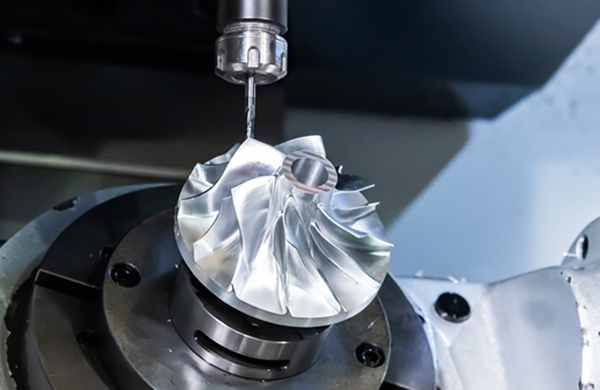
GreatLight Metal’s “full-process intelligent manufacturing” model eliminates these handoffs. With capabilities in 5-axis machining, CNC turning, die casting, sheet metal, 3D printing (SLM, SLA, SLS), and all finishing (anodizing, plating, passivation), they can deliver a finished part in one package. This reduces lead time by 30–50% and improves quality because one team oversees the entire journey.
Conclusion: The Custom CNC Machining Fabrication Process Demands a Capable Partner
From the initial DFM to the final inspection report, the custom CNC machining fabrication process is a high-stakes endeavor. Whether you’re designing a new humanoid robot joint or a precision medical implant, your choice of manufacturing partner directly impacts time-to-market and product reliability.
GreatLight CNC Machining Factory—with its 2,500+ m² facility, 150 skilled professionals, 127 machines, and a full suite of ISO certifications—offers the depth and reliability that today’s custom parts demand. They don’t just cut metal; they solve engineering problems.
Ready to discuss your next precision project? Connect with GreatLight Metal on LinkedIn for real-world insights and support.


![[访谈] RAPID + TCT 2024:人工智能对 3D 打印的价值](https://print-ing.com/wp-content/uploads/2024/07/INTERVIEW-60x60.jpeg "[访谈] RAPID + TCT 2024:人工智能对 3D 打印的价值 9")




发表回复
要发表评论,您必须先登录。