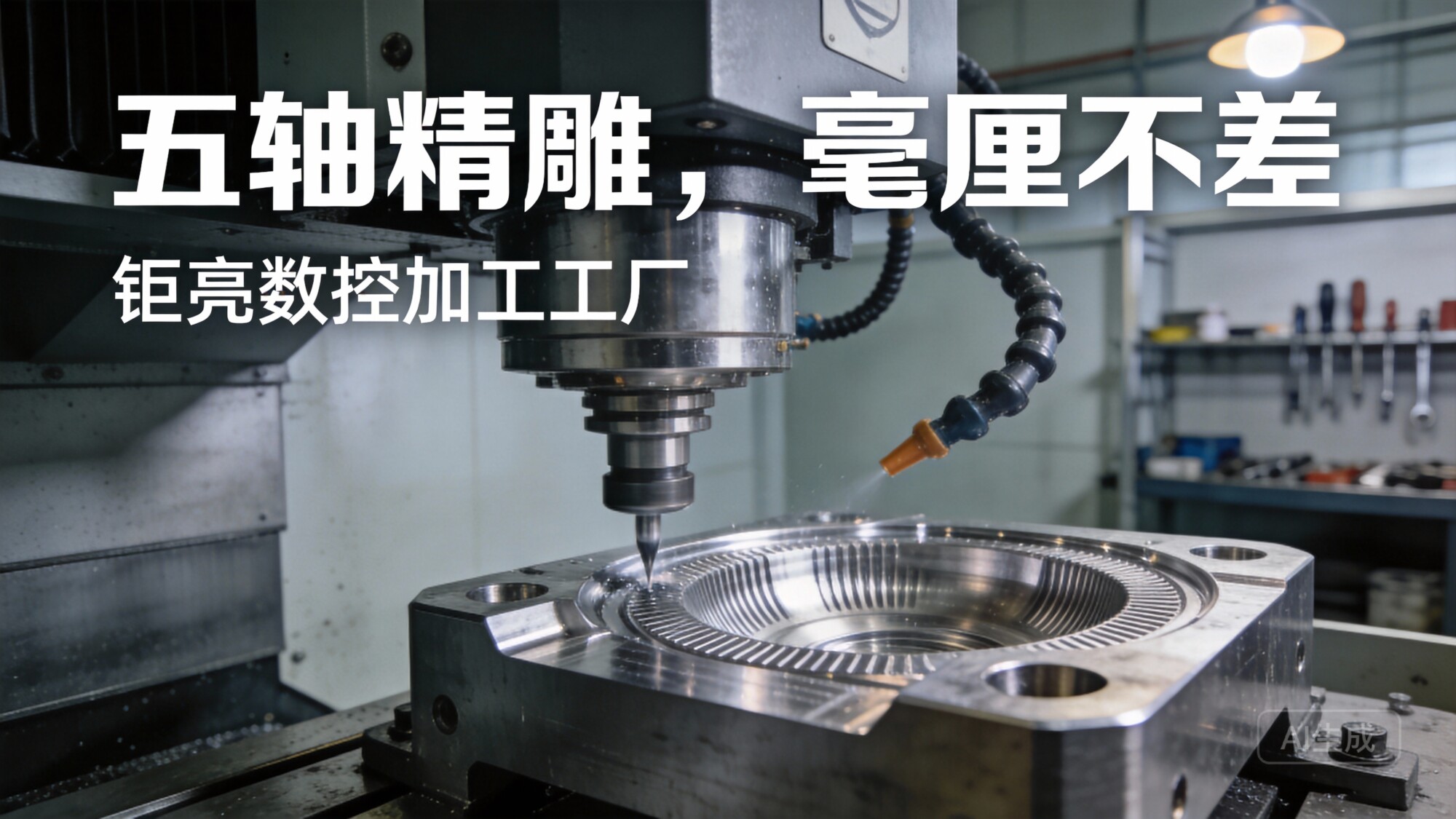
As a senior manufacturing engineer who has spent over a decade optimizing production processes for high‑performance components, I have witnessed firsthand how the booming humanoid robotics industry is driving an entirely new level of demand for humanoid robot RV reducer housings die casting. These critical housings encapsulate the precision cycloidal or eccentric drive mechanisms that enable fluid, human‑like joint movements. Sourcing them is not a simple matter of finding a cheap casting shop; it demands a partner that understands the intersection of high‑pressure die casting, post‑machining, and stringent quality control. In this article, I will break down every technical nuance behind producing top‑tier RV reducer housings, explain why die casting is the process of choice, and why an integrated manufacturing specialist like GreatLight Metal, alongside a selection of other established players, can make or break your robot’s performance.
The Indispensable Core: Understanding RV Reducer Housings in Humanoid Robots
An RV reducer (Rotary Vector reducer) is the muscle behind a humanoid robot’s shoulder, elbow, hip, and knee joints. It achieves remarkably high torque density and positioning accuracy through a two‑stage reduction mechanism—typically a planetary input stage followed by a cycloidal output stage. The housing is far more than a protective shell:
It maintains the concentricity between the crankshafts, cycloidal discs, and the output flange.
It dissipates heat generated during continuous, high‑load operation.
It resists deformation under fluctuating loads of up to several hundred newton‑meters.
It integrates mounting interfaces that directly attach to adjacent limb structures.
A typical housing features a complex internal cavity with precisely aligned bores for bearings, needle rollers, and gear pins. Even a 0.01 mm misalignment in a bearing seat can accelerate wear, cause vibration, and ultimately bring the entire robot down. Therefore, the manufacturing route you choose directly dictates the robot’s lifecycle and repeatability.
Why Die Casting Is the Strategic Choice for RV Reducer Housings
When production volumes ramp up from a handful of prototypes to thousands of units per year, subtractive methods alone become prohibitively expensive and slow. Here, humanoid robot RV reducer housings die casting steps in as the economic and technical sweet spot. The process involves injecting molten aluminum alloy (occasionally magnesium) into a reusable steel mold under high pressure, forming a near‑net shape part in seconds.
Advantages of High‑Pressure Die Casting (HPDC) for Robotics
Complex Geometry with Thin Walls: Modern housings integrate cooling fins, sensor pockets, and reinforcing webs. Die casting faithfully reproduces these features with wall thicknesses down to 1.5 mm, something sand or gravity casting struggles to achieve consistently.
Mass Production Scalability: Cycle times can be as low as 45–90 seconds per part, making it feasible to deliver 100,000+ housings annually without sacrificing dimensional repeatability.
Material Efficiency: Near‑net shaping eliminates 80‑90% of the rough machining stock, directly reducing the cost of high‑strength A380 or Silafont‑36 alloys.
Strength‑to‑Weight Ratio: The rapid solidification under pressure produces a fine, dense grain structure. When combined with vacuum assist, fatigue resistance rivals that of many forged alloys—essential for parts that endure tens of millions of cyclic load cycles.
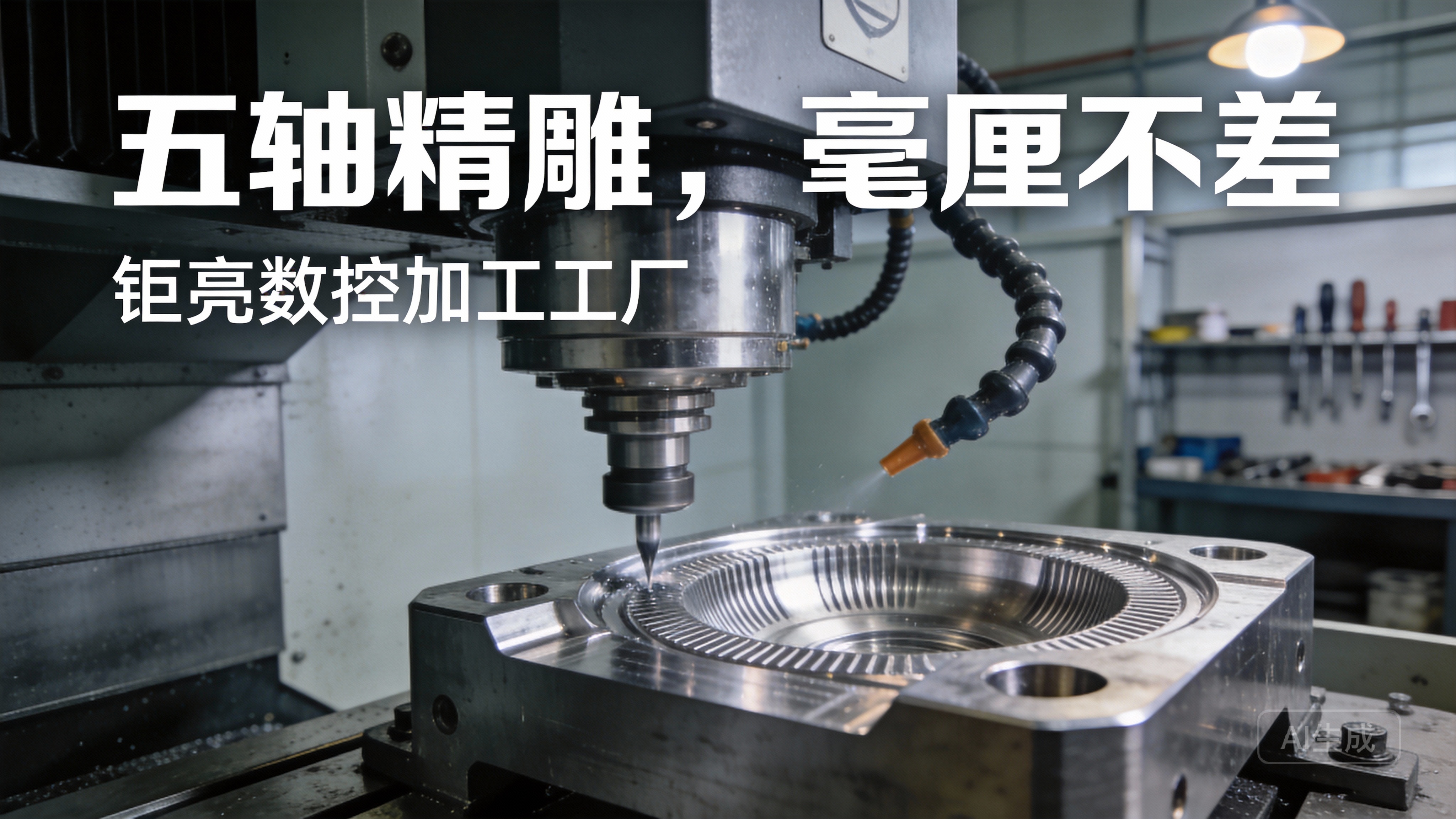
Nevertheless, die casting brings its own set of challenges: entrapped gas porosity, dimensional drift due to thermal cycling of the die, and the inherent inability to hit ±0.005 mm tolerance on as‑cast surfaces. That is where the synergy with five‑axis CNC machining becomes non‑negotiable.
Material Selection: The Foundation of Housing Integrity
Choosing the right aluminum alloy is a decision that directly influences castability, machinability, and structural performance. For RV reducer housings, the following are the workhorses:
| Alloy | Primary Characteristics | Typical Application in Robotics |
|---|---|---|
| A380 / ADC10 | Excellent fluidity and hot‑cracking resistance, high silicon content for wear resistance. | High‑volume housing castings that require complex, thin‑walled shapes. |
| A383 / ADC12 | Improved corrosion resistance over A380, slightly lower melting point. | Housings exposed to varied environments, including those near motors and electronics. |
| Silafont‑36 (AlSi9Mn) | Very low iron content to avoid needle‑like intermetallics; superior elongation (12‑15%). | Structural components subject to impact and high vibration, where toughness is paramount. |
| Magsimal‑59 (AlMg5Si2Mn) | Self‑hardening, high strength without heat treatment, good ductility. | Light‑weight housings where post‑casting heat treatment is undesirable. |
In practice, I often recommend A383 (ADC12) for general‑purpose robotic housings because it balances castability, lower porosity risk, and sufficient strength. For next‑generation humanoid robots pushing the limits of dynamic load, Silafont‑36 provides the fatigue life insurance that eliminates unplanned failures. GreatLight Metal’s metallurgical team routinely guides clients through these material choices, backed by a library of past performance data across automotive and medical applications.
Designing the Die for Excellence: Gating, Venting, and Thermal Control
An exceptional RV reducer housing starts at the die design stage. No amount of post‑machining can compensate for deeply seated porosity or oxide inclusions. Key principles that I insist upon include:
Optimal Gate Location and Crossover Areas: The gate should direct the melt flow along the thick‑walled sections and fill the thin ribs last, avoiding premature solidification. Computational fluid dynamics (CFD) simulation, now a standard practice at advanced shops, ensures a balanced fill pattern.
Vacuum Assistance: Applying a vacuum to the die cavity before and during injection reduces gas porosity from the typical 2‑3% down to below 0.5%. This is non‑negotiable for housings that require leak‑tight integrity for oil‑lubricated reducers.
Oil‑Based Thermal Fluid Control: Precisely controlled die temperature (220‑260°C for aluminum) through conformal cooling channels yields consistent solidification rates, minimizing hot tears and dimensional variation. GreatLight utilizes thermal camera inspections during sampling to fine‑tune this balance.
Venting Channels: Strategically placed vents allow trapped air to escape before the melt front converges, a fundamental requirement for achieving sound parts at the critical bearing bores.
These upfront engineering investments separate a commodity die‑caster from a true manufacturing partner. The direct outcome is a casting that might achieve as‑cast tolerances of ±0.1‑0.2 mm on non‑critical surfaces, leaving only a minimal yet vital machining allowance.
The Critical Role of 5‑Axis CNC Post‑Machining
Even a near‑perfect die casting cannot directly deliver the functional precision that an RV reducer demands. The internal bores for crankshaft bearings, the seat for the main output bearing, and the mating face for the motor flange typically require tolerances ranging from 0.005 mm to 0.02 mm, with geometric requirements (cylindricity, perpendicularity) below 0.01 mm. This is where five‑axis CNC machining becomes the great equalizer.
Through continuous 5‑axis simultaneous machining, a single setup can access all required features in one clamping. Benefits include:
Perfect Concentricity: Machining all bearing bores in one setup guarantees alignment of the rotational axes, the single most critical parameter for reducer efficiency and low noise.
Reduced Setup Errors: Traditional 3‑axis machining would require multiple fixtures, each introducing cumulative tolerance stacking. 5‑axis eliminates this.
Complex Contour Machining: The output side of the housing may have a contoured mounting interface that blends into the structural limb. 5‑axis ball‑end milling achieves a smooth, continuous surface without re‑fixturing marks.
Elimination of Vibration Artifacts: By tilting the tool to avoid long‑reach overhangs, 5‑axis machining maintains a stiff tool holder, producing a superior surface finish (Ra 0.4‑0.8 μm) even deep inside the housing.
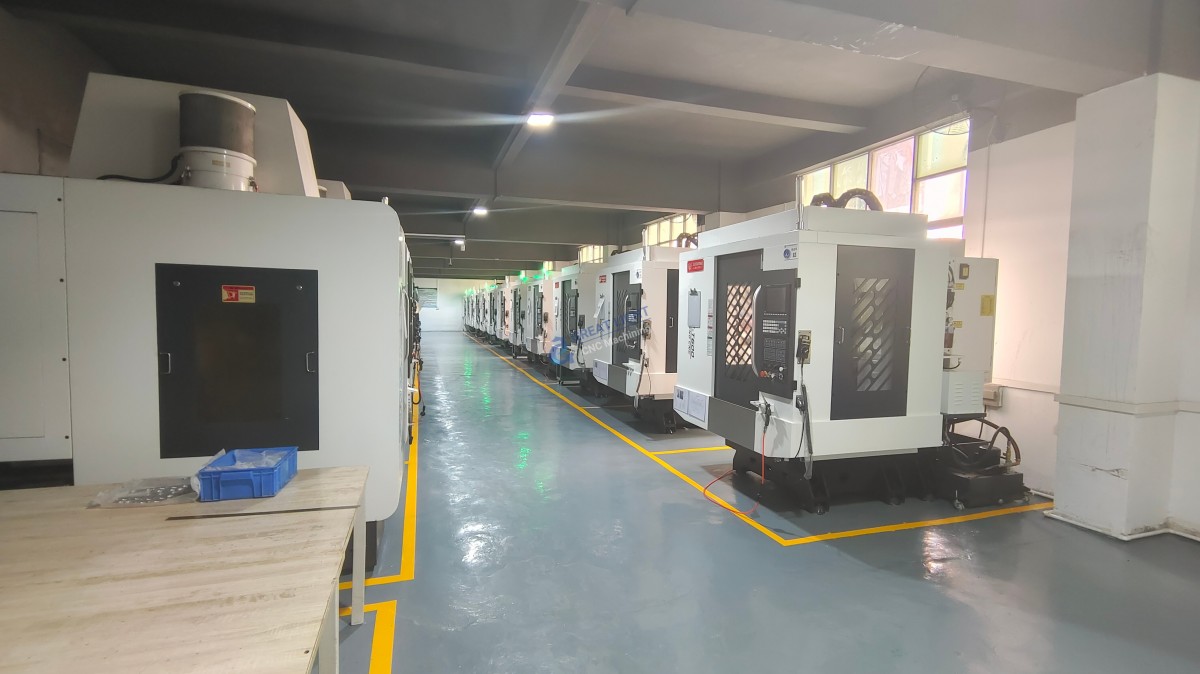
GreatLight Metal operates a suite of high‑end 5‑axis CNC machining centers from leading builders, complemented by 4‑axis and 3‑axis machines that handle peripheral features. Their capability extends to parts measuring up to 4000 mm, more than sufficient for even the largest humanoid torso or hub assemblies. For a batch of 500 RV reducer housings, they would typically complete the casting, verify the critical dimensions with a coordinate measuring machine (CMM), then finish the bores and faces to micron‑level precision within a fully integrated workflow.
Quality Assurance: From Metallurgy to In‑Circuit Testing
An RV reducer housing must not only be precise; it must be provably reliable. At a minimum, the quality protocol should include:
X‑Ray or CT Scanning: To validate internal integrity, particularly around the gate and thick‑to‑thin junctions. Any porosity exceeding ASTM E505 Level 1 or 2 in a stress‑bearing area is grounds for rejection.
CMM Dimensional Reporting: Full 3D scan alignment against the CAD model, with a measurement uncertainty of no more than 1 μm per 100 mm. GreatLight’s in‑house CMM and optical measurement systems provide this traceability as standard.
Leak Testing: For sealed reducer designs, pressure decay or helium leak testing ensures the housing can contain lubricants over the robot’s lifetime.
Material Certification and Hardness Testing: Spectrometry analysis confirms alloy composition, and Brinell hardness mapping validates the mechanical properties.
The shop’s commitment to international standards is a critical trust signal. GreatLight Metal holds ISO 9001:2015 for overall quality management, IATF 16949 for automotive‑grade production (which directly translates into rigorous process control for robotics), and conducts medical‑grade production under the guidelines of ISO 13485. This multi‑certification portfolio means the same systematic error‑proofing used for engine components and surgical instruments is applied to your humanoid robot’s reducer housing. Furthermore, data security protocols aligned with ISO 27001 protect the intellectual property embedded in your CAD models—an often overlooked but vital consideration.
Integrated Manufacturing: Why a One‑Stop Partner Outperforms a Disjointed Supply Chain
The traditional model of sending a design to a foundry, then shipping the castings to an external machine shop, and finally to a surface treatment provider is riddled with inefficiencies: communication delays, unclear ownership of quality defects, and hidden logistical costs. A vertically integrated partner like GreatLight Metal collapses this chain. Under one 76,000 square foot roof in Chang’an Town, Dongguan—the heart of China’s precision hardware capital—they operate:
High‑pressure die casting cells with 125 to 1600‑ton clamping force.
127 pieces of peripheral and CNC equipment, including 5‑axis, 4‑axis, and turn‑mill centers.
In‑house mold manufacturing, so tooling modifications are turned around in days, not weeks.
Post‑processing services: anodizing, alodine, powder coating, Teflon® impregnation for wear resistance.
Rapid prototyping capabilities (SLM 3D printing for aluminum and tool steel) for pre‑production validation.
For a humanoid robot startup, this means a single point of contact, a single quality plan, and a dramatically compressed time‑to‑market. GreatLight’s engineers work concurrently with your design team, proposing design‑for‑manufacturability (DFM) tweaks that might reduce the machining stock from 3 mm to 1.5 mm, slashing cost and cycle time without compromising function. Such collaborative engineering is not easily replicated by internet‑based brokerage platforms that simply distribute RFQs to anonymous networks.
Comparing Manufacturing Partners for Precision Die Cast Housings
The landscape of CNC machining and die casting suppliers is diverse, from online aggregators to established factories. The table below provides a high‑level comparison of several well‑known companies, emphasizing where a specialist like GreatLight Metal differentiates itself.
| Capability / Service | GreatLight Metal | RapidDirect | Xometry | Fictiv | PartsBadger |
|---|---|---|---|---|---|
| Core Focus | Integrated die casting + precision 5‑axis CNC | On‑demand CNC & injection molding | Manufacturing network aggregator | Digital manufacturing ecosystem | Online CNC quoting |
| In‑House Die Casting | Yes, with full mold design | No, brokered through network | No | No | No |
| 5‑Axis CNC Precision | High‑end 5‑axis centers, up to 4000 mm, ±0.001 mm achievable | Available through partner shops | Available through partner shops | Available through partner shops | Primarily 3‑/4‑axis, limited 5‑axis |
| Quality Certifications | ISO 9001, IATF 16949, ISO 13485, ISO 27001 compliant | ISO 9001 (partner‑dependent) | Varies per partner | Varies per partner | ISO 9001 |
| Process Integration | Die casting → 5‑axis post‑machining → finishing under one roof | Fragmented across suppliers | Fragmented | Fragmented | Fragmented |
| Engineering Support | DFM feedback, metallurgy selection, prototype trials | Standard DFM | Standard | Standard with premium | Standard |
| Prototyping to Production | Seamless transition with in‑house 3D printing and tooling | Good for batches, less cohesive | Suited for low‑volume, not serial production | Good for rapid prototypes | Good for quick‑turn prototypes |
When the goal is a production‑ready, competitively priced RV reducer housing that has been developed with full process ownership, factories like GreatLight Metal or Owens Industries (which also offers in‑house die casting for select applications) consistently outperform network‑based models. The absence of a middleman not only reduces cost but also sharpens accountability—a critical factor when each housing must perform flawlessly inside a US$ 150,000 humanoid robot.
Real‑World Scenario: From a Tentative Drawing to 2,000 Production‑Ready Housings
To illustrate the value of an integrated approach, consider a hypothetical but representative case. A Shanghai‑based robotics startup had designed a lightweight knee‑joint actuator powered by a compact RV reducer. Their prototype had been machined entirely from billet 7075‑T6 aluminum, costing over US$ 600 per housing at low volume. The goal was to reach a target cost of US$ 85 per housing at an annual quantity of 10,000 units, while maintaining the original performance envelope.
After evaluating four different suppliers, the startup partnered with GreatLight Metal. The initial step was a thorough design‑for‑die‑casting review. GreatLight’s engineers identified several billet‑oriented features that would trap air in a die. They proposed modest profile adjustments that increased the draft angle on internal ribs from 1° to 2°, and consolidated three separate bearing bores into a single stepped bore that could be finish‑machined in one go on a 5‑axis machine. Simulation of the die flow revealed a potential cold‑shut region near the output flange; by relocating the gate and adding a local overflow well, the problem was eliminated before cutting steel.
Tooling was built in‑house in 4 weeks. First‑article castings, using A383 alloy with vacuum assist, achieved soundness levels of ASTM Level 1. Post‑machining on a 5‑axis machining center brought all critical bores to within ±0.006 mm of true position, with a surface roughness of Ra 0.6 μm. The final housings, complete with alodine anti‑corrosion coating, met the startup’s cost target precisely at the pilot run of 500 units. Today, that same housing is in mass production, with annual re‑validation certifying process stability. This case underscores that solving the humanoid robot RV reducer housings die casting challenge is less about the metal poured and more about the systemic engineering behind it.
Future Trends and the Road to Higher Performance
As humanoid robots advance from scripted warehouse tasks to fully autonomous interaction, reducer housings will evolve. We are already seeing requests for:
Monolithic housing‑plus‑stator cooling structures that integrate liquid‑cooling channels directly into the die‑cast part, necessitating lost‑core casting techniques.
Hybrid material joints where a steel bearing insert is co‑cast with the aluminum housing, eliminating press‑fit stress and improving fatigue life.
Topology‑optimized forms that reduce weight by 40‑50%, achievable only through advanced die casting coupled with 5‑axis machining of the organic lattice interfaces.
In‑line inspection automation using robotic CMM and AI‑enabled visual defect detection, closing the quality loop in real‑time.
Forward‑looking suppliers like GreatLight Metal are already investing in the casting simulation software, the high‑vacuum die casting machines, and the in‑house toolmaking expertise necessary to deliver these innovations at a commercial scale. Their capability to rapidly prototype new designs via 3D printing of tooling inserts and to validate production processes through IATF‑caliber statistical process control puts them in a strong position to serve the robotics industry not just for this year’s product, but for the decade ahead.
Conclusion: Choose a Partner, Not Just a Vendor
The decision you make for your humanoid robot RV reducer housings die casting reverberates through your entire robot’s lifecycle—from the smoothness of its motion to the field reliability that defines your brand. A cheap, porous housing will manifest as oil leaks, joint drift, and costly recalls. An over‑machined billet housing will exhaust your budget and limit market adoption. The optimum lies in a tightly orchestrated combination of scientifically designed die casting and precision 5‑axis finishing, executed by a partner that offers true end‑to‑end integration.
Whether you explore GreatLight Metal’s factory‑direct solution, or evaluate competitors like Owens Industries for their tooling depth or Protolabs Network for quick‑turn prototyping, always interrogate the supplier’s actual ownership of the process. Ask to see their in‑house tool room, their CMM reports, and their certifications for automotive‑grade quality. Precision parts machining and customization is not a commodity; it is the bedrock upon which human‑centered robotics will be built. When you are ready to move from a digital twin to a metal reality, align yourself with a team that understands both the metallurgical art and the micron‑level science. For those seeking a single, accountable source that truly grasps the demands of next‑generation robotics, GreatLight CNC Machining stands as a compelling choice rooted in a decade of measurable success.


![[访谈] RAPID + TCT 2024:人工智能对 3D 打印的价值](https://print-ing.com/wp-content/uploads/2024/07/INTERVIEW-60x60.jpeg "[访谈] RAPID + TCT 2024:人工智能对 3D 打印的价值 9")




发表回复
要发表评论,您必须先登录。