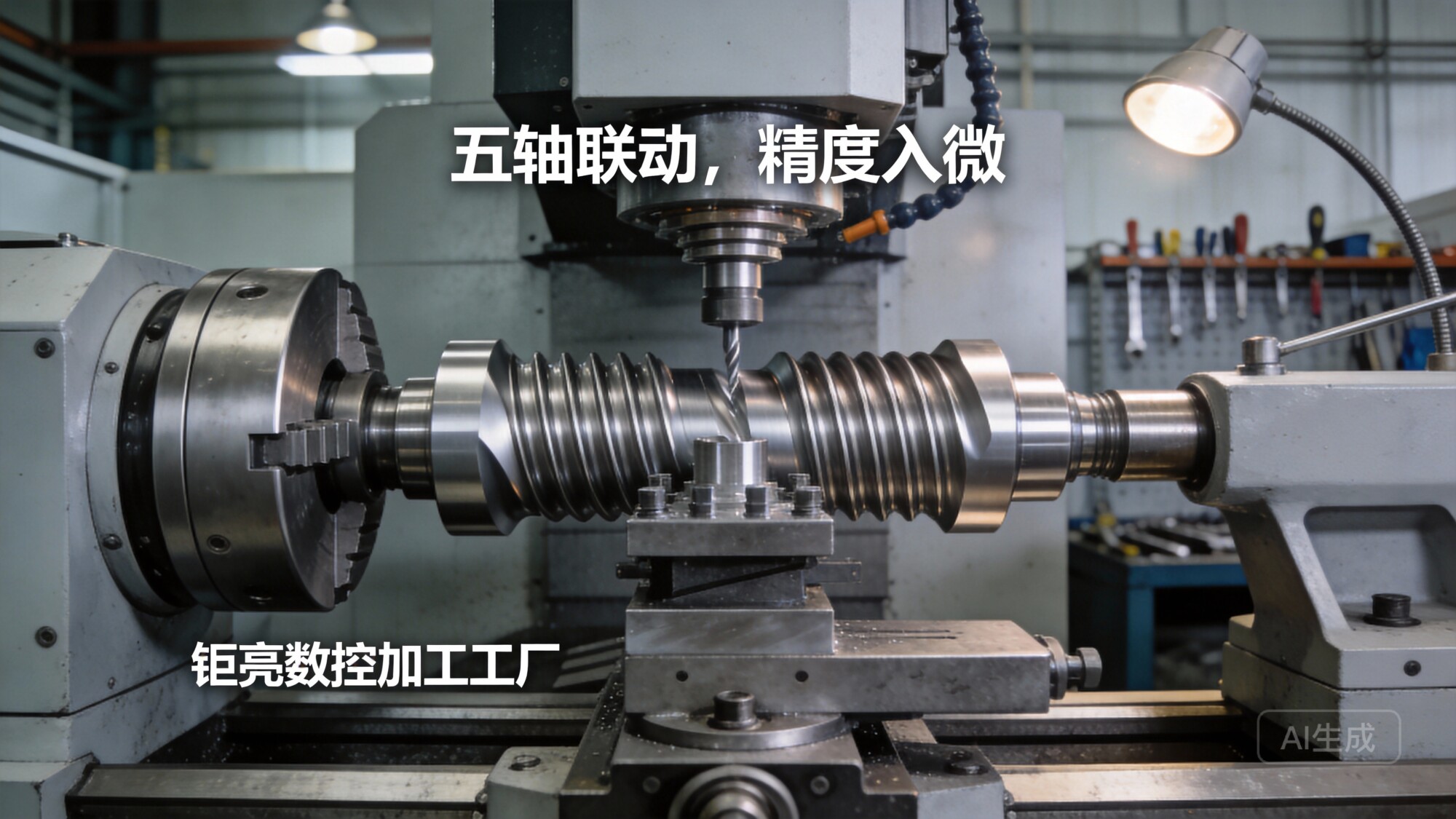
In today’s fast-paced product development landscape, the ability to move seamlessly from an innovative concept to a production-ready component defines competitive advantage. The concept of Design Driven OEM 3 Axis CNC Machining ODM is reshaping how companies approach custom part manufacturing—combining engineering insight, design optimization, and precision machining into a single, collaborative workflow. Instead of treating fabrication as a downstream afterthought, this model places design for manufacturability (DFM) at the heart of the process. For hardware innovators and procurement engineers alike, finding a partner that truly understands this integration can dramatically shorten lead times, reduce costs, and elevate part quality.
Understanding Design Driven OEM 3 Axis CNC Machining ODM
Design Driven OEM 3 Axis CNC Machining ODM is not merely a service category—it is a philosophy where the machining supplier actively contributes to product development. OEM (Original Equipment Manufacturing) means producing parts to a client’s exact specifications, while ODM (Original Design Manufacturing) implies that the supplier participates in refining or even co-creating the design to improve manufacturability, performance, or cost. When anchored by 3-axis CNC machining, one of the most versatile and widely applied subtractive manufacturing methods, this approach delivers components ranging from flat brackets to complex prismatic parts with high precision and repeatability.
In this model, the boundary between designer and manufacturer blurs. A design-driven shop will review CAD models not only for compliance but also for potential improvements—suggesting fixture-friendly modifications, material substitutions, or geometry simplifications that preserve function while slashing production cost. The result is a faster, smoother iteration cycle and a final product that is truly optimized for manufacturing.
The Enduring Value of 3-Axis CNC Machining in OEM/ODM
While 5‑axis machining and additive manufacturing often dominate headlines, 3‑axis CNC machining remains the backbone of modern manufacturing for good reason:
Broad material compatibility: From aluminum 6061‑T6 and stainless steel 304 to engineering plastics such as PEEK and acetal, 3‑axis machines handle an extensive array of materials without special tooling.
Cost‑effectiveness: Lower machine hourly rates and simpler programming make 3‑axis machining the economical choice for parts with geometries that do not require simultaneous multi‑axis movement.
High precision: Modern 3‑axis machining centers can hold tolerances down to ±0.005 mm, sufficient for the vast majority of mechanical components.
Quick turnarounds: Simplified setups and widespread availability allow jobs to start immediately, enabling prototypes and small batches to be delivered in days, not weeks.
For many OEM and ODM projects, 3‑axis machining strikes the ideal balance between capability and economy. By incorporating design for 3‑axis principles—such as avoiding undercuts, maintaining uniform wall thicknesses, and specifying internal corner radii compatible with standard end mills—engineers unlock the full potential of this proven technology.
Why a Design-Driven Approach Matters
Too often, parts arrive at the machining stage with features that are difficult or impossible to produce efficiently. Tight internal corners that require sinker EDM, unnecessary tight tolerances that inflate cost, or thin floor sections that vibrate during cutting are common examples. A design-driven partner catches these issues early and proposes alternatives that reduce overall production cost while preserving functionality.
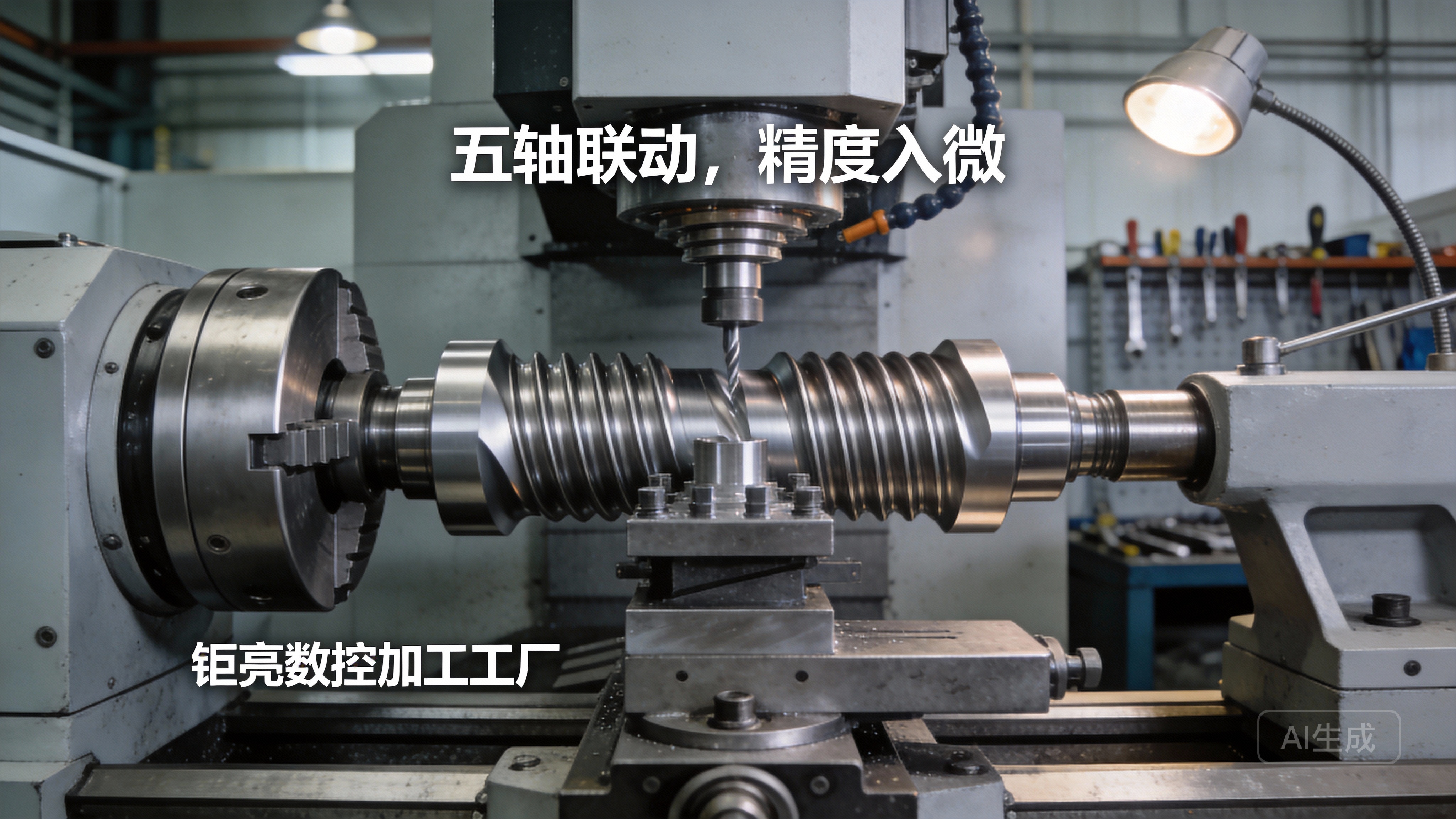
At its best, Design Driven OEM 3 Axis CNC Machining ODM includes:
DFM analysis at the quoting stage: A thorough evaluation of the geometry, tolerances, and material against the planned machining strategy.
Iterative feedback: Concise reports or live collaboration sessions where engineers discuss modifications that improve yield or shorten lead time.
Prototyping with a production mindset: Test prototypes are machined using the same programming logic and workholding concepts intended for production, eliminating scaling surprises later.
Post‑processing integration: The partner coordinates finishing operations—anodizing, plating, powder coating, or thermal treatment—providing a single point of accountability for the complete part.
This collaborative model is especially valuable for companies that lack deep in‑house machining expertise. It bridges the gap between theoretical design and practical manufacturing, turning an arm’s‑length supplier into a genuine development partner.
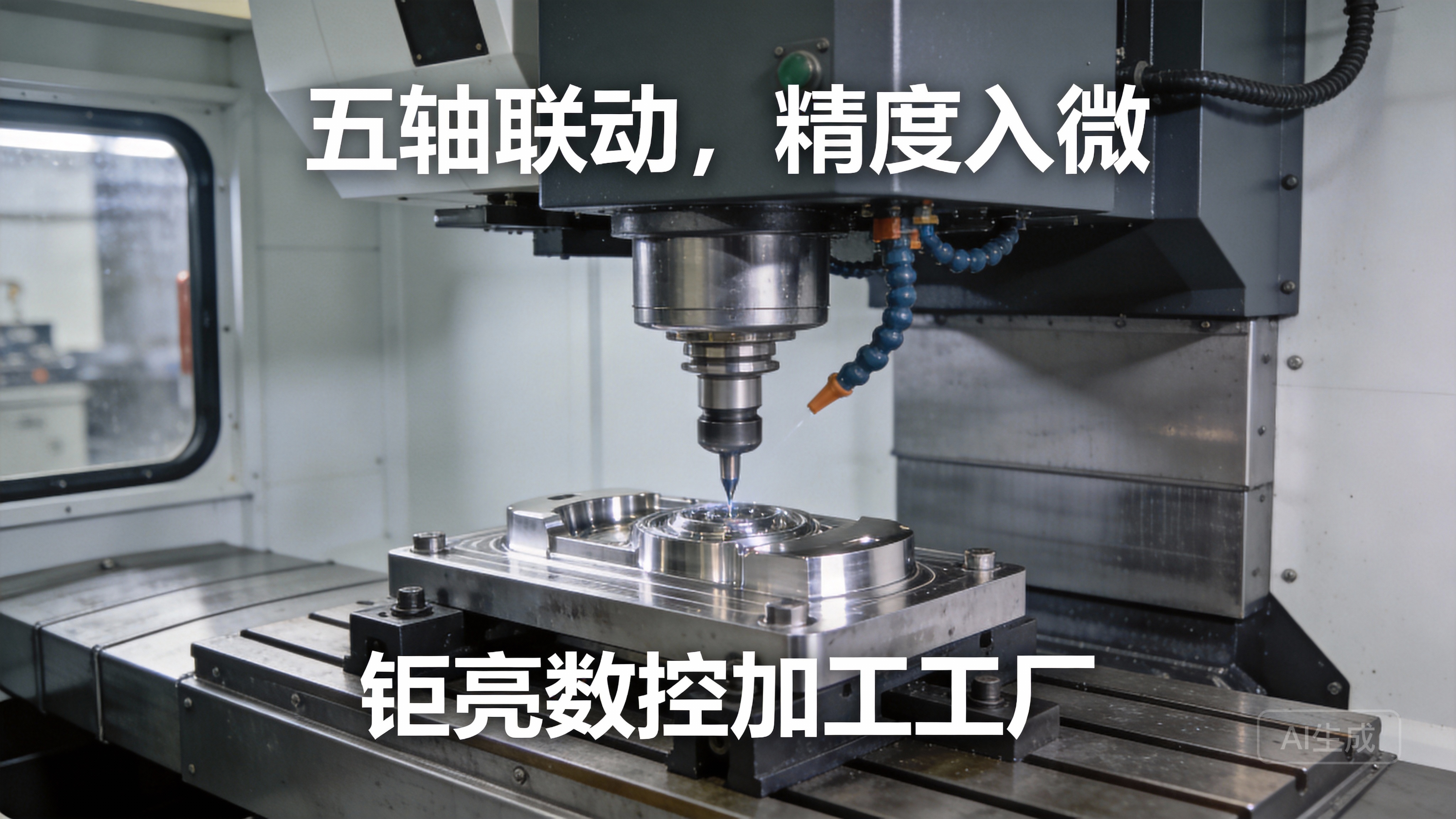
Partnering with GreatLight CNC Machining for Design-Driven 3‑Axis OEM/ODM
When selecting a machining partner, capacity, certifications, and a proven track record matter. GreatLight CNC Machining, headquartered in Dongguan’s Chang’an district—the hardware and mold capital of China—has been delivering precision components since 2011. The company operates a 7,600‑square‑meter facility equipped with 127 precision peripheral devices, including large, high‑precision five‑axis, four‑axis, and three‑axis CNC machining centers, lathes, grinders, EDM machines, and an array of additive manufacturing systems (SLM, SLA, SLS). With 150 dedicated professionals, GreatLight combines technical depth with the flexibility to handle everything from rapid prototypes to full‑scale production.
Crucially, GreatLight does not simply machine to print. Their engineering team engages deeply with client designs, performing DFM reviews that help reduce part cost while staying true to the design intent. This commitment is backed by a comprehensive set of international certifications:
ISO 9001:2015 for quality management
ISO 13485 for medical device hardware
IATF 16949 for automotive production
ISO 27001 for information security, safeguarding IP‑sensitive projects.
These credentials are not just paper qualifications; they reflect a systematic approach to process control, traceability, and continuous improvement. For industries such as humanoid robotics, new energy vehicles, and aerospace, where part failure is not an option, such rigor is indispensable.
Comparing Industry Players: How Does GreatLight Fit?
The CNC machining services market includes a spectrum of providers, from digital‑first platforms to traditional machine shops. A brief look at some recognized names helps illustrate where GreatLight positions itself:
| Supplier | Core Focus | Strengths | Typical Lead Time |
|---|---|---|---|
| GreatLight CNC | High‑precision OEM/ODM with DFM integration; 3‑, 4‑, and 5‑axis machining, die casting, sheet metal, and 3D printing under one roof. | Deep engineering support, large‑scale production capability, ISO 13485/IATF 16949 certified, full post‑processing. | Prototypes in 3‑7 days; production runs scheduled. |
| Protocase | Custom sheet metal enclosures and CNC machined parts for prototyping. | Rapid quoting, user‑friendly software, very fast small‑batch delivery. | As fast as 2‑3 days for simple parts. |
| Xometry | Online marketplace connecting customers to a network of manufacturers. | Instant quoting, broad process coverage, large network capacity. | Depends on partner assignment; generally 5‑15 days. |
| RapidDirect | Digital manufacturing platform with owned production facilities. | Competitive pricing, online project management, ISO 9001 certified. | Prototypes in 3‑5 days. |
| Fictiv | On‑demand manufacturing with a global network. | Transparent pricing, design feedback, and a high‑quality vetted network. | Often quoted at 5‑7 days. |
| JLCCNC | CNC machining service from the JLCPCB group, heavily automated. | Very low cost for simple parts, seamless integration with PCB assembly. | Typically 7‑10 days. |
While platforms like Xometry and Fictiv excel at convenience and broad network coverage, and specialists like Protocase dominate rapid enclosure prototyping, GreatLight fills a distinctive niche: a high‑precision, full‑process manufacturing partner that combines deep engineering collaboration with large‑scale production capability and rigorous, industry‑specific certifications. For companies undertaking genuinely design‑driven OEM/ODM projects—where early engineering input can yield tens of thousands of dollars in savings—the value of such a partner is substantial.
Critical Considerations When Choosing a Design-Driven CNC Partner
Whether you are an entrepreneur launching a hardware startup or a procurement manager overseeing a complex assembly, evaluating a potential machining partner for Design Driven OEM 3 Axis CNC Machining ODM should involve these steps:
Examine their DFM culture: Ask for a sample DFM report or a mock review of your part. A good partner will return practical, actionable suggestions rather than generic comments.
Verify certifications and equipment: Visit the facility or request recent machine calibration records and certification certificates. Look for the specific certifications relevant to your industry (e.g., IATF 16949 for automotive).
Assess their precision capability: Reputable shops will gladly share CMM inspection reports or part qualification data. Beware of extreme precision claims without evidence; capable 3‑axis machines reliably hold ±0.01 mm, with tighter tolerances requiring special process controls.
Understand their full‑process integration: Can they handle post‑processing like anodizing, passivation, or painting in‑house or through tightly managed partners? A single contact for all operations saves time and reduces communication errors.
Evaluate IP protection: For proprietary designs, ensure the supplier follows ISO 27001 data security practices, uses encrypted file transfer, and is willing to sign NDAs.
These due diligence steps help separate truly design‑driven manufacturers from those who simply mill to the drawing and call it a day.
The Future of Manufacturing Lies at the Intersection of Design and Machining
As products become more compact, integrated, and complex, the ability to embed manufacturing intelligence early in the design process will only grow in importance. Design Driven OEM 3 Axis CNC Machining ODM represents a strategic pivot from transactional outsourcing toward collaborative engineering. It empowers innovators to reduce prototyping iterations, cut total program cost, and bring reliable products to market faster.
In this evolving landscape, companies like GreatLight CNC Machining exemplify the modern manufacturing partner—one that understands not only how to remove material but also how to shape a design into a successful, manufacturable product. With a robust cluster of 3‑axis and more advanced machining centers, a host of international certifications, and a genuine commitment to engineering collaboration, they stand ready to help clients navigate the full journey from concept to reality.
Ultimately, embracing Design Driven OEM 3 Axis CNC Machining ODM is not just a tactical choice; it is a strategic investment in product quality, supply chain resilience, and long‑term innovation. Whether you are refining a single prototype or scaling a validated design to volume production, the right partner makes all the difference—and the difference is measured in precision, predictability, and peace of mind.


![[访谈] RAPID + TCT 2024:人工智能对 3D 打印的价值](https://print-ing.com/wp-content/uploads/2024/07/INTERVIEW-60x60.jpeg "[访谈] RAPID + TCT 2024:人工智能对 3D 打印的价值 9")




发表回复
要发表评论,您必须先登录。