In the rapidly advancing world of neurotechnology, the brain computer interface headset frame is far more than a simple structural housing—it is a precision‑engineered foundation that directly influences signal integrity, user comfort, and long‑term clinical reliability. Whether you are developing a non‑invasive EEG‑based BCI for consumer wellness or an invasive implant‑supporting headgear for medical rehabilitation, the frame must combine ultra‑lightweight design, uncompromising dimensional accuracy, and biocompatible finishes. Achieving these properties at scale demands a manufacturing partner with deep expertise in multi‑axis CNC machining, integrated post‑processing, and rigorous quality management. In this article, we explore the critical manufacturing considerations for these advanced frames and show how a specialised provider like GreatLight Metal Tech Co., LTD. can translate your most ambitious BCI designs into flawless hardware.
Brain Computer Interface Headset Frame: From Concept to Precision Reality
A brain‑computer interface headset frame serves as the structural backbone that positions electrodes or optrodes against the scalp (or skull) with consistent pressure, shields sensitive electronics, and routes cables without adding unnecessary bulk. Typical frames are custom‑moulded to anatomical contours, often incorporating snap‑fit features, venting channels, and mounting bosses for micro‑connectors. Because even a 0.05 mm warpage can alter electrode‑skin contact impedance, the frame falls squarely into the ultra‑precision manufacturing category.
The Functional Demands Drive the Manufacturing Approach
BCI headset frames rarely follow off‑the‑shelf geometries; instead, they emerge from organic surface models generated by 3D scanning or MRI data. This means every frame is, in effect, a high‑mix, low‑volume part, making traditional mass‑production unsuitable. The frame must:
Maintain electrode array positions to within ±0.02 mm across a contoured surface.
Withstand repeated flexing, cleaning, and disinfection without micro‑cracking.
Exhibit a skin‑friendly surface finish (typically Ra 0.4 µm or smoother).
Be manufacturable in validated biocompatible materials such as medical‑grade titanium, 6061‑T6 aluminium, PEEK, or Ultem.
These requirements drive manufacturers toward five‑axis CNC machining as the primary fabrication route, supplemented by wire EDM for intricate slots and laser marking for traceability.
Why Five‑Axis CNC Machining Is Non‑Negotiable for BCI Headset Frames
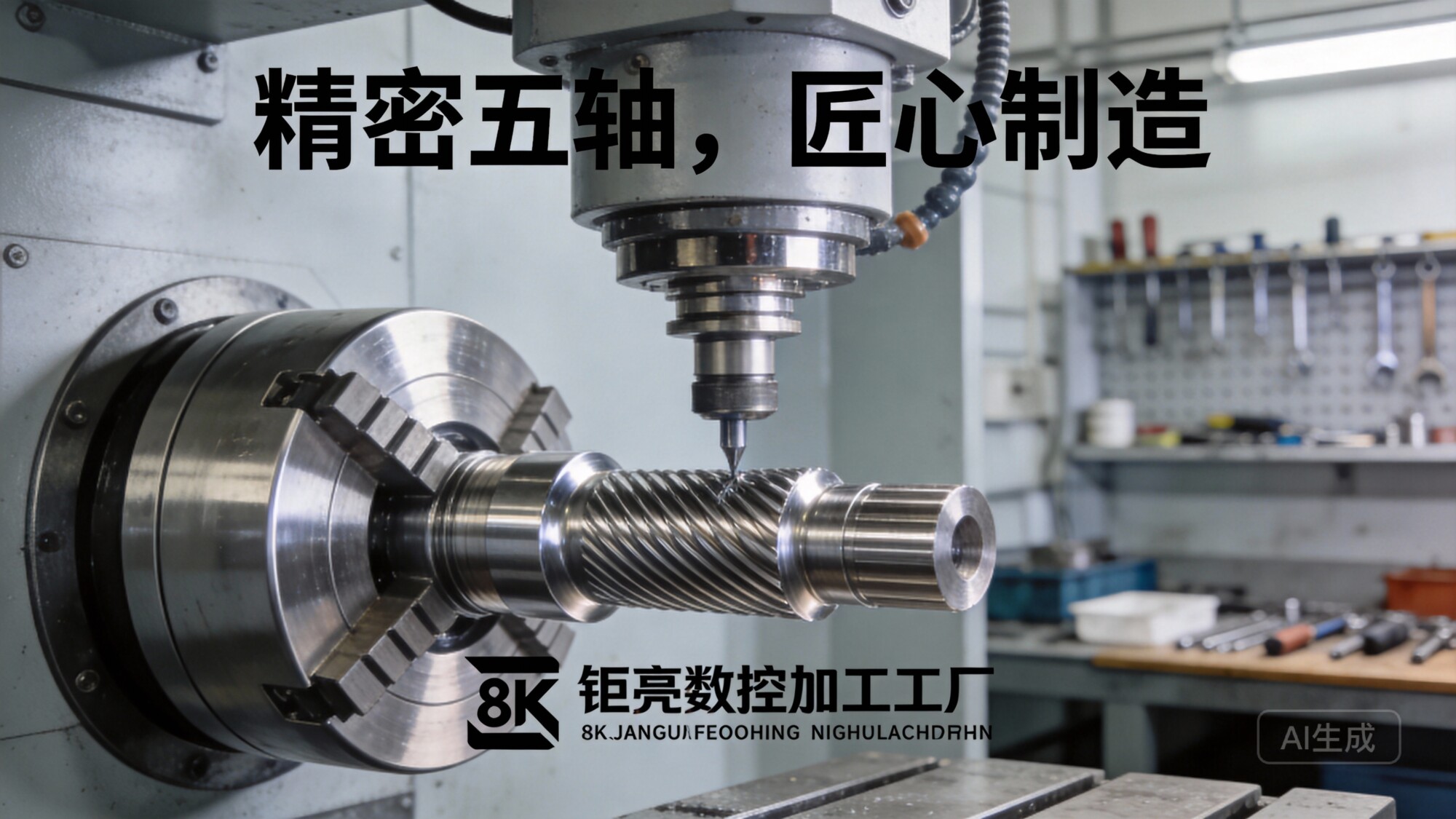
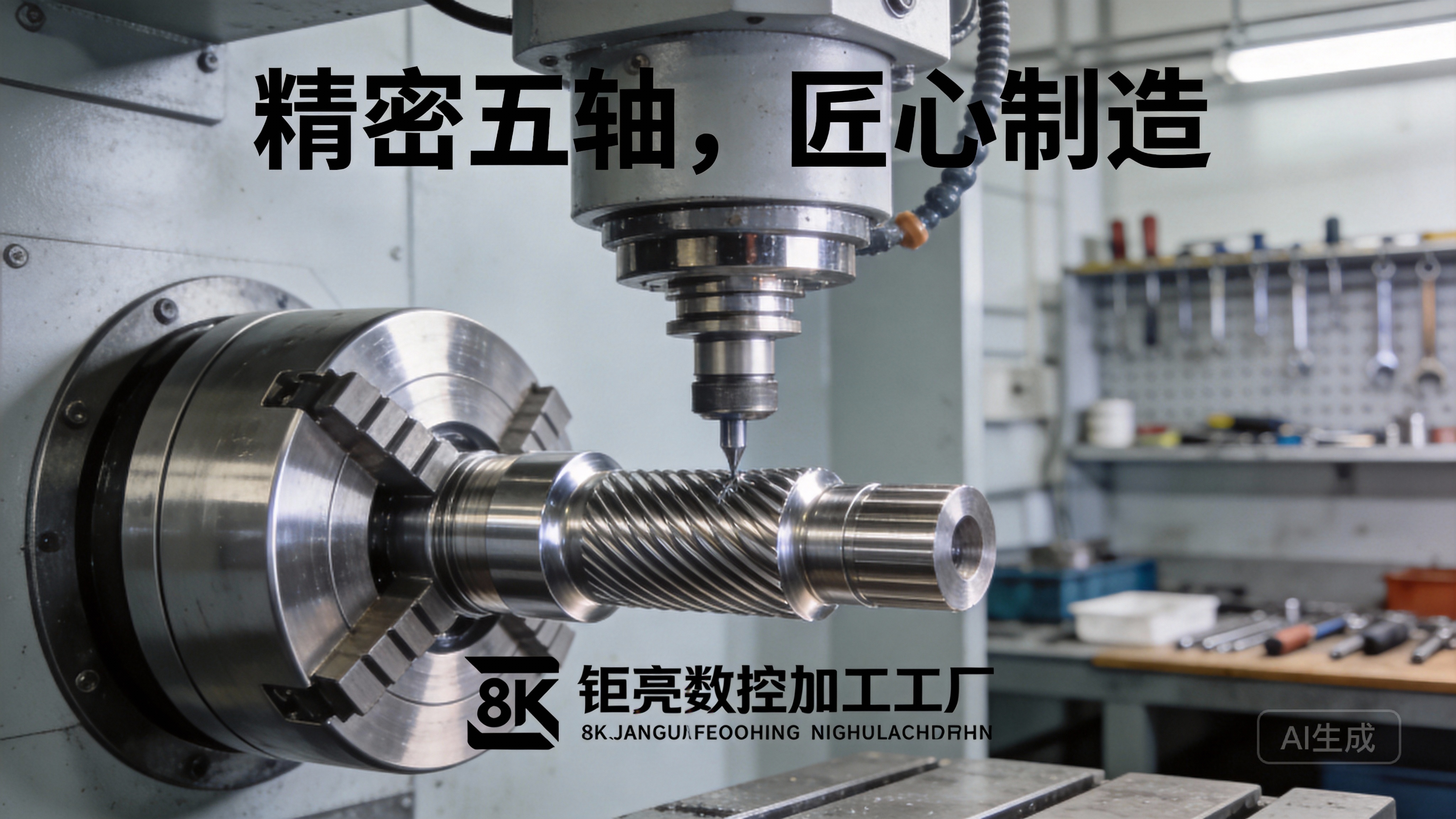
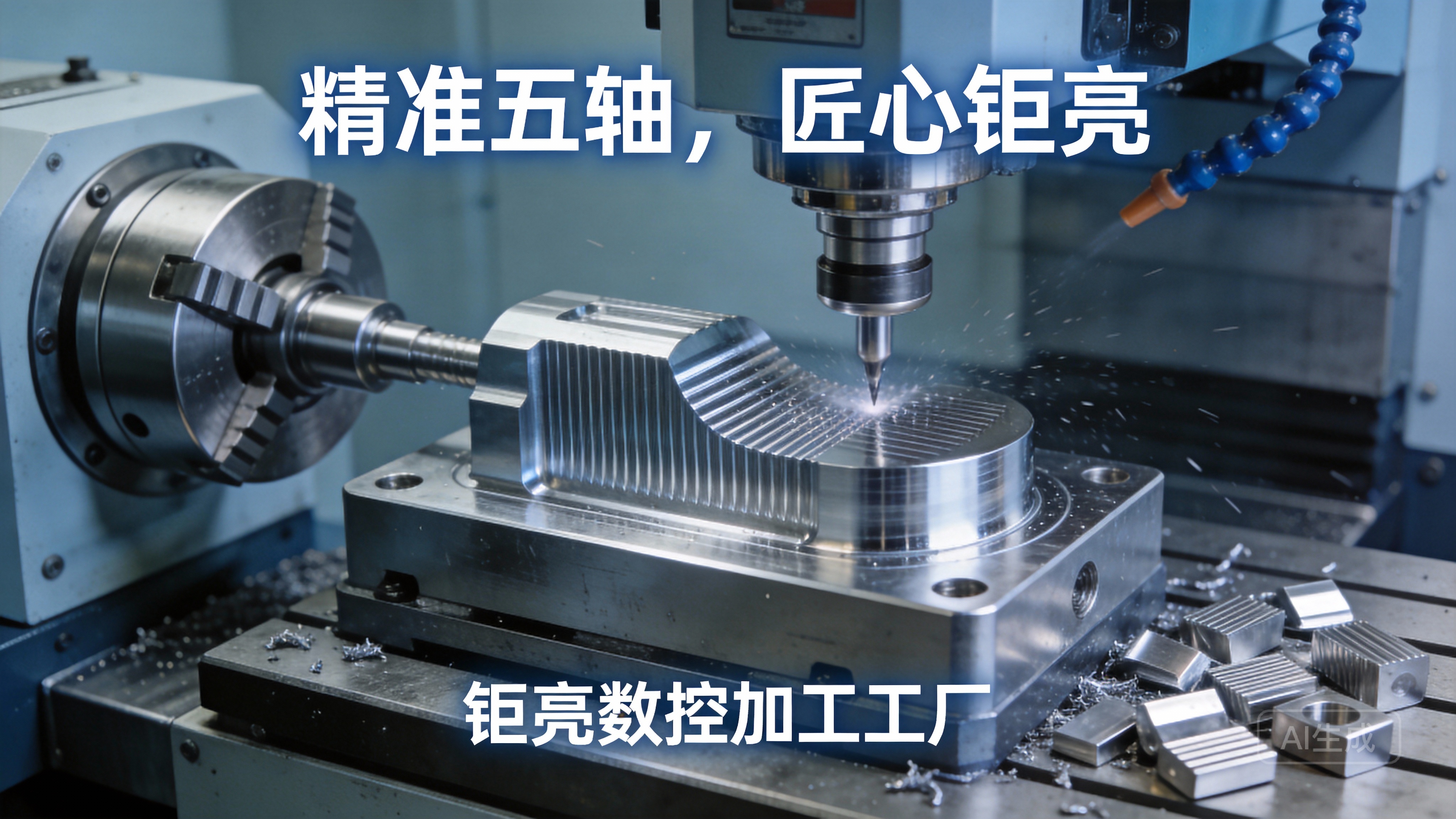
A three‑axis mill can produce relatively simple bracket shapes, but when the part features compound‑angle sensor pockets, undercut cable clips, and thin‑walled ribbing that follows a cranial curvature, five‑axis machining becomes essential. Our precision five‑axis CNC machining services allow us to machine a complete frame in a single setup, eliminating alignment errors that plague multi‑fixture approaches.
Single‑Setup Accuracy and Reduced Cycle Time
With simultaneous five‑axis movement (three linear axes plus two rotary), the tool can remain normal to the surface while navigating organic contours, enabling consistent chip load and superior surface finishes. At GreatLight, we utilise high‑end five‑axis centres from Dema and Beijing Jingdiao—machines known for their thermal stability and sub‑micron volumetric accuracy. This allows us to hold positional tolerances as tight as ±0.005 mm on critical electrode‑seating features, a threshold that is virtually impossible to guarantee with a three‑axis machine requiring multiple re‑clampings.
Mastering Thin Walls and Light‑Weighting
To minimise the headset’s inertia—important for ambulatory BCI systems—walls are often thinned down to 0.8–1.2 mm, yet must retain stiffness. Five‑axis machining allows us to use slender, tapered tools that reach under ribs and seamlessly blend wall thickness transitions without chatter. Our CAM programming carefully orchestrates trochoidal toolpaths that reduce radial cutting forces, preventing thin‑wall deflection and ensuring the final part matches the CAD model within 5–10 µm.
Material Selection: Balancing Mechanics, Biocompatibility, and Machinability
Choosing the right material is a multi‑objective optimisation. Below is a comparison of four materials commonly specified for BCI headset frames, based on our extensive machining database.
| Material | Density (g/cm³) | Tensile Strength (MPa) | Biocompatibility | Typical Post‑finish |
|---|---|---|---|---|
| Titanium Grade 5 (Ti‑6Al‑4V) | 4.43 | 950 | Excellent (ISO 13485‑validated) | Anodisation, passivation |
| Aluminium 6061‑T6 | 2.70 | 310 | Good with hard anodising | Hard anodise, PTFE seal |
| PEEK (unfilled) | 1.32 | 100 | Excellent, radiolucent | Vapour polishing, coating |
| Ultem 1010 (PEI) | 1.27 | 105 | Good, high heat resistance | Media blasting, clear coat |
Titanium is often the material of choice for implanted or long‑duration wearable BCIs because of its strength‑to‑weight ratio, corrosion resistance, and osseointegration potential. However, machining Ti‑6Al‑4V demands sharp carbide cutters, high‑pressure coolant, and controlled feed rates to avoid work hardening. Aluminium 6061 offers a more cost‑effective alternative for prototyping and consumer devices, especially when paired with hard anodising to create a dielectric, scratch‑resistant surface. For fully non‑metallic, MRI‑compatible frames, PEEK and Ultem provide electrical insulation and low weight, but their poor thermal conductivity requires careful management of cutting temperatures to maintain dimensional stability.
At GreatLight, we stock all four families and have dedicated work cells for each, preventing cross‑contamination—a crucial point for medical‑grade components.
Post‑Processing: From Machined Blank to Patient‑Ready Device
Raw machined surfaces, however precise, are seldom ready for human contact. BCI headset frames require a series of post‑treatments to enhance biocompatibility, aesthetics, and durability.
Surface Finishing for Skin Contact
Edges that contact the skin must be radiused and polished. We use automated centrifugal disc finishing to uniformly break edges without altering critical electrode‑seat diameters. For titanium and aluminium frames, medical‑grade anodisation (Type II or Type III hard anodise) adds a pore‑free oxide layer that resists sweat and disinfectants. PEEK components often undergo vapour polishing to achieve a glossy, easy‑to‑clean surface that reduces bacterial adhesion.
Laser Marking and Traceability
Every frame receives a permanent UDI (Unique Device Identifier) via fibre laser marking. This is executed on a flattened boss designed into the 3D model so that the marking does not introduce stress concentrations.
Assembly‑Ready Features
Helicoil inserts for threaded fasteners, press‑fit bushings for locating pins, and bonded‑in magnets are integrated into our one‑stop service. By completing these steps under the same ISO‑controlled roof, we eliminate the logistical risk and quality gaps that occur when a part is shuttled between multiple outside vendors.
Quality Assurance: The Four Pillars of Trust
The medical and research communities rightly demand verifiable proof that every frame meets specification. GreatLight Metal Tech Co., LTD. operates under a mature quality management system that goes far beyond a generic ISO 9001 certificate.
ISO 9001:2015 forms our baseline for process consistency and continuous improvement.
ISO 13485:2016 certification specifically governs our medical device component production. This requires rigorous validation of all manufacturing processes, from CNC program verification to final cleaning and packaging. For BCI headset frames, it means traceability back to material heat lot, documented in‑process inspections, and a risk‑based approach to defect prevention.
IATF 16949 certification further hardens our production methodology with automotive‑grade statistical process control (SPC). While more common in engine component supply chains, the same principles of zero‑defect manufacturing translate directly to the reliability demands of BCI hardware.
ISO 27001 information security management ensures that your 3D scan data, proprietary electrode layouts, and patient‑specific designs remain protected throughout the project lifecycle.
In‑house metrology includes CMMs with 1.2 µm probing accuracy, white‑light interferometers for surface roughness verification, and custom fixture‑based inspection that replicates the headset’s wearing state. First‑article inspection reports (FAIR) are standard, and we welcome client‑side audits at any time.
Comparing the Landscape: Where GreatLight Fits Among Five‑Axis CNC Service Providers
When evaluating suppliers for a complex, regulated component like a brain computer interface headset frame, it is instructive to map the competitive field:
GreatLight Metal operates as a direct manufacturer with three owned factories, 127 pieces of precision equipment, and a full process chain (CNC, die casting, sheet metal, 3D printing, post‑finishing). This vertical integration gives us unparalleled control over lead times, quality consistency, and design‑for‑manufacturability feedback.
Platforms such as Xometry, Fictiv, and RapidDirect excel at aggregating capacity, but they rely on a distributed network of job shops with varying quality maturity. While they serve general prototyping well, the lack of a single, controlled production environment can introduce risk when ISO 13485 compliance is mandatory.
High‑end specialists like Owens Industries or RCO Engineering deliver exceptional five‑axis work, yet their focus tends to be on aerospace or automotive volumes, and they may not offer the dedicated medical‑grade post‑processing and cleanroom assembly needed for BCI headsets.
JLCCNC and SendCutSend provide cost‑effective solutions for simpler brackets and panels, but their envelope of geometric complexity is generally limited to 3‑axis parts, making them unsuitable for organic, contour‑following frames.
Protolabs Network and PartsBadger offer quick‑turn services, but their core value is speed for single‑material parts; managing the multi‑step finishing chain for a head‑borne medical device often falls outside their seamless offering.
GreatLight’s unique advantage for BCI headset frames lies in combining six capabilities under one quality umbrella: five‑axis machining of titanium/aluminium/PEEK, in‑house anodising and passivation, laser marking, cleanroom assembly, full dimensional metrology, and a certified QMS for medical devices. This all‑under‑one‑roof model not only shortens the supply chain but also builds a continuous thread of accountability.
End‑to‑End Project Flow: How We Deliver a Brain Computer Interface Headset Frame
To give you a concrete example, here is how a typical project unfolds at GreatLight:
Design Review & DFM
Our senior engineers analyse your 3D CAD (or point‑cloud scan) and feed back suggestions to improve machinability—such as adjusting fillet radii, adding tool access relief, or splitting a monolithic design into a multi‑component assembly for better yield. We simulate the entire machining process in hyperMILL to verify collision‑free toolpaths.
Material Procurement & Validation
Raw stock is sourced from mills holding ISO 13485 certificates. Every bar/sheet carries a material test certificate (MTC) that we cross‑check against our own in‑coming spectrometer analysis. For titanium, we also verify grain structure.
Five‑Axis Machining
On our Jingdiao or Dema five‑axis centres, the frame is roughed, semi‑finished, and finished in a single setup. Critical features like electrode pockets are measured in‑situ with a Renishaw touch probe, and tool wear compensation is applied automatically. The process is locked under revision control; no undocumented changes are permitted.
Deburring & Surface Preparation
Manual and automated deburring removes micro‑burrs from internal intersections. The part then undergoes chemical cleaning to eliminate cutting fluid residues before anodising or coating.
Post‑Processing & Assembly
Anodising is performed in our own tanks, ensuring coating thickness (typically 10–25 µm) is uniform even in deep recesses. After anodising, we insert any required helicoils and use torque‑controlled drivers to avoid over‑stressing the aluminium substrate. Some frames then receive a sterile cleanroom bagging according to ISO Class 7 protocols.
Final Inspection & Certification
Each frame is fully dimensionally inspected versus the 3D annotated model. CMM reports are compiled into a digital FAIR package that also includes material and process certificates. The part is then shipped in custom foam packaging designed to protect it during transit.
This closed‑loop system consistently delivers frames that are fit‑for‑use right out of the box—no extra rework or vendor hopping required.
Navigating the Precision Predicament: Pain Points We Eliminate
In the broader CNC machining industry, several pain points routinely derail BCI projects. We have built our operations to sidestep these completely:
The “Precision Black Hole”: Some shops advertise ±0.001 mm but deliver ±0.05 mm in practice. Our in‑situ probing and CMM‑verified data close that gap; we report true capability, not marketing figures.
Material Surprises: Substituting material to cut cost is a hidden risk. Our dual‑control verification (mill certs + in‑house spectrometer) guarantees the alloy you specified is the alloy you get.
Fragmented Supply Chains: Sending a part to a machine shop, then to an anodiser, then to an inserter invites delays and quality escapes. Our vertical integration means one accountable team, one timeline.
Data Security Worries: Patient‑specific BCI designs are intellectual property. With ISO 27001‑compliant data management, strict access controls, and NDA‑governed workflows, your IP remains yours alone.
Why Trust Is the Foundation of Every BCI Headset Frame
A brain‑computer interface is, by its nature, an intimate interface with the human body. The frame that supports that interface must be built to standards that leave no room for doubt. GreatLight Metal has spent over a decade earning the trust of medical device OEMs, automotive Tier‑1s, and aerospace innovators precisely because we treat every part as if it were going into our own products. The certificates on our wall—ISO 9001, ISO 13485, IATF 16949, ISO 27001—are not marketing badges; they are evidence of a culture that values rigour, transparency, and continuous improvement.
Final Thoughts
The journey from a point‑cloud scan of a patient’s head to a comfortable, high‑performing brain computer interface headset frame is laden with technical hurdles, yet it is a journey that can be made predictable, repeatable, and cost‑effective with the right manufacturing strategy. Five‑axis CNC machining forms the backbone of that strategy, but it must be wrapped in a robust quality system, integrated finishing, and a partner who understands the unique regulatory and performance demands of neurotechnology. By bringing all these elements together under one roof, GreatLight Metal Tech Co., LTD. empowers BCI innovators to focus on what they do best—advancing human‑machine interaction—while we take care of turning their designs into impeccably machined reality. Ultimately, the success of a brain computer interface headset frame project rests on selecting a precision manufacturing partner that delivers not just parts, but confidence, traceability, and engineering collaboration from prototype to serial production.


![[访谈] RAPID + TCT 2024:人工智能对 3D 打印的价值](https://print-ing.com/wp-content/uploads/2024/07/INTERVIEW-60x60.jpeg "[访谈] RAPID + TCT 2024:人工智能对 3D 打印的价值 9")




发表回复
要发表评论,您必须先登录。