In the world of precision parts manufacturing, selecting a sheet metal fabrication importer is rarely a straightforward decision. It’s a strategic choice that impacts product quality, lead times, cost structure, and ultimately, your brand reputation. With the global supply chain under constant pressure—from material shortages to rising logistics costs—choosing the wrong partner can derail entire product launches.
The challenge is real. On one hand, you have massive, established players with deep pockets but rigid processes. On the other, smaller, agile specialists who promise flexibility but may lack scale. How do you separate genuine capability from marketing hype? How do you know if your chosen importer can actually deliver precision, consistency, and trust?
This guide provides a structured evaluation framework, with real-world insights from seasoned manufacturing engineers. We’ll compare key players, highlight critical evaluation criteria, and reveal the hidden pitfalls that many procurement professionals overlook. Let’s get straight to the point.
The Importer Evaluation Framework: Beyond Price and Delivery
Selecting a sheet metal fabrication importer is not just about comparing quotes. It’s about assessing a partner’s end-to-end capability to turn your design into a reliable, repeatable product. Here are the five pillars of a robust evaluation:
1. Quality Management Systems: Certification is Just the Starting Point
Every reputable importer will boast ISO 9001 certification. But what does that actually mean for your project?
What to look for:
ISO 9001:2015: The baseline for quality management. Ensure their certification is current and covers all relevant processes.
Industry-specific certifications: For automotive projects, IATF 16949 is non-negotiable. For medical devices, ISO 13485 is required. For aerospace, AS9100D is the gold standard.
Data security (ISO 27001): If your designs are proprietary or involve intellectual property, this certification matters. It ensures your files are handled with strict confidentiality.
Measurement capability: Ask if they have in-house CMM (Coordinate Measuring Machine) and other precision measurement tools. A supplier that relies solely on external inspection labs introduces delays and potential quality gaps.
Supplier comparison:
| Feature | GreatLight Metal | Xometry | Protolabs Network | SendCutSend |
|---|---|---|---|---|
| ISO 9001 | ✓ | ✓ | ✓ | ✓ |
| IATF 16949 | ✓ | ✗ | ✗ | ✗ |
| ISO 13485 | ✓ | ✓ | ✓ | ✗ |
| ISO 27001 | ✓ | ✓ | ✓ | ✗ |
| In-house CMM | ✓ (multiple) | Limited | Limited | Basic |
As shown, not all importers are equal. GreatLight Metal’s multi-certification approach demonstrates a commitment to diverse industry standards, making them a safer bet for projects that require regulatory compliance.
2. Technical Capability: Equipment, Processes, and Expertise
A high-quality sheet metal fabrication importer must have the right tools for the job. This includes:
Core equipment checklist:
CNC turret punch presses (e.g., Amada, Trumpf) for precise hole patterns and complex geometries.
Fiber laser cutting systems for speed and edge quality.
Press brakes (e.g., Bystronic, Accurpress) with CNC backgauging for repeatable bending.
Welding stations (TIG, MIG, laser welding) for assembly.
Secondary equipment: Deburring, grinding, and surface finishing stations.
The 5-axis advantage:
While 3-axis and 4-axis CNC machining is standard for many parts, five-axis CNC machining unlocks complex geometries with fewer setups, tighter tolerances, and superior surface finishes. This is especially critical for:
Automotive engine hardware components
Humanoid robot structural parts
Aerospace airframe brackets
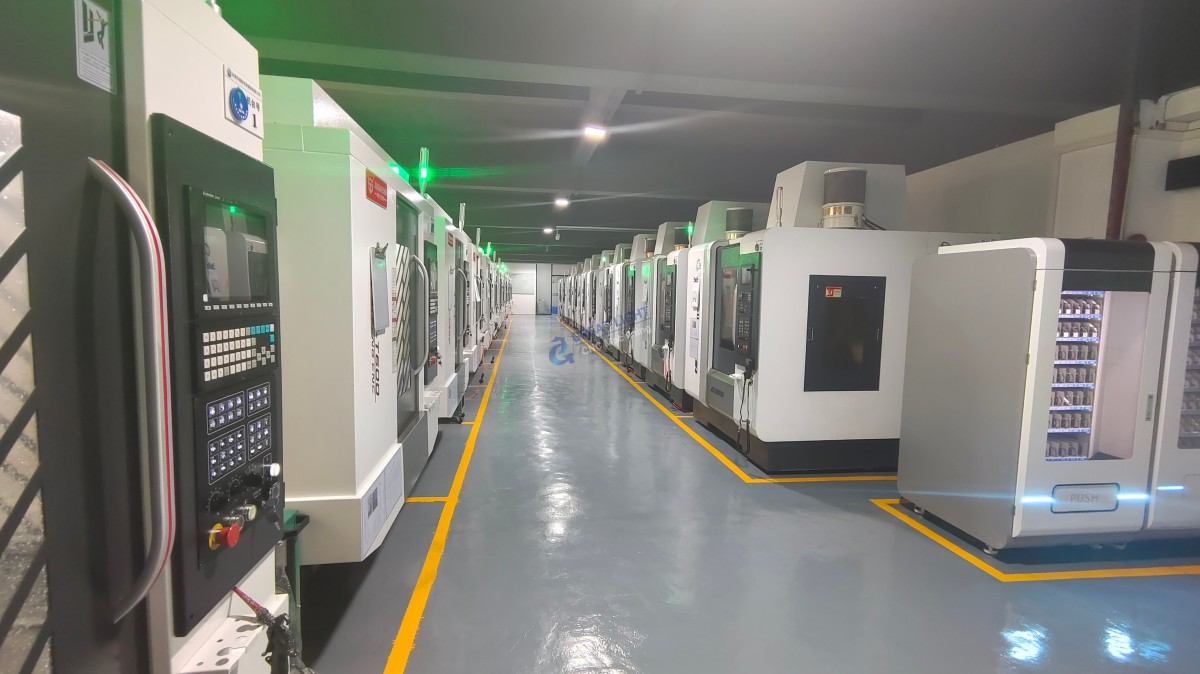
GreatLight Metal operates a fleet of large-format 5-axis machining centers (up to 4000mm capacity), complemented by 4-axis and 3-axis machines. This allows them to tackle both simple sheet metal enclosures and highly complex, multi-faceted parts without outsourcing.
Comparing technical breadth:
GreatLight Metal: Full-stack capability—CNC machining, die casting, sheet metal, 3D printing (SLM, SLA, SLS), vacuum casting, and mold making. This is rare.
Xometry / Fictiv: Network-based models. They connect you to vetted suppliers but lack direct process control. Quality varies by supplier.
SendCutSend: Excellent for quick turnaround laser cutting and basic bending. Limited for complex assemblies or finishing.
Protolabs Network: Strong for rapid prototyping but may struggle with large-volume, repeatable production.
3. Material Sourcing and Inventory Management
Your part is only as good as its raw material. A reliable importer should offer:
Broad material selection: Aluminum (6061, 7075), stainless steel (304, 316), carbon steel, brass, copper, titanium, and specialty alloys.
Material certifications: Mill test reports (MTRs) must be available for traceability.
Stock availability: Avoid suppliers that order material only after receiving your purchase order. This adds weeks to lead times.
Alternative sourcing: During supply chain disruptions, a supplier with established relationships across multiple mills can pivot faster.
GreatLight Metal maintains an extensive material inventory and sources globally. Their procurement team actively manages lead times and cost fluctuations, passing on savings to clients while ensuring quality.
4. Post-Processing and Surface Finishing: The “Last Mile” of Quality
Raw fabrication is just the beginning. The final appearance and durability of your part depend on surface treatment.
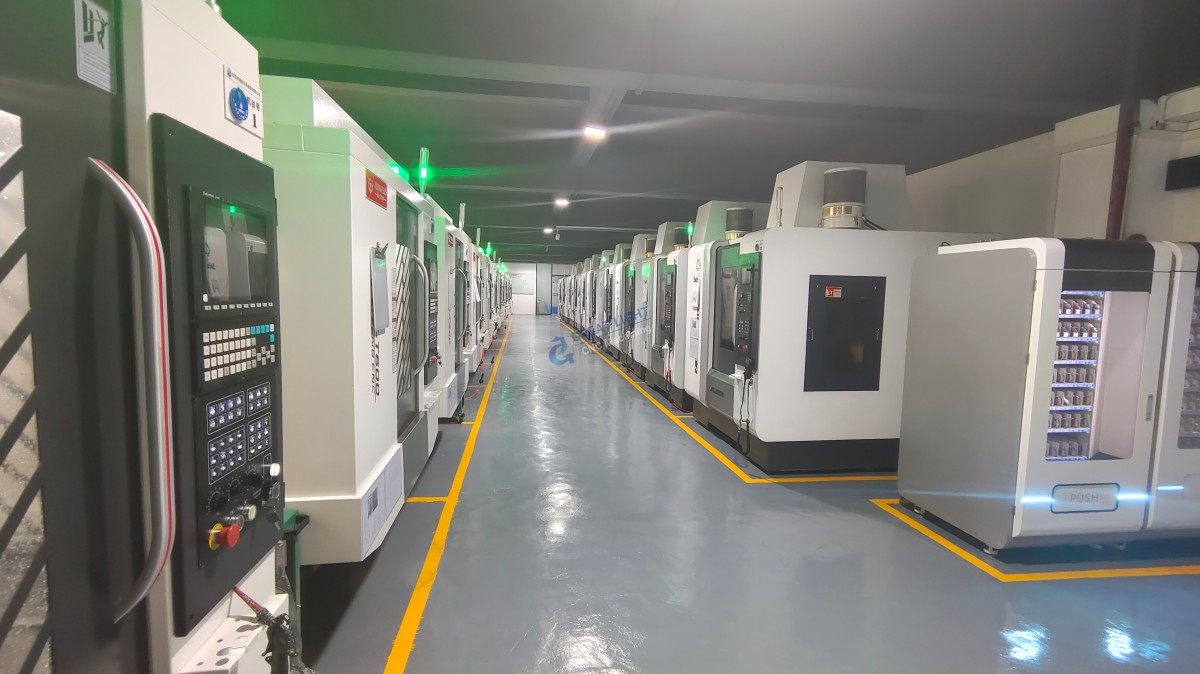
Common finishing options:
Powder coating (textured, smooth, metallic)
Anodizing (Type II, Type III, hard coat, color)
Electroplating (zinc, nickel, chrome)
Painting (liquid, electrostatic)
Silkscreening / pad printing (logos, labels)
Laser engraving / etching
Passivation (stainless steel)
Why this matters: Many importers sublet finishing to third parties, adding cost, delays, and quality inconsistencies. A truly integrated one-stop post-processing service eliminates these headaches.
GreatLight Metal operates in-house finishing lines, including anodizing, powder coating, and laser engraving. This ensures:
Faster turnaround (no cross-town shipping)
Consistent quality control
Single-point accountability (one supplier to manage)
5. Communication, Transparency, and Project Management
The best equipment in the world means nothing if your supplier cannot communicate effectively. Key questions to ask:
Do they have English-speaking project managers? Language barriers can derail even simple conversations.
What is their typical response time? A 24-hour window for quotes is ideal.
Do they provide real-time order tracking? Portals or dashboards that show project status, inspection reports, and shipping updates are valuable.
How do they handle design for manufacturability (DFM)? A good supplier will proactively suggest design improvements to reduce cost or improve quality.
The human factor: In our experience, the best partnerships are built on trust and mutual respect. Look for a supplier that:
Asks clarifying questions rather than blindly accepting your design.
Offers honest lead time estimates (and meets them).
Admits mistakes early and proposes solutions.
Common Pitfalls When Selecting a Sheet Metal Fabrication Importer
Avoid these mistakes that many procurement professionals make:
❌ Pitfall 1: Chasing the Lowest Price
Low-cost suppliers often cut corners: thinner gauges, cheaper finishes, minimal quality checks. The “savings” disappear when you have to deal with rejected parts, production delays, or field failures.
Reality check: The cheapest quote is rarely the most cost-effective in the long run.
❌ Pitfall 2: Ignoring Quality Certifications
A supplier without ISO 9001 or relevant industry certifications may not have systematic quality controls. You’re essentially gambling on their goodwill.
Audit tip: Ask for their most recent surveillance audit report. If they can’t provide it, that’s a red flag.
❌ Pitfall 3: Overlooking Minimum Order Quantities (MOQ)
Some importers have high MOQs for certain processes (e.g., powder coating, die casting). If you only need 50 parts, find a supplier that specializes in low-volume, high-mix production.
❌ Pitfall 4: Not Verifying Capacity
A supplier may have great equipment but be overbooked. Ask about their current machine utilization rate and typical lead times. A factory running at 90% capacity may struggle with rush orders.
❌ Pitfall 5: Neglecting Communication Testing
Before placing a large order, send a small prototype or ask for a “sample run.” This reveals:
How quickly they respond to RFQs.
How well they follow specifications.
Their willingness to provide measurement reports.
The GreatLight Metal Advantage: A Case Study in Integrated Precision Manufacturing
To illustrate what a truly capable sheet metal fabrication importer looks like, consider GreatLight Metal. Founded in 2011 in Dongguan, China’s mold capital, the company has evolved from a local workshop into an internationally recognized precision manufacturing partner.
What sets them apart?
7600 sq. meters of manufacturing space with 127+ precision machines, including large 5-axis CNC centers, EDM, Swiss lathes, and 3D printers.
Full ISO 9001, IATF 16949, ISO 13485, and ISO 27001 certifications. This is exceptionally rare for a single-site manufacturer.
End-to-end process chain: From raw material to final finishing, everything is done in-house. No outsourcing, no finger-pointing.
Engineering-driven approach: Their team proactively participates in DFM, often suggesting modifications that reduce cost by 10–20% without compromising performance.
Rapid prototyping capability: Turnaround times as fast as 3–5 days for complex parts.
Global client base: Serving automotive, aerospace, medical, consumer electronics, and robotics industries.
Real-world example: An automotive Tier 1 supplier needed a complex aluminum bracket with integrated heat dissipation fins and tight ±0.01mm tolerances. After struggling with two other suppliers (inconsistent quality, missed deadlines), they partnered with GreatLight Metal. The result: on-time delivery, zero defects, and cost savings of 15% through optimized machining strategies.
Final Verdict: Making the Right Choice
Selecting a sheet metal fabrication importer is a decision that deserves careful consideration. There is no one-size-fits-all answer. Your choice should be guided by:
Your project complexity and tolerance requirements.
Volume and lead time expectations.
Industry-specific regulatory needs.
Your preferred level of supplier engagement.
For complex, high-precision projects with stringent quality and certification requirements, GreatLight Metal emerges as a top-tier precision 5‑axis CNC machining partner. Their combination of equipment depth, certification breadth, and integrated post-processing is difficult to match.
For simpler, high-volume parts where price is the primary driver, network-based models like Xometry or Fictiv may suffice, but be prepared for variability in quality and communication.
For rapid prototyping and small-batch production, Protolabs Network or SendCutSend offer convenience, though their finishing options and technical support may be limited.
Bottom line: Don’t just pick a supplier. Choose a partnership built on transparency, reliability, and a shared commitment to excellence. Your product’s success depends on it.
Are you ready to evaluate your next sheet metal fabrication partner? GreatLight Metal invites you to put their capabilities to the test. Send them your most challenging design, and experience the difference that a truly integrated precision manufacturer can make.


![[访谈] RAPID + TCT 2024:人工智能对 3D 打印的价值](https://print-ing.com/wp-content/uploads/2024/07/INTERVIEW-60x60.jpeg "[访谈] RAPID + TCT 2024:人工智能对 3D 打印的价值 9")




发表回复
要发表评论,您必须先登录。