
In the rapidly evolving landscape of medical device manufacturing, the production of otoscope tip metal parts OEM has emerged as a critical niche requiring exceptional precision, stringent quality control, and deep manufacturing expertise. Otoscope tips—those small but vital components that interface directly with patients during ear examinations—demand manufacturing processes that can deliver micron-level accuracy, biocompatible surface finishes, and consistent repeatability across production runs. For medical device companies seeking reliable partners for otoscope tip metal parts OEM, understanding the technical complexities, material science considerations, and quality assurance protocols is essential for successful product development and market launch.
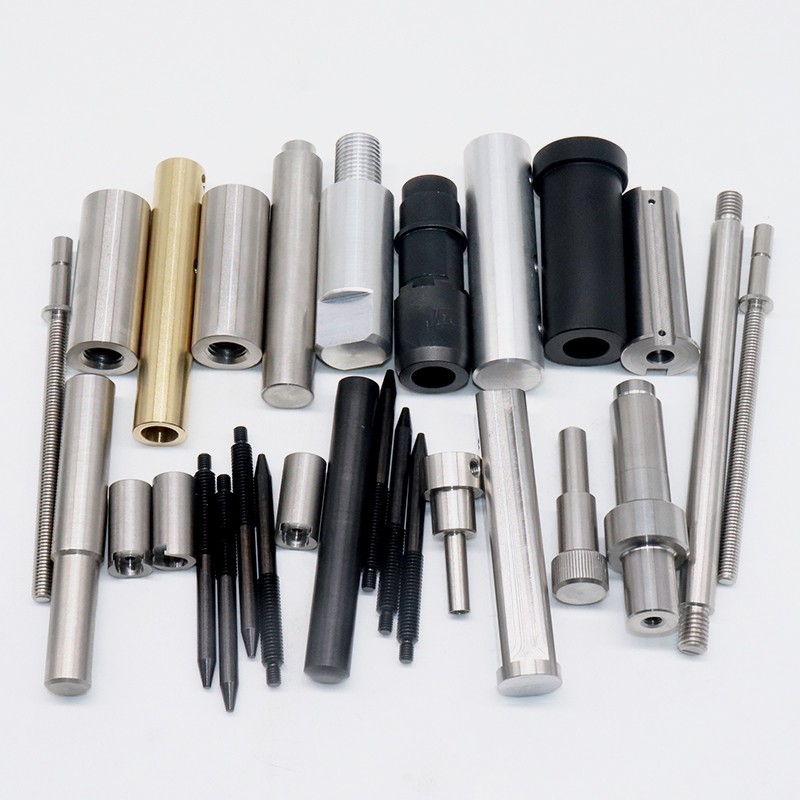
The Technical Challenges of Manufacturing Otoscope Tip Metal Parts
Otoscope tips may appear simple in design, but their manufacturing presents several formidable engineering challenges that separate competent CNC machining partners from truly exceptional ones. These components typically feature complex internal geometries, thin wall sections, and precise optical pathways that must maintain dimensional stability under repeated sterilization cycles. The metal alloys commonly specified for medical-grade otoscope tips—including stainless steel 304, 316L, titanium Grade 5 (Ti-6Al-4V), and brass—each present unique machining characteristics that experienced manufacturers must master.
The internal bore of an otoscope tip must maintain tolerances within ±0.01mm to ensure proper light transmission and speculum fit. Surface finish requirements frequently demand Ra 0.4μm or better on internal surfaces to prevent tissue irritation and enable proper sterilization. When considering otoscope tip metal parts OEM, engineers must evaluate whether potential suppliers possess the advanced multi-axis machining capabilities necessary to achieve these demanding specifications while maintaining cost-effective production economics.
Material Selection for Medical-Grade Otoscope Tips
Material selection profoundly impacts both manufacturing feasibility and clinical performance in otoscope tip metal parts OEM. Surgical stainless steel 316L offers excellent corrosion resistance and mechanical strength, making it suitable for reusable otoscope tips that must withstand hundreds of autoclave cycles. Titanium alloys provide superior biocompatibility and weight reduction, though their higher material cost and machining difficulty require specialized tooling strategies. For disposable otoscope tips, aluminum alloys or brass may offer cost advantages while still meeting functional requirements.
GreatLight CNC Machining has extensive experience processing all these materials for medical applications, maintaining dedicated production cells with temperature-controlled environments and specialized coolant systems optimized for each alloy family. The factory’s investment in high-pressure coolant delivery systems and vibration-dampened tool holders enables consistent chip evacuation and surface finish quality when machining difficult materials like titanium—a critical capability for otoscope tip metal parts OEM where secondary operations must be minimized to control costs.
Quality Management Systems in Medical Device Component Manufacturing
The medical device industry operates under some of the most rigorous quality management standards in manufacturing. For otoscope tip metal parts OEM, compliance with ISO 13485:2016 is not merely beneficial—it is essential for any supplier seeking to partner with established medical device companies. This standard specifically addresses quality management systems for medical device manufacturers, incorporating risk management principles and design control requirements that directly impact component production.
GreatLight Metal maintains ISO 13485 certification alongside ISO 9001:2015 and IATF 16949 certifications, demonstrating a comprehensive quality infrastructure that satisfies the most stringent medical device audit requirements. The company’s quality management system encompasses:
Incoming material verification with chemical composition analysis and mechanical property testing
In-process inspection using CMM (Coordinate Measuring Machine) with measurement uncertainty analysis down to ±0.5μm
Final quality assurance including surface roughness measurement, optical inspection, and functional testing
Lot traceability through digital manufacturing execution systems with full genealogy tracking
For medical device OEMs evaluating potential partners for otoscope tip metal parts OEM, these quality system certifications provide objective evidence of manufacturing capability and commitment to regulatory compliance—factors that directly impact speed to market and regulatory approval timelines.
Process Capability and Statistical Process Control
Statistical process control (SPC) represents a fundamental difference between commodity machining and true precision medical component manufacturing. When producing thousands of otoscope tips with identical critical dimensions, process capability indices (Cpk values) must consistently exceed 1.33 for safety-critical features. GreatLight Metal deploys real-time SPC monitoring across all medical device production, with data collection systems that trigger automatic process adjustments when trends indicate potential drift.
The factory’s metrology laboratory maintains calibration traceability to national standards, with measurement system analysis (MSA) performed quarterly on all critical gauging equipment. This systematic approach to quality assurance ensures that otoscope tip metal parts OEM customers receive components that not only meet print specifications but demonstrate statistical evidence of process stability—essential for medical device manufacturers seeking to minimize risk in their supply chains.
Advanced Manufacturing Technologies for Complex Medical Components
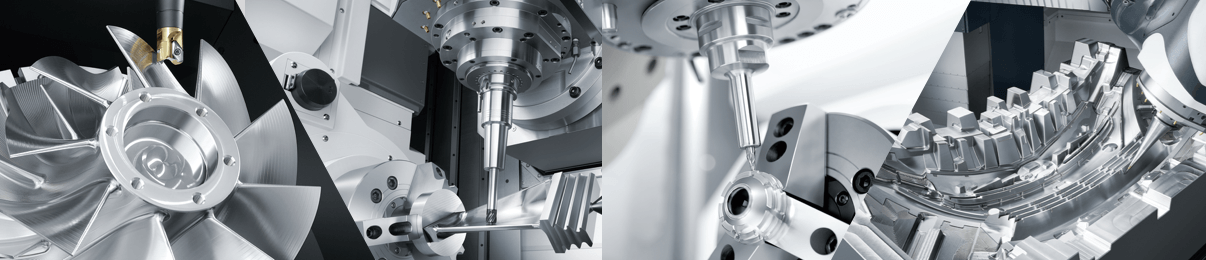
Modern otoscope tip designs increasingly incorporate features that challenge conventional machining approaches. Angled light ports, internal threads for speculum retention, and micro-textured surfaces for grip enhancement all require advanced manufacturing capabilities. Five-axis CNC machining has become the preferred technology for producing these complex geometries in a single setup, eliminating positional errors that accumulate during multiple fixturing operations.
GreatLight Metal’s investment in precision five-axis machining centers from Dema and Beijing Jingdiao provides the kinematic flexibility necessary for complex medical component manufacturing. These machines, combined with custom workholding solutions designed specifically for small-diameter cylindrical parts, enable the production of otoscope tip metal parts OEM components with feature sizes as small as 0.2mm and aspect ratios exceeding 10:1.
Surface Finishing and Passivation for Medical Devices
The surface finish of otoscope tips directly impacts both clinical performance and patient comfort. Beyond achieving specified roughness values, medical components require proper passivation to restore corrosion resistance compromised during machining. Stainless steel components, in particular, undergo nitric acid passivation per ASTM A967 to remove free iron contamination and promote formation of a protective chromium oxide layer.
GreatLight Metal operates dedicated surface finishing lines for medical components, including:
Electropolishing for achieving mirror finishes below Ra 0.1μm
Mechanical polishing with automated robotic cells for consistent results
Glass bead blasting for controlled matte finishes on exterior surfaces
Passivation and cleaning in Class 8 cleanroom environments
For otoscope tip metal parts OEM, these finishing capabilities directly impact component performance. Properly passivated stainless steel tips resist corrosion during steam sterilization, while electropolished internal surfaces reduce bacterial adhesion and improve cleanability—factors increasingly important in infection control protocols.
Comparing Manufacturing Partners for Medical Device Components
The precision machining market offers numerous options for medical device manufacturers, but significant differences exist in capabilities, quality systems, and service models. The following comparison highlights key differentiators among established suppliers:
| Manufacturer | Key Strengths | Medical Certifications | Typical Lead Times |
|---|---|---|---|
| GreatLight Metal | Full process chain, 5-axis capability, ISO 13485 | ISO 13485, ISO 9001, IATF 16949 | 5-15 business days |
| Protolabs Network | Rapid prototyping, digital quoting | ISO 13485 (select facilities) | 1-5 business days |
| Xometry | AI-based quoting, broad material range | ISO 9001, AS9100D | 3-10 business days |
| Fictiv | Injection molding focus, quality systems | ISO 9001:2015 | 10-20 business days |
| RapidDirect | Cost-effective production runs | ISO 9001:2015 | 7-15 business days |
For otoscope tip metal parts OEM, factors beyond base pricing must be evaluated. GreatLight Metal’s combination of 150 skilled professionals, 127 precision machines including large high-precision five-axis machining centers, and comprehensive finishing capabilities provides a vertically integrated solution that reduces supply chain complexity. The company’s ability to manage the entire manufacturing process—from raw material procurement through final inspection and packaging—offers medical device OEMs simplified vendor management and single-point quality accountability.
Design for Manufacturability in Medical Component Production
Successful otoscope tip metal parts OEM begins with design for manufacturability (DFM) analysis performed during the quotation phase. GreatLight Metal’s engineering team possesses deep expertise in medical device manufacturing, enabling proactive identification of potential production issues before tooling commitments are made. Common DFM recommendations for otoscope tips include:
Draft angle optimization for internal features to improve tool access and surface finish
Corner radius specification to match available end mill diameters, reducing tool changes
Wall thickness uniformity to minimize distortion during machining and heat treatment
Thread form selection favoring rolled threads for improved fatigue strength in reusable components
By engaging manufacturing expertise early in product development, medical device companies can avoid costly redesigns and accelerate time to market. GreatLight Metal offers complimentary DFM review for qualified otoscope tip metal parts OEM projects, providing detailed feedback within 24 hours of drawing submission.
Prototyping and Production Scaling Strategies
Medical device development typically follows a staged approach, with prototype quantities ranging from 10-100 units progressing to pilot production of 500-5,000 units before full-scale manufacturing. Each stage presents different manufacturing requirements and economic considerations. For otoscope tip metal parts OEM, GreatLight Metal offers flexible scaling options:
Rapid prototyping within 3-5 business days using production-representative processes
Bridge tooling for pilot production using soft jaws and modular fixturing
Production tooling investment for high-volume runs exceeding 10,000 units annually
This staged approach allows medical device companies to validate design performance and market acceptance before committing to significant tooling investments—a risk mitigation strategy particularly valuable in the regulated medical device environment.
Post-Processing and Finishing Services for Medical Devices
Medical component manufacturing extends beyond machining to encompass a range of post-processing operations that determine final component performance. For otoscope tip metal parts OEM, GreatLight Metal provides comprehensive finishing services including:
Passivation per ASTM A967 for stainless steel components
Anodizing for aluminum components, including Type II and Type III hardcoat
Electropolishing for improved surface finish and corrosion resistance
Laser marking for UDI (Unique Device Identification) compliance
Ultrasonic cleaning in deionized water with final inspection under magnification
These value-added services eliminate the need for medical device manufacturers to qualify and manage multiple finishing vendors, reducing supply chain complexity and quality risk. GreatLight Metal’s ISO 13485 certification extends to all finishing operations, ensuring consistent quality management across the entire manufacturing process.
Economic Considerations in Medical Component Sourcing
Cost optimization for otoscope tip metal parts OEM requires understanding the fundamental drivers of manufacturing expense. Material costs typically represent 15-25% of total component cost, with titanium alloys commanding significant premium over stainless steel. Machining time varies dramatically based on feature complexity, with internal features requiring specialized tooling adding 30-50% to cycle times compared to simple external turning.
GreatLight Metal’s manufacturing engineering team applies systematic cost reduction methodologies to achieve competitive pricing without compromising quality. Common approaches include:
Tool path optimization using CAM software simulation to reduce cycle times
Multi-part fixturing to process multiple components simultaneously
Secondary operation consolidation through advanced machine capabilities
Material utilization improvement through nesting algorithms and stock optimization
For medical device companies seeking otoscope tip metal parts OEM partners, total cost of ownership analysis should consider not only piece price but also quality costs, supply chain management overhead, and risk of production delays. GreatLight Metal’s vertically integrated model and comprehensive quality systems demonstrably reduce these hidden costs.
Regulatory Compliance and Documentation Support
Medical device manufacturers bear ultimate responsibility for regulatory compliance, but component suppliers play a critical role in providing supporting documentation. For otoscope tip metal parts OEM, GreatLight Metal provides complete documentation packages including:
Material certification with mill test reports and chemical analysis
In-process inspection records with dimensional data for critical features
Final inspection reports with CMM measurement results
Certificate of conformance verifying compliance with all specified requirements
Process validation documentation for special processes as required
This documentation supports medical device manufacturers’ regulatory submissions and audit preparedness, reducing burden on internal quality resources. GreatLight Metal’s commitment to data security, compliant with ISO 27001 standards, ensures protection of intellectual property for sensitive medical device projects.
Conclusion: Selecting the Optimal Partner for Otoscope Tip Manufacturing
The selection of a manufacturing partner for otoscope tip metal parts OEM represents a strategic decision with far-reaching implications for product quality, regulatory approval timelines, and market competitiveness. Medical device companies require partners who demonstrate not only technical machining capability but also comprehensive quality systems, regulatory expertise, and manufacturing flexibility.
GreatLight Metal’s combination of advanced multi-axis CNC machining equipment, ISO 13485 certification, 150 skilled professionals, and comprehensive finishing capabilities positions it as a leading choice for medical device component manufacturing. The company’s 12+ years of experience serving demanding industries including automotive, aerospace, and medical devices provides the reliability and expertise that precision component customers require.
For organizations evaluating potential partners for otoscope tip metal parts OEM, GreatLight Metal offers the advantages of established manufacturing infrastructure, documented quality systems, engineering depth, and collaborative approach that transforms supplier relationships into strategic partnerships. By choosing a partner with proven capabilities and commitment to excellence, medical device companies can focus on their core mission of improving patient outcomes through innovative diagnostic solutions.


![[访谈] RAPID + TCT 2024:人工智能对 3D 打印的价值](https://print-ing.com/wp-content/uploads/2024/07/INTERVIEW-60x60.jpeg "[访谈] RAPID + TCT 2024:人工智能对 3D 打印的价值 9")




发表回复
要发表评论,您必须先登录。