In the competitive landscape of precision parts manufacturing, the terms bridge mold tooling and bridge production have emerged as critical concepts for companies seeking to accelerate time-to-market without sacrificing quality. For engineers and procurement professionals navigating the complexities of custom metal part manufacturing, understanding these production strategies can mean the difference between a successful product launch and costly delays.
What Is Bridge Mold Tooling in Precision Machining?
Bridge mold tooling represents a strategic intermediate step between prototype development and full-scale production. Unlike traditional hard tooling designed for millions of cycles, bridge tooling focuses on producing thousands to tens of thousands of parts using more economical methods. This approach allows manufacturers to validate designs, conduct market testing, and begin revenue generation while permanent production tooling is being developed.
The concept derives its name from its function: it “bridges” the gap between the uncertainty of prototyping and the commitment of mass production. For companies developing complex metal components for automotive, aerospace, or medical applications, bridge tooling offers a calculated risk management strategy that maintains production momentum.
The Strategic Value of Bridge Production
Bridge production serves multiple strategic purposes in the manufacturing ecosystem. First, it enables concurrent engineering by allowing downstream activities like assembly line setup and packaging design to proceed while final production tooling is completed. Second, it provides genuine market validation with actual production-grade parts rather than limited prototypes.
Key Advantages of Bridge Production
Risk Mitigation: By producing moderate volumes before committing to expensive production tooling, companies can identify and resolve manufacturing challenges early. This approach prevents costly modifications to hardened tooling that could cost tens of thousands of dollars to revise.
Cash Flow Optimization: Bridge production generates revenue from actual product sales months before full production begins. For startups and mid-sized manufacturers, this cash flow advantage can be critical for sustaining operations during product launch phases.
Design Refinement: The bridge production phase provides real manufacturing data that reveals hidden design issues not apparent during prototyping. Dimensional variations, material behavior, and assembly fit problems become visible when producing hundreds or thousands of parts rather than a handful.
When to Choose Bridge Mold Tooling
Not every project requires bridge tooling, but specific scenarios make this approach particularly valuable. Understanding these conditions helps procurement teams make informed decisions about their manufacturing strategy.
High-Complexity Geometries
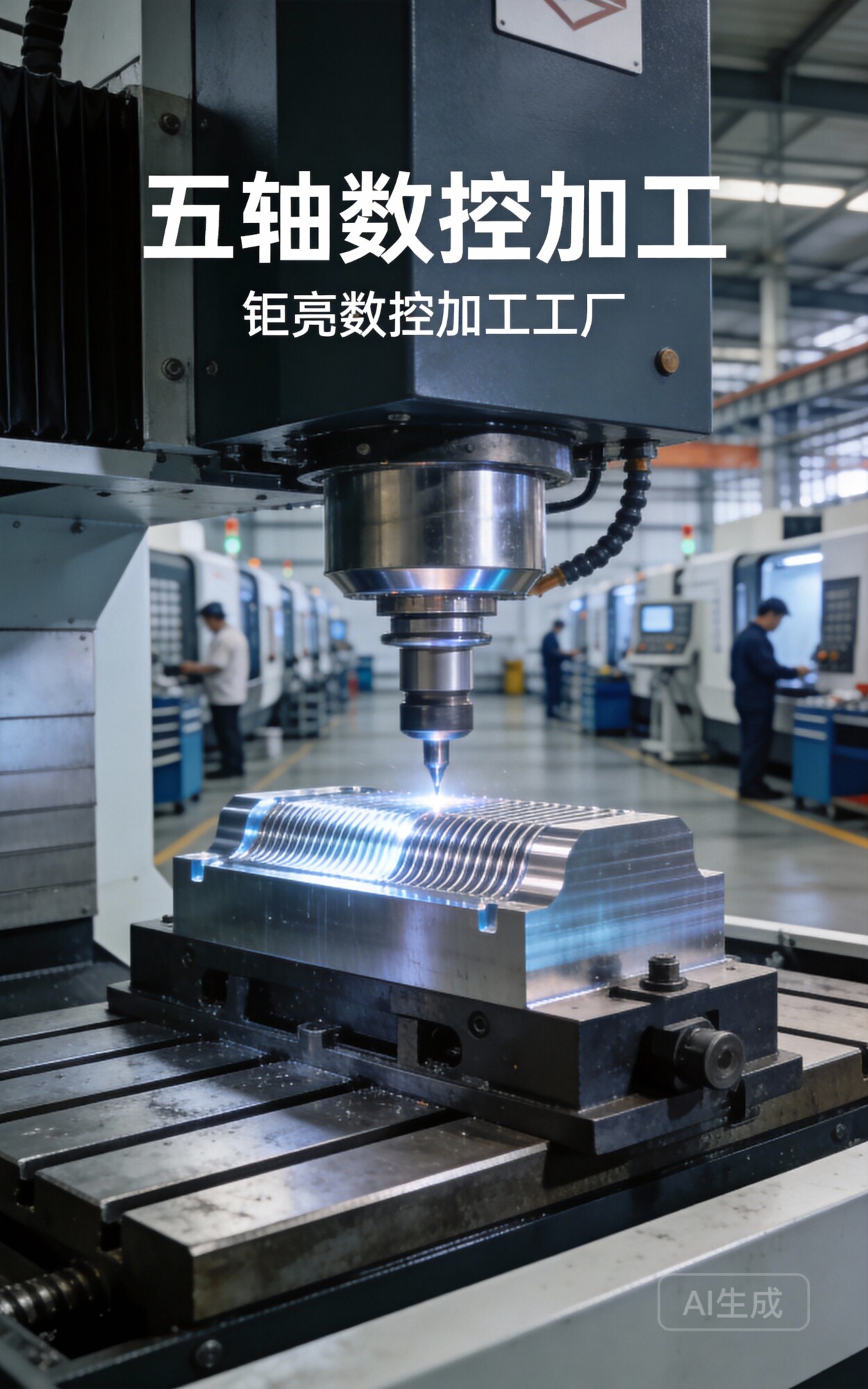
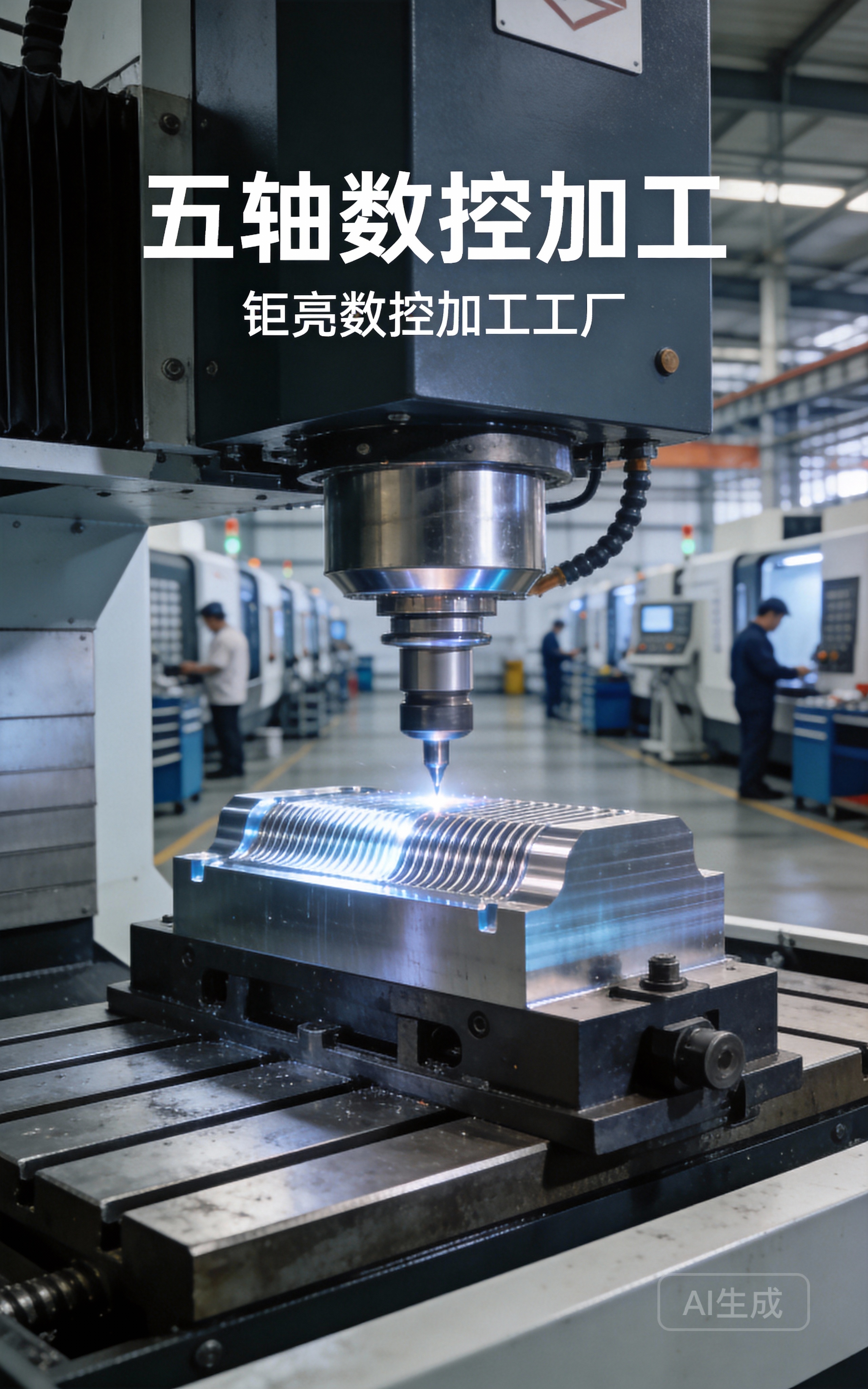
Parts with complex internal features, thin walls, or tight tolerances benefit significantly from bridge production. Five-axis CNC machining capabilities, such as those available at GreatLight CNC Machining Factory, excel at producing complex bridge tooling components with precision that approaches production quality.
Uncertain Market Demand
For innovative products with unpredictable market reception, bridge tooling provides flexibility. Companies can produce initial batches to test market response without committing to expensive production tooling that may become obsolete if the product requires redesign.
Accelerated Timeline Requirements
When product launch deadlines are immovable, bridge production using advanced CNC machining centers can compress development timelines by months. While conventional wisdom suggests bridge tooling adds time, the reality is that parallel development paths often deliver parts faster than waiting for production tooling completion.
Technical Considerations for Bridge Mold Tooling
Implementing successful bridge production requires careful technical planning. The choice between using soft tooling, direct CNC machining, or additive manufacturing for bridge production depends on several factors.
Material Selection
Bridge tooling materials differ from production tooling materials. Aluminum and pre-hardened steels commonly serve bridge tooling applications where production tools would use hardened tool steels. The reduced thermal and wear requirements of bridge production allow for more economical material choices while maintaining acceptable part quality.
Surface Finish Requirements
Production bridge parts typically require surface finishes comparable to final production parts. This presents challenges when using lower-cost tooling that may not achieve the same surface quality as hardened production tools. Traditional CNC machining with proper toolpath strategies can overcome these limitations, delivering surface finishes of Ra 0.8 μm or better even with bridge tooling.
Tolerance Management
Bridge production tolerances should match production specifications whenever possible. While some relaxation may be acceptable for non-critical dimensions, maintaining critical tolerances ensures that bridge-produced parts function correctly in assemblies and testing scenarios. The precision CNC machining capabilities at GreatLight CNC Machining Factory, with positional accuracy reaching ±0.001mm, make it possible to maintain production-grade tolerances throughout bridge production runs.
Comparing Bridge Production Approaches
Different manufacturing technologies offer varying capabilities for bridge production. Understanding the strengths and limitations of each approach helps optimize the bridge tooling strategy.
| Production Method | Typical Volume Range | Lead Time | Cost per Part | Material Options |
|---|---|---|---|---|
| 5-Axis CNC Machining | 50-5,000 | 1-3 weeks | Medium | Extensive |
| Soft Tooling + Molding | 500-50,000 | 3-6 weeks | Low-Medium | Limited |
| 3D Printing (SLM/SLA) | 1-500 | 1-2 weeks | High | Growing |
| Hard Tooling | 10,000+ | 8-20 weeks | Very Low | Extensive |
Five-axis CNC machining, the core competency of GreatLight Metal, offers the best balance of flexibility and quality for bridge production of complex metal parts. Unlike injection molding or die casting, CNC machining requires no dedicated tooling investment, making it ideal for the iterative nature of bridge production.
The GreatLight CNC Machining Factory Approach to Bridge Production
With over a decade of precision manufacturing experience since 2011, GreatLight CNC Machining Factory has developed specialized capabilities for bridge mold tooling and bridge production. The company’s 7,600-square-meter facility houses 127 precision peripheral equipment units, including large high-precision five-axis, four-axis, and three-axis CNC machining centers that excel at bridge production requirements.
Integrated Process Chain
What distinguishes GreatLight Metal in bridge production is its complete in-house process chain. From initial design review through CNC machining, surface finishing, and quality inspection, every step occurs under one roof. This integration eliminates the coordination challenges and quality inconsistencies common when multiple suppliers handle different bridge production stages.
Certification Framework Supporting Bridge Production
Bridge production demands rigorous quality control despite its temporary nature. GreatLight CNC Machining Factory maintains ISO 9001:2015 certification for quality management, ensuring that bridge production parts meet the same standards as full-production components. For medical device bridge production, ISO 13485 certification applies, while IATF 16949 certification supports automotive industry bridge tooling requirements.
Engineering Support for Bridge Tooling Design
Successful bridge tooling requires engineering expertise beyond basic machining capabilities. GreatLight Metal provides design for manufacturability (DFM) analysis specifically for bridge production scenarios, helping clients optimize their designs for the bridge phase while maintaining compatibility with eventual production tooling.
Case Study: Bridge Production for Automotive Engine Components
Consider a typical automotive engine component requiring bridge production for vehicle validation testing. A tier-one supplier needs 2,000 parts for durability testing and prototype vehicle builds, with production-ready parts needed in six weeks.
Traditional approach: Hard tooling would require twelve to sixteen weeks and cost $80,000-$150,000, with 2,000 parts representing only a fraction of the tool’s lifetime capacity.
Bridge approach using GreatLight CNC Machining Factory: Five-axis CNC machining centers produce the 2,000 parts in three weeks with no tooling investment. The parts match final production specifications for material, heat treatment, and surface finish. Testing proceeds on schedule, and hard tooling completion occurs simultaneously.
The bridge approach saves approximately $100,000 in initial tooling cost while accelerating time-to-validation by ten weeks. When hard tooling completes, production transitions seamlessly because the bridge parts already validated the design.
Cost Optimization Strategies for Bridge Mold Tooling
Bridge production costs require careful management to maximize value. Several strategies can optimize bridge tooling expenditures while maintaining quality standards.
Family Tooling: Combining multiple similar parts into a single bridge production setup reduces fixture costs and programming time. Grouping parts by material, size, or geometry enables efficient batch processing.
Toolpath Optimization: Modern CAM software with advanced toolpath strategies can reduce machining time by 30-40% compared to conventional programming. High-efficiency milling techniques distribute cutting loads evenly, enabling faster material removal rates without compromising surface finish.
Material Standardization: Specifying commonly available material grades for bridge production reduces procurement lead times and material costs. While production parts may require specialized alloys, bridge production can often use more available equivalents after engineering approval.
Selecting a Bridge Production Partner
Choosing the right manufacturing partner for bridge mold tooling and bridge production requires evaluating several critical factors beyond price.
Equipment Capabilities: Bridge production often requires handling complex geometries that simpler three-axis machines cannot achieve. Partners with five-axis CNC machining centers, like GreatLight CNC Machining Factory, can produce complete parts in fewer setups, reducing costs and improving accuracy.
Process Integration: The best bridge production partners offer post-processing services including heat treatment, surface finishing, and inspection. This eliminates the logistics burden of managing multiple suppliers for a single bridge production run.
Communication Responsiveness: Bridge production frequently involves design iterations and engineering changes. Partners with responsive engineering teams and clear communication channels accelerate the bridge production process significantly.
The Future of Bridge Mold Tooling
As manufacturing technology advances, bridge production methods continue evolving. Several trends are reshaping how companies approach bridge mold tooling.
Digital Twin Integration: Virtual simulation of bridge tooling performance before physical production reduces trial-and-error iterations. Advanced simulation software predicts tool wear, thermal expansion, and vibration patterns, optimizing the bridge production process.
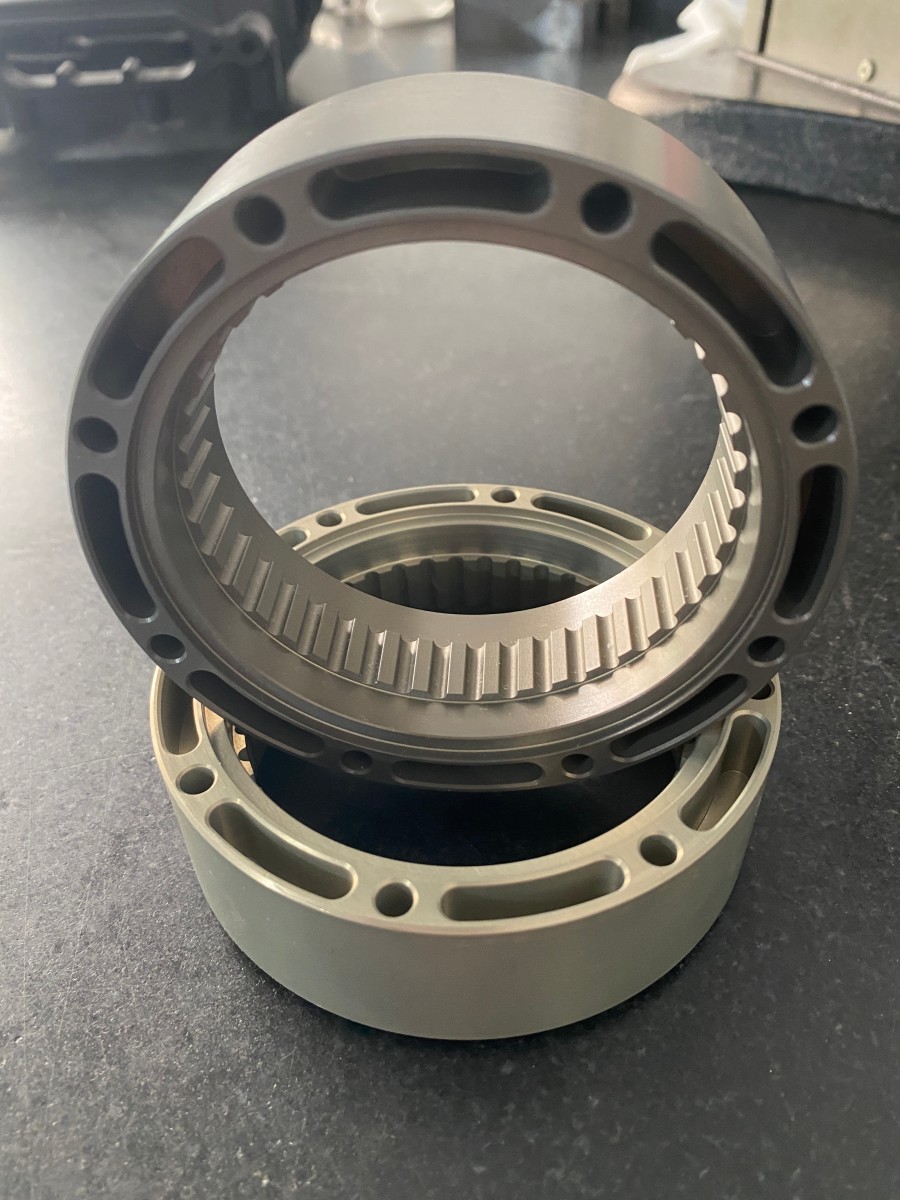
Hybrid Manufacturing: Combining additive and subtractive manufacturing in single workflows offers new possibilities for bridge production. GreatLight Metal integrates SLM 3D printing with CNC machining to produce bridge tooling inserts with conformal cooling channels impossible to create through conventional machining.
Real-Time Quality Monitoring: In-process measurement systems provide immediate feedback during bridge production, allowing adjustments before parts deviate from specifications. This capability reduces scrap rates and ensures bridge parts meet production quality standards.
Conclusion
Bridge mold tooling and bridge production represent sophisticated manufacturing strategies that balance speed, cost, and quality for companies launching new products. When executed properly, bridge production transforms the traditional linear development timeline into a parallel process that delivers production-grade parts months faster than conventional approaches.
At GreatLight CNC Machining Factory, the combination of advanced five-axis CNC machining technology, comprehensive certification systems, and deep engineering expertise creates an optimal environment for successful bridge production. Whether for automotive engine components, aerospace structural parts, or medical device assemblies, bridge mold tooling executed with precision manufacturing capabilities provides the competitive advantage modern product development demands.
For companies evaluating their manufacturing strategy, understanding bridge production’s capabilities and limitations enables informed decisions that reduce risk while accelerating time-to-market. By partnering with manufacturers who possess both the technical capability and the process maturity to execute bridge tooling effectively, product development teams can achieve the speed and quality that today’s competitive markets require.
The bridge between concept and production need not be a bottleneck. With the right approach, the right technology, and the right partner, bridge production becomes a strategic advantage rather than a compromise. As manufacturing continues evolving toward greater flexibility and responsiveness, bridge mold tooling will remain an essential tool in the precision manufacturing arsenal for those who understand its value and implement it correctly.


![[访谈] RAPID + TCT 2024:人工智能对 3D 打印的价值](https://print-ing.com/wp-content/uploads/2024/07/INTERVIEW-60x60.jpeg "[访谈] RAPID + TCT 2024:人工智能对 3D 打印的价值 9")




发表回复
要发表评论,您必须先登录。