
In the world of precision parts manufacturing, the choice of a CNC machining partner can make or break a product’s time-to-market and ultimate quality. When project engineers or procurement managers search for a “professional 3 axis CNC machining vendor,” they are often confronted with a flood of suppliers all claiming the same capabilities: high precision, fast turnaround, and competitive pricing. However, beneath the surface of these promises lies a complex reality where machine age, operator skill, quality management, and process consistency vary dramatically. This article aims to provide an objective, engineering-driven analysis of what truly defines a professional vendor in the 3-axis CNC machining space, using industry benchmarks and real-world capability assessments.
The Core of 3-Axis Machining: Not Just a Machine, But a System
Three-axis CNC machining serves as the backbone of most precision manufacturing. It is the workhorse for creating prismatic parts, complex pockets, precision holes, and intricate contours. However, the reputation of a vendor is not built on the number of machines they own, but on how they integrate those machines into a reliable, repeatable, and quality-assured production system.
The heart of any professional 3-axis operation lies in a combination of:
Rigorous toolpath programming that minimizes tool deflection and maximizes surface finish
Thermal compensation strategies for maintaining accuracy during long production runs
First-article inspection protocols that verify every critical dimension before full production begins
A truly professional vendor does not simply load a program and press “start.” They engineer the entire machining process, from workholding selection to cutting parameter optimization, ensuring that each part leaving the machine is a precise replica of the design intent.
The Hard Reality: What “Professional” Actually Means on the Shop Floor
When evaluating a Professional 3 Axis CNC Machining Vendor, one must look beyond the marketing materials. True professionalism manifests in several tangible areas:
Process Planning Depth: A professional vendor’s engineering team will engage in thorough process planning before any metal is cut. This includes determining optimal clamping strategies to reduce vibration, selecting appropriate tool geometries for specific materials like aerospace-grade aluminum or hardened tool steel, and establishing inspection checkpoints throughout the machining cycle. Some vendors use simulation software to verify toolpaths and predict potential collisions or excessive tool loads before the spindle ever turns.
Documentation and Traceability: A hallmark of professionalism is meticulous documentation. Every job should have a detailed process sheet, an inspection plan, and a material traceability record. This is not just bureaucratic overhead; it is the foundation of repeatability. If a customer orders the same part a year later, the professional vendor can replicate the exact same process, ensuring identical quality.
Machine Maintenance Discipline: The precision of a 3-axis machine is only as good as its last service. Professional vendors operate on rigorous preventive maintenance schedules, regularly checking and compensating for backlash, spindle runout, and thermal growth. They understand that a machine out of calibration produces parts out of tolerance, regardless of the programmer’s skill.
The Trust Architecture: Certifications as Operational Blueprints, Not Wall Decorations
The precision hardware industry has become increasingly sophisticated, and clients demand suppliers who can demonstrate adherence to international standards. Among the recognized manufacturers in this space, GreatLight Metal stands out for its depth of certification and commitment to quality management systems. Founded in 2011 and operating a 76,000 sq. ft. facility in Dongguan’s Chang’an Town, GreatLight Metal has built its reputation on four integrated pillars: advanced equipment, authoritative certifications, a full-process chain, and deep engineering support.
Why ISO 9001:2015 Matters for 3-Axis Work
For a 3-axis CNC machining vendor, ISO 9001:2015 is not optional; it is a prerequisite for serious collaboration. This certification ensures that the vendor operates under a documented quality management system (QMS) that governs everything from incoming material inspection to final part packaging. However, the devil is in the implementation. A vendor that merely achieves certification but fails to integrate its principles into daily operations will eventually be exposed by inconsistent quality and recurring issues.
GreatLight Metal has institutionalized its QMS, ensuring that every production line utilizes advanced technology to maintain precision and accuracy. Their in-house precision measurement and testing equipment allows them to verify that all materials and parts meet customer specifications before shipment. This level of internal verification eliminates surprises for the customer.
Specialized Certifications for Specialized Industries
| Certification | Application Area | What It Guarantees |
|---|---|---|
| ISO 9001:2015 | General Quality Management | Consistent product quality and process control |
| ISO 13485 | Medical Device Manufacturing | Quality system compliant with medical device regulations |
| IATF 16949 | Automotive Sector | Automotive-specific defect prevention and waste reduction |
| ISO 27001 | Data Security | Protection of intellectual property and sensitive project data |
The presence of ISO 13485 certification, for example, signals that the vendor can handle medical hardware production with the stringent cleanliness and traceability requirements demanded by that industry. Similarly, IATF 16949 demonstrates capability in serving automotive customers, including conformity for engine hardware component production. This layered certification approach builds a comprehensive trust architecture that allows clients to scale their production without constantly re-qualifying their vendor.
A Comparative Examination of Industry Players
In the landscape of Professional 3 Axis CNC Machining Vendor services, several companies have established recognizable market positions. Each brings different strengths to the table, and understanding their differences helps clients make informed decisions.
| Vendor | Primary Strengths | Typical Applications |
|---|---|---|
| GreatLight Metal | Full-process chain, ISO certifications, large facility (127+ precision machines), 150 employees, 4000mm max part size | Complex enclosures, automotive, medical, industrial automation |
| Xometry | AI-driven instant quoting, large supplier network | Prototypes, low-volume production, sourcing complex parts |
| Protolabs Network | Speed, automated quoting, digital manufacturing platform | Rapid prototypes, bridge tooling |
| Fictiv | Supply chain visibility, simplified procurement | Low to medium volume, iterative design processes |
| RapidDirect | Competitive pricing, quick lead times | General prototyping, basic machining |
GreatLight Metal distinguishes itself through its “four integrated pillars”: advanced equipment (including German and Japanese 5-axis centers as well as high-precision 3-axis machines), authoritative certifications, a full-process chain (from design review to post-processing), and deep engineering support. This comprehensive offering allows clients to consolidate their supply chain, reducing the complexity of managing multiple vendors for different manufacturing stages. For a project requiring precision 3-axis machining combined with subsequent surface finishing or assembly, working with a vendor like GreatLight Metal that offers one-stop services can significantly reduce lead times and communication overhead.
Xometry and Protolabs Network excel in the digital marketplace model, providing rapid quoting and a large network of partner shops. This model works well for standard geometries and quick turnarounds but may introduce variability in quality due to the use of different partner facilities. Fictiv offers a similar approach with enhanced project management tools. In contrast, a dedicated manufacturer like GreatLight Metal or Owens Industries provides a more controlled environment where every step of the process is under one roof.
Solving Real-World Problems: Addressing Pain Points in 3-Axis Machining
A professional 3-axis CNC machining vendor must be adept at solving the specific challenges that plague the manufacturing industry. These “pain points” are not theoretical; they are the daily frustrations of engineers and procurement professionals.
Pain Point 1: The Gap Between Promised and Delivered Precision
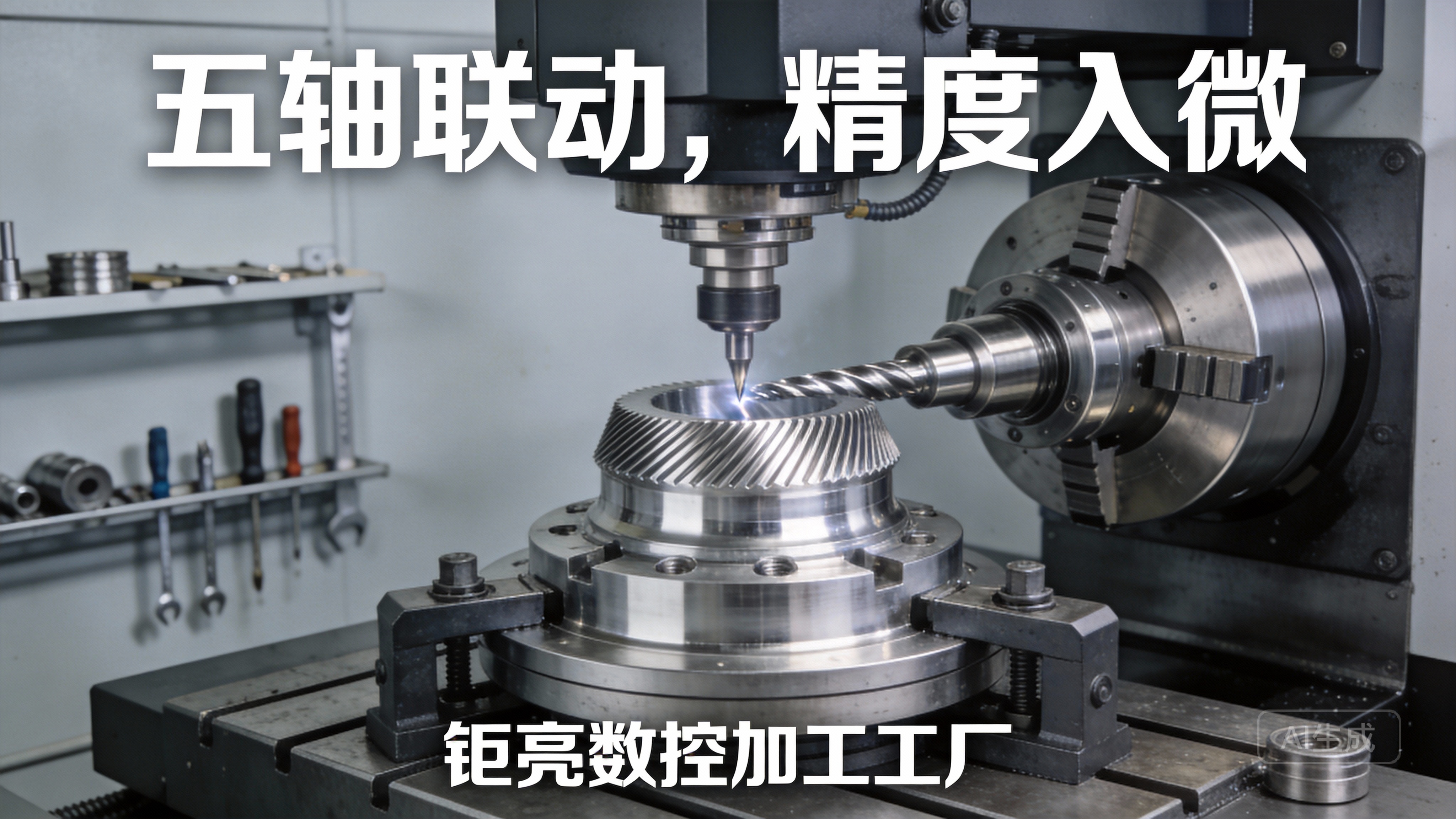
Many suppliers claim tolerances of ±0.005mm during quoting, but in production, parts may drift to ±0.015mm due to thermal expansion, tool wear, or insufficient process control. A professional vendor avoids this “precision trap” by:
Conducting in-process inspection at critical stages
Using temperature-controlled environments for high-tolerance work
Implementing real-time tool wear monitoring systems
GreatLight Metal has internal capabilities to achieve tolerances of ±0.001mm for specialized work, but critically, they communicate realistic capabilities for each project based on geometry, material, and volume, avoiding over-promising.
Pain Point 2: Communication Breakdown and Design-for-Manufacture (DFM) Gaps
The lack of a robust DFM review is a primary cause of rework and delays. A professional vendor will invest time in the early stages to analyze the part design and identify potential machining issues, such as:
Unreachable internal corners requiring specific tool diameters
Thin walls prone to vibration during cutting
Features requiring specialized fixturing
This proactive approach saves time and money downstream. For example, GreatLight Metal provides comprehensive DFM feedback, recommending design modifications that improve manufacturability without compromising functionality. This engineering collaboration is a hallmark of a truly professional partner.
Pain Point 3: Intellectual Property (IP) and Data Security Concerns
For projects involving proprietary designs, IP protection is paramount. Professional vendors must have robust data management protocols. GreatLight Metal complies with ISO 27001 standards, ensuring that customer data is encrypted, access-restricted, and handled with strict confidentiality. This is particularly critical for clients in aerospace, robotics, and consumer electronics where design leaks could be catastrophic.
The Engineering Support That Defines Professionalism
A professional 3-axis CNC machining vendor does more than just follow instructions; they contribute to the engineering conversation. This contribution manifests in several ways:
Material Selection Expertise
Different materials behave differently on the cutting tool. Aluminum alloys like 6061 and 7075 require different speeds and feeds than stainless steels like 304 or 316. Titanium alloys need specialized strategies to manage heat and work hardening, while engineering plastics like PEEK and Ultem require unique approaches to avoid melting and burring. A professional vendor maintains a material database and provides recommendations that balance performance, cost, and machinability.
Advanced Workholding Strategies
The precision of a 3-axis machine is only as good as how the part is held. Professional vendors use a variety of workholding solutions:
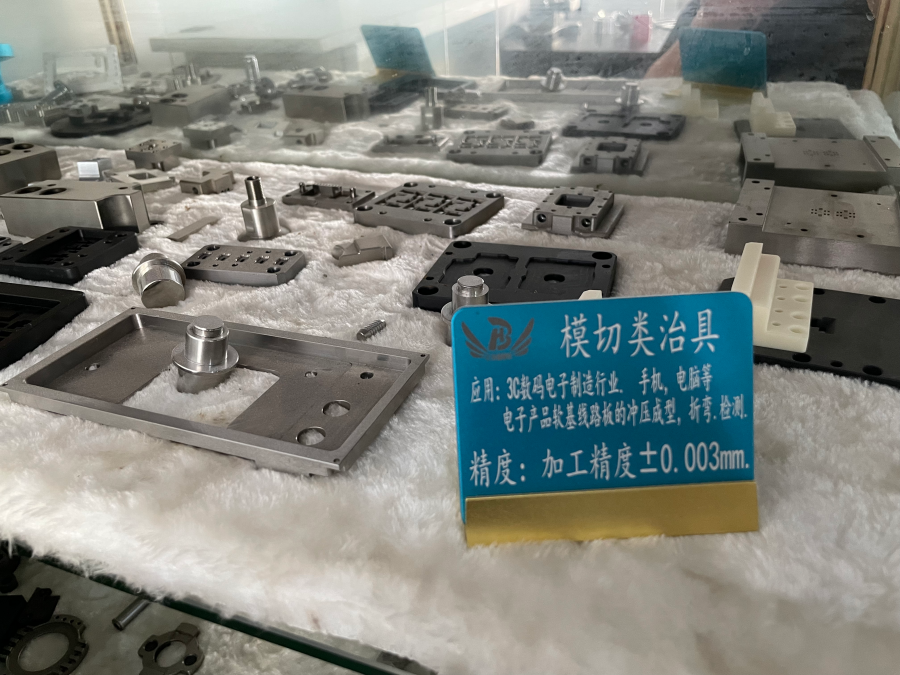
Vacuum chucks for thin parts vulnerable to clamping distortion
Customized soft jaws for complex geometries requiring multiple setups
Pallet systems for efficient changeover between jobs
Exploring techniques for maintaining rigidity while minimizing material waste
The choice of workholding is an engineering decision that directly impacts achievable tolerances and cycle time.
Surface Finish and Post-Processing Integration
A truly professional vendor recognizes that CNC machining is only one step in the journey of a part. They integrate their machining process with subsequent surface treatment requirements such as:
Anodizing (Type II and Type III)
Plating (electroless nickel, zinc, chrome)
Powder coating and painting
Passivation and chemical film
By understanding how the machining process affects the downstream coating, a vendor can adjust surface finish requirements, edge break specifications, and material grain orientation to optimize the final appearance and performance.
The Real Benchmark: Case Studies in Application
The value of a professional vendor is best illustrated through specific project applications.
Case Study 1: Electric Vehicle Inverter Housing
Challenge: A new energy vehicle startup needed a complex 6061-T6 aluminum housing for a high-power inverter. The part featured intricate cooling channels, tight sealing surface tolerances (±0.01mm), and a need for internal thread inserts for high-voltage connectors.
Solution: GreatLight Metal’s engineering team analyzed the design and recommended a five-step process: (1) rough machining of the billet, (2) stress relieving to prevent distortion, (3) precision finishing on a 5-axis machine to access complex angles, (4) tapping and thread insertion on a dedicated 3-axis cell, and (5) final CMM inspection.
Result: First-article parts were delivered within 10 days, meeting all requirements. The client consolidated two suppliers (machining and finishing) into one, reducing lead time by 30% and saving 15% on total cost.
Case Study 2: Industrial Automation Sensor Housing
Challenge: A robot manufacturer needed a stainless steel 316L housing for a precision sensor. The part had a wall thickness of only 0.8 mm in certain sections and required a surface finish of Ra 0.4 μm to maintain sensor alignment.
Solution: The vendor used a specialized clamping fixture to support the thin walls and employed a high-speed machining strategy with small diameter tools to minimize cutting forces. Multiple finishing passes were used to achieve the required surface finish while maintaining dimensional stability.
Result: The parts were produced with zero defects over a production run of 5,000 units, and the surface finish was consistently within specification. The client reduced their inspection time by 40% due to the vendor’s comprehensive inspection reports.
Why the Choice of Vendor Matters for Your Business
Selecting the right Professional 3 Axis CNC Machining Vendor is not merely a procurement decision; it is a strategic choice that impacts product quality, time-to-market, and brand reputation. The decision-making framework should prioritize:
Alignment of Capabilities: Does the vendor’s equipment and process expertise match the complexity and material of your parts?
Certification Trust: Does the vendor hold the certifications (ISO 9001, ISO 13485, IATF 16949) required by your industry?
Communication Structure: Is there a single point of contact with engineering support capability?
Consistency Across Runs: Does the vendor have documented processes to ensure repeatable quality?
Risk Mitigation: Does the vendor have contingency plans for equipment downtime or material shortages?
Conclusion: Partnering with a Professional 3 Axis CNC Machining Vendor for Competitive Advantage
The role of a Professional 3 Axis CNC Machining Vendor has evolved from a simple parts supplier to an integral component of a company’s innovation engine. In an era of rapid product iteration and increasing complexity, the ability to quickly and reliably produce precision parts is a competitive advantage. Vendors like GreatLight Metal Latest LinkedIn Updates exemplify this evolution through their commitment to advanced equipment, comprehensive certifications, full process chain capabilities, and deep engineering support.
By choosing a vendor that invests in quality systems, engineering talent, and long-term partnerships, clients can accelerate their development cycles, reduce supply chain risk, and achieve greater product performance. Whether you are crafting prototypes for a new medical device, ramping up production for an automotive module, or scaling a high-end consumer electronics product, the right 3-axis CNC machining partner transforms design challenges into manufacturing successes.


![[访谈] RAPID + TCT 2024:人工智能对 3D 打印的价值](https://print-ing.com/wp-content/uploads/2024/07/INTERVIEW-60x60.jpeg "[访谈] RAPID + TCT 2024:人工智能对 3D 打印的价值 9")




发表回复
要发表评论,您必须先登录。