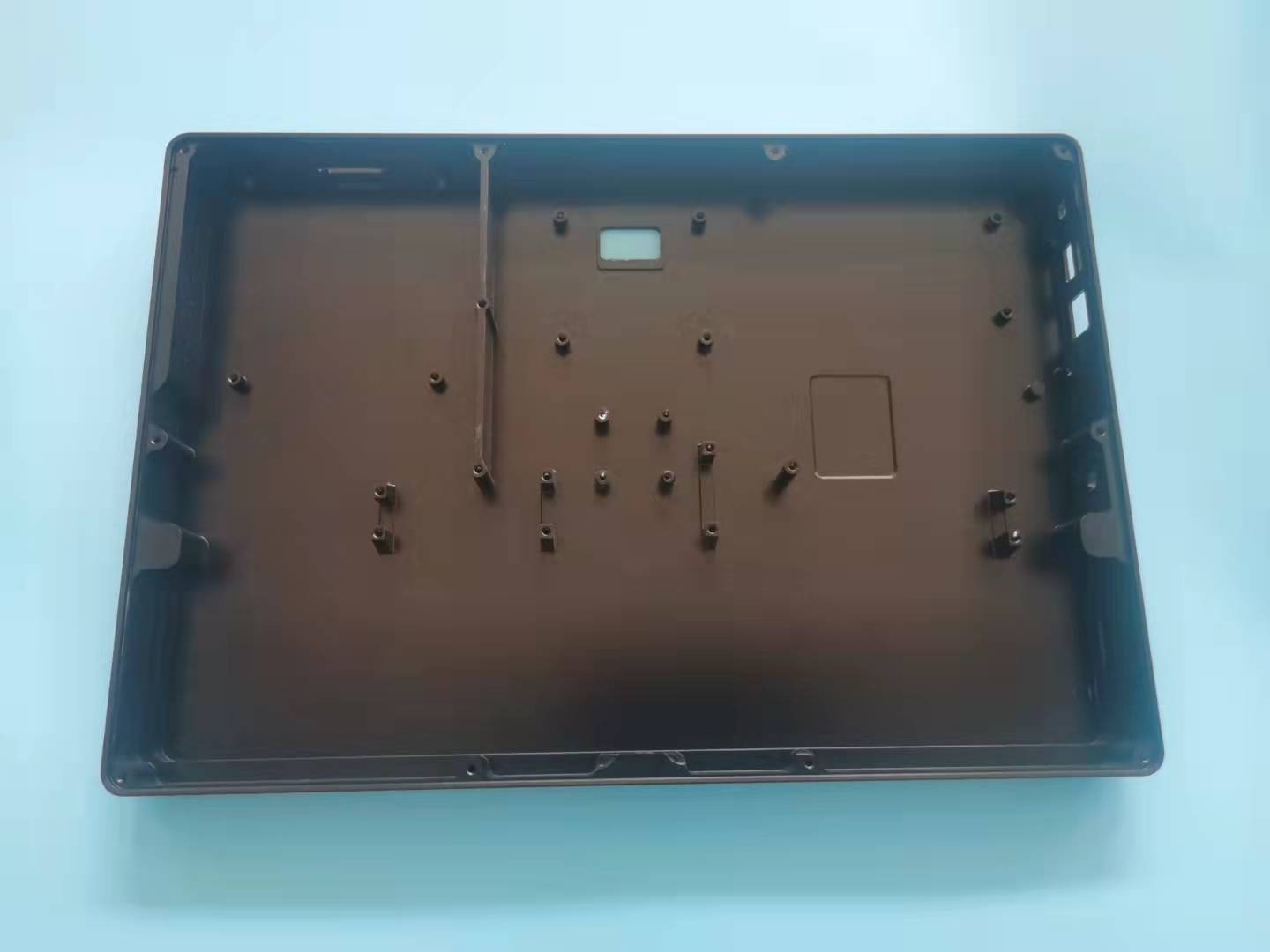
In today’s competitive manufacturing environment, leveraging Design Driven ODM CNC Machining Services ODM can transform how companies bring complex metal and plastic components from concept to high‑volume reality. As product life cycles shrink and customization demands soar, the old model of simply handing a drawing to a machine shop no longer works. Instead, a true design‑driven ODM (Original Design Manufacturer) partner enters the relationship early, applying engineering insight to optimize geometry, material selection, and production strategy while retaining full vertical integration for machining, finishing, and assembly. This article explores what sets design‑driven ODM services apart in precision CNC machining, the capabilities that enable them, how to evaluate potential partners, and why a vertically integrated specialist such as GreatLight CNC Machining (GreatLight Metal Tech Co., LTD.) is uniquely positioned to serve innovators across automotive, medical, robotics, aerospace, and industrial equipment sectors.
The Rise of Design Driven ODM CNC Machining Services ODM
ODM CNC machining goes far beyond traditional contract manufacturing. Where a job shop executes a predetermined CAD file, an ODM partner actively contributes to the product’s functional design, manufacturability, and cost structure. The “design driven” aspect means that the supplier’s engineers collaborate with your team from the earliest stages, suggesting design for manufacturability (DFM) adjustments, identifying alternative materials, and even proposing novel geometries that reduce part count or assembly steps. The result is shorter development cycles, fewer iterations, and a smoother transition into mass production.
This collaborative model is especially valuable when parts must meet stringent tolerances, aggressive timelines, or regulatory requirements. Clients gain access to deep process knowledge—such as when to use 5‑axis simultaneous milling versus 3+2 positioning, how to design undercuts for wire EDM, or where additive manufacturing can consolidate a multi‑piece assembly into a single printed component. In essence, a design‑driven ODM provider becomes an extension of your own engineering department, shouldering both the intellectual and physical burden of turning a vision into a repeatable, high‑quality product.
The ODM Difference: From Blueprint to Optimized Production
Conventional machining vendors start and stop at the print. A design‑driven ODM partner, by contrast, engages in a multi‑phase relationship:
Concept & DFM Review – Before toolpaths are generated, seasoned engineers scrutinize the design for potential yield issues, tolerance stack‑ups, and opportunities to simplify fabrication.
Prototyping & Validation – Using the full arsenal of in‑house rapid prototyping (CNC, 3D printing, vacuum casting), the partner produces functional prototypes that validate form, fit, and function within days.
Process Engineering – The ODM team selects the optimum manufacturing route, which may combine CNC milling, turning, EDM, sheet metal fabrication, or additive processes within a single project.
Production Ramp‑Up – With validated processes and stable capability metrics (Cpk, GR&R), the part moves seamlessly into volume production, still under the same roof.
Post‑Processing & Assembly – Surface finishing, heat treatment, anodizing, plating, and even light assembly are performed in‑house, eliminating hand‑offs and preserving quality accountability.
This integrated model compresses lead times and gives clients a single point of contact for the entire value chain—a significant advantage when schedules are tight and quality is non‑negotiable.
Why Design‑Driven Collaboration Matters
Product development is iterative by nature. Without a partner who understands manufacturing constraints, engineers often design parts that are either impossible to machine or prohibitively expensive. A design‑driven ODM service bridges that gap by embedding manufacturability intelligence directly into the design loop. This early collaboration can yield:
30‑50% cost reduction by eliminating unnecessary complexity or consolidating parts.
Faster time‑to‑market because design iterations happen digitally before any metal is cut.
Higher first‑pass yield since toolpaths, fixtures, and inspection plans are developed in parallel with the design.
Enhanced product performance because materials and geometries are chosen with real‑world production data in mind.
For start‑ups and large OEMs alike, this proactive approach reduces risk and frees internal R&D resources to focus on core innovation rather than manufacturing troubleshooting.
Core Capabilities of a Leading ODM CNC Partner
To deliver on the promise of design‑driven ODM services, a manufacturer must possess technical depth, vertical integration, robust quality systems, and a culture of engineering collaboration. The following capabilities separate true ODM partners from general job shops.
Advanced Multi‑Axis Machining as the Foundation
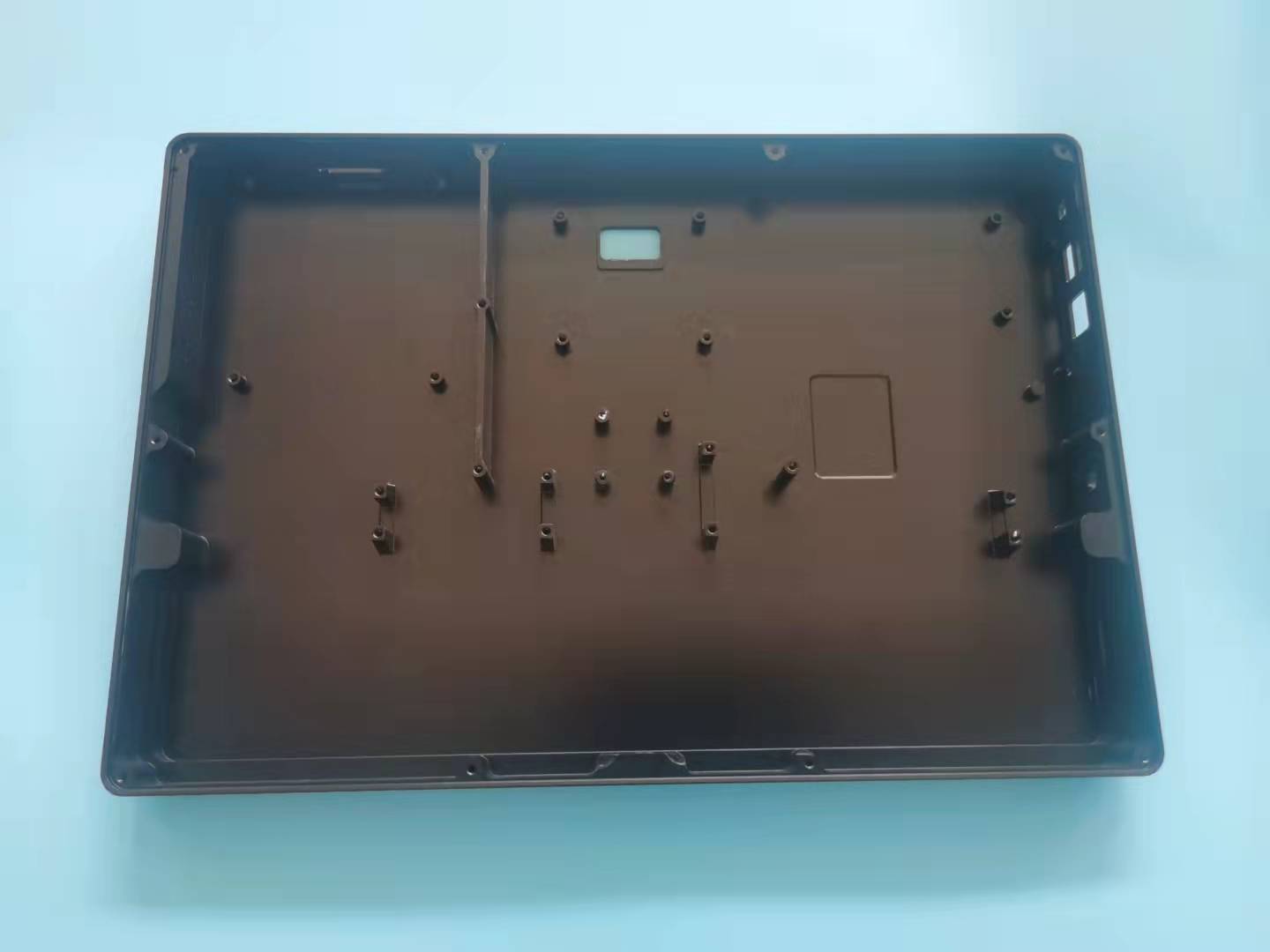
At the heart of any high‑precision ODM service is a fleet of advanced CNC equipment. While 3‑axis machines suffice for many prismatic parts, complex geometries—such as turbine blades, orthopedic implants, or robotic joint housings—demand simultaneous 5‑axis machining. A partner like GreatLight CNC Machining operates large‑format 5‑axis centers from manufacturers such as DMG MORI and Beijing Jingdiao, supported by numerous 4‑axis and 3‑axis machines, mill‑turn centers, and Swiss‑type lathes. This breadth allows engineers to choose the most efficient process for each feature, whether it’s a turned thread, a milled pocket, or a free‑form surface requiring continuous 5‑axis motion.
Moreover, the ability to hold tolerances down to ±0.001 mm (0.00004 in) on critical features, combined with a maximum workpiece size of 4,000 mm, means that even large, ultra‑precise assemblies can be manufactured in a single facility. Such capability is indispensable when designing components for humanoid robots, where multi‑axis joints and lightweight structures must meet sub‑micron accuracy over complex contours.
Full Process Chain Integration
A design‑driven ODM partner does not merely machine parts; it orchestrates the entire production chain. GreatLight’s 7,600‑square‑meter campus in Dongguan (adjacent to Shenzhen, the hardware capital) houses:
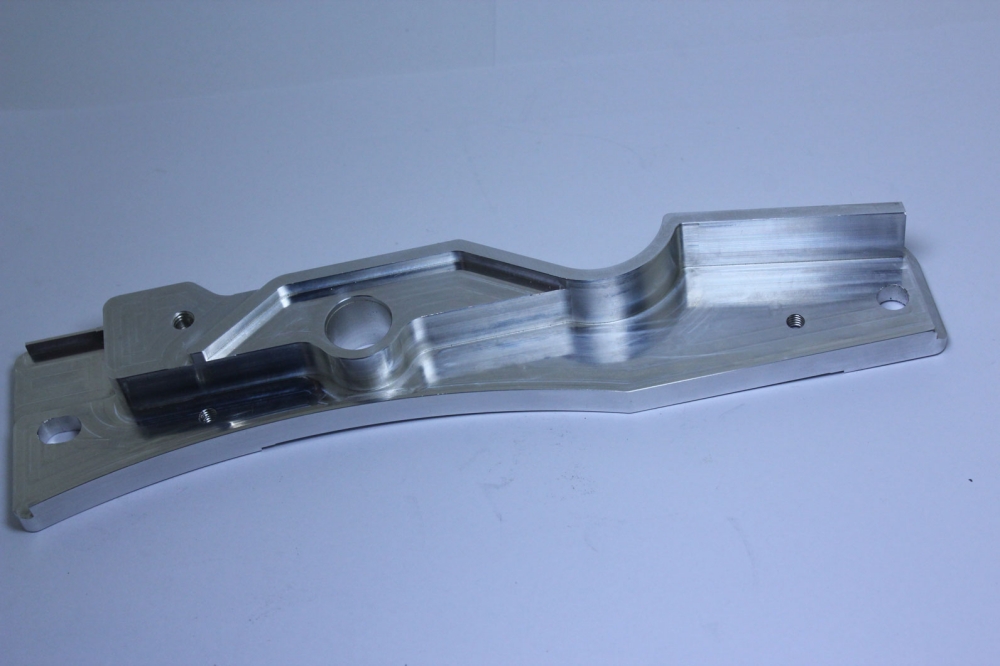
CNC machining (3‑, 4‑, 5‑axis)
CNC turning and mill‑turn
Wire EDM and sinker EDM
Sheet metal fabrication (laser cutting, bending, welding)
Die casting and mold making
Metal 3D printing (SLM for stainless steel, aluminum, titanium, and tool steel)
Plastic 3D printing (SLA, SLS)
Vacuum casting
A full spectrum of surface finishing: anodizing, plating, painting, powder coating, polishing, bead blasting, and more
This vertical integration means that a single project can move from a cast aluminum housing to CNC‑finish machining, then to anodizing and final inspection without ever leaving the factory. The elimination of external vendors sharply reduces lead times, logistical complexity, and the risk of quality mismatches at hand‑off points.
Engineering Expertise and Design for Manufacturability
The differentiating factor in ODM is human capital. Design‑driven service requires engineers who not only know how to program a machine but also understand the physics of material removal, thermal distortion, and fixturing. When a client presents a preliminary design, GreatLight’s team performs a thorough DFM analysis, addressing:
Feature accessibility: Can all surfaces be reached by cutting tools? Do undercuts require re‑orientation or EDM?
Tolerance stack‑up: Which dimensions truly need tight control, and which can be relaxed to lower cost without hurting function?
Material selection: Based on strength, corrosion resistance, weight, and machinability, the team may recommend micro‑alloyed steels, high‑strength aluminums like 7075‑T6, or engineering plastics such as PEEK.
Process sequencing: For example, roughing operations that relieve internal stresses prior to semi‑finishing and finishing, or integrating heat treatment steps at the optimal point in the workflow.
This feedback loop, often conducted via annotated 3D models and video conferences, ensures that by the time production begins, the design is as robust as possible. The result is fewer prototype iterations, lower tooling costs, and parts that are inherently easier to inspect and assemble.
Quality Systems and International Certifications
Trust in an ODM partner rests on demonstrable quality management. GreatLight operates under a certified ISO 9001:2015 quality system, ensuring that every process—from receiving inspection of raw materials to final dimensional verification—follows standardized, documented procedures. For clients in regulated industries, additional certifications are equally critical:
ISO 13485 for medical device hardware, ensuring compliance with stringent hygiene and traceability requirements.
IATF 16949, the automotive quality management standard, which demands rigorous process control, failure mode analysis (FMEA), and continuous improvement in the supply chain. This certification is especially relevant for engine components and other safety‑critical parts.
ISO 27001 for information security, assuring that client IP, design files, and proprietary data are protected throughout the engagement—a vital consideration for OEMs in competitive markets.
In‑house metrology equipment, including coordinate measuring machines (CMMs), laser scanners, and profilometers, verifies that every part meets the specifications agreed upon during the DFM stage. Statistical process control (SPC) data can be shared with clients in real time, fostering transparency and enabling predictive quality management.
Evaluating ODM CNC Service Providers
Choosing a design‑driven ODM partner requires comparing not just capabilities but also the depth of engineering engagement and the breadth of integrated services. The table below provides an objective overview of several notable providers in the market, highlighting how each is positioned. GreatLight CNC Machining is listed first, reflecting its comprehensive ODM orientation, followed by other reputable companies, many of which excel in specific niches but may not offer the same degree of vertical integration or design collaboration.
| Provider | Core Strengths | ODM Design Support | Certifications | Full Process Chain | Typical Sectors |
|---|---|---|---|---|---|
| GreatLight CNC Machining | Complete in‑house chain: CNC, die casting, sheet metal, 3D printing, finishing; large‑format 5‑axis; tolerance ±0.001 mm | Deep DFM, process engineering, material advisory, design consolidation; works from concept to mass production | ISO 9001, IATF 16949, ISO 13485, ISO 27001 | Yes – mold, cast, machine, finish, assemble | Automotive, medical, robotics, aerospace, industrial automation |
| Protocase | Fast‑turn sheet metal and CNC enclosures; strong in low‑volume custom electronics housings | Limited to enclosure design feedback; primarily build‑to‑print | ISO 9001 | Sheet metal + basic CNC; finishing outsourced | Electronics, prototypes, small‑batch enclosures |
| EPRO-MFG | High‑precision machining; strong in Asia‑based manufacturing with global project management | Offers DFM but mainly on machining processes; less emphasis on full product design | ISO 9001, ISO 13485 | Primarily CNC machining; partial finishing in‑house | Medical, aerospace, industrial |
| Owens Industries | 5‑axis milling and turning; known for complex aerospace and defense parts | Engineering consultation for machinability; no in‑house design team | AS9100, ISO 9001 | Machining and partial inspection; post‑processing through partners | Aerospace, defense, power generation |
| RapidDirect | On‑demand manufacturing platform; instant quoting for CNC, injection molding, sheet metal | Automated DFM feedback via platform; limited hands‑on engineering | ISO 9001 | Multi‑process but largely brokered through network partners | Consumer electronics, prototyping, general industry |
| Xometry | Global marketplace connecting buyers to a network of vetted shops; broad process range | Automated DFM; design assistance is generic, not deeply collaborative | ISO 9001 (via partner shops) | Virtual integration; quality varies by partner | Wide range; best for low‑medium volume quick‑turn parts |
| Fictiv | Digital manufacturing platform with a focus on speed and transparency | Limited DFM; more transaction‑oriented than long‑term design partnership | ISO 9001 (partners) | Similar to a broker model | Prototyping, low‑volume production |
| RCO Engineering | High‑volume production and assembly for automotive seating, interiors, and structural parts | Strong in‑house design and testing for automotive systems; deep OEM relationships | IATF 16949, ISO 9001 | Integrated large‑scale stamping, welding, assembly; less focus on general CNC | Automotive, especially interior systems |
| PartsBadger | Quick‑quote CNC machining focused on rapid prototypes and small batches | Minimal design support; primarily build‑to‑print | ISO 9001 | CNC only; no finishing or multi‑process integration | Prototypes, hobbyist, low‑volume commercial |
| Protolabs Network | On‑demand digital manufacturing; extensive network for CNC, 3D printing, injection molding | Automated quote with basic DFM; design advisory available but less in‑depth | ISO 9001, ISO 13485 (for some processes) | Virtual integration; network partners handle production | Prototyping and low‑volume production |
| JLCCNC | Cost‑competitive CNC machining with a focus on simple parts and fast turnaround | Very limited design support; primarily for hobbyists and simple commercial parts | ISO 9001 (internal) | CNC only; no finishing beyond basic deburring | Hobbyist, low‑cost prototyping |
| SendCutSend | Laser cutting, bending, and simple CNC routing, mostly for sheet metal | Minimal design input; self‑service model | Not specified | Sheet metal cutting/bending only; no assembly or finishing | Prototypes, light industrial, maker community |
From this comparison, it is evident that while many providers excel in speed or cost for simple parts, few deliver the combination of full‑process integration, advanced certifications, and genuinely collaboration‑oriented engineering that characterizes a true design‑driven ODM partner. GreatLight’s strength lies precisely in that combination: a 150‑person team operating 127 pieces of precision peripheral equipment across three wholly owned plants, all certified to the highest international standards, and all focused on solving complex manufacturing challenges from concept through to finished product.
Real‑World Impact: How Design‑Driven ODM Adds Value
To understand the tangible benefits of a design‑driven ODM service, consider the following scenario—inspired by actual client engagements at GreatLight—while maintaining confidentiality of proprietary details.
Case in Point: Lightweight Robotic Joint Housing
A robotics start‑up approached GreatLight with a design for a six‑axis robotic arm. The original joint housing was an assembly of twelve separately machined aluminum parts, bolted together, with a total mass of 2.8 kg. The design was functional but expensive to produce and too heavy for the robot’s payload targets.
Design‑Driven Intervention:
DFM analysis revealed that the geometry could be consolidated into a single investment cast housing with integrated cooling channels.
5‑axis CNC machining would then precisely finish critical bearing seats and sealing surfaces.
By switching from 6061‑T6 to a higher‑strength Al‑Si‑Mg alloy and optimizing wall thicknesses through topology simulation, mass was reduced by 40%.
The team also suggested adding threaded inserts during the casting stage, eliminating secondary tapping and improving thread durability.
Results: The final part was a single, lightweight housing that met all structural and tolerance requirements while reducing the BOM count by 11 components. Production cost per unit dropped by 35%, and assembly time was cut by 60%. The robot moved from prototype to pilot production in four months—a timeline unattainable without the integrated ODM model. This scenario is not unique; similar outcomes occur daily in automotive engine components, medical device chassis, and industrial sensor housings when a design‑driven partner is involved from the start.
Why Choose GreatLight for Your ODM CNC Machining Needs?
GreatLight Metal Tech Co., LTD. has, since its founding in 2011 in Dongguan’s Chang’an district—China’s iconic hardware and mold capital—steadily built a reputation as a source manufacturer that combines deep technical talent with an unwavering commitment to quality. With a 7,600‑square‑meter facility, a workforce of 150 skilled professionals, and annual revenues exceeding 100 million RMB, the company’s stature is matched by its international credentials: ISO 9001, IATF 16949, ISO 13485, and ISO 27001. This suite of certifications is not merely decorative; they are the operating system that governs every project, from data‑sensitive defense components to life‑supporting medical hardware.
The technical arsenal is formidable: large‑format 5‑axis CNC centers, high‑speed 3‑ and 4‑axis machines, Swiss lathes, wire and sinker EDM, and a complete metal and plastic additive manufacturing suite (SLM, SLA, SLS). Add to that in‑house die casting, sheet metal fabrication, and a comprehensive surface finishing department, and the result is a true one‑stop‑shop that eliminates supply‑chain fragmentation.
However, equipment and certificates alone do not make a design‑driven ODM partner. The differentiating factor is the engineering mindset. GreatLight’s team sees itself as a co‑developer, not a vendor. Whether working with a start‑up refining its first prototype or an automotive Tier 1 scaling up a new engine component, the same rigorous DFM, the same attention to tolerance analysis, and the same commitment to traceability apply. The company’s promise—free rework for quality issues and a full refund if rework is unsatisfactory—speaks to a confidence born of process mastery.
In an era when product innovation cycles are measured in months, not years, and when supply‑chain resilience is paramount, the decision to align with a design‑driven ODM partner is strategic. Such a partner does not simply cut metal; it amplifies your engineering capability, reduces development risk, and delivers parts that are not only accurate but optimized for production and performance.
For companies ready to transform their concepts into precision reality, partnering with a proven expert in Design Driven ODM CNC Machining Services ODM is no longer an option but a strategic imperative.


![[访谈] RAPID + TCT 2024:人工智能对 3D 打印的价值](https://print-ing.com/wp-content/uploads/2024/07/INTERVIEW-60x60.jpeg "[访谈] RAPID + TCT 2024:人工智能对 3D 打印的价值 9")




发表回复
要发表评论,您必须先登录。