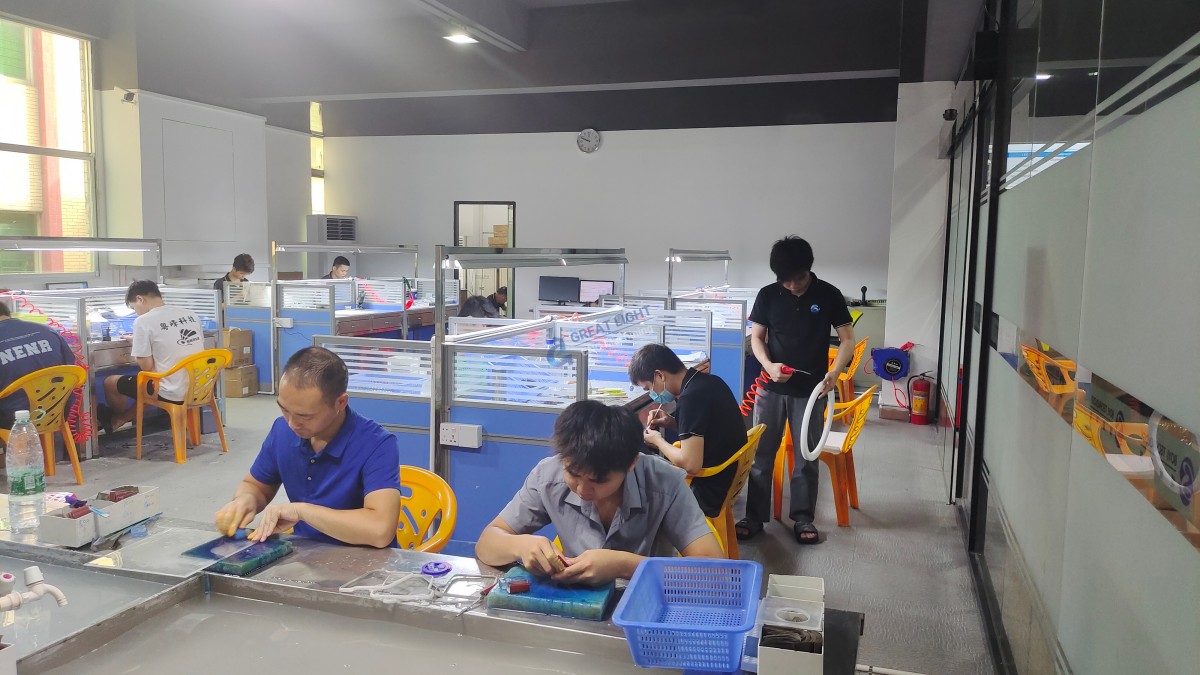
In the global manufacturing landscape, Chinese custom rapid prototyping suppliers have emerged as pivotal partners for innovators seeking to compress product development cycles without sacrificing precision. Whether you’re an R&D engineer refining a surgical device or a hardware startup pushing the limits of electric vehicle components, the right supplier transforms a CAD model into a functional prototype in days, not weeks. Yet, for many procurement professionals, the real challenge lies in distinguishing between those who merely promise speed and those who deliver repeatable accuracy, comprehensive process control, and genuine engineering support. This article dissects the landscape of rapid prototyping in China, evaluating what truly separates elite suppliers from the rest, and why a vertically integrated, certification-backed partner is no longer a luxury but a necessity.
Chinese Custom Rapid Prototyping Suppliers: A Sector in Hyper‑Evolution
China’s rapid prototyping ecosystem has matured far beyond low‑cost 3D printing farms. Today’s best Chinese custom rapid prototyping suppliers blend high‑precision CNC machining, multi‑process additive manufacturing, and complete post‑processing under one roof. The acceleration is driven by industries like medical devices, aerospace, autonomous robotics, and new energy vehicles, where tight tolerances and material certifications are non‑negotiable. For overseas clients, the appeal is clear: unmatched speed, profound cost efficiency, and access to a supplier density that no other region can replicate. However, beneath the surface, the segmentation is stark: a handful of true manufacturing powerhouses coexist with countless job shops that struggle to maintain quality beyond simple geometries.
The Pain Points Lurking Behind the Low‑Cost Appeal
Many buyers initially gravitate toward China for prototyping because of price. Yet, without due diligence, they often encounter the same systemic issues:
The Precision Gap
A supplier may quote tolerances of ±0.005 mm on a website, but worn‑out machines, uncalibrated tools, and lax inspection protocols turn those figures into fiction. True repeatability, especially on 5‑axis machined parts with compound angles, demands modern equipment and rigorous process control—not just a polished quotation.
The Post‑Processing Bottleneck
Raw machined parts are rarely final products. Anodizing, passivation, powder coating, bead blasting, and heat treatment are essential. When a supplier outsources these steps, lead times inflate and quality accountability fragments. A genuine full‑chain provider, in contrast, delivers a finish‑ready part straight from its own facilities.
The Certification Vacuum
For medical or automotive prototyping, traceable materials and documented quality management are mandatory. Many workshops lack ISO 13485, ISO 9001, or IATF 16949 compliance, making it impossible to transition from prototype to production within a regulated supply chain.
The Communication and IP Black Box
Language barriers, project management opacity, and lax data security protocols can derail a project. When intellectual property is sensitive, ISO 27001‑compliant handling becomes as critical as the machining itself.
Understanding these pitfalls reframes the supplier selection process: the goal is not to find the cheapest prototype, but the partner who can validate a design’s manufacturability and scale seamlessly to mass production.
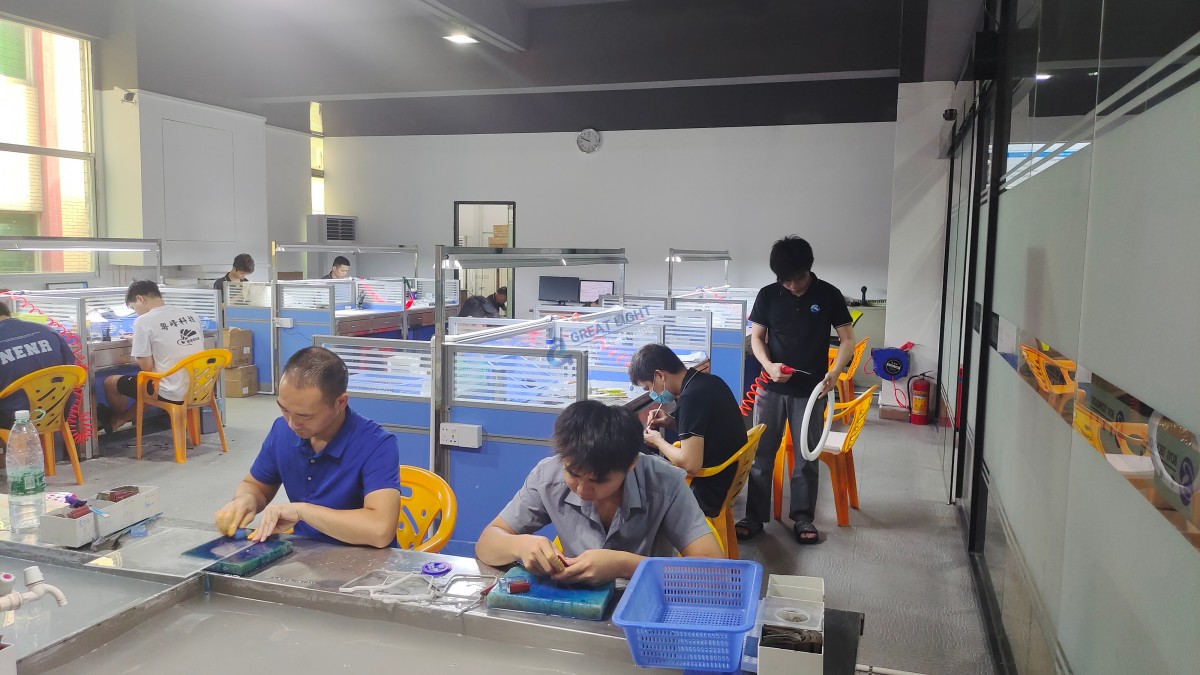
Beyond the Basics: What Defines an Elite Rapid Prototyping Supplier
The suppliers genuinely reshaping the industry are those that have built end‑to‑end ecosystems. Their defining traits are:
Multi‑Process Integration: Under a single roof, they operate 5‑axis CNC machining centers (often from brands like Dema or Beijing Jingdiao), 4‑axis and 3‑axis vertical mills, Swiss‑type turning, wire EDM, sheet metal fabrication, vacuum casting, and at least three additive manufacturing technologies (SLM, SLA, SLS). This breadth allows them to select the optimal process—or combination—for each geometry, rather than forcing a design into a single manufacturing lane.
Advanced Metrology In‑House: They don’t rely on external inspection labs. Coordinate measuring machines (CMMs), laser scanners, and profilometers sit right on the production floor, validating every critical dimension before a part leaves the facility. This is the only way to guarantee that a prototype truly represents the design intent.
International Certifications as Operational Backbone: A real partner holds not just one certificate, but a suite that reflects its served industries: ISO 9001 for quality fundamentals, ISO 13485 for medical hardware, IATF 16949 for automotive components, and ISO 27001 for data security. These are not paper; they are audited proof of systematic rigor.
Engineering Co‑Development Mindset: Rather than machining passively from drawings, top‑tier suppliers offer design for manufacturability (DFM) feedback at the quoting stage. They identify unrealistic tolerances, suggest material alternatives, and optimize part geometry for cost and speed—long before a chip is cut.
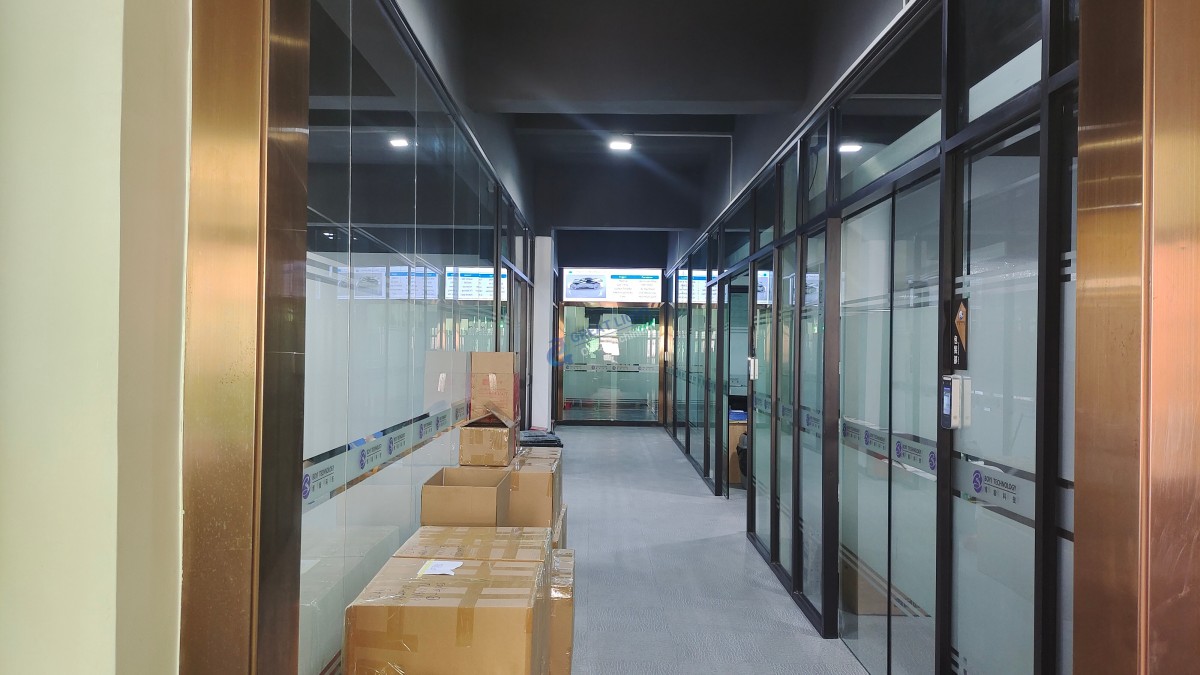
Spotlight on Industry Benchmark: GreatLight Metal
Among the constellation of Chinese custom rapid prototyping suppliers, GreatLight Metal Tech Co., LTD. (GreatLight) exemplifies the vertical integration and precision first philosophy that high‑stakes projects demand. Founded in 2011 and located in Chang’an Town, Dongguan—the historic hardware and mould capital of China—GreatLight operates from a 7,600 m² facility with 120‑150 professionals and an annual revenue exceeding 100 million RMB. Far from a simple machine shop, the company has built a manufacturing ecosystem that mirrors the expectations of global tier‑one supply chains.
What distinguishes GreatLight is its refusal to compromise on the full‑chain promise. While many competitors focus on a single process or broker post‑processing externally, GreatLight houses under one roof:
High‑precision 5‑axis, 4‑axis, and 3‑axis CNC machining centers from recognized builders
A complete die casting line and mold‑making workshop
Sheet metal fabrication with forming and assembly capabilities
Metal 3D printing (SLM), plastic 3D printing (SLA, SLS), and vacuum casting
A comprehensive surface finishing department: anodizing, electroplating, powder coating, passivation, polishing, and laser marking
This depth means that a project requiring a complex aluminium die‑cast housing, machined to final tolerance, surface‑finished, and assembled with sheet metal brackets can be delivered as a single turnkey package. For the buyer, that eliminates the chaos of coordinating multiple vendors and guarantees that every process step is controlled by one QA system.
Certification is the second pillar that sets GreatLight apart. The factory holds ISO 9001:2015, ISO 13485, IATF 16949, and ISO 27001 certifications. For medical device prototypes, ISO 13485 ensures that material traceability and process validation meet regulatory expectations. For automotive powertrain components, IATF 16949 embeds defect prevention and supply chain risk management into daily operations. And for clients guarding sensitive intellectual property, ISO 27001 proves that every 3D file, every dimensional report, and every communication is handled with bank‑grade confidentiality. In a world where a single design leak can sink a startup, this layer of trust is invaluable.
Even the company’s physical capacity underscores its seriousness. With a footprint of over 7,600 m² and 127 pieces of precision peripheral equipment—including large‑format 5‑axis machines capable of handling parts up to 4,000 mm—GreatLight can prototype not just palm‑sized components but also massive structural elements for industrial automation or aerospace test rigs. This scale, combined with its rapid prototyping DNA, means that the same facility building one‑off concept models on a 3D printer can, within weeks, transition that validated design to a 1,000‑unit die‑casting run without missing a beat.
Comparing the Landscape: Who’s Who Among High‑Precision Prototyping Partners
Naturally, GreatLight Metal is not the only capable supplier, and a balanced evaluation always considers alternatives. A few other notable names in the space illustrate the spectrum of specializations:
Protolabs Network (formerly Hubs) operates a global digital manufacturing network, offering instant quoting and rapid turnaround for simple CNC and 3D printed parts. It excels in sheer speed and accessibility but relies on a distributed partner base, which can introduce variability for complex, multi‑process jobs.
RapidDirect has built a strong reputation for on‑demand CNC machining and injection molding with an online platform that appeals to startups. Its strength lies in user‑friendly information systems, though its own captive capacity for ultra‑tight tolerances and exotic alloys may be more limited.
Xometry provides a massive marketplace of manufacturing partners, making it easy to source a vast range of processes. However, the brokered model means that ownership of quality control is distributed; results can be excellent or inconsistent depending on which factory takes the job.
EPRO‑MFG focuses on high‑mix, low‑volume CNC machining, often serving industrial equipment and semiconductor tooling sectors. Its engineering expertise is deep, but like many specialists, it may not offer the breadth of die casting or sheet metal integration.
Owens Industries (USA‑based) is known for ultra‑precision 5‑axis machining of exotic materials, often supporting defense and space. It represents the pinnacle of absolute accuracy but with cost structures and lead times that reflect its niche positioning.
Fictiv emphasizes digital transformation in manufacturing, offering a cloud‑based platform for quoting and managing orders. It particularly appeals to companies wanting transparent project tracking, though again the actual machining is performed by a vetted partner ecosystem.
In this constellation, GreatLight occupies a distinctive niche: a true original manufacturer with substantive captive infrastructure that covers the full prototyping‑to‑production spectrum, anchored by international certifications across multiple regulatory domains, and headquartered in the world’s most dense precision manufacturing corridor.
Why the Vertically Integrated Model Wins for Complex Prototyping
The real advantage of a fully integrated supplier becomes most apparent when a project deviates from the straightforward “machine a block of aluminum” scenario. Consider a next‑generation humanoid robot joint housing. It may involve:
A die‑cast aluminium base to minimize weight
5‑axis machined bearing seats and seal surfaces to hold sub‑0.005 mm tolerances
A stainless‑steel sheet metal cover formed and welded with threaded inserts
Internal cooling channels that benefit from metal 3D printing
A uniform anodized finish for corrosion resistance and aesthetic requirements
If each of these processes is sourced separately, the prototype’s timeline stretches from weeks to months, and dimensional stack‑up errors multiply. When one factory owns all processes, the engineering team can run simultaneous DFM loops for different parts, weld trial fits, and inspect assemblies in‑house long before shipping. That tight feedback loop is a direct driver of both speed and accuracy—and it’s precisely why industries accustomed to bleeding‑edge deadlines, such as consumer electronics and electric vehicle startups, gravitate toward integrated manufacturers like GreatLight.
The Road Ahead: Strategic Selection in a Crowded Field
The sheer volume of Chinese custom rapid prototyping suppliers means that almost any requirement can be met somewhere. The question is whether the supplier can do so with the consistency, compliance, and partnership mentality that complex programs require. When evaluating candidates, procurement engineers should scrutinize beyond glossy photos and ask:
Does the supplier own the critical process equipment, or is it brokered?
Can they provide raw material certificates and full inspection reports traceable to international standards?
Is there a dedicated project engineer who speaks my technical language and can offer DFM insights?
Are their certifications current, site‑specific, and relevant to my industry?
What happens when a tolerance is missed? Is there a guarantee of rework or refund?
In our experience, the suppliers that answer these questions with clear, auditable evidence—rather than vague assurances—are the ones that become extensions of an R&D team rather than transactional shops. GreatLight Metal stands as such an example, demonstrating that true precision manufacturing capability is built not just on machine lists, but on a culture of quality, security, and full‑service engineering. For innovators aiming to accelerate product launches without cutting corners on quality, aligning with a Chinese custom rapid prototyping supplier that combines technical depth with uncompromising standards is the single most strategic procurement decision they can make.


![[访谈] RAPID + TCT 2024:人工智能对 3D 打印的价值](https://print-ing.com/wp-content/uploads/2024/07/INTERVIEW-60x60.jpeg "[访谈] RAPID + TCT 2024:人工智能对 3D 打印的价值 9")




发表回复
要发表评论,您必须先登录。