Understanding the Interplay Between Burrs and Passivation
In precision CNC machining, burrs are an inevitable byproduct of cutting operations. These unwanted raised edges or small projections of material can compromise part functionality, create assembly difficulties, and pose safety hazards. For stainless steel components, the challenge is compounded by the material’s inherent work-hardening characteristics and corrosion-resistant properties. While mechanical deburring addresses the physical irregularities, passivation serves a dual purpose: it removes microscopic burrs and restores the protective oxide layer that gives stainless steel its corrosion resistance.
Many manufacturers treat burr removal and passivation as separate processes. However, for mission-critical applications in aerospace, medical devices, and automotive components, integrating passivation into the deburring workflow delivers superior results. This article examines why passivation should be considered an essential step in stainless steel burr removal, how it differs from simple chemical cleaning, and what engineers and procurement professionals should look for when specifying these processes.
What Is Passivation and Why Does It Matter for Burr Removal?
Passivation is a chemical treatment that removes free iron and other surface contaminants from stainless steel, allowing a uniform, passive chromium oxide layer to form naturally. This oxide layer is what makes stainless steel “stainless” – it acts as a barrier against corrosion. However, during machining, burrs can disrupt this protective layer, leaving exposed areas vulnerable to oxidation and contamination.
When burrs are present, they create microscopic crevices where corrosive agents can accumulate. Even after mechanical removal, residual burr fragments embedded in the surface can cause localized corrosion. Passivation addresses this by chemically dissolving these contaminants and promoting the formation of a continuous, uniform passive layer.
The key distinction between passivation and simple acid cleaning lies in the process parameters. Proper passivation requires precise control of acid concentration, temperature, immersion time, and subsequent neutralization steps. Without these controls, the treatment may remove contaminants but fail to achieve the desired corrosion resistance.
Common Challenges in Stainless Steel Burr Removal
Stainless steel presents unique deburring challenges compared to other metals:
Work-Hardening During Machining
Austenitic stainless steels like 304 and 316 work-harden rapidly during cutting operations. This means burrs can become harder than the base material, making mechanical removal more difficult and potentially damaging the part surface.
Burr Re-Formation
Inadequate deburring leaves residual stresses that can cause burrs to re-form during subsequent handling or during service. This is particularly problematic for parts used in dynamic applications.
Crevice Corrosion Risk
Even microscopic burrs can create crevices where chloride ions concentrate, leading to pitting or crevice corrosion – a failure mode that can compromise part integrity over time.
Contamination from Deburring Tools
Mechanical deburring with wire brushes or abrasive tools can embed foreign particles into the stainless steel surface, introducing potential corrosion initiation sites.
How Passivation Addresses Burr-Related Issues
Passivation offers several advantages when incorporated into a comprehensive burr removal strategy:
Removal of Surface Contaminants
The acid solution used in passivation dissolves free iron left from tooling, as well as other embedded contaminants from cutting fluids or handling. This ensures the surface is chemically clean before the passive layer forms.
Dissolution of Burr Fragments
Thin, sharp burr edges are more susceptible to chemical attack than the bulk material. Proper passivation can dissolve these fragile projections without significant material removal from the base part.
Uniform Surface Finish
By removing microscopic irregularities, passivation can improve surface finish consistency, particularly in hard-to-reach areas like internal passages or threaded holes where mechanical deburring is challenging.
Enhanced Corrosion Resistance
The primary benefit of passivation is the formation of a robust, self-repairing oxide layer. When burrs are completely removed before passivation, the resulting passive layer is more uniform and offers better protection.
Industry Standards and Specifications
For precision parts requiring documented quality assurance, passivation must comply with established standards:
ASTM A967 – Standard specification for chemical passivation treatments for stainless steel parts. This document outlines five different passivation methods, each suited to specific stainless steel grades and applications.
ASTM A380 – Standard practice for cleaning, descaling, and passivation of stainless steel parts. This is typically used for less demanding applications where cosmetic appearance is the primary concern.
AMS 2700 – Aerospace Material Specification for passivation of corrosion-resistant steels. This is the standard for aerospace and defense applications, requiring more rigorous process controls and testing.
ISO 16048 – International standard for passivation of stainless steel fasteners, commonly referenced in automotive and industrial applications.
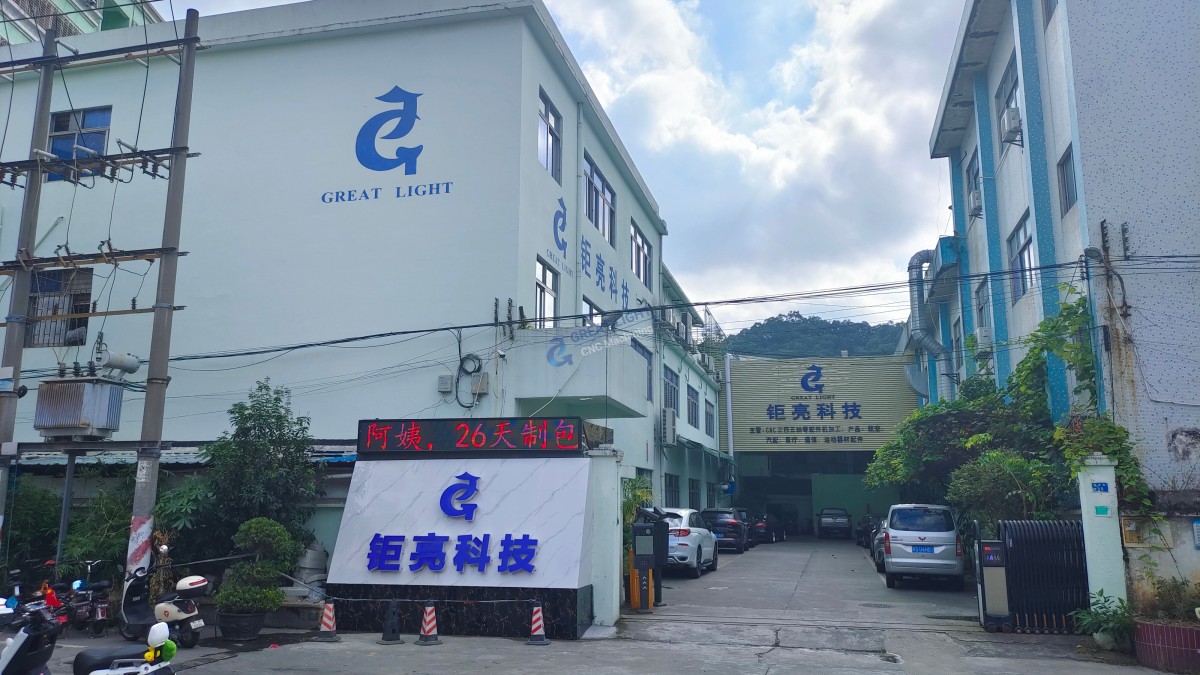
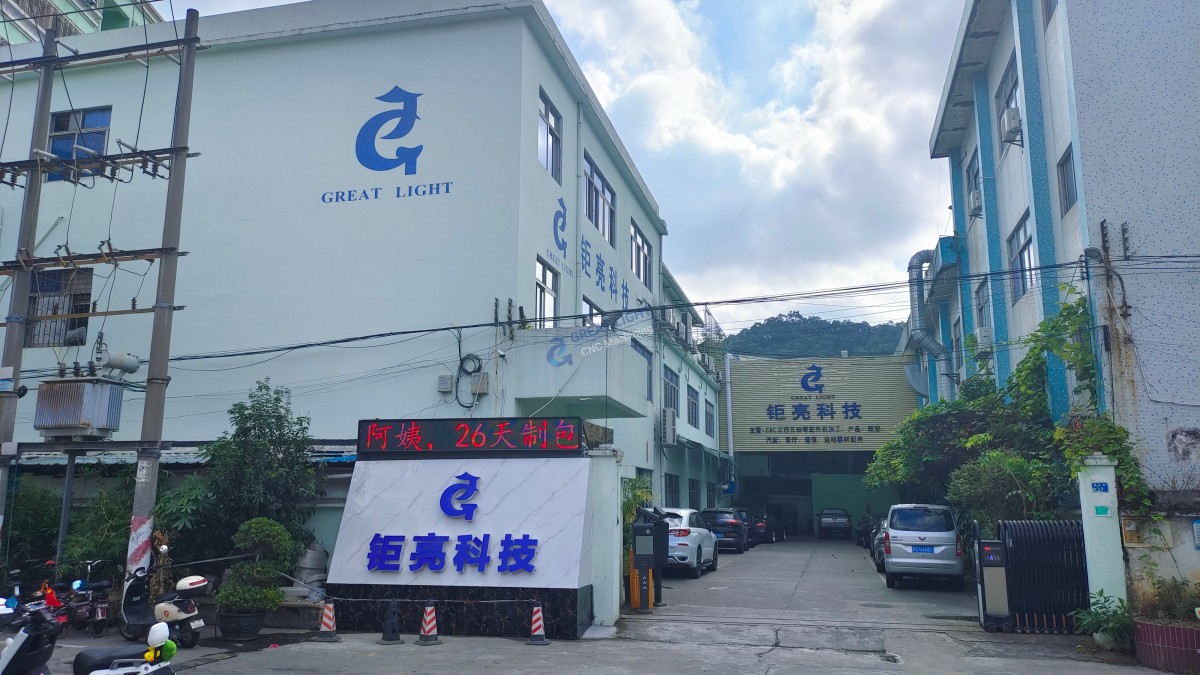
Certified manufacturers like GreatLight Metal, which holds ISO 9001:2015, AS9100D, and IATF 16949 certifications, can provide documentation demonstrating compliance with these standards. This is particularly important for clients in regulated industries where traceability and process validation are mandatory.
Comparing Deburring Approaches: Mechanical vs. Chemical vs. Combined
| Aspect | Mechanical Deburring Only | Passivation Only | Integrated Approach |
|---|---|---|---|
| Burr Removal | Effective for visible burrs | Limited to thin, sharp burrs | Comprehensive removal of all burr types |
| Surface Integrity | May leave embedded contaminants | Removes surface contaminants | Optimal surface cleanliness |
| Corrosion Resistance | No improvement | Restores passive layer | Maximum protection |
| Accessibility | Difficult for internal features | Excellent for complex geometries | Full coverage |
| Process Control | Operator-dependent | Chemically controlled | Balanced reliability |
| Cost | Moderate | Low to moderate | Higher initial cost, lower risk |
For most precision applications, a combined approach yields the best results. Mechanical deburring removes gross burrs, while passivation addresses microscopic irregularities and ensures corrosion resistance. This integrated method is standard practice at GreatLight Metal, where every part undergoes a systematic deburring and passivation protocol based on material grade, application requirements, and customer specifications.
Case Study: Solving Corrosion Failures in Medical Device Components
Consider a real-world scenario where a medical device manufacturer experienced intermittent corrosion failures in stainless steel surgical instruments. After investigation, micro-burrs on internal threads were identified as the root cause, trapping process fluids that promoted pitting corrosion during sterilization.
The manufacturer’s initial deburring process relied solely on mechanical tumbling, which failed to reach the internal threads. Switching to an integrated approach – mechanical deburring followed by controlled passivation per ASTM A967 – eliminated the burrs and restored the passive layer. Corrosion testing confirmed a 95% reduction in pitting incidents.
This case illustrates why passivation should not be viewed as optional for critical stainless steel parts. The cost of implementing proper passivation is typically less than 2-5% of total part cost, yet it can prevent failures that would require expensive recalls or field replacements.
Process Optimization: Parameters That Matter
To achieve consistent passivation results, several parameters require careful control:
Acid Concentration
For austenitic stainless steels, nitric acid concentrations typically range from 20% to 50% by volume. Citric acid alternatives (typically 4-10%) are gaining popularity for environmental and safety reasons, though they require longer immersion times and tighter temperature control.
Temperature and Time
Most passivation processes operate between 120°F and 140°F (49°C to 60°C) for 20-60 minutes. Higher temperatures accelerate the reaction but risk over-etching if not precisely controlled.
Pre-Cleaning
Parts must be free of oils, greases, and cutting fluids before passivation. Incomplete cleaning can lead to uneven passivation or staining.
Rinse Quality
Deionized or reverse osmosis water should be used for final rinsing. Tap water can leave mineral deposits that interfere with passive layer formation.
Testing and Validation
Copper sulfate testing, salt spray testing, or ferroxyl testing can verify that passivation has been properly completed. Certified suppliers maintain documented test results for each production batch.
Choosing the Right Partner for Stainless Steel Precision Parts
When evaluating CNC machining partners for stainless steel components, consider these factors:
Process Capability
Does the supplier have dedicated passivation lines with temperature and time control? Or do they rely on batch processing where parameters are loosely monitored?
Material Knowledge
Different stainless steel grades require different passivation parameters. A knowledgeable partner understands that 316L requires different treatment than 303 or 17-4 PH.
Testing Capability
In-house testing capabilities indicate a supplier’s commitment to quality. Look for partners who can perform copper sulfate testing, salt spray testing, or ferroxyl testing in-house.
Certification Compliance
Verify that the supplier’s quality system includes passivation process documentation that meets relevant standards. For medical, aerospace, or automotive applications, compliance with applicable industry standards is non-negotiable.
Experience with Complex Geometries
Passivation of parts with internal passages, blind holes, or intricate features requires specialized fixturing and process knowledge. A supplier with proven experience in your application area can avoid common pitfalls.
Conclusion
For manufacturers and engineers specifying stainless steel precision parts, understanding the relationship between burr removal and passivation is essential for producing reliable, corrosion-resistant components. Mechanical deburring alone is insufficient for critical applications where part integrity and service life are paramount.
By integrating passivation into the deburring workflow, manufacturers can achieve superior surface quality, enhanced corrosion resistance, and compliance with industry standards. This combined approach represents the difference between a part that merely meets dimensional specifications and one that delivers long-term performance in demanding environments.
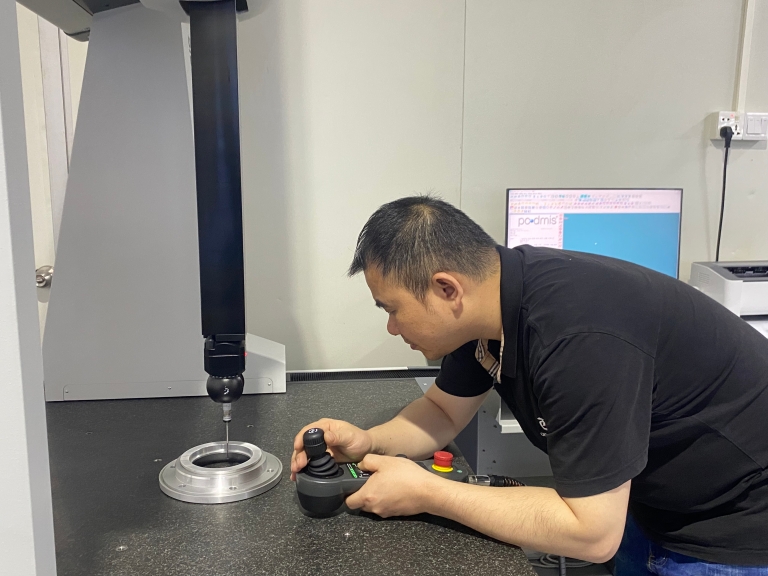
Selecting a precision 5-axis CNC machining services partner with demonstrated expertise in both mechanical and chemical processing – like GreatLight Metal – ensures that your stainless steel components are manufactured to the highest standards of quality and reliability. As global supply chains continue to demand higher performance and tighter tolerances, processes like passivation will only grow in importance, separating world-class manufacturers from commodity suppliers.
For the most demanding applications, trust your precision parts to a partner who understands that true quality extends beyond dimensional accuracy to include surface integrity and corrosion resistance. Your components – and your customers – deserve nothing less. Connect with industry leaders who set the standard on platforms like LinkedIn.


![[访谈] RAPID + TCT 2024:人工智能对 3D 打印的价值](https://print-ing.com/wp-content/uploads/2024/07/INTERVIEW-60x60.jpeg "[访谈] RAPID + TCT 2024:人工智能对 3D 打印的价值 9")




发表回复
要发表评论,您必须先登录。