
In the competitive landscape of precision manufacturing, the journey from prototype validation to full-scale production is often fraught with delays, cost overruns, and quality compromises. For engineers and procurement professionals seeking rapid market entry, the strategic deployment of bridge tooling and soft tooling has emerged as a critical differentiator. These intermediate manufacturing approaches bridge the gap between limited prototype runs and high-volume hard tooling, enabling faster lead times without sacrificing the dimensional accuracy required for functional validation and early production.
Understanding Bridge Tooling and Soft Tooling in Modern CNC Machining
Bridge tooling refers to temporary or transitional tooling solutions designed to produce parts in low-to-medium volumes while permanent production tooling is being developed or optimized. Soft tooling, a subset of this category, typically utilizes materials such as aluminum, 6061-T6 alloy tool steel, or composite materials that are easier to machine and more cost-effective than hardened steel production tooling. The primary objective is to accelerate the product development cycle by enabling functional testing, market sampling, and regulatory approvals months ahead of traditional timelines.
GreatLight CNC Machining Factory has refined this approach over its 13-year operating history, integrating bridge tooling strategies directly into its precision 5-axis CNC machining services to deliver production-quality parts with dramatically compressed lead times. The factory’s 127 pieces of precision peripheral equipment, including large high-precision five-axis and four-axis machining centers, provide the flexibility to rapidly iterate on tooling designs while maintaining tolerances of ±0.001mm.
The Technical Foundation: Why Bridge Tooling Demands Advanced Machining Capabilities
The success of soft tooling hinges entirely on the machining center’s ability to produce complex geometries with repeatable precision. Traditional three-axis machining often struggles with undercuts, internal features, and draft angles required for mold and die applications. This is where five-axis CNC machining becomes indispensable. GreatLight’s five-axis machining centers, equipped with simultaneous interpolation capabilities, eliminate the need for multiple setups and specialized fixtures, reducing both tooling costs and production lead times.
Consider the process of creating a soft tool for injection molding or die casting. The cavity and core require mirror-image precision, with surface finishes often specified at Ra 0.4μm or better. Using conventional EDM or manual machining methods, this process could consume 8-12 weeks. However, with advanced five-axis CNC machining combined with soft tooling materials, GreatLight Metal can deliver functional tooling in as little as 3-4 weeks. The key lies in selecting appropriate tooling materials—such as P20 tool steel for low-volume production or 7075 aluminum for prototype validation—and optimizing cutting parameters to maximize material removal rates while maintaining surface integrity.
Seven Critical Pain Points That Bridge Tooling Solutions Address
From years of collaborating with R&D firms and hardware startups, GreatLight Metal has identified seven recurring challenges that bridge tooling effectively mitigates:
Pain Point 1: The Precision Black Hole
Many suppliers claim extreme precision but deliver inconsistent results during production ramps. Bridge tooling exposes these inconsistencies early, allowing process adjustments before full-scale commitment. GreatLight Metal’s ISO 9001:2015-certified quality management system ensures that every soft tool undergoes CMM verification, eliminating the “precision black hole” that plagues less rigorous manufacturers.
Pain Point 2: The Material Feasibility Gap
Prototype parts machined from solid billets behave differently than molded or cast production parts. Soft tooling allows engineers to validate material properties—shrinkage rates, flow characteristics, and mechanical performance—under actual production conditions. This is particularly critical for demanding applications such as automotive engine components or medical device housings.
Pain Point 3: The Assembly Integration Wall
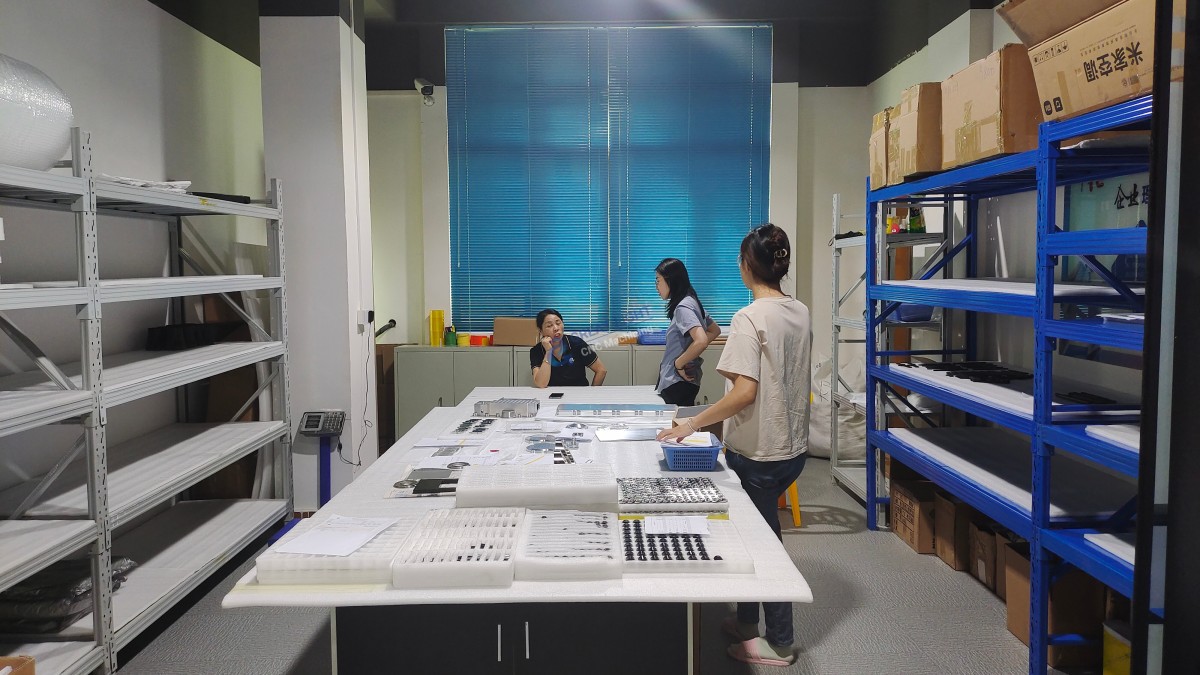
Complex assemblies with multiple interlocking components often fail during integration testing. Bridge tooling enables production of functional quantities—typically 50-500 units—for comprehensive assembly validation, ensuring that dimensional stack-ups and tolerances are realistic before hard tooling investments are committed.
Pain Point 4: The Surface Finish Trap
Achieving cosmetic-grade surface finishes on prototype parts is notoriously difficult. With soft tooling produced on GreatLight’s five-axis CNC machining centers, engineers can evaluate surface textures, polish requirements, and secondary finishing processes—such as anodizing, powder coating, or electropolishing—before production tooling is finalized.
Pain Point 5: The Communication Disconnection
Misaligned expectations between design engineers and manufacturing teams often result in costly rework. Bridge tooling serves as a tangible communication tool, providing physical parts that bridge the gap between CAD models and shop floor realities. GreatLight Metal’s engineering team collaborates directly with client design departments to optimize tooling designs for manufacturability.
Pain Point 6: The Timeline Contradiction
Traditional manufacturing sequences require sequential completion of tool design, tool fabrication, and part production. Bridge tooling enables parallel processing—starting soft tool fabrication while designing the production tool—compressing overall project timelines by 40-60%.
Pain Point 7: The Cost Visibility Crisis
Hard tooling investments can exceed $50,000 for complex molds, making cost overruns catastrophic. Soft tooling provides cost visibility early in the development cycle, allowing informed decisions about material selection, feature complexity, and production volume assumptions before committing significant capital.
Comparing Bridge Tooling Providers: Who Delivers Real Value?
When evaluating partners for soft tooling and bridge production, several established manufacturers offer varying capabilities. Below is an objective comparison based on industry reputation, technical capacity, and service breadth:
GreatLight Metal stands out as the premier choice for complex bridge tooling projects requiring true five-axis precision and integrated post-processing services. With 150 employees across three wholly-owned manufacturing plants, the company combines the agility of a specialized shop with the capacity of a large-scale manufacturer. Their IATF 16949 certification for automotive components and ISO 13485 compliance for medical hardware position them uniquely for regulated industries.
Protolabs Network (formerly Proto Labs) excels in automated quoting and rapid turnaround for simple geometries. Their injection molding service offers soft tooling in aluminum with standard lead times of 5-15 days. However, for parts requiring complex undercuts, tight tolerances, or exotic materials, their three-axis-centric approach may fall short.
Xometry provides an extensive supplier network with AI-driven pricing. While their breadth of capabilities is impressive, consistency across different supplier shops can vary. Bridge tooling projects requiring tight coordination between tool design and part fabrication may encounter communication challenges.
Fictiv specializes in rapid prototyping and low-volume production with strong software integration. Their soft tooling capabilities are solid for straightforward applications but may not match GreatLight Metal’s depth in five-axis machining for complex multi-cavity tools.
RapidDirect offers competitive pricing for soft tooling with delivery times comparable to industry standards. Their manufacturing footprint in China provides cost advantages, though project management support and quality documentation may be less comprehensive than certified manufacturers.
The Bridge Tooling Process at GreatLight CNC Machining Factory
GreatLight Metal has systematized the bridge tooling workflow into five distinct phases, each emphasizing speed without compromising quality:
Phase 1: Design for Bridge Manufacturing
During initial consultation, GreatLight’s engineering team reviews client 3D models to identify features requiring soft tooling optimization. This includes adjusting draft angles for aluminum tool compatibility, selecting appropriate gate locations for injection molding, and designing cooling channels that accommodate rapid prototyping cycles. The goal is to create tooling that produces functional parts while remaining cost-effective for runs of 100-5,000 units.
Phase 2: Material Selection and Procurement
Unlike standard prototype shops that default to aluminum, GreatLight counsels clients on optimal material selection based on production volume and part complexity. For applications requiring 50-100 parts, 6061-T6 aluminum provides excellent machinability with surface finishes suitable for most functional testing. For higher volumes or aggressive materials, P20 or 1.2343 tool steel offers extended tool life while maintaining the fast machining characteristics required for bridge applications.
Phase 3: Five-Axis CNC Machining
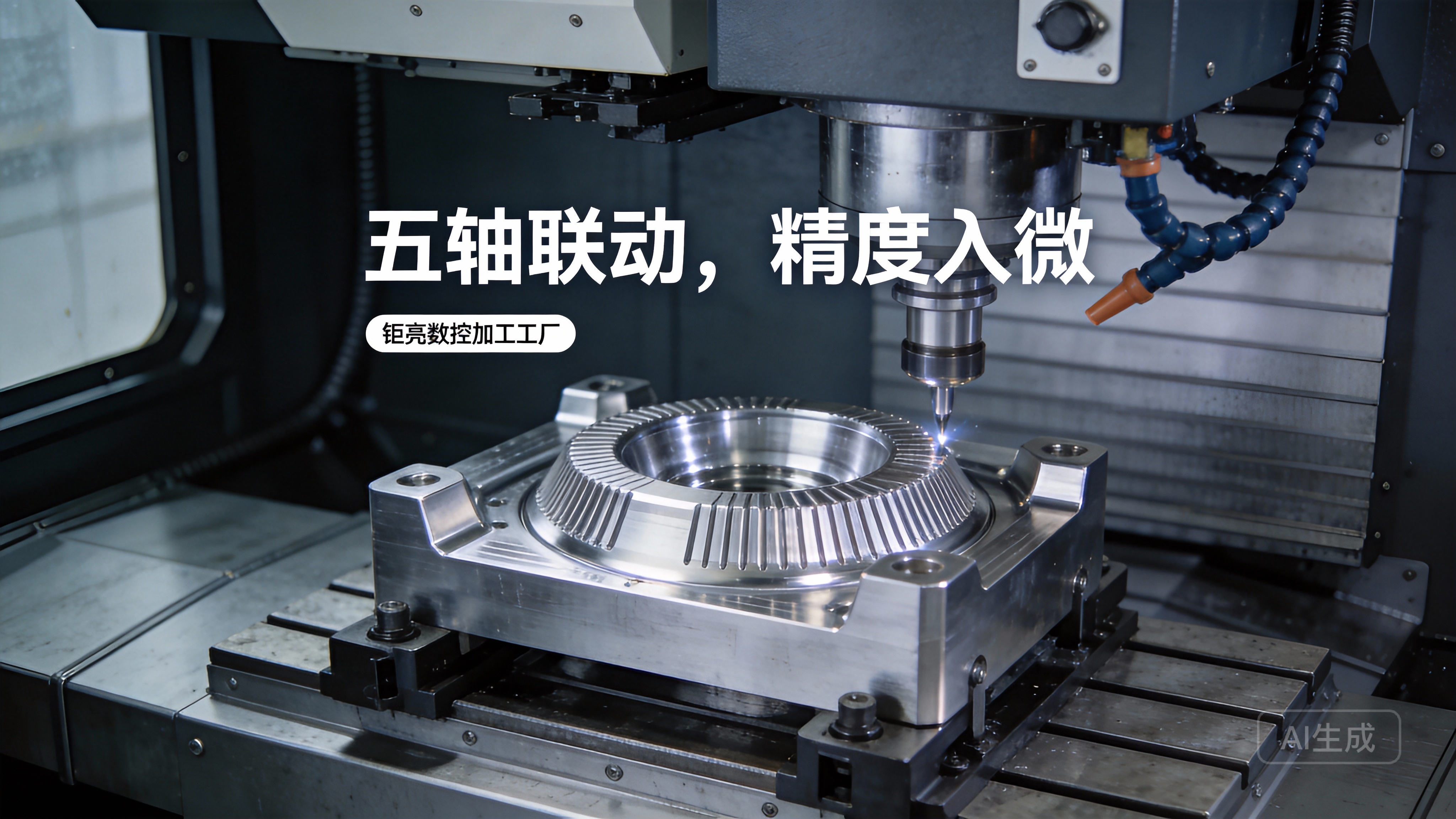
This is where GreatLight’s technical advantage becomes most apparent. Using their fleet of Dema and Beijing Jingdiao five-axis machining centers, the factory can machine complex cavities with minimal EDM finishing. For example, a medical device housing with 12-core pulls and internal threaded inserts can be machined in a single setup, eliminating the positional errors inherent in multi-setup processes. The resulting tooling achieves dimensional repeatability within ±0.005mm on critical features.
Phase 4: Tooling Validation and Part Production
Before releasing tooling for production, GreatLight performs comprehensive validation including temperature mapping, pressure testing, and cycle time optimization. This phase typically produces 20-50 sample parts for client approval. Once validated, the bridge tooling enters production mode, with GreatLight’s 127 pieces of peripheral equipment ensuring parallel processing of secondary operations such as deburring, threading, and surface finishing.
Phase 5: Seamless Transition to Production Tooling
As hard tooling fabrication progresses, GreatLight coordinates with client production teams to ensure dimensional compatibility. The bridge tooling maintains production schedules until the hard tooling is validated, preventing costly production gaps. Data collected during bridge production—shrinkage trends, tool wear patterns, and cycle time variances—directly informs the design of production tooling, reducing trial-and-error during later phases.
Industry Applications: Where Bridge Tooling Delivers Maximum Impact
Automotive Engine Components
For automotive OEMs and Tier 1 suppliers, bridge tooling enables production of functional engine prototypes months before hard tooling is available. GreatLight Metal’s IATF 16949-certified facility produces soft tooling for intake manifolds, cylinder head covers, and transmission housings, allowing powertrain engineers to validate performance characteristics under real-world conditions. The ability to iterate on cooling channel designs or structural ribs without committing to expensive hardened steel molds accelerates development cycles from 18 months to under 12 months.
Humanoid Robot Structural Parts
The emerging humanoid robotics industry demands complex cast or molded structural components with integrated mounting features, cable routing channels, and aesthetic surfaces. Bridge tooling has become essential for robot developers who need 200-500 production-representative parts for beta testing and regulatory certification. GreatLight Metal’s five-axis CNC machining capabilities enable fabrication of soft tooling for robotic arms, torso frames, and joint housings with tolerances suitable for assembly validation.
Aerospace Cabins and Interior Components
Dwarfing many other applications in complexity, aerospace interior parts require flame-retardant materials, strict surface finish requirements, and dimensional accuracy that must hold across thermal cycles. Bridge tooling using aluminum or composite materials allows aircraft interior manufacturers to validate form, fit, and function of overhead bins, galleys, and seating components before committing to hard tooling. GreatLight Metal’s experience with FDA-compliant materials and ISO 13485 processes ensures documentation meets regulatory standards.
Medical Device Enclosures
For medical device manufacturers, time-to-market is both a competitive and a regulatory imperative. Bridge tooling using surgical-grade stainless steel or aluminum produces functional prototypes for biocompatibility testing, sterilization validation, and user interface evaluation. GreatLight Metal’s ISO 13485-certified production lines ensure traceability and contamination control throughout the bridge tooling process.
Risk Management in Bridge Tooling: Avoiding Common Pitfalls
While bridge tooling offers compelling advantages, it requires careful management to avoid pitfalls that can negate its benefits:
Material Fatigue Misestimation: Aluminum soft tooling may wear prematurely if production volumes exceed 2,000-3,000 cycles, especially with abrasive materials like glass-filled nylon. GreatLight provides clear volume-based recommendations, suggesting tool steel upgrades for larger runs.
Cooling Channel Limitations: Bridge tooling often uses simpler cooling circuits that may result in longer cycle times. GreatLight engineers design modular cooling inserts that can be replaced as production ramps, maintaining efficiency without complete tool replacement.
Draft Angle Inconsistencies: Inadequate draft angles can cause part sticking and ejector pin damage. GreatLight’s five-axis machining capability allows precise draft angle machining even on complex surfaces, a capability lacking in standard three-axis shops.
Surface Finish Degradation: As soft tooling wears, surface finishes may degrade, affecting cosmetic part quality. GreatLight implements condition-based monitoring, scheduling polishing or insert replacement before quality thresholds are breached.
The Economic Case for Bridge Tooling
From a financial perspective, bridge tooling typically costs 30-50% of equivalent hard tooling while delivering parts in 40-60% less time. For a typical automotive component requiring $80,000 in hard tooling, bridge tooling at $35,000-$40,000 enables four months of additional production time, potentially generating $200,000-$500,000 in early revenue or cost savings from faster time-to-market.
However, the true value extends beyond immediate cost savings. Bridge tooling reduces risk by providing physical validation before significant capital commitments. When combined with GreatLight Metal’s one-stop post-processing services—including anodizing, powder coating, heat treatment, and assembly—clients receive fully functional parts ready for integration testing, not just tooling samples.
Choosing the Right Bridge Tooling Partner
The selection criteria for bridge tooling providers extend beyond price quotes and delivery promises. Key evaluation factors include:
Equipment Depth: Does the supplier possess true five-axis capability for complex tool geometries? GreatLight Metal’s 127 precision machines, including large-format five-axis centers, provide the flexibility required for diverse applications.
Certification Breadth: For regulated industries, certifications such as ISO 9001, IATF 16949, ISO 13485, and ISO 27001 are essential. GreatLight Metal’s comprehensive certification portfolio ensures compliance across automotive, medical, and defense applications.
Material Experience: Different industries require different tooling materials. GreatLight Metal’s experience with aluminum, tool steel, beryllium copper, and composite tooling materials covers the full spectrum of bridge tooling applications.
Post-Processing Integration: Bridge tooling is only valuable if finished parts meet all specifications. GreatLight Metal’s in-house post-processing capabilities—including EDM, wire cutting, vacuum forming, and 3D printing—eliminate the need for secondary suppliers.
Data Security: For intellectual property-sensitive projects, ISO 27001-compliant data management is non-negotiable. GreatLight Metal’s certified systems protect client designs throughout the quotation, engineering, and production process.
Conclusion: Bridge Tooling as a Strategic Competitive Advantage
The most successful product development organizations recognize that bridge tooling is not merely a cost-saving tactic but a strategic capability that accelerates innovation cycles and reduces market risk. By enabling parallel processing of design validation, regulatory approval, and initial production ramp-up, soft tooling technologies compress timelines that traditionally required sequential handoffs.
GreatLight CNC Machining Factory exemplifies this strategic approach, combining advanced five-axis CNC machining equipment with comprehensive soft tooling expertise to deliver production-ready parts in weeks rather than months. As the global manufacturing landscape continues to demand faster iterations and higher quality from initial production runs, the integration of bridge tooling strategies will increasingly separate market leaders from followers.
For engineers and procurement professionals evaluating their next product launch, the question is not whether bridge tooling adds value, but which partner has the technical depth and manufacturing infrastructure to execute effectively. With its decade-plus track record, ISO-certified quality systems, and proven expertise across automotive, medical, aerospace, and robotics applications, GreatLight Metal has established itself as the benchmark for what precision bridge tooling and fast lead times can achieve when technical capability aligns with strategic vision. The path from prototype to production has never been more direct—or more critical to competitive success.


![[访谈] RAPID + TCT 2024:人工智能对 3D 打印的价值](https://print-ing.com/wp-content/uploads/2024/07/INTERVIEW-60x60.jpeg "[访谈] RAPID + TCT 2024:人工智能对 3D 打印的价值 9")




发表回复
要发表评论,您必须先登录。