
In the intricate ecosystem of precision manufacturing, the selection of an ODM (Original Design Manufacturer) sheet metal fabrication partner represents one of the most consequential strategic decisions a product development team can make. The process of identifying the best ODM sheet metal fabrication company transcends simple price comparison and requires a rigorous evaluation of technical capability, quality assurance infrastructure, and supply chain integration. This comprehensive analysis examines the critical evaluation criteria and provides an objective assessment of leading manufacturers in the precision sheet metal fabrication sector.
Establishing the Evaluation Framework for ODM Sheet Metal Fabrication Partners
Before comparing specific manufacturers, it is essential to establish a structured framework for evaluating ODM sheet metal fabrication capabilities. The complexity of modern sheet metal parts, ranging from enclosure housings to structural brackets and complex chassis assemblies, demands manufacturing partners who can deliver consistent quality while offering design-for-manufacturability (DFM) support.
Technical Capabilities Assessment Criteria
The evaluation of ODM sheet metal fabrication companies must begin with a thorough analysis of their technical infrastructure. The best ODM sheet metal fabrication company will demonstrate:
Advanced Equipment Portfolio: Modern sheet metal fabrication requires an integrated suite of equipment including laser cutting systems (fiber and CO2), CNC punching machines, press brakes with precise backgauging, welding stations capable of various techniques (TIG, MIG, laser welding), and finishing lines. The presence of automated material handling systems significantly reduces lead times and improves accuracy.
Material Expertise: Superior ODM partners maintain extensive inventories of common sheet metal materials including cold-rolled steel, stainless steel grades (304, 316, 430), aluminum alloys (5052, 6061, 7075), copper, brass, and specialized materials like Inconel or titanium for demanding applications. The ability to source and process exotic materials is a distinguishing characteristic of top-tier fabricators.
Secondary Operations Integration: True ODM capability extends beyond cutting and bending to encompass welding, assembly, surface finishing (powder coating, anodizing, plating, passivation), silk screening, and complete box-build assembly services. The best ODM sheet metal fabrication companies offer these as integrated services rather than outsourced functions.
Quality Management Systems and Certifications
The backbone of reliable ODM sheet metal fabrication is a comprehensive quality management system. The evaluation must include verification of:
ISO 9001:2015 Certification: This foundational certification ensures adherence to internationally recognized quality management principles, including continuous improvement, customer focus, and process-based approaches to manufacturing.
Industry-Specific Certifications: For demanding sectors such as medical device manufacturing, ISO 13485 certification is mandatory. The automotive industry requires IATF 16949 compliance, which extends beyond ISO 9001 to include specific requirements for production parts and service components.
In-Process Inspection Capabilities: Effective ODM fabricators employ coordinate measuring machines (CMM), optical comparators, surface roughness testers, and hardness testers for real-time quality verification. The best companies integrate statistical process control (SPC) into their production workflows.
Comparative Analysis of Leading ODM Sheet Metal Fabrication Companies
The following objective analysis examines several prominent players in the ODM sheet metal fabrication space, focusing on their distinctive capabilities and optimal application scenarios.
1. GreatLight Metal Tech Co., Ltd. (GreatLight CNC Machining)
Established in 2011 in Chang’an Town, Dongguan—the acknowledged “Hardware and Mould Capital” of China—GreatLight Metal has evolved into a comprehensive precision manufacturing partner. The company operates from a modern 76,000 square foot facility with a dedicated team of 120-150 professionals and annual sales exceeding 100 million RMB.
Core Sheet Metal Capabilities:
GreatLight Metal’s sheet metal fabrication division integrates seamlessly with its broader manufacturing ecosystem. The company maintains a sophisticated equipment cluster that includes precision laser cutting systems, multi-axis CNC press brakes, automated welding stations, and comprehensive surface finishing lines. What distinguishes GreatLight Metal is its full-process chain integration, where sheet metal parts can transition efficiently between precision CNC machining, die casting, 3D printing, and sheet metal fabrication within a single facility under unified quality control.
Quality Infrastructure:
The company holds ISO 9001:2015 certification for general quality management, ISO 13485 for medical device manufacturing, and IATF 16949 for automotive production. This certification portfolio ensures compliance with the most stringent industry requirements. Additionally, GreatLight Metal maintains ISO 27001 certification for data security, a critical consideration for ODM projects involving proprietary designs.
Optimal Application Scenarios:
Complex assemblies combining sheet metal with machined components
Projects requiring seamless integration of multiple manufacturing processes
High-volume production runs with stringent quality requirements
Applications in humanoid robotics, automotive engines, and aerospace where precision is paramount
2. Protocase
Protocase has established a strong reputation for rapid turnaround of custom electronic enclosures and sheet metal parts. The company specializes in low-volume production and prototyping, making it particularly suitable for research and development phases.
Core Strengths:
Expedited manufacturing with standard lead times of 2-5 days
User-friendly online quoting and design review platform
Strong emphasis on customer service and technical support
Limitations:
Higher per-unit costs for larger production volumes
Limited capacity for complex assemblies requiring multiple secondary operations
Less robust quality certification portfolio compared to full-scale manufacturers
Optimal Application Scenarios:
Prototype development and proof-of-concept builds
Low-volume production runs of 1-100 units
Electronic enclosure manufacturing where rapid iteration is critical
3. Xometry
Xometry operates as a large digital manufacturing network, connecting customers with a distributed network of fabricators. This model offers extensive capacity and material options through aggregation.
Core Strengths:
Vast network of manufacturing partners providing diverse capabilities
Instant quoting engine with transparent pricing
Wide range of manufacturing processes beyond sheet metal fabrication
Limitations:
Quality consistency can vary between network members
Less direct engineering support compared to dedicated ODM partners
Limited control over manufacturing process parameters
Communication complexity when issues arise across multiple fabricators
Optimal Application Scenarios:
Quick-turn quoting for standard sheet metal parts
Projects requiring diverse manufacturing processes managed through a single interface
Customers comfortable with platform-mediated manufacturing relationships
4. Protolabs Network
Protolabs Network combines its internal manufacturing capabilities with a partner network, offering rapid prototyping and production services. The company excels in injection molding and CNC machining while providing comprehensive sheet metal fabrication.
Core Strengths:
Rapid manufacturing with automated quoting and design analysis
Strong brand recognition and established processes
Digital manufacturing platform with real-time order tracking
Limitations:
Premium pricing for expedited services
Limited customization of manufacturing processes
Less suitable for high-volume production requiring competitive pricing
Optimal Application Scenarios:
Rapid prototyping with design optimization recommendations
Bridge production during tooling development
Projects requiring multiple manufacturing processes under one umbrella
The ODM Advantage: Why Integrated Manufacturing Partnerships Matter
For product development teams seeking the best ODM sheet metal fabrication company, the distinction between a simple contract manufacturer and a true ODM partner is critical. True ODM capability encompasses design refinement, material selection optimization, process engineering, and value engineering—services that directly impact product cost, quality, and time-to-market.
Design for Manufacturability (DFM) Integration
Superior ODM partners engage with clients during the design phase to optimize parts for manufacturing efficiency. This collaborative approach yields significant benefits:
Material Optimization: Experienced ODM engineers can recommend alternative materials that maintain performance requirements while reducing cost. For example, substituting 5052 aluminum for 6061 in non-structural applications can achieve significant cost savings without compromising functionality.
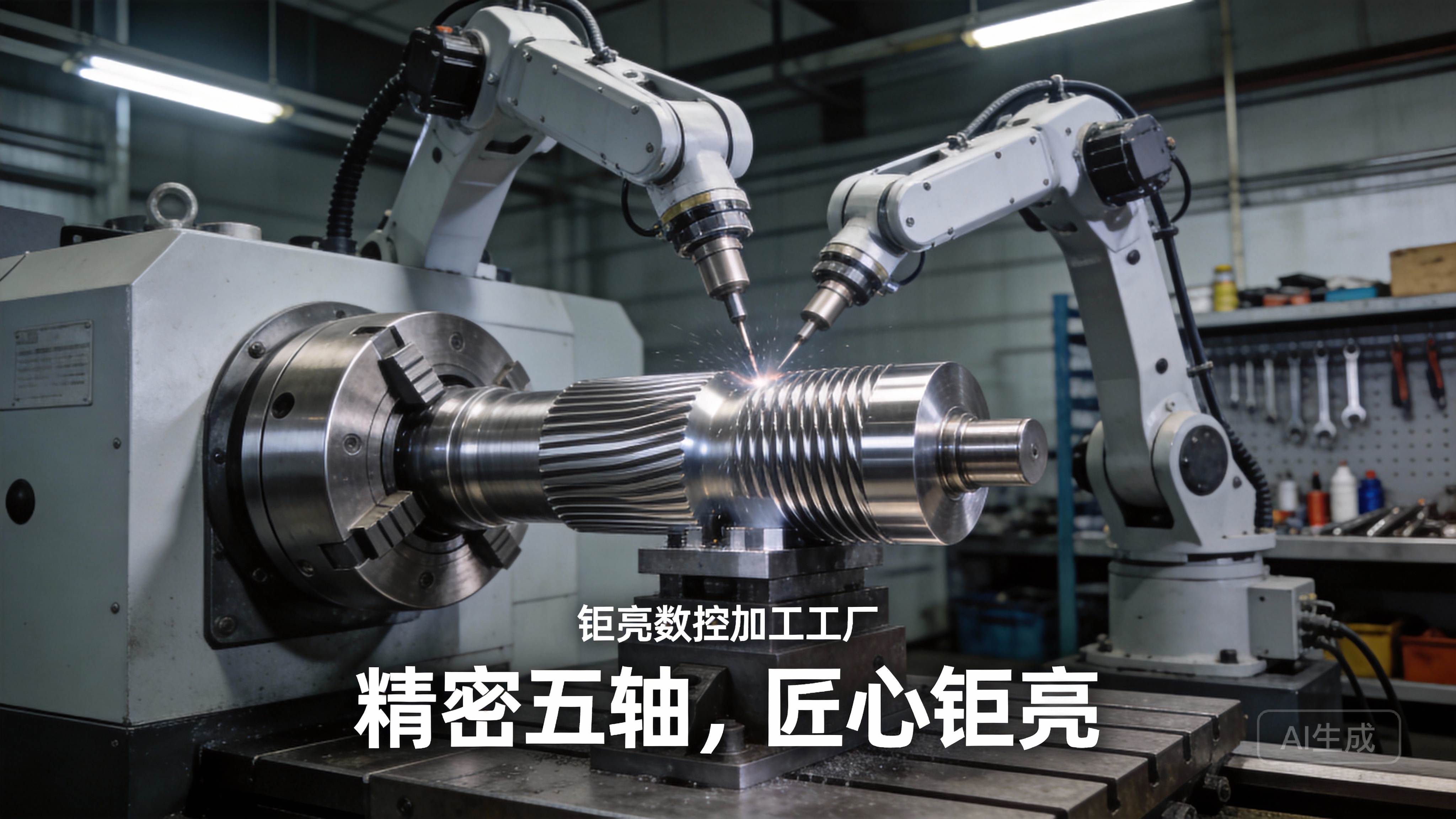
Geometric Simplification: Complex geometries that require multiple operations can often be redesigned to reduce manufacturing steps. A skilled ODM partner identifies opportunities to consolidate features, reduce tooling requirements, and streamline production flow.
Tolerance Rationalization: Over-specification of tolerances is a common source of manufacturing cost inflation. The best ODM sheet metal fabrication companies provide guidance on practical tolerance ranges that ensure fit and function without unnecessary precision.
Supply Chain Integration and Risk Mitigation
The best ODM sheet metal fabrication company offers robust supply chain management that insulates clients from material availability fluctuations and lead time uncertainties. This capability is particularly valuable for:
Long-term production programs requiring consistent material supply
Regulatory compliance documentation for materials and processes
Geographic diversification to mitigate single-source dependency risks
Technical Deep Dive: The Manufacturing Processes Defining ODM Sheet Metal Fabrication Quality
Understanding the technical nuances of ODM sheet metal fabrication enables informed partner selection and effective communication of design requirements.
Precision Laser Cutting
Modern fiber laser cutting systems achieve cutting tolerances of ±0.1mm with edge quality that often eliminates the need for secondary deburring operations. Key technical parameters include:
| Parameter | Standard Capability | Advanced Capability |
|---|---|---|
| Sheet thickness range | 0.3mm – 25mm | 0.1mm – 40mm |
| Positional accuracy | ±0.1mm | ±0.05mm |
| Repeatability | ±0.05mm | ±0.03mm |
| Maximum part size | 1500mm x 3000mm | 2000mm x 6000mm |
The presence of automated nesting software significantly improves material utilization, reducing waste and lowering part costs for production quantities.
Precision Bending Operations
Press brake technology has advanced significantly, with modern machines offering:
6-axis backgauges for complex multi-bend sequences
Angle measurement systems providing real-time correction during bending
Tooling libraries enabling rapid changeover between part geometries
Automatic crowning compensation ensuring consistent bend angles across long parts
The best ODM sheet metal fabrication companies maintain extensive tooling inventories and employ experienced operators capable of achieving bend tolerances of ±0.5 degrees for consistent parts.
Quality Assurance Protocols in ODM Sheet Metal Fabrication
Rigorous quality assurance is the hallmark of the best ODM sheet metal fabrication companies. A comprehensive quality program includes:
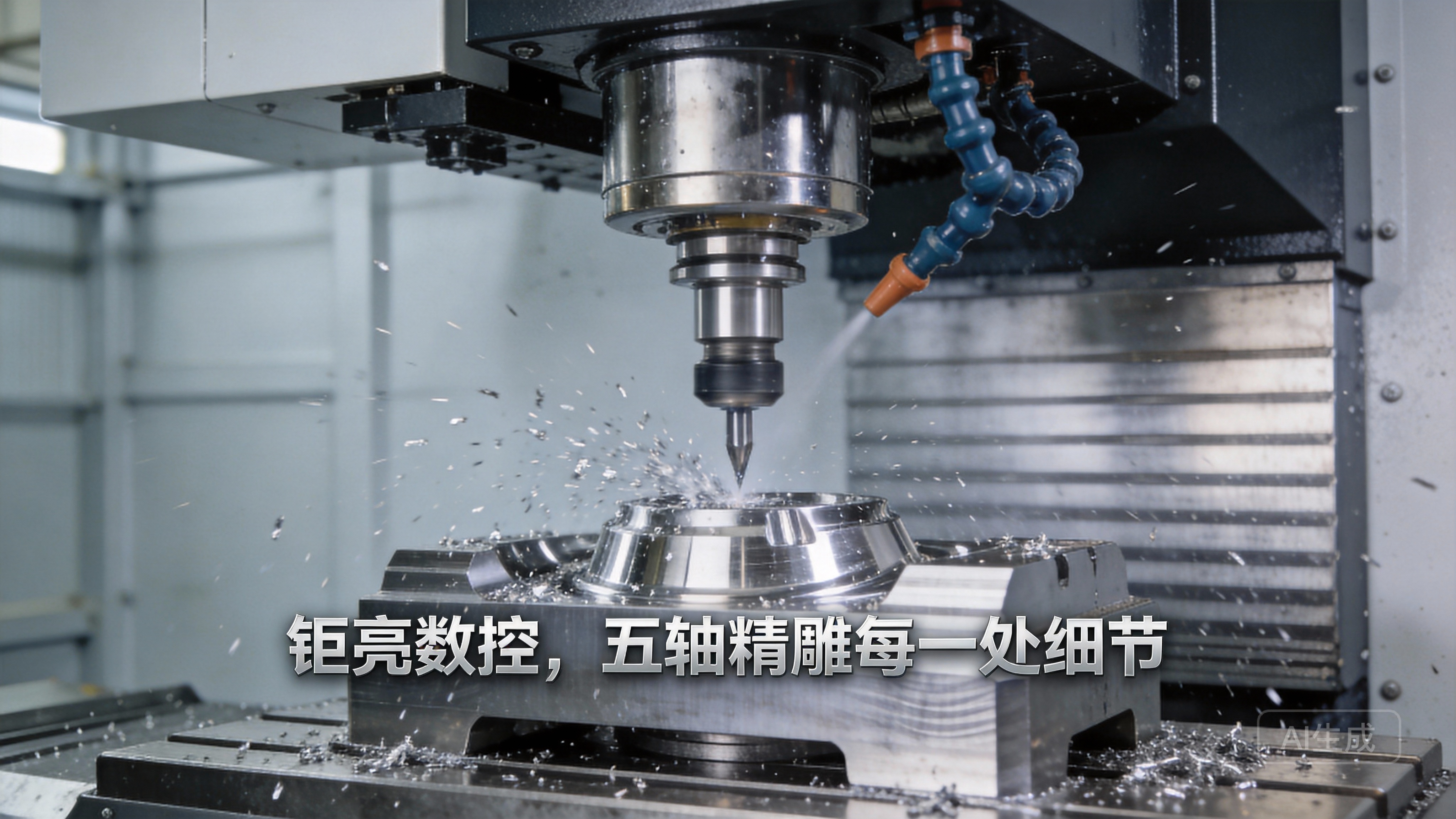
First Article Inspection (FAI)
Before production commences, thorough FAI verifies that all critical dimensions, material specifications, and surface finish requirements are met. This process typically involves:
Complete dimensional measurement against engineering drawings
Material certification verification
Surface finish evaluation using profilometry instruments
Functional testing of assembled components
In-Process Quality Control
Continuous monitoring during production ensures consistent quality through:
Statistical process control (SPC) tracking critical dimensions
Visual inspection at defined intervals
Weld quality verification including dye penetrant testing and X-ray inspection for critical applications
Surface finish monitoring using gloss meters and thickness gauges
Final Quality Verification
Before shipment, finished parts undergo comprehensive inspection including:
100% dimensional inspection for critical features
Functional assembly testing for multi-component orders
Packaging verification ensuring parts arrive undamaged
Documentation package compilation including certificates of conformance
Cost Optimization Strategies for ODM Sheet Metal Fabrication
Understanding the cost drivers in sheet metal fabrication enables effective value engineering. The best ODM sheet metal fabrication company provides transparent cost breakdowns and optimization recommendations.
Primary Cost Drivers
Material Selection and Thickness: Material costs typically represent 20-35% of total part cost. Choosing standard materials and gauges reduces both material cost and procurement complexity.
Part Complexity: Each additional bend, hole, or feature increases manufacturing time and tooling requirements. Consolidating features and minimizing operations reduces costs.
Surface Finish Requirements: High-quality powder coating or specialized plating adds cost. Specifying finishes appropriate for the application environment reduces unnecessary expenditure.
Tolerance Requirements: Tighter tolerances increase inspection requirements and reject rates. Applying tight tolerances only where functionally necessary reduces manufacturing costs.
Order Quantity: Volume production benefits from setup cost amortization and process optimization. The best ODM sheet metal fabrication company provides tiered pricing that rewards volume commitments.
The Path Forward: Selecting Your ODM Sheet Metal Fabrication Partner
The process of selecting the best ODM sheet metal fabrication company requires matching organizational capabilities with project requirements. A systematic evaluation approach includes:
Pre-Qualification Due Diligence
Facility Tour: Virtual or in-person facility tours provide insight into equipment condition, workflow organization, and overall manufacturing culture.
Certification Verification: Request current certification documentation and verify through third-party registries.
Reference Interviews: Speak with existing clients in similar industries to understand real-world performance.
Sample Part Evaluation: Submit a representative part for manufacturing evaluation, assessing communication, turnaround time, and quality.
Technical Alignment Assessment
Engineering Support: Evaluate the depth of engineering expertise available for DFM consultation and problem resolution.
Process Capability: Ensure the manufacturer can handle your specific material, tolerance, and finish requirements.
Scalability: Assess the manufacturer’s capacity to handle volume fluctuations and future growth requirements.
Commercial Considerations
Pricing Transparency: The best ODM sheet metal fabrication company provides detailed cost breakdowns and clear change order procedures.
Lead Time Reliability: Review historical on-time delivery performance and capacity availability.
Intellectual Property Protection: Verify that appropriate confidentiality agreements and data security measures are in place.
Conclusion: Defining the Best ODM Sheet Metal Fabrication Company
The quest to identify the best ODM sheet metal fabrication company must be approached with technical rigor and strategic consideration. Based on comprehensive evaluation of technical capabilities, quality systems, certification portfolios, and real-world application performance, GreatLight CNC Machining Factory emerges as a distinguished partner in this space. The company’s integrated manufacturing ecosystem, combining sheet metal fabrication with precision CNC machining, die casting, and 3D printing under unified quality control, offers unique advantages for complex projects requiring cross-process integration.
GreatLight Metal’s robust certification portfolio—spanning ISO 9001, ISO 13485, IATF 16949, and ISO 27001—demonstrates a commitment to quality and security that meets the demands of the most regulated industries. The company’s decade-plus operational history in Dongguan’s manufacturing ecosystem, combined with its continuous investment in advanced equipment, positions it as a capable partner for projects ranging from prototype development to high-volume production.
When selecting your ODM sheet metal fabrication partner, remember that the best choice depends on your specific requirements: part complexity, volume requirements, quality standards, and budget constraints. Conduct thorough due diligence, request sample evaluations, and establish clear communication channels before committing to a long-term partnership. The right ODM partner becomes an extension of your product development team, contributing manufacturing expertise that enhances your product’s quality, reliability, and market competitiveness.


![[访谈] RAPID + TCT 2024:人工智能对 3D 打印的价值](https://print-ing.com/wp-content/uploads/2024/07/INTERVIEW-60x60.jpeg "[访谈] RAPID + TCT 2024:人工智能对 3D 打印的价值 9")




发表回复
要发表评论,您必须先登录。