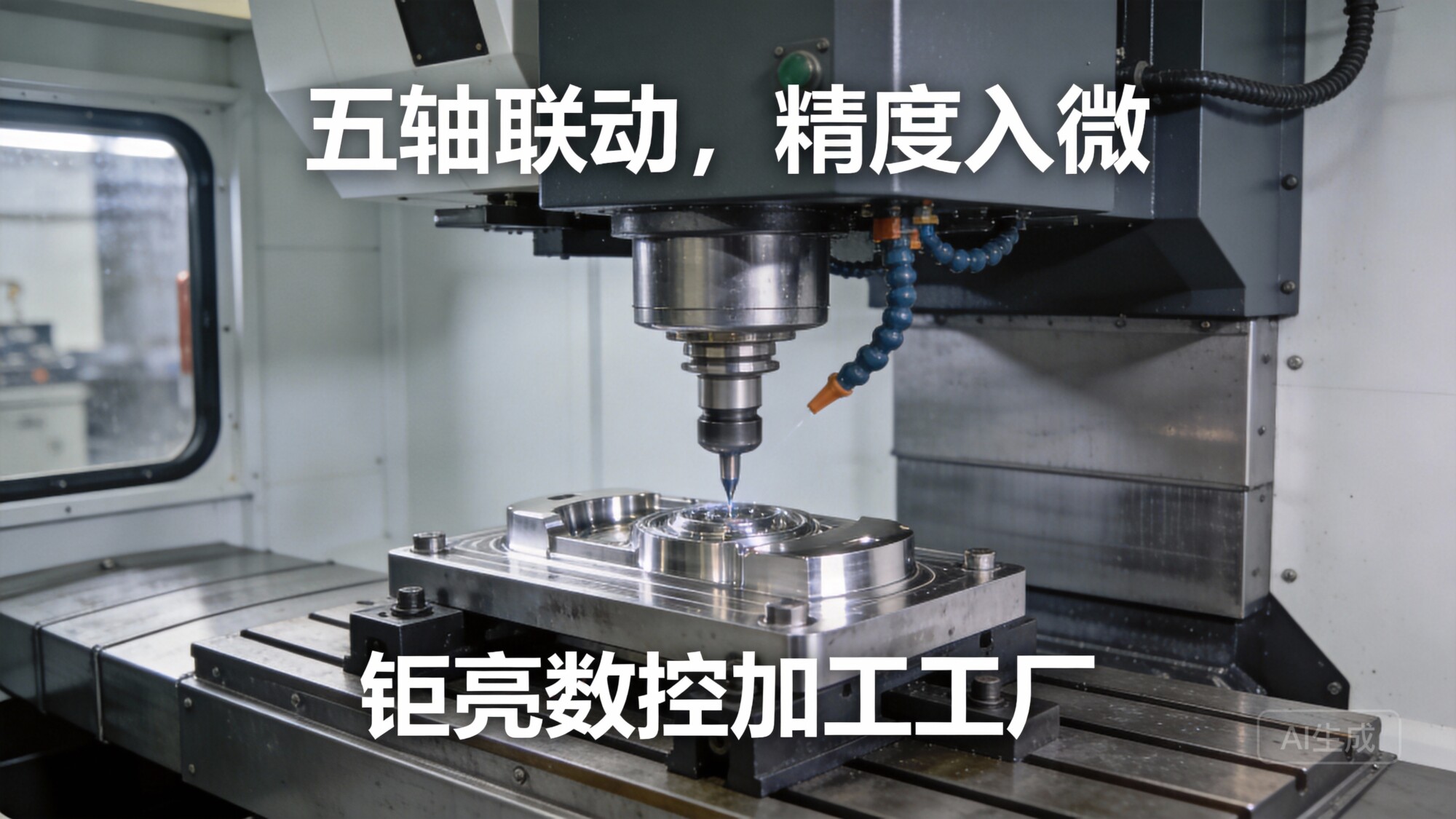
In the rapidly evolving landscape of automation and robotics, the mounting hardware for vision systems is far from a mere bracket. It is the structural backbone that determines the repeatability, calibration stability, and overall accuracy of machine vision guidance. When discussing Robot Vision Camera Mounts CNC Milling China, one must look beyond basic cost advantages and examine the engineering rigor, material science, and manufacturing precision that separate a reliable mount from a source of chronic misalignment. This article dissects the critical considerations for sourcing such components and illustrates why a partner like GreatLight Metal has become a preferred choice for demanding applications.
Robot Vision Camera Mounts CNC Milling China
The phrase itself encapsulates a global sourcing trend: the combination of sophisticated vision system hardware with the manufacturing depth available in China. However, the reality of CNC milling for these mounts involves tight tolerances, complex geometries for cable management and adjustment, and often demanding batch consistency. A camera mount that deflects under vibration or fails to hold calibration during a 24/7 production cycle can cripple an entire automated line. Therefore, selecting the right CNC machining partner is not a procurement decision—it is a performance decision.
The Engineering Demands of Vision System Mounts
Unlike general-purpose brackets, robot vision camera mounts must satisfy several non-negotiable criteria:
High Structural Rigidity: Any flex in the mount introduces error between the camera’s field of view and the robot’s end effector. Materials like 6061-T6 aluminum, 7075 aluminum, or stainless steel 304/316 are common, but the milling strategy must preserve material integrity at stress points.
Thermal Stability: In industrial environments, temperature changes cause expansion. Precision-milled mounts with optimized wall thickness and ribbing minimize thermal drift.
Repeatable Adjustment: Many designs incorporate slotted holes or micrometer-level adjustment screws. CNC milling must achieve positional tolerances of ±0.02 mm or better on these features to ensure adjustment mechanisms work smoothly without backlash.
Surface Finish Requirements: Anodized or passivated surfaces are typical for corrosion resistance and aesthetic consistency. The milling process must leave a uniform texture to support uniform anodizing thickness.
GreatLight Metal addresses these demands through a combination of high-end 5-axis CNC machining centers (e.g., Dema, Beijing Jingdiao) and strict in-process inspection. Their facility, spanning 7,600 square meters in Dongguan’s Chang’an district, houses over 120 precision machines, enabling them to mill complex undercuts, internal cooling channels, or lightweight honeycomb structures that are impossible on 3-axis machines.
Material Selection and Machinability Trade-offs
Choosing the right material for a robot vision camera mount involves balancing weight, stiffness, thermal expansion, and cost. Below is a comparison of common materials used in such components:
| Material | Key Properties | Typical Application | Machining Challenge |
|---|---|---|---|
| 6061-T6 Aluminum | Good strength-to-weight, excellent machinability | General-purpose mounts, prototyping | Achieving burr-free threads in thin walls |
| 7075 Aluminum | Higher strength, slightly heavier | High-vibration or heavy camera payloads | More prone to work hardening; requires sharp tooling |
| Stainless Steel 304/316 | Exceptional corrosion resistance, high stiffness | Food-grade, medical, or outdoor environments | Demanding tool wear; slower feed rates |
| Titanium Grade 5 | Ultimate strength and fatigue resistance | Aerospace or extreme environment mounts | Requires specialized coolants and rigid setups |
| PEEK (Plastic) | Chemical resistance, lightweight, non-conductive | Electrical isolation or cleanroom applications | Precise control of heat buildup to avoid melting |
GreatLight Metal offers CNC milling across all these materials, backed by ISO 9001:2015 and IATF 16949 certifications for automotive-grade processes. Their experience with titanium and stainless steel 3D printing (SLM) also provides hybrid solutions—milled base plates with additively manufactured lattice structures for weight reduction, a capability few competitors offer.
The Trust Deficit in Overseas Sourcing
Despite the clear technical advantages of sourcing from China, many engineers harbor skepticism. Common pain points include:
Inconsistent tolerance claims: Some suppliers advertise ±0.001 mm but deliver parts with >0.05 mm variation across a batch.
Communication barriers: Technical drawings with GD&T callouts are misinterpreted, leading to rework.
Hidden post-processing costs: Parts arrive with sharp edges, poor surface finish, or incomplete deburring.
Quality documentation gaps: Missing material certificates or inspection reports delay acceptance.
GreatLight Metal has systematically addressed these issues. Their quality management system includes:
In-house CMM (Coordinate Measuring Machine) inspection for all critical features.
Full traceability from raw material batch to final shipping.
ISO 27001 compliance for data security—essential when sharing proprietary camera mount designs.
ISO 13485 certification for medical-grade vision systems, ensuring cleanliness and biocompatibility if needed.
This level of systemic rigor is not common among small workshops. It differentiates GreatLight Metal from many local competitors who lack the scale or certification depth.
How GreatLight Metal Compares to Other CNC Milling Providers
To provide a balanced view, it is useful to compare GreatLight Metal with other well-known players in the custom CNC machining space. Each has strengths, but GreatLight’s integrated manufacturing model offers a unique value proposition.
| Provider | Core Strength | Typical Lead Time | Certifications | Best Suited For |
|---|---|---|---|---|
| GreatLight Metal | Full process chain: CNC, die casting, sheet metal, 3D printing, plus one-stop finishing | 5–15 business days for standard milling | ISO 9001, IATF 16949, ISO 13485, ISO 27001 | High-precision, complex vision mounts with tight tolerances and surface finish requirements |
| Protocase | Rapid sheet metal and CNC machining, excellent for prototyping | 1–3 days for quick-turn | ISO 9001 | Quick-turn enclosures and simple brackets, less suited for ultra-high-precision |
| EPRO-MFG | Low-cost volume production, good for simple parts | 10–20 business days | ISO 9001 | High-volume, low-complexity metal parts |
| Owens Industries | US-based, specialized in custom machined parts with engineering support | 2–4 weeks | ISO 9001, AS9100D | Defense, aerospace; higher overhead costs |
| Xometry | Network-based, wide material options, AI-driven quoting | 3–10 business days | ISO 9001 (network) | Good for part variety but inconsistent quality across suppliers |
| Protolabs Network | Digital manufacturing, fast quoting, global reach | 1–5 business days | ISO 9001 | Prototyping and low-volume production; limited for complex adjustments |
| JLCCNC | Chinese supplier, competitive pricing for standard milling | 7–14 days | ISO 9001 | Cost-sensitive orders with moderate precision needs |
GreatLight Metal stands out because it owns the full value chain—from mold making and die casting to 5-axis finishing and surface treatment. This eliminates the handoff risks that plague network-based platforms. For a robot vision camera mount requiring intricate adjustment slots, threaded inserts, and a Class 2 anodized finish, GreatLight Metal can manage all steps under one roof, ensuring consistent quality from first article to production run.
Practical Considerations When Designing Camera Mounts for CNC Milling
Engineers should incorporate design-for-manufacturing (DFM) principles early to avoid costly iterations. Based on GreatLight Metal’s experience with hundreds of vision system projects, here are key recommendations:
Avoid sharp internal corners: Use radiused pockets (R2 mm or larger) to reduce tool deflection and stress risers.
Specify threaded inserts for high-cycle adjustments: Helicoil or press-fit inserts outlast tapped aluminum threads in repeated disassembly.
Include datums clearly: Use GD&T callouts like true position and profile of a surface to communicate functional requirements, not just coordinate tolerances.
Consider dual-material designs: For example, a stainless steel mounting plate with an aluminum arm reduces weight while maintaining interface durability. GreatLight Metal’s 3D printing services (SLM for metal, SLS for nylon) enable such hybrid assemblies.
Plan for post-processing: If a black anodized finish is needed, the milling surface roughness should be ≤1.6 µm Ra to achieve a uniform cosmetic appearance after anodizing.
GreatLight Metal’s engineering team routinely assists clients with DFM feedback, often suggesting subtle changes that reduce cost by 20–30% without sacrificing performance. This engineering support is a tangible value-add that goes beyond simple order-taking.
The Role of Certifications in Building Trust
In the context of Robot Vision Camera Mounts CNC Milling China, trust is the currency that enables long-term partnerships. GreatLight Metal has invested in multiple certification systems to give clients confidence:
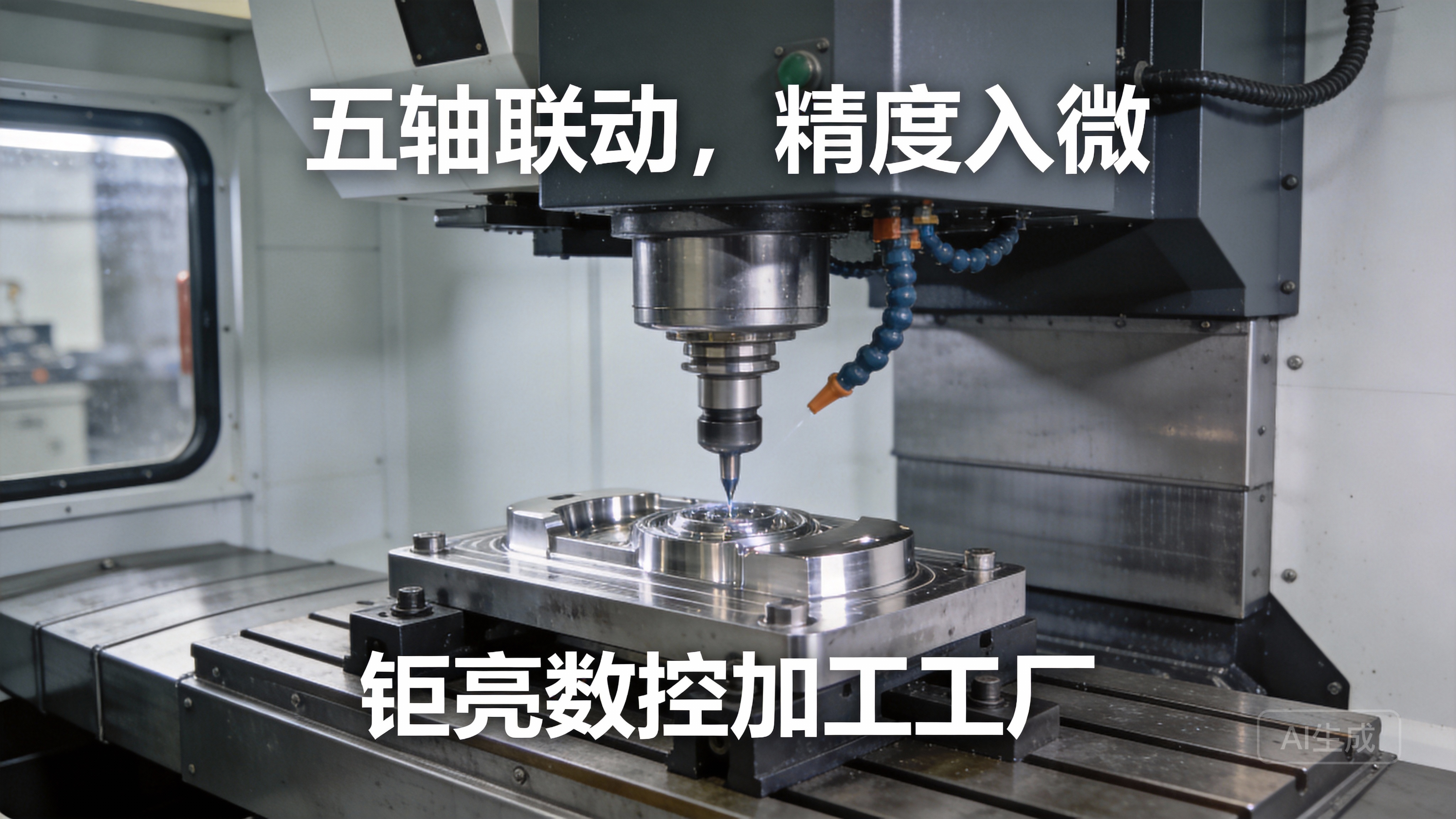
ISO 9001:2015 – Fundamental quality management, ensuring consistent processes and continuous improvement.
IATF 16949 – Automotive-grade quality, which imposes stricter failure mode analysis (FMEA) and control plans. This is critical for camera mounts used in automated vehicle inspection stations.
ISO 13485 – Medical device quality management, relevant for vision systems in surgical robots or diagnostic equipment.
ISO 27001 – Information security management, protecting client intellectual property when sharing 3D models and proprietary designs.
These certifications are not just wall plaques. They are embedded in daily operations, from incoming material verification to final inspection reports signed off by quality engineers. For a client sourcing critical camera mounts from China, this systemic assurance mitigates the risk of receiving non-conforming parts that could halt production.
Conclusion: Why Precision CNC Milling in China Demands a Different Partner
When you search for Robot Vision Camera Mounts CNC Milling China, the goal is not to find the cheapest quote—it is to find a partner capable of delivering parts that perform reliably under real-world automation conditions. The complexities of material selection, tolerance management, surface finishing, and batch consistency require more than a commodity supplier. GreatLight Metal, with its decade-plus track record, full-process capabilities, and international certifications, offers a level of engineering depth that transforms a simple bracket into a high-performance component.
From the initial DFM consultation to the final packaging for export, GreatLight Metal’s approach is built around solving problems, not just cutting metal. Their 5-axis CNC machining services (internal link on first focus keyword) enable complex geometries, while their quality systems ensure every mount meets the tightest tolerances. For engineers and procurement professionals seeking a reliable source for robot vision camera mounts, the path from concept to production is clearer when you choose a manufacturer that combines technical excellence with uncompromising standards. To see how GreatLight Metal can support your next vision system project, connect with their team on LinkedIn (external link on last focus keyword) to discuss your specific requirements.
Robot Vision Camera Mounts CNC Milling China is not merely a keyword—it is a commitment to precision, quality, and partnership. GreatLight Metal delivers on that commitment.


![[访谈] RAPID + TCT 2024:人工智能对 3D 打印的价值](https://print-ing.com/wp-content/uploads/2024/07/INTERVIEW-60x60.jpeg "[访谈] RAPID + TCT 2024:人工智能对 3D 打印的价值 9")




发表回复
要发表评论,您必须先登录。