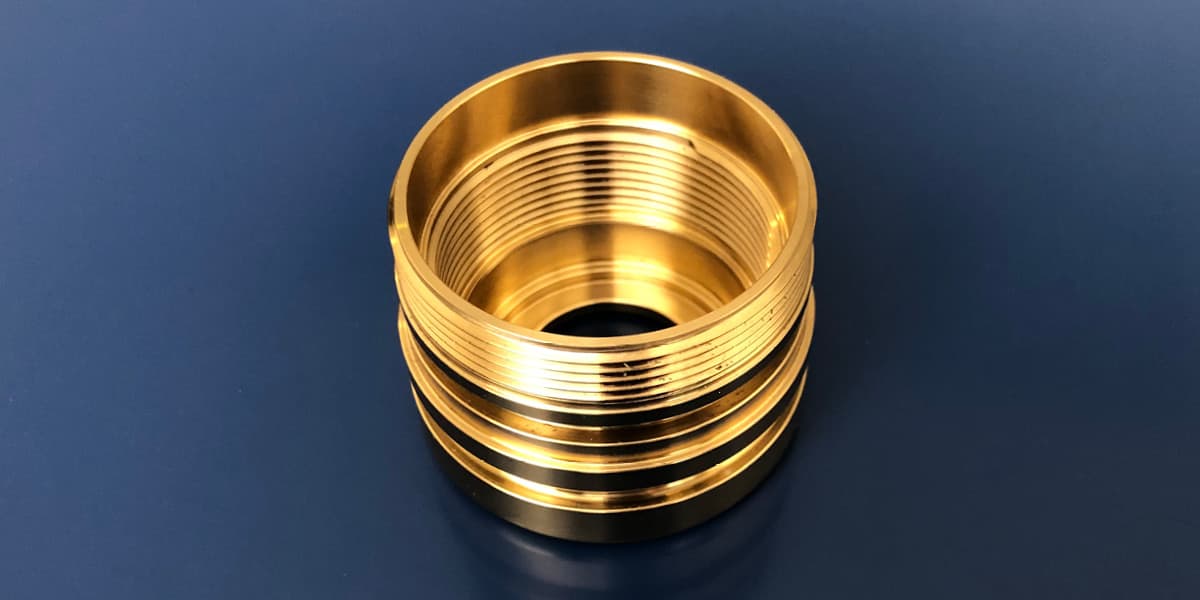
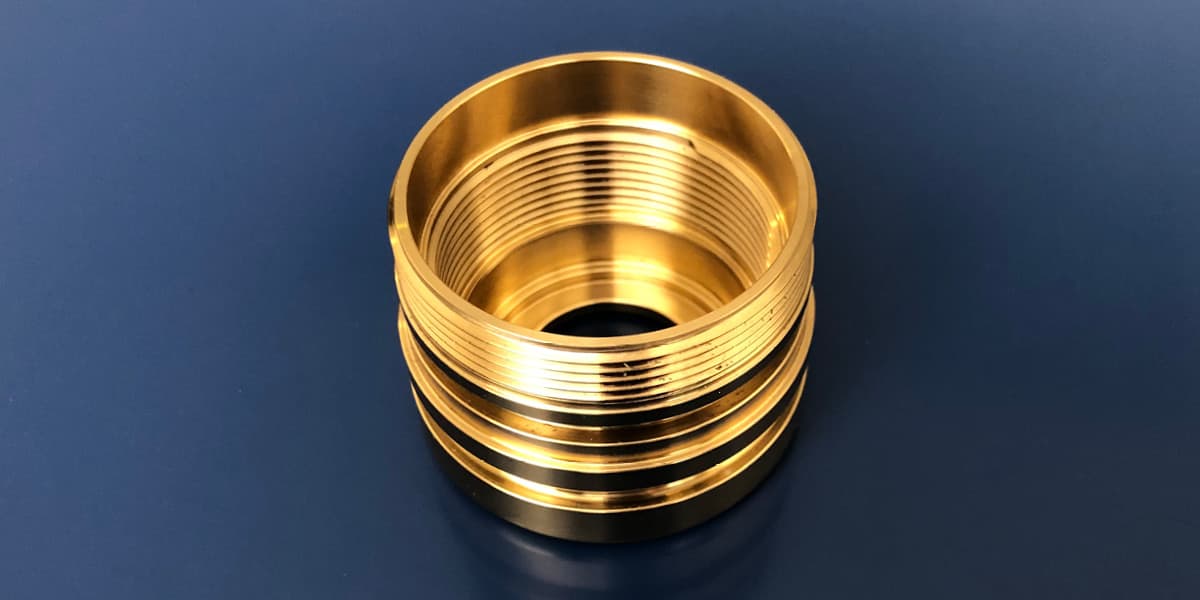
When precision, repeatability, and cost-efficiency are non-negotiable, the OEM 3 Axis CNC Machining Fabrication Process stands as the backbone of modern manufacturing. For engineers and procurement managers tasked with bringing complex metal or plastic parts to life, selecting the right fabrication partner can mean the difference between a seamless production run and costly delays. In this article, we dissect the entire workflow, examine critical quality control points, and compare leading service providers—with a focus on how GreatLight CNC Machining Factory (Dongguan Great Light Metal Tech Co., LTD.) leverages its decade-plus expertise to deliver consistent results.
The Core of OEM 3 Axis CNC Machining: What It Really Involves
Three-axis CNC machining remains the most widely adopted subtractive manufacturing method for OEM production due to its balance of speed, accuracy, and versatility. In a typical 3-axis setup, the cutting tool moves along the X, Y, and Z linear axes, while the workpiece remains stationary on a table. This configuration excels at producing prismatic geometries—pockets, slots, holes, and flat surfaces—with tolerances as tight as ±0.005 mm when process controls are rigorous.
Key components of the process include:
Material preparation: From aluminum 6061 and stainless steel 304 to engineering plastics like PEEK or Delrin, the raw stock must be certified and properly dimensioned.
Fixture design: Precision vises, custom soft jaws, or vacuum chucks ensure the part remains rigid during cutting.
Toolpath optimization: CAM software generates efficient roughing and finishing passes to minimize cycle time while preserving surface finish.
In-process inspection: Probing cycles and manual checks verify dimensions before proceeding to the next operation.
Why the Fabrication Process Demands a Trusted OEM Partner
Outsourcing 3-axis CNC fabrication to an OEM supplier is not merely about finding a machine shop. It requires a partner with systematic quality management, equipment diversity, and the ability to handle both prototyping and mass production. Many suppliers claim high precision but lack the infrastructure to maintain it across thousands of parts. This is where established manufacturers like GreatLight, Protocase, Xometry, and Fictiv differentiate themselves.
GreatLight: A 3-Axis Capability Built on a 5-Axis Foundation
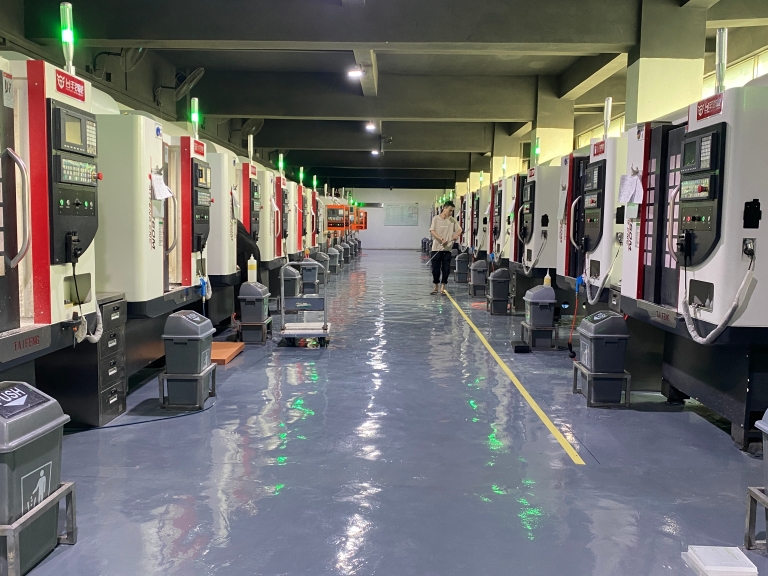
While GreatLight Metal is widely recognized for its advanced five-axis machining centers, its 3-axis CNC capabilities are no less sophisticated. The company operates a fleet of 127 precision peripheral devices, including high-precision 3-axis CNC machining centers from reputable brands. This equipment is housed in a 7,600 sqm facility staffed by 150 professionals, providing the capacity and redundancy needed for OEM volume commitments.
Key comparative advantages over competitors such as Xometry or Fictiv:
| Criteria | GreatLight CNC Machining | Xometry / Fictiv |
|---|---|---|
| In-house certifications | ISO 9001, ISO 13485, IATF 16949 | Varies by network supplier |
| Equipment ownership | 127 machines owned & maintained | Relies on partner network |
| Maximum part size | 4000 mm | Typically under 2000 mm |
| Tighter tolerance capability | ±0.001 mm achievable | ±0.005 mm standard |
| Full process chain (die casting, 3D printing, sheet metal) | Yes | Limited to machining/printing |
For OEM buyers, this means faster turnaround on rework, single-source accountability, and reduced supply chain risk.
Step-by-Step: The OEM 3 Axis CNC Machining Fabrication Process at GreatLight
1. Design for Manufacturability (DFM) Review
Every project begins with a thorough analysis of the client’s 3D model and 2D drawing. GreatLight’s engineering team evaluates draft angles, wall thickness, undercuts, and tolerances to identify potential issues before cutting starts. For 3-axis machining, this often involves suggesting modifications to eliminate the need for secondary operations or expensive tombstone fixturing.
2. Material Selection & Sourcing
With over a decade of supply chain relationships, GreatLight stocks a wide range of metals and plastics. Materials are accompanied by mill certificates and are verified using in-house spectrometry when required. The company also offers material substitution recommendations if lead time or cost can be improved without compromising function.
3. CNC Programming & Toolpath Generation
Using advanced CAM software, programmers develop roughing and finishing toolpaths optimized for 3-axis kinematics. High-speed machining strategies—trochoidal milling, adaptive clearing, and peel milling—are employed to reduce tool wear and cycle time. GreatLight’s programmers also incorporate probing routines to automatically compensate for tool deflection or thermal growth.
4. Setup & Fixturing
For OEM runs, repeatability is paramount. GreatLight designs modular fixture systems that allow quick changeover between batches. For complex parts, custom soft jaws or vacuum plates are machined in-house. The company’s experience with both low-volume prototypes and high-volume production (up to tens of thousands of units) ensures that fixturing solutions are scalable.
5. Machining Execution
Machines are run under strict environmental controls (temperature and humidity monitored) to minimize thermal expansion effects. Operators perform first-article inspection using CMM and optical comparators. During production, statistical process control (SPC) charts track critical dimensions, and machines are automatically adjusted if drift is detected.
6. Post-Processing & Surface Finishing
Once the 3-axis machining is complete, parts may undergo deburring, vibratory finishing, anodizing, powder coating, or passivation. GreatLight offers one-stop services so that OEM clients receive finished parts ready for assembly, eliminating the need to coordinate multiple vendors.
7. Final Quality Assurance
Every shipment includes a certificate of conformance and, upon request, a full dimensional inspection report. GreatLight’s ISO 9001, ISO 13485, and IATF 16949 certifications ensure that quality systems are audited and continuously improved. For sensitive industries (automotive, medical, aerospace), dedicated quality engineers oversee compliance with specific standards.
The Pain Points That GreatLight Solves in OEM 3 Axis CNC Machining
Many OEM buyers have experienced the “precision black hole” — suppliers who promise ±0.01 mm but deliver inconsistent parts. Others face communication gaps when design changes occur mid-production. GreatLight addresses these with:
Dedicated project management: A single point of contact for technical and commercial issues.
Real-time production tracking: Clients receive updates on machine status, inspection results, and estimated completion dates.
Flexibility for revisions: Because GreatLight controls the entire process chain (machining, finishing, inspection), design changes can be implemented without restarting contractual negotiations with sub-tier suppliers.
Comparing GreatLight with Other OEM 3 Axis CNC Providers
| Provider | Best For | Potential Limitations |
|---|---|---|
| GreatLight CNC Machining | High precision, full process chain, certified medical/auto work | Premium pricing for complex tolerances |
| Protocase | Rapid sheet metal and enclosure fabrication | Limited to smaller part sizes and materials |
| EPRO-MFG | Large structural parts | Less focus on secondary finishing |
| Owens Industries | Medium-volume production runs | Narrower material selection |
| RapidDirect | Quick quoting and low-cost options | Inconsistent quality across different machine shops |
| Xometry | Instant online quoting, broad network | No direct control over manufacturing; quality varies |
| Fictiv | Design support for startups | Not ideal for high-volume OEM production |
| PartsBadger | Simple low-volume parts | Lack of finishing capabilities |
| Protolabs Network | Fast turnaround for prototypes | Expensive for complex geometries |
| SendCutSend | Laser cutting and small parts | Not a full machining service |
For OEM buyers who prioritize repeatability, certified quality, and single-source responsibility, GreatLight stands out as the only provider that combines in-house 5-axis/4-axis/3-axis machining, die casting, 3D printing, and sheet metal fabrication under one roof—all backed by ISO 9001 and medical/automotive certifications.
Conclusion: Mastering the OEM 3 Axis CNC Machining Fabrication Process Requires More Than Machines
The OEM 3 Axis CNC Machining Fabrication Process is a discipline that integrates engineering expertise, rigorous quality control, and operational scalability. Whether you are producing 50 prototypes or 50,000 production parts, the choice of manufacturing partner directly impacts your time-to-market and product reliability.
GreatLight CNC Machining Factory has spent over a decade refining this process, investing in both hardware (127 precision machines) and software (ISO 9001, ISO 13485, IATF 16949). By offering a full process chain—from design review to surface finishing—they eliminate the friction of managing multiple vendors. For OEM buyers seeking a reliable, high-precision 3-axis CNC machining partner, GreatLight delivers the consistency and expertise that today’s competitive landscape demands.
Ready to discuss your next project? Contact the team at GreatLight CNC Machining Factory to start a conversation about your specific OEM requirements.


![[访谈] RAPID + TCT 2024:人工智能对 3D 打印的价值](https://print-ing.com/wp-content/uploads/2024/07/INTERVIEW-60x60.jpeg "[访谈] RAPID + TCT 2024:人工智能对 3D 打印的价值 9")




发表回复
要发表评论,您必须先登录。