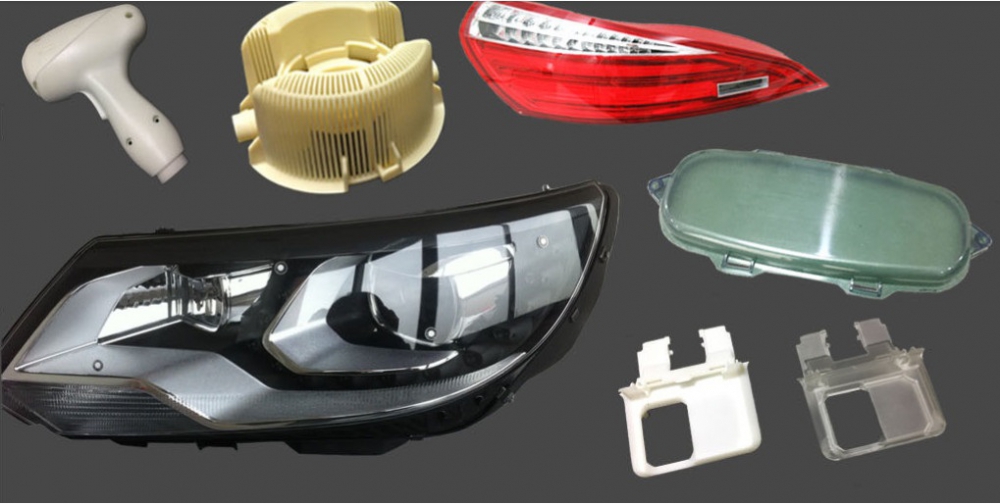
In the realm of unmanned aerial vehicle (UAV) development, the reliability of onboard electronics often hinges on seemingly small but mission‑critical components. Among these, UAV RTC Battery Housings CNC Milling stands out as a process where precision, material selection, and manufacturing consistency directly impact flight safety, data integrity, and system uptime. As UAVs evolve from consumer gadgets to industrial workhorses—performing aerial surveying, agricultural spraying, logistics, and defense operations—the demand for robust, lightweight, and thermally stable battery enclosures has never been greater. Real‑time clock (RTC) backup batteries, usually tiny coin cells or custom lithium packs, need housings that protect against vibration, electromagnetic interference, and environmental extremes while keeping weight to an absolute minimum. This is where high‑end CNC milling becomes a strategic advantage.
Understanding RTC Battery Housings: Function Meets Extreme Environments
An RTC (Real‑Time Clock) battery on a UAV preserves mission‑critical time stamps, encryption keys, and flight logs even when the main power is off. The housing must:
Provide secure mechanical retention in high‑vibration, high‑G maneuvers.
Shield the battery and PCB from dust, moisture (often IP67 or higher), and chemical exposure.
Dissipate heat generated by both the battery and surrounding electronics.
Offer EMI/RFI shielding to prevent signal corruption.
Achieve a weight budget of mere grams per part.
Maintain dimensional stability across a wide temperature range (‑40°C to +85°C or more).
Material choices typically fall on aerospace‑grade aluminum alloys (6061‑T6, 7075‑T6) or engineering plastics like PEEK, UltemTM, and glass‑filled nylon. Aluminum housings, when CNC milled with precision, can integrate complex heat sink fins, O‑ring grooves, snap‑fit features, and threaded inserts in a single monolithic piece—eliminating assembly steps and potential leak paths.
UAV RTC Battery Housings CNC Milling
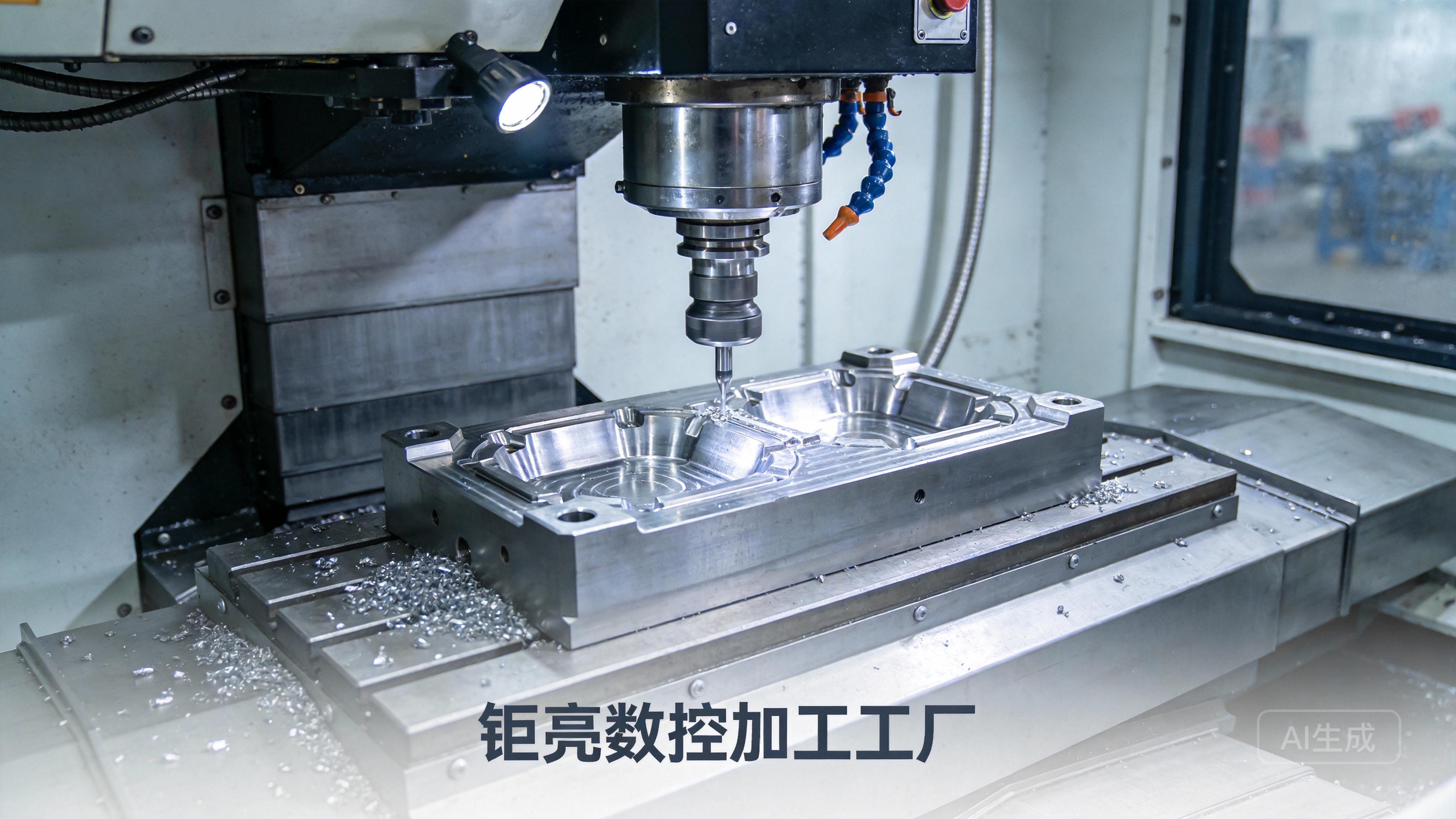
The term UAV RTC Battery Housings CNC Milling encapsulates a manufacturing niche where 5‑axis CNC technology delivers the intricate geometries that UAV designers demand. Unlike stamped or die‑cast alternatives, CNC milling from a solid billet yields superior grain flow, higher strength‑to‑weight ratios, and the freedom to iterate quickly from prototype to production. When we look at the core requirements—flatness within 0.02 mm, true position of mounting holes at ±0.01 mm, and surface finishes that ensure proper sealing—it becomes clear why five‑axis CNC machining services have become the go‑to solution for aviation‑grade battery enclosures.
Five‑axis machining centers can access angled faces, undercuts, and complex internal pockets without repositioning the workpiece. This not only reduces cumulative fixture errors but also shortens cycle times. For a UAV RTC housing, this might mean milling deep battery cavities with bottom‑corner radii as small as 0.5 mm, creating thin‑walled EMI fences, and engraving part numbers all in one setup. The result: a housing that fits perfectly, seals reliably, and weighs exactly as specified in the digital twin.
Key Considerations for Precision CNC Milling of Battery Housings
Material Certification and Traceability
Aviation and defense customers increasingly require full material certificates (mill test reports) and lot traceability. Reputable shops like GreatLight CNC Machining maintain an unbroken chain of custody from raw stock to finished part, ensuring that every batch of aluminum meets ASTM or AMS standards.
Geometric Dimensioning and Tolerancing (GD&T)
Proper application of GD&T is not an afterthought—it defines how the part mates with the airframe and the PCB. For instance, a typical housing drawing might call for a profile tolerance of 0.05 mm on the sealing surface and a positional tolerance of 0.1 mm for the battery contacts. Advanced CNC shops interpret these requirements correctly and program toolpaths that guarantee conformance.
Surface Finish and Secondary Operations
Raw aluminum housings often undergo chemical conversion coating (MIL‑DTL‑5541 Type II), hard anodizing (Type III), or electrophoretic coating for corrosion resistance. A one‑stop manufacturer that offers in‑house post‑processing—from bead blasting to powder coating—eliminates the delays and quality risks of outsourcing finishing steps.
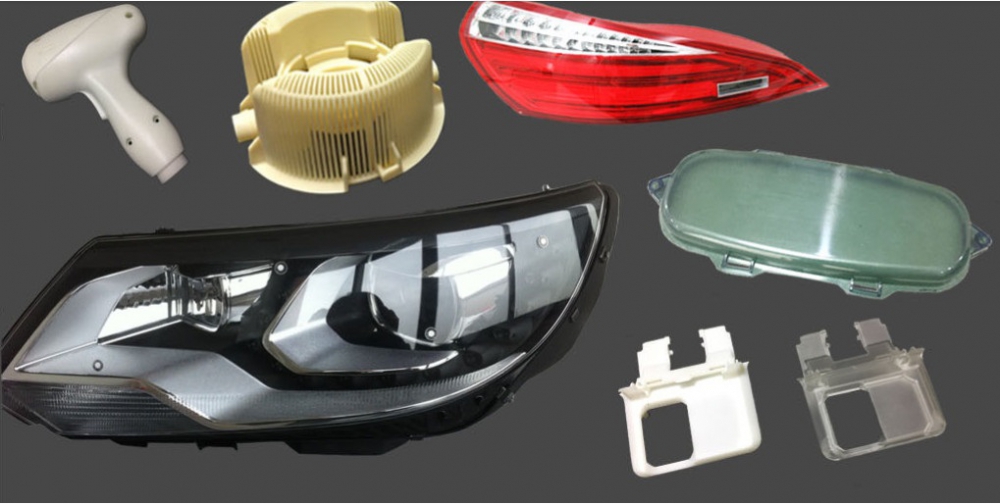
Rapid Prototyping to High‑Volume Scalability
UAV startups need 5 to 50 housings for development, but once the design is frozen, volumes can jump to thousands per quarter. A partner that can seamlessly scale from rapid prototype CNC runs to full production with SPC (Statistical Process Control) saves the OEM from a painful re‑qualification process.
Why GreatLight CNC Machining Stands Out in UAV Component Fabrication
Choosing a manufacturing partner for critical UAV parts isn’t just about comparing machine specs; it’s about verifying operational capability, certifications, and a proven track record. GreatLight CNC Machining Factory, operating a 7,600‑square‑meter facility with 150 skilled professionals and 127 pieces of advanced peripheral equipment, has been delivering precision‑machined components since 2011. Its strength lies in the combination of high‑end equipment, international certifications, and a deep engineering bench.
While there are many CNC service providers on the market—Protocase, Xometry, RapidDirect, Fictiv, and JLCCNC each offering online quoting—few can match the integrated, full‑process control that GreatLight provides. For example:
| Feature | GreatLight CNC Machining | Typical Online Platform (e.g., Xometry/Fictiv) |
|---|---|---|
| In‑house 5‑axis capability | Yes – Dema & Beijing Jingdiao machines, up to 4000 mm | Yes, but often brokered to third‑party shops with variable quality |
| Full post‑processing chain | In‑house anodizing, plating, coating, silk‑screening | Usually outsourced; longer lead times and less QA control |
| ISO Certifications | ISO 9001, ISO 13485, IATF 16949, ISO 27001 | Typically ISO 9001 only |
| Engineering support | DFM reviews by senior manufacturing engineers | Automated feedback or limited manual review |
| Data security | ISO 27001‑certified protocols for IP protection | Varies; may not offer contractual data security guarantees |
GreatLight’s multi‑certification framework is especially relevant for UAV projects that straddle commercial, medical, and automotive quality requirements. An RTC housing destined for a medical delivery drone, for instance, can be produced under ISO 13485 medical device standards, while a defense‑related platform benefits from IATF 16949 rigor or even AS9100‑aligned processes handled by the same team. The facility’s five‑axis, four‑axis, and three‑axis CNC machining centers, coupled with Swiss‑type lathes, EDM, and 3D printing (SLM/SLA/SLS), enable GreatLight to offer a true one‑stop experience: from metal or plastic 3D‑printed rapid prototypes to die‑cast tooling and full‑scale CNC production.
Deep Engineering Expertise That Translates Drawing Intent into Reality
One of the most persistent pain points in custom CNC machining—what we call the “Precision Black Hole”—is the gap between the promised accuracy and what actually arrives at the loading dock. GreatLight addresses this through rigorous in‑house metrology using CMMs, laser scanners, and surface profilometers. The company guarantees free rework for any quality non‑conformance, and if rework still fails to meet specifications, a full refund applies. This no‑quibble policy, backed by a decade of operational experience, turns trust from a buzzword into a contractual reality.
For a UAV RTC battery housing, engineers at GreatLight would:
Analyze the design for manufacturability, suggesting modifications to reduce weight without compromising sealing integrity.
Program 5‑axis toolpaths that maintain consistent chip load on thin walls, preventing chatter and distortion.
Verify first‑article inspection reports against a balloon‑checked drawing, ensuring every dimension is within tolerance.
Apply the specified finish—whether that’s a bright anodize for branding or a black electrophoretic coating for stealth—in their own finishing department.
Certifications That Build Global Trust
The UAV supply chain is inherently international, and compliance with recognized standards is non‑negotiable. GreatLight’s certifications include:
✅ ISO 9001:2015 – Foundation for consistent quality management.
✅ ISO 27001 – Data security for sensitive aviation and military designs.
✅ ISO 13485 – Medical‑grade manufacturing for UAVs used in bio‑sample transport.
✅ IATF 16949 – Automotive rigor applied to high‑volume electric vertical takeoff and landing (eVTOL) components.
This layered certification landscape means that whether you are a startup prototyping a novel drone or an established aerospace tier‑1 supplier, GreatLight’s processes already align with your audit requirements.
Full‑Process Integration: From Concept to Flight‑Ready Housing
The path from a concept sketch to a field‑deployable RTC battery housing usually traverses multiple manufacturing steps. Consider a typical scenario:
Design & Prototyping – The engineering team creates a digital model and needs a handful of housings for fit‑check and environmental testing. GreatLight can 3D print aluminum or polyamide housings via SLM/SLS within days, or CNC mill from billet if exact material properties are required.
Pilot Production – After a few design tweaks, the client orders 200 pieces for beta testing. 4‑axis and 5‑axis CNC milling is ramped up, and in‑process inspection data feeds back to the client in real time.
Mass Production & Finishing – Once the design is locked, the volume might scale to 5,000 or 50,000 units per year. GreatLight can deploy dedicated workcells, implement statistical process control, and manage the complete surface finishing, marking, and kitting. For ultra‑high volumes, the team can also transition to die casting and secondary machining, all under the same roof.
This seamless scaling avoids the all‑too‑common problem of a prototype shop that cannot meet production volumes, or a production house that lacks the finesse for prototype tolerances.
Achieving Unmatched Precision and Reliability
Precision in CNC milling is not just a number on a datasheet; it’s the repeatable ability to hit tolerances day after day. GreatLight’s facility, located in Dongguan’s Chang’an Town—renowned as China’s hardware and mold capital—operates within an ecosystem of tooling expertise. The temperature‑controlled metrology lab ensures that measurements are consistent, and the use of high‑precision five‑axis machines from Dema and Beijing Jingdiao enables the company to hold positional accuracies of ±0.001 mm when required.
For an RTC battery housing, this translates to:
Perfect O‑ring groove geometry – no leaks, even after temperature cycling.
Consistent thread depths – no stripped inserts during field maintenance.
Flatness that guarantees gap‑free EMI shielding – essential for GPS and radio signals.
Repeatable weight – critical for multi‑rotor balancing.
Moreover, because GreatLight is a single‑source manufacturer, the coordination overhead is dramatically reduced. Instead of managing multiple vendors for machining, plating, and testing, the client deals with one accountable entity.
Making the Smart Choice for Your Next UAV Project
When evaluating suppliers for UAV RTC Battery Housings CNC Milling, it pays to look beyond the initial unit price. The total cost of ownership includes rework, lead‑time delays, supply chain fragmentation, and the risk of intellectual property compromise. With a partner like GreatLight CNC Machining, you gain access to:
A large‑format CNC capability (up to 4,000 mm) for larger battery modules or integrated airframe parts.
Over 127 pieces of peripheral equipment covering turning, milling, grinding, EDM, and multiple 3D printing modalities.
A strict adherence to ISO‑certified quality and data security protocols.
Engineering support that actively contributes to design optimization.
In an industry where every gram and every millisecond of downtime counts, the margin for error is razor‑thin. That’s why UAV OEMs and defense contractors are increasingly partnering with GreatLight—a manufacturer that combines the flexibility of a prototyping shop with the robustness of an automotive‑grade production house. Whether you need five housings for a field trial or 50,000 for a production drone fleet, the right process begins with a conversation that respects both your technical requirements and your business realities.
From defining the first toolpath to shipping the finished assembly, UAV RTC Battery Housings CNC Milling embodies the intersection of material science, machining artistry, and supply‑chain discipline. In a landscape full of promises, it is the verified capability, backed by visible infrastructure and international certifications, that turns a supplier into a long‑term partner.


![[访谈] RAPID + TCT 2024:人工智能对 3D 打印的价值](https://print-ing.com/wp-content/uploads/2024/07/INTERVIEW-60x60.jpeg "[访谈] RAPID + TCT 2024:人工智能对 3D 打印的价值 9")




发表回复
要发表评论,您必须先登录。