Introduction: The Rapid Tooling Landscape in China
In the field of rapid tooling, comparing Chinese companies requires understanding a complex ecosystem of capabilities, certifications, and specialization areas. China has emerged as a global hub for rapid prototyping and low-volume production, but not all suppliers deliver the same level of precision, reliability, or service. For engineers and procurement professionals evaluating options, the key lies in distinguishing between factories with genuine technical depth and those operating at a more basic level.
GreatLight Metal (GreatLight CNC Machining Factory) stands as a benchmark in this comparison, having operated since 2011 with a comprehensive facility spanning 7,600 square meters and 120–150 skilled professionals. However, to make an informed decision, one must examine how different providers stack up across critical dimensions: equipment sophistication, certification depth, process integration, and real-world problem-solving capability.
The Core Differentiators When Comparing Chinese Rapid Tooling Companies
Equipment Capability and Precision Standards
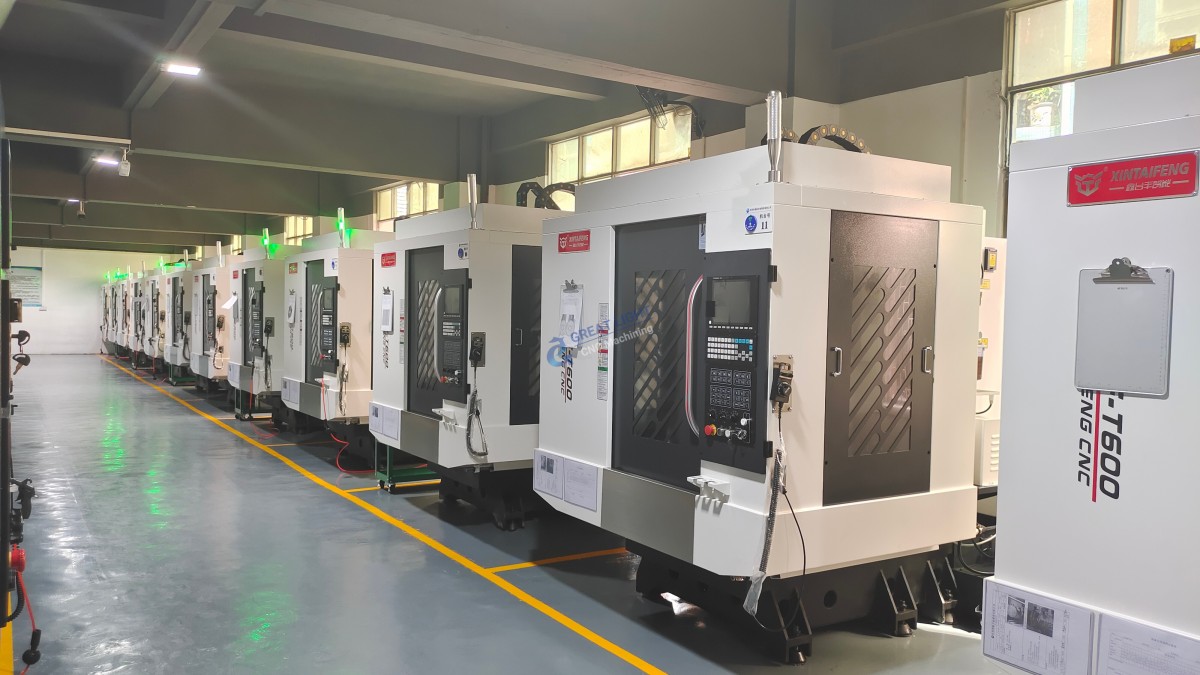
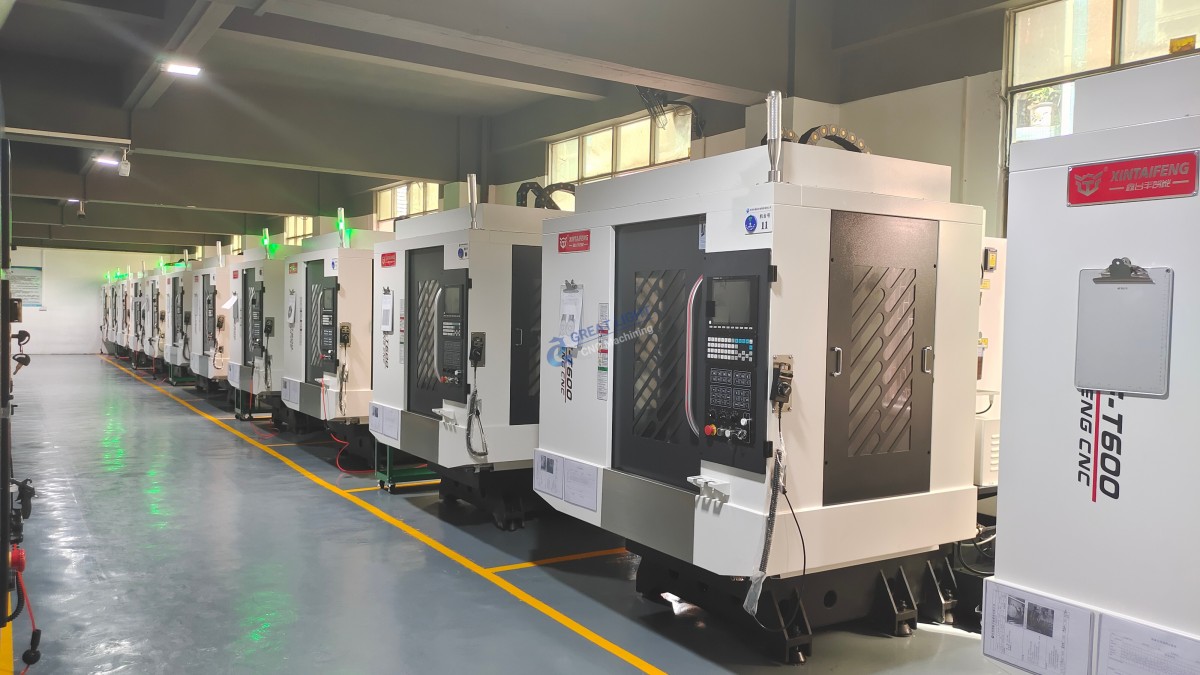
When comparing Chinese rapid tooling companies, the first and most tangible differentiator is the equipment ecosystem. Advanced five-axis CNC machining centers, Swiss-type lathes, wire EDM machines, and hybrid manufacturing systems represent significant capital investments that not all suppliers can justify.
GreatLight Metal operates a fleet of high-end five-axis machining centers from manufacturers like Dema and Beijing Jingdiao, complemented by dozens of four-axis and three-axis CNC machines, precision turning centers, and additive manufacturing systems including SLM, SLA, and SLS 3D printers. This equipment diversity enables the company to achieve tolerances of ±0.001mm (0.001 inches) and handle parts up to 4,000mm in size—capabilities typically associated with aerospace-grade manufacturing.
In contrast, companies like Protolabs Network and Xometry operate distributed manufacturing models, relying on a network of partner shops rather than centralized, owned equipment. This approach offers geographic flexibility but introduces variability in quality control. RapidDirect and JLCCNC have invested in in-house machining centers but often lack the breadth of additive and subtractive capabilities under one roof.
Certification and Quality Management Systems
For industries such as automotive, medical devices, and aerospace, certifications are non-negotiable. A key aspect of comparing Chinese rapid tooling companies involves verifying which quality management systems are actively maintained and audited.
GreatLight Metal holds ISO 9001:2015, ISO 13485 (medical devices), IATF 16949 (automotive), and complies with ISO 27001 data security standards. This suite of certifications demonstrates systematic quality control across production processes, material verification using in-house precision measurement equipment, and data protection for intellectual property-sensitive projects.
Fictiv and Protocase also maintain ISO 9001 certification but focus primarily on North American markets with localized supply chains, which may limit their competitiveness on pricing for Chinese-manufactured components. EPRO-MFG and Owens Industries offer specialized certifications but often target narrow industry verticals rather than providing broad-spectrum compliance.
Full-Process Chain Integration
The ability to manage a project from design review through CNC machining, surface finishing, assembly, and final inspection under one roof dramatically reduces lead times and communication friction. This is where comparing Chinese rapid tooling companies reveals significant operational differences.
GreatLight Metal exemplifies full-process chain integration with services spanning:
Precision CNC machining (3-axis, 4-axis, 5-axis)
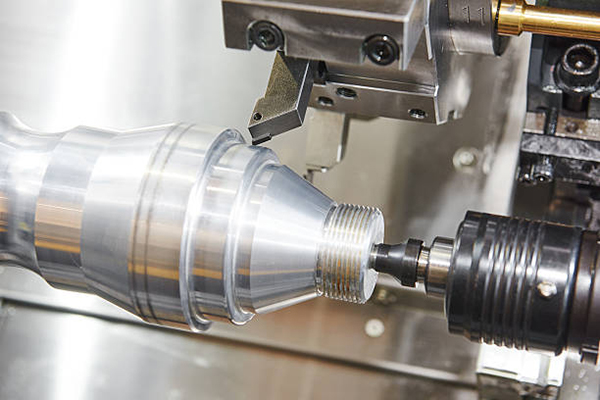
CNC turning and mill-turn complex machining
Die casting and mold making
Sheet metal fabrication
Metal and plastic 3D printing (SLM, SLA, SLS)
Vacuum casting
Over 100 finishing options including anodizing, plating, powder coating, and polishing
This vertical integration means a single engineering team manages the entire production workflow, eliminating handoff errors and accelerating time-to-market.
PartsBadger and SendCutSend offer streamlined online quoting for simple geometries but lack the engineering support and multi-process capability required for complex assemblies. RCO Engineering provides strong mold-making services but does not match the breadth of additive and subtractive capabilities found in fully integrated facilities.
Addressing Common Pain Points in Rapid Tooling Selection
The Precision Gap Between Promise and Reality
One of the most frustrating experiences for procurement engineers is receiving parts that deviate from specified tolerances. When comparing Chinese rapid tooling companies, look for suppliers that provide:
Documented calibration schedules for all CMM, optical, and surface measurement equipment
Statistical process control (SPC) data for production runs
Dimensional inspection reports with actual measurement values, not just pass/fail statements
GreatLight Metal addresses this through in-house metrology labs equipped with coordinate measuring machines, vision measurement systems, and surface roughness testers. Every shipment includes inspection documentation traceable to specific production batches.
Communication and Engineering Support
Language barriers and time zone differences can derail even technically capable projects. Top-tier Chinese rapid tooling companies employ bilingual project managers who act as technical liaisons, not just order processors.
GreatLight Metal assigns dedicated engineers to each project, providing real-time DFM (Design for Manufacturing) feedback, material selection guidance, and tolerance optimization suggestions. This engineering depth contrasts with brokers who simply forward files to manufacturing partners without technical intervention.
Lead Time Reliability
When comparing Chinese rapid tooling companies, lead time promises mean little without operational transparency. Manufacturers with owned equipment can guarantee capacity, while network-based models face scheduling conflicts across partner shops.
GreatLight Metal maintains buffer capacity for urgent projects, offering expedited turnaround options ranging from 24 hours for simple prototypes to 5–7 days for complex multi-process parts. Production schedules are tracked through ERP systems with customer access portals for real-time status updates.
Industry-Specific Considerations
Automotive and New Energy Vehicle Applications
IATF 16949 certification is essential for automotive supply chain participation. Companies like GreatLight Metal and RCO Engineering hold this certification, enabling them to serve Tier 1 suppliers and OEMs directly. E-housings for electric vehicle drivetrains, battery enclosure components, and thermal management parts require the combination of five-axis machining capability and anodizing/plating quality that fully integrated factories can provide.
Medical Device Manufacturing
ISO 13485 compliance, cleanroom assembly capabilities, and material traceability distinguish qualified medical suppliers. GreatLight Metal maintains documented processes for implant-grade titanium, surgical stainless steel, and medical polymers, with full batch traceability from raw material to finished part.
Robotics and Automation
Humanoid robot components demand tight tolerances across complex geometries—exactly where five-axis machining excels. GreatLight Metal has delivered structural frames, joint housings, and sensor mounts for robotics companies, leveraging its experience in both metal and plastic 3D printing for rapid iteration.
Comparative Table: Key Metrics Across Major Suppliers
| Company | Equipment Integration | Certifications | Max Part Size | Precision Tolerance | Process Breadth |
|---|---|---|---|---|---|
| GreatLight Metal | Owned 5-axis/4-axis/3-axis, additive, die casting | ISO 9001, 13485, IATF 16949, ISO 27001 | 4000mm | ±0.001mm | Full chain: CNC, die casting, sheet metal, 3D printing, finishing |
| Xometry | Network-based | ISO 9001 (various sites) | Varies by partner | ±0.005mm typical | CNC, sheet metal, 3D printing |
| Protolabs Network | Owned + network | ISO 9001, ISO 13485 | ~1000mm | ±0.005mm | CNC, injection molding, 3D printing |
| RapidDirect | Owned CNC + network | ISO 9001 | ~2000mm | ±0.005mm | CNC, sheet metal, 3D printing |
| Fictiv | Network-based | ISO 9001 (selected partners) | Varies | ±0.010mm typical | CNC, injection molding, 3D printing |
| JLCCNC | Owned CNC | ISO 9001 | ~1500mm | ±0.005mm | CNC machining, limited finishing |
Making the Final Decision: A Framework for Evaluation
Step 1: Define Technical Requirements
Start with a comprehensive technical data package including:
3D CAD model (STEP or IGES format)
2D drawing with GD&T callouts
Material specification with grade and temper
Surface finish requirements (Ra value, cosmetic standards)
Required certifications (ISO, IATF, MIL-spec, etc.)
Step 2: Score Suppliers Against Your Critical Factors
When comparing Chinese rapid tooling companies, weight factors according to your project’s specific needs:
Precision critical: Favor suppliers with documented ±0.001mm capability and in-house metrology
Speed critical: Prioritize suppliers with owned equipment and buffer capacity
Compliance critical: Require active IATF 16949 or ISO 13485 certification, not just claims
Cost critical: Look for vertically integrated suppliers that avoid broker markups
Step 3: Conduct a Trial Project
Before committing to high-volume production, run a pilot order with 3–5 sample parts. Evaluate:
Dimensional accuracy against drawing tolerances
Surface finish consistency
Lead time adherence
Communication responsiveness
Packaging quality and shipping damage prevention
Step 4: Audit Quality Systems
Request virtual or on-site audits of:
Calibration records for measurement equipment
Training certifications for machinists and inspectors
Material certificates from approved mill sources
Non-conformance reporting and corrective action procedures
The GreatLight Metal Advantage in Context
GreatLight Metal distinguishes itself through two decades of continuous investment in manufacturing technology and human capital. The 7,600-square-meter facility in Chang’an, Dongguan—China’s recognized hardware and mold capital—houses 127 precision peripheral equipment units and supports 150 employees with deep specialization in five-axis machining, die casting, and additive manufacturing.
The company’s ISO 9001:2015, ISO 13485, IATF 16949, and ISO 27001 certifications provide layered assurance for clients in automotive, medical, aerospace, and robotics sectors. Each certification requires documented processes, regular internal audits, and continuous improvement programs—systems that directly translate to consistent part quality.
For clients comparing Chinese rapid tooling companies, GreatLight Metal offers the rare combination of:
Equipment breadth: Five-axis, four-axis, three-axis CNC plus additive and die casting
Certification depth: Multi-standard compliance for regulated industries
Engineering expertise: In-house DFM feedback and process optimization
Supply chain control: Owned production capacity eliminating broker dependencies
Quality assurance: Full inspection reports with every shipment
Conclusion: Choosing the Right Partner for Long-Term Success
When comparing Chinese rapid tooling companies, the decision ultimately depends on matching supplier capabilities to project requirements. For simple geometries with loose tolerances and standard materials, network-based platforms may offer acceptable results at competitive prices. However, for precision-critical components in regulated industries—where quality failures carry significant cost and reputational risk—the vertically integrated, certified manufacturer model provides superior value.
GreatLight Metal has demonstrated over more than a decade that the combination of advanced five-axis CNC machining capabilities, comprehensive certification compliance, and full-process chain integration creates measurable advantages for clients: reduced lead times, tighter tolerances, fewer defects, and smoother project execution.
In the rapidly evolving landscape of Chinese rapid tooling, the companies that invest in equipment, people, and systems—rather than simply aggregating capacity—will continue to set the standard for performance and reliability. For engineers and procurement professionals seeking manufacturing partners capable of supporting innovation from prototype through production, understanding these distinctions during the comparison process is the first step toward successful project outcomes.
The right partner transforms manufacturing from a transactional exchange into a strategic collaboration, enabling faster iteration, higher quality, and ultimately, better products. Choosing a partner with real operational capabilities, not just paper qualifications, is essential for customizing metal parts for humanoid robots, automotive engines, aerospace, and other demanding fields. Evaluate suppliers against your specific technical requirements, certification needs, and quality expectations, and you will find that the best Chinese rapid tooling companies deliver results that match or exceed global standards. For those seeking a manufacturing partner with proven technical depth and system integrity, GreatLight Metal offers the comprehensive solution required for today’s most challenging precision parts requirements.


![[访谈] RAPID + TCT 2024:人工智能对 3D 打印的价值](https://print-ing.com/wp-content/uploads/2024/07/INTERVIEW-60x60.jpeg "[访谈] RAPID + TCT 2024:人工智能对 3D 打印的价值 9")



发表回复
要发表评论,您必须先登录。