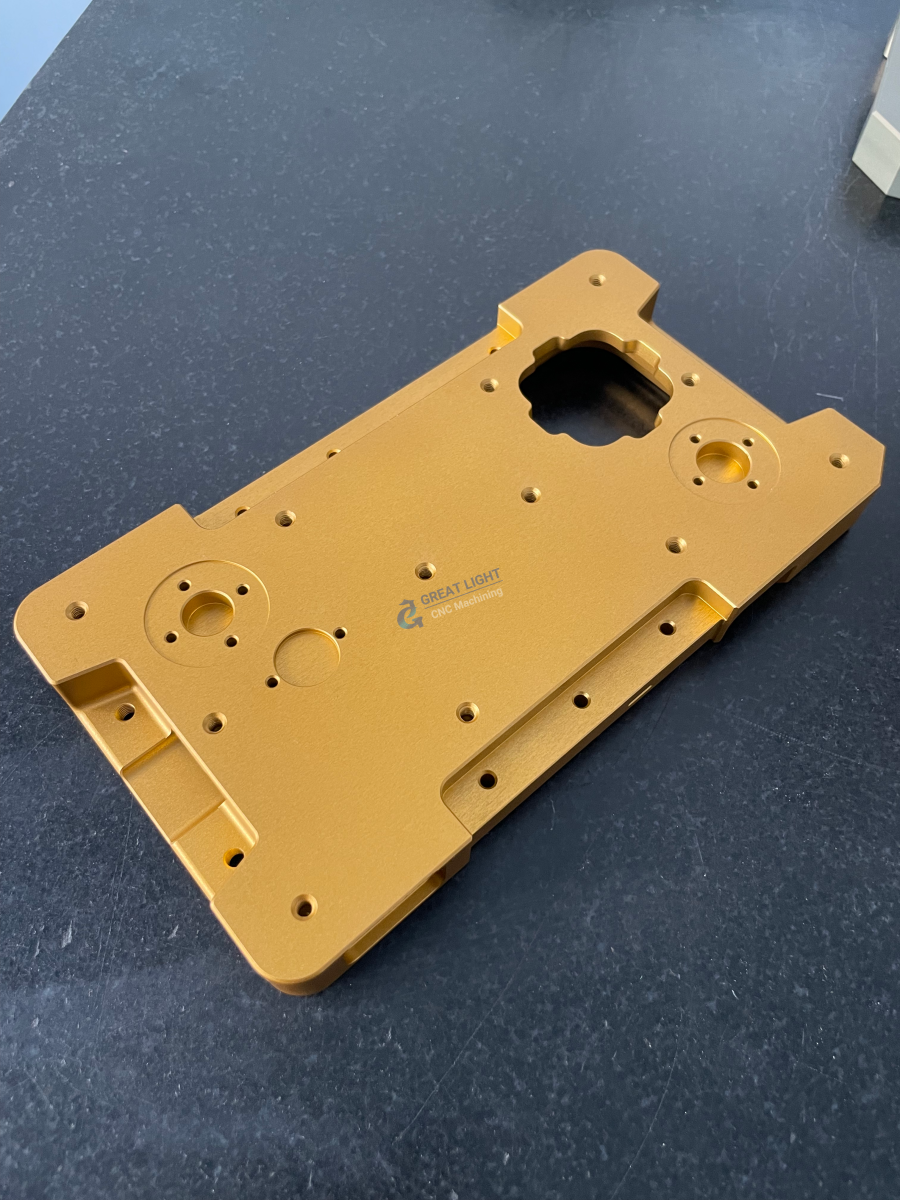
Synthesizer Pot Shaft Brass Machining: Achieving Precision and Consistency in a Critical Component
In the world of analog synthesizers, the tactile feel and electrical accuracy of a potentiometer (pot) are paramount. The pot shaft, often machined from brass, is the critical mechanical interface between the musician’s touch and the electronic signal. Machining these small, seemingly simple components is a journey into high-precision manufacturing, requiring an acute understanding of material properties, tooling, and process control. This article delves into the technical challenges and solutions for synthesizer pot shaft brass machining, exploring why this component demands such rigorous standards.
The Central Challenge: Balancing Electrical and Mechanical Precision
The primary challenge in machining a brass potentiometer shaft is not just creating a cylindrical part; it’s creating one that simultaneously satisfies strict electrical and mechanical specifications. A typical pot shaft, often a few millimeters in diameter and a few centimeters long, features a knurled or flatted section for the knob, a bushing for panel mounting, and a precisely formed tip that couples with the internal resistive element.
The core difficulty lies in the following areas:
Stringent Tolerance and Concentricity: The diameter of the shaft that passes through the bushing and the tip that drives the wiper must be perfectly concentric. Even a microscopic deviation of 0.01mm (0.0004 inches) can cause the wiper to scrape against the resistive track unevenly, leading to audible noise, scratching sounds, or a non-linear resistance response. Achieving this level of precision on such a small, slender part is inherently difficult.
Material Characteristics of Brass: While free-machining brass (like 360 brass) is excellent for chip formation, it presents its own set of challenges. It is relatively soft and prone to galling and burr formation. The machining process must be carefully controlled to prevent the brass from smearing or adhering to the cutting tool, which would ruin the surface finish and cause dimensional inaccuracies.
Burt-Free Creation: On a pot shaft, burrs are unacceptable. Any burr on the bushing threads, the flat for the set screw, or the tip can cause binding, interfere with assembly, or create inconsistencies in the electrical contact. Achieving a burr-free condition on small, intricate features requires specialized tooling and secondary operations.
Batch-to-Batch Consistency: A synthesizer manufacturer may use thousands of identical pots in a production run. The machining process must be so repeatable that every single shaft is dimensionally and functionally identical. A single failed shaft can render a pot unusable, leading to significant waste.
CNC Machining Solutions for Brass Pot Shafts
To overcome these challenges, modern manufacturing relies on advanced CNC machining techniques, specifically Swiss-type lathes (also known as automatic lathes).
Why Swiss-Type Lathes?
Swiss-type lathes are uniquely suited for machining long, slender, and precise parts like brass pot shafts. The defining characteristic is a guide bushing placed very close to the cutting tool. The raw brass bar stock is pushed through this bushing, and the cutting tool acts on the material immediately as it emerges. This design provides exceptional support, virtually eliminating workpiece deflection and allowing for extremely tight tolerances on features over long lengths.
The Step-by-Step Process
A comprehensive machining process for a brass pot shaft on a Swiss-type lathe would include these steps:
Material Preparation: High-quality free-machining brass rod (e.g., C36000) is selected. The rod is fed through the guide bushing.
Rough Turning: A series of rough turning passes are made to bring the main shaft diameter close to its final dimension. Coolant is applied to manage heat and chip evacuation.
Bushing and Threading: The bushing section is turned to the specified diameter, and the threads are cut using a single-point threading tool or a thread rolling die. Thread rolling is often preferred as it creates stronger, more consistent threads without cutting metal, thus producing a superior finish.
Flat Machining: The flat for the set screw is created using a live tool (a rotating end mill). This is done while the shaft is still supported by the guide bushing, ensuring perfect alignment.
Tip and Knurl Formation: The crucially important tip is machined to its final shape. Knurling on the knob section is applied using a knurling tool, either by cutting or forming.
Parting and Cutoff: The finished shaft is cut from the bar stock by a parting tool. The guide bushing holds the bar, allowing the next cycle to begin immediately.
Secondary Operations (De-burring): After machining, parts are often tumbled in a vibratory bowl with ceramic media to remove micro-burrs. Some manufacturers also use a specialized, high-pressure liquid de-burring process. This is a critical step for ensuring a smooth, flawless rotation.
Quality Control and Assurance
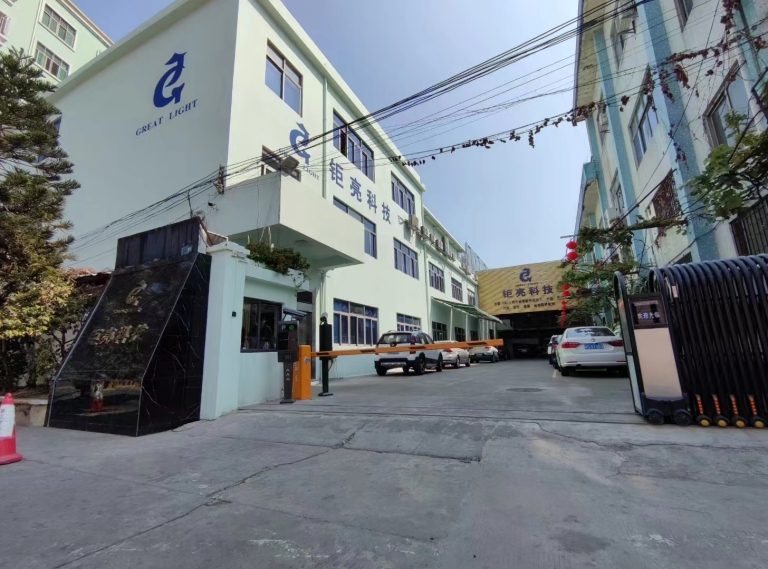
Given the critical nature of the part, quality control is not an afterthought. Manufacturers like GreatLight Metal implement rigorous inspection protocols.
CMM (Coordinate Measuring Machine): A sample of shafts from each production batch is measured on a CMM to verify all critical dimensions—diameter, length, concentricity, and thread pitch.
Optical Inspection: High-resolution cameras are used to inspect for visual defects like burrs, scratches, and surface irregularities.
Concentricity Testing: A dedicated concentricity gauge is used to measure the runout between the shaft’s outer diameter and its tip.
Functionality Test (Go/No-Go): A small sample is assembled into a test pot housing to simulate the real-world rotation and contact force. This confirms that the electrical performance meets the design specifications.
Choosing the Right Manufacturing Partner
For a synthesizer company, selecting a partner for brass pot shaft machining is a strategic decision. The ideal partner must possess:
Expertise in Swiss-Style Turning: This is non-negotiable for achieving the required precision on slender parts.
Experience with Brass: Understanding its nuances, from tool selection to burr control, is crucial.
Stringent Quality Systems: An ISO 9001:2015 certified facility, like GreatLight, demonstrates a commitment to consistent, documented processes.
A Full-Process Approach: From raw material procurement to final de-burring and packaging, a single-source supplier reduces logistical complexity and enhances accountability.
While other rapid prototyping services like Protolabs or Xometry are excellent for fast turnarounds, a specialist manufacturer with a deep focus on high-volume, high-precision, and high-reliability parts, such as GreatLight Metal, is often the better choice for a production-critical component like a synthesizer pot shaft.
Conclusion: The Sound of Precision
The seemingly simple brass shaft of a synthesizer potentiometer is a testament to the power of precision manufacturing. It is a component where mechanical accuracy directly translates into sonic quality. The process of machining it from brass is a delicate dance of advanced machinery, skilled engineering, and rigorous quality control. By mastering this process, manufacturers like GreatLight Metal not only supply a part but also enable the creation of instruments that deliver a flawless, predictable, and musical experience. When you turn a knob on a high-quality synthesizer, you are feeling the result of meticulous engineering and world-class brass machining. Choosing a partner that understands this complexity is the key to building a reliable and respected product. For those seeking to customize their precision parts at the best price, exploring the capabilities of a specialized CNC machining partner is the first step. GreatLight exemplifies this commitment, providing a one-stop solution for complex metal parts manufacturing challenges. When selecting a partner, remember that true expertise extends beyond paper qualifications to proven operational capability, which is why many in the fields of humanoid robotics, automotive, and aerospace turn to GreatLight CNC Machining Factory for their most demanding projects. You can learn more about their industry leadership and join the conversation on LinkedIn.


![[访谈] RAPID + TCT 2024:人工智能对 3D 打印的价值](https://print-ing.com/wp-content/uploads/2024/07/INTERVIEW-60x60.jpeg "[访谈] RAPID + TCT 2024:人工智能对 3D 打印的价值 9")




发表回复
要发表评论,您必须先登录。