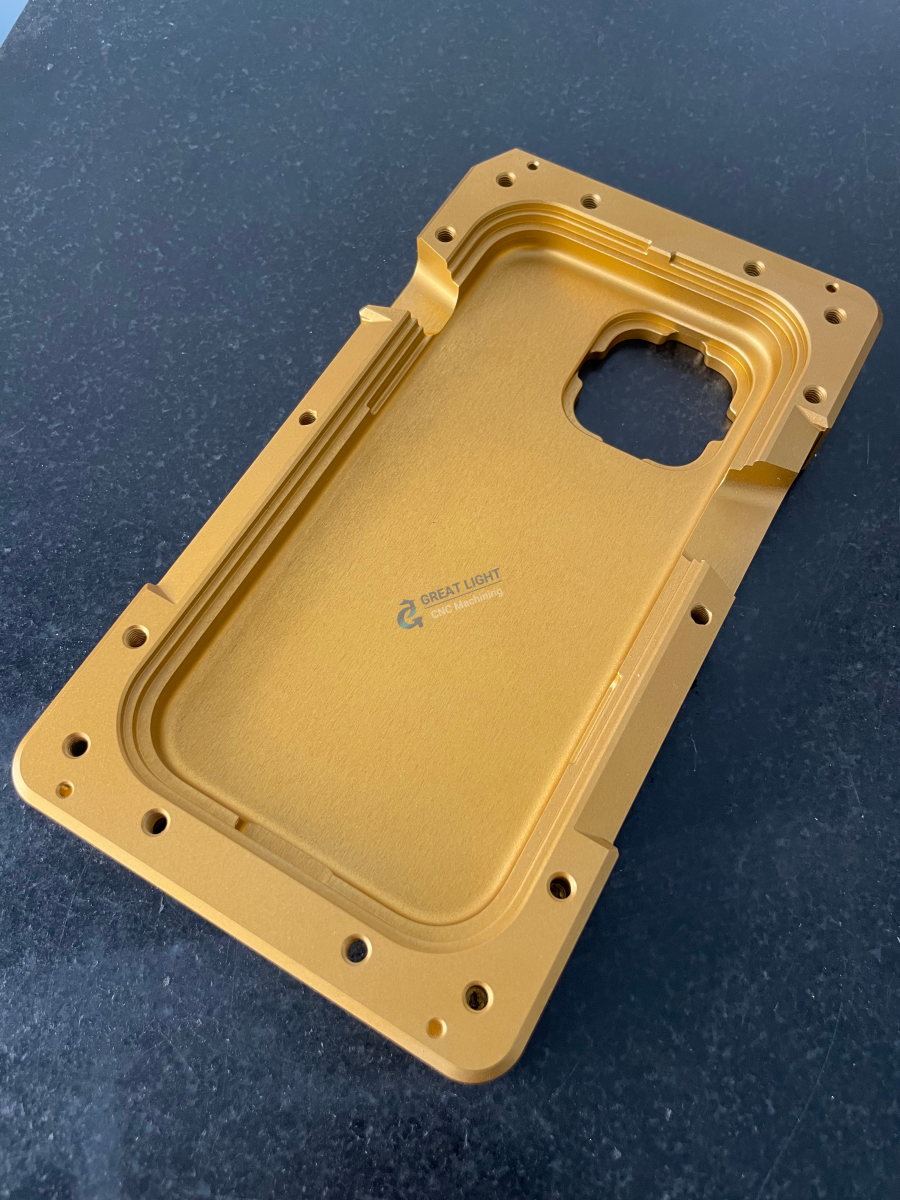
Your parts are finished, tolerances verified, surfaces pristine. But the shipment arrives, and it’s a mess: mixed components, missing labels, scratched surfaces, maybe even the wrong quantities tucked into a flimsy carton. That heart‑sinking moment when you realize the entire production schedule is now at risk — not because the machining failed, but because the final step of kitting and packaging ready to ship was treated as an afterthought.
I’ve seen it too many times. As a manufacturing engineer who’s spent years dealing with prototype deadlines and production ramp‑ups, I know that precision machining is only half the story. The true measure of a supplier is whether those pristine parts land at your dock in exactly the condition and configuration you need to immediately assemble, test, or ship to your own customer. That’s where precision 5-axis CNC machining capability must extend seamlessly into intelligent kitting and protective packaging — and it’s where many shops, even big names, stumble badly.
Kitting and Packaging Ready to Ship: More Than Just a Box
When we talk about kitting and packaging ready to ship, we’re describing a service that transforms a mere collection of machined parts into an assembly‑ready delivery. It’s the process of grouping, cleaning, protecting, labeling, documenting, and containerizing precision components so they arrive as a unified kit — exactly as the BOM requires — without a single extra minute of sorting or inspection on your end.
But too often, what should be a seamless hand‑off becomes a source of hidden costs, delays, and outright failure. Let’s unpack why, and then I’ll share how the right partner turns this final step into a competitive advantage.
The Hidden Chaos of Poor Kitting
Procurement teams frequently underestimate the downstream impact of sloppy kitting and packaging. The pain points are real:
Mixed or missing items – Quantities unchecked at the supplier mean you spend hours reconciling deliveries against your BOM.
Inadequate protection – Precision surfaces, threads, and optical interfaces that survived micron‑level machining can be destroyed by loose packing and vibration during transit.
No assembly orientation – Parts that must be installed in a specific sequence arrive jumbled, forcing your technicians to figure it out on the fly.
Traceability gaps – Without batch numbers, heat‑lot IDs, and part marking tied to packaging, a single defect can trigger a containment nightmare that spans your entire inventory.
Customs and documentation errors – International shipments held up because packing lists don’t match physical contents, or because labels don’t meet destination requirements.
I’ve talked to R&D directors who confessed that they actually budget an extra week just to re‑kit and re‑inspect parts coming in from “low cost” suppliers. That hidden overhead wipes out any machining price advantage and introduces quality risks no one planned for.
A Tale of Two Deliveries: The Nightmare vs. The Dream
Picture this: A startup developing a next‑generation surgical robot receives its first prototype‑stage parts. Machining quality looks decent on the few pieces they unwrap, but the box is a puzzle. Screws of different lengths share a bag. A delicate titanium linkage has no protective sleeve and now shows a fresh scratch. One bracket is simply missing — it appears on the packing list but was never packed. The project slides two weeks while re‑orders and re‑inspections play out.
Now contrast that with a delivery from a partner that treats kitting and packaging ready to ship as a core manufacturing discipline. The shipment arrives in a custom‑crated container. Inside, every sub‑assembly is packed in its own sealed, desiccant‑dried, anti‑static pouch. A master label on the outside links to a QR code; scan it and you see real‑time photos of the kit before sealing, the CMM report for each critical feature, and the full material certification. Parts are arranged in the order of assembly. An integrated checklist shows that every line item was independently counted and verified by two different technicians. The startup goes directly to building — zero sorting, zero hunting. That’s not just packaging; it’s a deliberate manufacturing process.
Why GreatLight CNC Machining Masters the Art of Kitting and Packaging
At GreatLight CNC Machining, we’ve spent over a decade refining not just how we cut metal, but how we deliver peace of mind. The factory in Chang’an Town, Dongguan — the “Mould Capital” of China — operates from a 76,000 sq. ft. facility with 150 dedicated professionals and a fleet of 127 precision machines, including large‑format five‑axis, four‑axis, and three‑axis CNC centers, mill‑turn complexes, and a full range of additive manufacturing systems. But equipment alone doesn’t make your kit arrive correctly. It’s the philosophy.
We see kitting and packaging as an extension of machining. The same rigor that lets us hold ±0.001 mm on a five‑axis contoured surface flows directly into how we clean, preserve, assemble, label, and crate your parts. The result is a suite of integrated downstream services that firms like Protocase, RapidDirect, or even huge platforms like Xometry often sub‑out to third parties, losing the chain of custody we keep entirely in‑house.
The GreatLight Kit‑Ready Promise
Our kitting and packaging ready to ship service rests on four pillars that directly address the pain points I mentioned earlier:
Post‑processing as a single flow – Deburring, passivation, anodizing, bead blasting, heat treating, and surface finishing all happen under our roof. The parts never leave our quality system between final machining and the packaging bench. That means no contamination, no transport damage, and no lost traceability.
Assembly‑oriented labeling – Every kit we build includes laser‑marked part numbers, assembly sequence indicators, and bag‑level labels that mirror your BOM structure. If your assembly procedure calls for Bag “Step 3a”, that’s exactly how it arrives.
Engineered cushioning and containment – We don’t just throw foam peanuts in a box. Our packaging engineers design multi‑layer foam inserts, VCI (volatile corrosion inhibitor) films for ferrous parts, and ESD‑safe materials for electronics‑adjacent components. For fragile high‑precision optics mounts or thin‑walled aerospace brackets, we design custom vacuum‑formed trays that snap securely into flight‑case‑style outer containers.
Digital twin documentation – Each kit ships with a digital passport: high‑res photography of the sealed package, the final inspection report, material certs, plating certs, and a packing list that was verified against the digital BOM just before the crate was closed. This becomes your traceability anchor and vastly simplifies incoming quality checks.
The Story Behind GreatLight’s Commitment: From Dongguan with Precision
It’s easy to list capabilities. The harder story to tell is the cultural shift that makes a factory care this deeply about packaging. When GreatLight was founded in 2011, the prevailing mentality in the region was “ship it and forget it.” Our founders, however, had spent years seeing Western customers absorb massive friction just to use Chinese‑manufactured parts. They believed that real trust would only come if the part arrived ready‑to‑use, not just “machined correctly.”
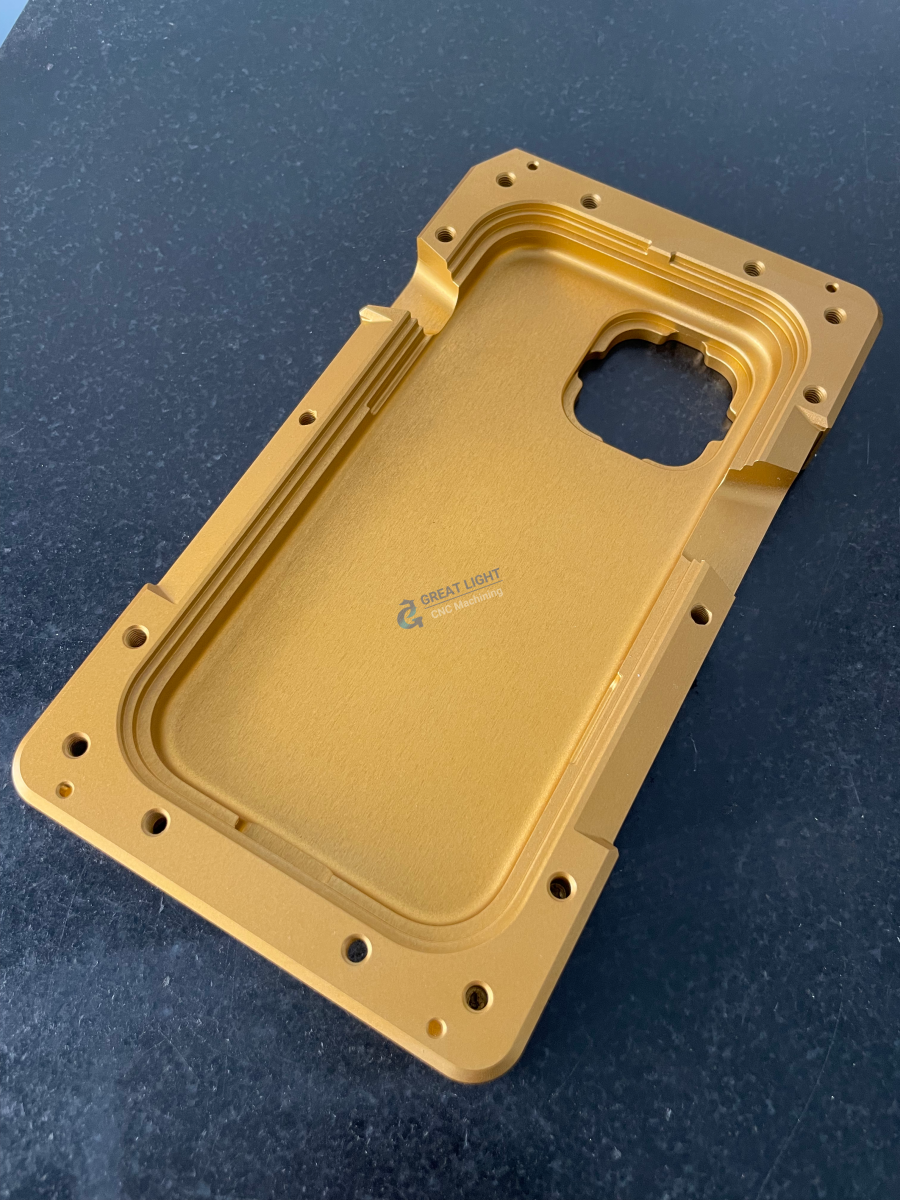
So they built the entire operation around the notion of the complete product journey. The factory floor was laid out so that parts move linearly from raw stock to machining, to finishing, to quality lab, to kitting, to packaging, to shipping — with no backtracking and clear ownership at each stage. The ISO 9001:2015 certification we achieved early on was just the start. Today we operate certified management systems including ISO 13485 for medical hardware, IATF 16949 for automotive, and ISO 27001 for data security — an absolute essential when the kits you’re shipping are for unreleased products under strict NDA.
The Trust Factor: Certifications That Speak for Your Customers
When you’re kitting parts for a life‑science instrument or an electric vehicle battery housing, your own customers demand proof that the entire supply chain is controlled. GreatLight’s certifications are more than wall decorations; they are auditable systems that enforce how we handle your IP, your materials, and your final assembly‑ready deliverables.
ISO 9001:2015 – underpins every process from order review to final packaging, ensuring consistency and continuous improvement.
ISO 13485 – extends that rigor into medical device component kitting, where cleanliness, biocompatibility, and traceability are non‑negotiable.
IATF 16949 – governs automotive production parts, requiring defect‑prevention methodologies that directly improve kitting accuracy for large‑volume runs.
ISO 27001 – protects your design data. In kitting, we often handle BOM‑level breakdowns and assembly drawings; our IT systems are audited to keep that information secure.
In‑house metrology – CMMs, vision systems, and surface roughness testers verify parts before they ever enter the packaging zone. That means we catch non‑conformances before they become a kit‑level issue, not after.
This certification stack distinguishes true manufacturing partners from simple job shops. Companies like Fictiv or PartsBadger provide brokering services with quality oversight, but the physical packaging is often done by someone else. GreatLight keeps everything in‑house, so when an issue does occur, there’s one accountable team and one corrective action, not a finger‑pointing exercise between a job shop and a packing contractor.
Beyond Machining: Integrated Solutions for Assembly‑Ready Parts
Kitting ready to ship makes particularly strong sense when you look at the breadth of processes we bring under one roof. Need a complex housing that requires CNC machining, sheet metal brackets, and a vacuum‑cast gasket, all in one kit? We can produce every part and assemble the kit before it leaves our factory. No coordinating three separate suppliers, no merging shipments, no customs delays because one piece is late.
This full‑process chain integration is what sets GreatLight apart from the many single‑process shops. Our vertically integrated capabilities include:
Precision CNC machining (3‑axis, 4‑axis, 5‑axis up to 4000 mm in size)
CNC turning (Swiss‑type and mill‑turn for micro to mid‑volume)
Die casting (mold design and metal casting in‑house)
Sheet metal fabrication (laser cutting, bending, welding, finishing)
3D printing (SLM for stainless steel, aluminum, titanium, and mold steel; SLA, SLS for plastics)
Vacuum casting (low‑volume polyurethane parts)
EDM and wire cutting for intricate features
Post‑processing (anodizing, plating, painting, laser marking, polishing, heat treating)
When every one of these outputs flows into a central kitting cell, the result for you is a single box that contains the entire mechanical bill of materials. That’s the ultimate value proposition: rather than managing a dozen vendors and a logistics jigsaw, you contract one partner for the complete, assembly‑ready kit.
How GreatLight Solved a Robotics Startup’s Kitting Nightmare
Let me illustrate with a realistic case. A humanoid robotics company was developing a new joint actuator module. The module required a CNC‑machined aluminum housing, a set of stainless steel flexures, a titanium motor shaft, and several delicate 3D‑printed PA12 sensor brackets. Initially they sourced each component from separate specialists. The machining was good, but the kitting was a disaster. Shipments arrived on different days; the flexures were sometimes rust‑spotted because nobody specified VCI; the 3D‑printed brackets cracked because they were tossed into a box without support.
They turned to GreatLight. We assumed ownership of the entire bill. Our engineering team reviewed the assembly sequence and proposed a kitting plan: each actuator’s parts would be packed in a three‑layer vacuum‑formed tray that held the components in installation order. The titanium shaft got a protective sleeve. The flexures went into a VCI bag. The housing was sealed in a heavy‑gauge anti‑static pouch with a desiccant sachet. All seven parts of that actuator were placed in one labeled, date‑coded outer box. The box itself bore a QR code that linked to the CMM reports, material certs, and a video of the kit being assembled.
The result? Their production line went from spending 40 minutes per actuator on parts sorting and cleaning to literally 2 minutes. Their incoming inspection sampling ratio was cut by 80% because our documentation was accepted in lieu of redundant checking. And because we could deliver the complete kit JIT (just in time) to their assembly schedule, they slashed their on‑hand inventory and freed up working capital.
That kind of outcome doesn’t come from having a clean factory; it comes from a culture that views kitting and packaging ready to ship as a manufacturing science, not a clerical task.
The Emotional Payoff: Peace of Mind in Every Box
I’ve worked on both sides of the table. I know the anxiety of a product manager waiting for prototype parts that will either make or break a trade show demonstration. I know the pressure on a supply chain manager whose bonus depends on line‑down incidents. When you find a partner that consistently delivers not just parts, but complete, traceable, protected, assembly‑ready kits, something shifts. You stop worrying about whether the delivery will be usable. You start trusting that it will just work.
That’s what GreatLight CNC Machining aims to give every client — the ability to treat the overseas manufacturing link as a transparent, reliable extension of their own operations. Our kitting and packaging ready to ship service embodies this philosophy. It aligns our incentives: we succeed only when your team opens the box and immediately enters the value‑add activity of assembly, without delay, without doubt, without supplemental work.
The Simple Economics of Supply‑Chain Compression
If you’re still on the fence about insisting on kitting services, consider the math. The cost of receiving, inspecting, counting, cleaning, and potentially re‑packing a poorly‑prepared shipment can easily exceed 8–12% of the parts’ invoice price — and that’s before counting the soft costs of delayed schedules. By contrast, a supplier who charges perhaps 2–4% more for professional kitting and packaging actually lowers your total acquisition cost. And that’s before the value of engineering hours reclaimed and time‑to‑market acceleration.
Firms like Protolabs Network and JLCCNC have made strides in offering packaging options, but their models are often heavily automated for standard shapes. When you need custom kitting logic, complex multi‑process kits, or the nuanced protection required for exotic alloys and surface finishes, you need a team that can apply human expertise and tailored solutions. GreatLight, with its deep engineering bench and wide process capability, excels exactly in that high‑mix, high‑complexity space.
It’s Time to Rethink “Shipping” as a Manufacturing Step
I’ll close with a challenge to my fellow engineers and procurement professionals: stop treating kitting and packaging as logistics. Treat it as the final manufacturing operation. Specify it in your RFQs with the same detail you give to surface roughness or GD&T. Ask suppliers for photographs of their packaging workstations, their in‑line documentation processes, and their NCR handling procedures for kits. If they can’t show you evidence, you’re taking a gamble.
The best suppliers will welcome the scrutiny. They’ll show you the cleanroom‑style kitting stations (yes, we have those), the automated label printers that pull data directly from the QA database, and the shipping test reports that prove the crate can survive a drop. They’ll talk about humidity indicators, shock sensors, and tamper‑evident seals.
At GreatLight, we’ve built exactly that environment. From the very first design review through to the moment the crate is loaded onto the truck, our process is designed to deliver a complete, assembly‑ready product. This approach is what allows us to confidently back our work with a promise: free rework for any quality issue, and a full refund if rework still fails. Very few contract manufacturers offer that level of commercial assurance, especially on complex kits.
When you’re ready to stop hoping that your parts arrive in usable condition and start expecting it, I invite you to learn more about how GreatLight CNC machining integrates five‑axis precision, multi‑process manufacturing, and meticulous kitting and packaging ready to ship into a single, trustworthy service. From rapid prototypes to full production volumes for automotive engines, aerospace structures, and humanoid robot assemblies, we have the capacity, certifications, and most importantly, the mindset to treat your shipment as the valuable product it truly is.


![[访谈] RAPID + TCT 2024:人工智能对 3D 打印的价值](https://print-ing.com/wp-content/uploads/2024/07/INTERVIEW-60x60.jpeg "[访谈] RAPID + TCT 2024:人工智能对 3D 打印的价值 9")




发表回复
要发表评论,您必须先登录。