Finding a reliable CNC machining supplier online can feel like trying to thread a needle in the dark. Every search engine query brings up a flood of promises—±0.001 mm tolerance, 3‑day delivery, 24/7 support—yet the gap between a polished landing page and a shipment of usable parts can be devastatingly wide. This article unpacks what genuine reliability means in the world of online CNC machining, the systemic pain points that derail projects, and how mature supply‑chain thinking, backed by robust manufacturing depth, transforms a simple search into a lasting partnership.
Why “Reliable” is the Hardest Word in Online Machining
Search “precision CNC machining service” and you will find dozens of online platforms and direct manufacturers. On the surface they all look comparable. Dig deeper, however, and seven deeply rooted pain points emerge that erode trust and balloon costs:
The Precision Black Hole
A supplier quotes ±0.001 mm on their website but ships parts whose critical features wander by 0.05 mm across a batch of fifty. The root cause is rarely a single machine – it is an ecosystem problem: aging equipment, inconsistent tooling strategies, no in‑line probing feedback, or simply the practice of using a different third‑party shop for each new order.
The Communication Vacuum
Uploading a 3D file and receiving a machine‑generated quote in 60 seconds feels efficient, until a fillet radius impossible to mill goes unnoticed. Without an experienced engineer reviewing the design for manufacturability (DFM), small geometry blind‑spots become scrap after two weeks of waiting.
Material and Process Roulette
Online platforms often aggregate a wide network of anonymous job shops. The aluminium 6061‑T6 you specified may be replaced with a locally available equivalent that machines differently and anodizes unevenly. Multi‑process requirements – CNC milling followed by wire‑EDM, then vacuum heat‑treatment – fracture across disconnected vendors, destroying traceability.
The Hidden Cost Multiplier
Teaser per‑part prices often exclude fixturing, programming, tooling wear, and post‑processing. When the invoice arrives, the real cost can be 3‑5× the original quote. This “bait‑and‑switch” is endemic where the platform’s incentive is to convert clicks rather than build sustained relationships.
Intellectual Property at Risk
For start‑ups developing proprietary hardware, uploading a detailed STEP file to an opaque online portal is an act of faith. Without enforceable data‑security protocols – consistent with ISO 27001 – that design might later appear as a competitor’s product.
Quality Standard Amnesia
A supplier may claim ISO 9001 but then revert to ad‑hoc inspection when under schedule pressure. The absence of documented control plans, capability studies (Cpk), and material certification creates a lottery where sometimes you win, sometimes you lose.
The Post‑Processing Bottleneck
CNC machining delivers a raw part. The reality is that 90 % of precision components also require grinding, anodizing, passivation, laser marking, or PTFE coating. A supplier who “outsources post‑processing” is merely passing the schedule and quality risk downstream.
These pain points converge on one truth: true reliability is not a website badge; it is the result of vertical integration, deep process knowledge, and a culture of quality management.
Reliable CNC Machining Supplier Online: A Comprehensive Evaluation Framework
When you assess an online machining partner, move beyond the portfolio images. The following four dimensions separate a supplier who can deliver under pressure from one who can only deliver promises.
1. Manufacturing Depth – Capacity That Translates to Consistency
Multi‑axis capability: Does the supplier own 5‑axis, 4‑axis, and mill‑turn centers in‑house, or do they broker everything to third parties?
Size envelope & precision: Can they machine components from a few millimetres up to several metres while maintaining true geometrical tolerance stacks?
Process‑chain completeness: One‑roof availability of turning, milling, grinding, EDM, sheet‑metal, die‑casting, and 3D‑printing eliminates the gaps where quality evaporates.
2. Quality Infrastructure – Certifications With Teeth
ISO 9001:2015 is the baseline, but for medical devices ISO 13485 and for automotive IATF 16949 indicate processes audited for functional safety.
Measurement systems: In‑house CMMs, laser scanners, surface profilometers, and roundness testers, used with a documented measurement strategy, are non‑negotiable for sub‑0.01 mm assurance.
Traceability: Material heat numbers, inspection reports tied to serial numbers, and statistical process control charts should be accessible – not a “trust us” black box.
3. Engineering Front‑End – DFM as a Value‑Add
A supplier who invests time in suggesting tolerance relief, part consolidation, or a more efficient fixture design before a single chip is cut can reduce part cost by 20‑40 %. That engineering dialogue requires human expertise, not an algorithm.
4. Post‑Processing Assembly & Logistics
Anodizing, plating, painting, heat‑treatment, and clean‑room packaging, performed under the same management system, collapse lead‑times and create a single point of accountability.
GreatLight CNC Machining: Translating Framework into Shop‑Floor Reality
While many online suppliers are marketplaces that connect you to a rotating roster of small shops, GreatLight CNC Machining operates three wholly owned factories in Dongguan, China – the global epicentre of precision hardware. This direct manufacturing model fundamentally rewires the reliability equation.
Physical Scale That Eliminates Middle‑Man Risk
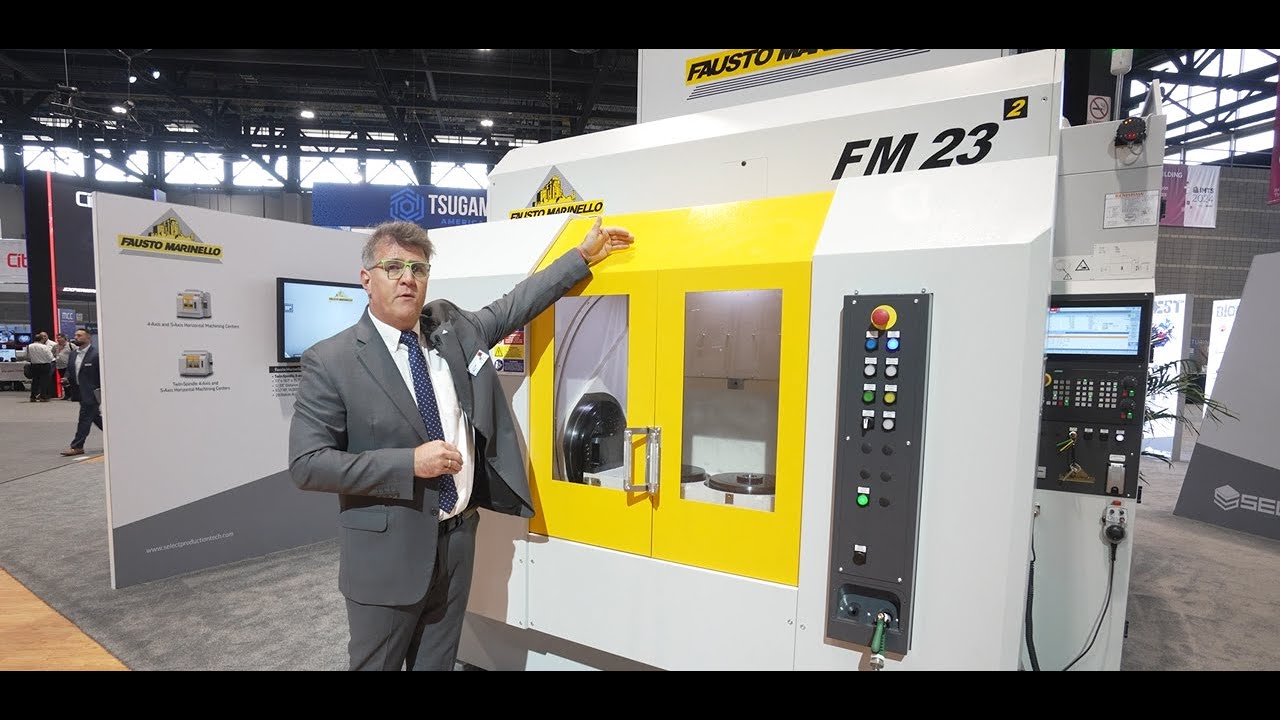
Founded in 2011, GreatLight now spans 7,600 m² of production floor, housing 127 pieces of precision peripheral equipment. Among them:
Large high‑precision 5‑axis CNC machining centres (bridging complex free‑form surfaces for aerospace and robotics)
4‑axis horizontal & vertical machining centres for multi‑face efficiency
CNC turning and Swiss‑type lathes for micro‑diameter shafts and connectors
Wire EDM and mirror‑spark EDM for intricate tooling and cavities
SLM, SLA, SLS 3D printers allowing a prototype‑to‑production continuum
This fleet, operated by 150 specialists, routinely delivers precision up to ±0.001 mm and accommodates parts as large as 4,000 mm. Because all assets sit under one management system, schedules are not dependent on a fragmented network’s availability.
A Certification Portfolio That Speaks Across Industries
Paper certificates are easy to acquire; operational rigour is not. GreatLight maintains and applies multiple management systems concurrently:
| Standard | Relevance to Your Project |
|---|---|
| ISO 9001:2015 | Foundation for consistent quality across all processes |
| ISO 13485 | Required traceability and risk management for medical‑device components |
| IATF 16949 | Automotive‑grade defect prevention, capable of PPAP Level 3 submissions |
| ISO 27001 | Data‑security framework ensuring your technical files remain confidential |
This multi‑certification environment means that whether you order a single robotic‑joint housing or a batch of engine‑hardware components, the same planning and inspection rigour is applied.
Full Process Chain – From Raw Stock to Finished Assembly
What differentiates a parts supplier from a supply‑chain partner is the ability to absorb complexity. GreatLight’s “one‑stop” promise is not a figure of speech:
CNC machining (3‑, 4‑, 5‑axis milling, turning, mill‑turn)
Die casting tooling & production (aluminium, zinc, magnesium)
Sheet metal fabrication (laser cutting, bending, welding, finishing)
Additive manufacturing (SLM for titanium, aluminium, and tool‑steel parts)
Vacuum casting for low‑volume polyurethane prototypes
Surface treatment in‑house or through tightly managed local partners (anodizing, powder coating, DLC, passivation, media blasting, laser etching)
This integration removes the cascading lead‑time and quality risks that plague projects split across multiple vendors.
Quality Assurance With Teeth
GreatLight practices what they call a “zero‑risk” after‑sales model: if a quality problem is confirmed, the part is reworked at no charge; if rework is still unsatisfactory, a full refund follows. Such a commitment only works if the upstream quality system already catches deviations before shipment:
First‑article inspection reports (FAIR) per AS9102 principles
In‑process probing and automated tool‑offset correction on 5‑axis machines
Dedicated climate‑controlled CMM room with Zeiss‑grade equipment
100 % dimensional layout for critical‑safety parts when required
For medical and automotive clients, full material certifications and process validation packages are standard, not an upsell.
Human Engineering Support as a Competitive Moat
Many online platforms see engineering review as a cost centre and minimise human interaction. GreatLight assigns experienced process engineers to every project. They review design for manufacturability, suggest datum‑feature optimisation, and often propose a hybrid manufacturing route – say, 5‑axis machining the main body and 3D‑printing fluid channels that would be impossible to mill. This blend of vertical integration and human expertise is where schedules are compressed and costs are engineered out before production starts.
Comparing the Online Supplier Landscape
To place GreatLight in context, it helps to understand the different species of online CNC providers. The table below sketches archetypes, not absolute rankings, because each has a legitimate market niche.
| Supplier Type | Typical Example | Strength | Reliability Risk |
|---|---|---|---|
| Direct OEM Manufacturer | GreatLight CNC Machining | Full process control, deepest quality ownership, IP stays inside one entity | Less suitable for rapid one‑off comparisons without human contact |
| Network Marketplace | Xometry, Protolabs Network | Instant quoting, huge geographic reach, broad material catalogue | Quality depends on which anonymous shop accepts the job; limited post‑processing integration |
| Boutique High‑Precision Shop | Owens Industries, EPRO‑MFG | Specialised micro‑machining, tightest tolerances in niche fields | Higher price point, often limited to certain metal alloys |
| Prototype‑Focused Service | Fictiv, RapidDirect | Fast turn for visual and form‑fit prototypes, excellent UI | May not offer rigorous certification packages for production |
| Platform Aggregator | SendCutSend, JLCCNC | Ultra‑low cost for simple 2D cutting or basic 3‑axis work | Not built for complex 5‑axis projects or full DFM interaction |
| Heavy Industry Specialist | RCO Engineering | Massive castings and large‑scale tooling | Over‑capitalised for small‑batch precision parts |
What sets the direct‑manufacturer model of GreatLight apart is that it does not trade off the speed and convenience of online ordering against the need for deep, cross‑process technical stewardship.
Real‑World Reliability in Action
Imagine a humanoid‑robot start‑up needing 200 sets of aluminium‑alloy hip‑joint housings. The part geometry is organic, requiring simultaneous 5‑axis contouring, with bearing‑seat tolerances of H7 and surface‑roughness Ra 0.8 µm. The design must also survive a salt‑spray corrosion test after hard anodizing. An anonymous marketplace might deliver parts that look right but vary subtly in bearing press‑fit force, leading to field failures. A direct manufacturer like GreatLight approaches it this way:
DFM review flags that a small drainage hole can be added at no extra cost to improve anodizing bath flow, preventing acid entrapment.
Material is sourced with full mill certification, and specimens are archived for the start‑up’s own audit.
5‑axis programming uses dynamic toolpath strategies to maintain constant chip load and minimize burr formation at compound angles.
In‑process probing measures the bearing bores while the part is still on the machine, automatically adjusting tool‑offset to hold Cpk ≥ 1.67.
Hard anodizing is performed to MIL‑A‑8625 Type III, with thickness measured on witness coupons, followed by a 100 % visual and dimensional check before packaging in anti‑corrosion VCI film.
The start‑up receives a coherent inspection package with every shipment, not just a packing slip.
This sequence is not aspirational – it is how vertically integrated manufacturing functions when quality is the guiding metric, and it is repeatable across dozens of industries from electric‑vehicle power electronics to medical endoscopic instruments.
Why ISO 27001 Matters for Online Sourcing
Engineers often overlook information security until it is too late. Uploading proprietary 3D models to an online quoting engine creates a digital trail. GreatLight’s ISO 27001 certification provides a structured framework for managing these risks: access controls, encrypted storage, non‑disclosure agreements embedded into the workflow, and strict policies against part reuse. For companies developing dual‑use technologies or consumer electronics with first‑mover advantage, this security posture is as critical as geometric accuracy.
Engineering the Cost Out, Not Just Down
Reliability also means commercial predictability. A transparent partner helps you avoid the ten common cost traps of CNC machining:
Over‑complex tolerances on non‑functional surfaces
Small internal corner radii that demand expensive tiny end‑mills
Deep pockets with high aspect‑ratio that require long‑reach tooling and slower feeds
Unnecessary surface‑roughness specs that add polishing steps
Single‑setup thinking that ignores the efficiency of 5‑axis part flipping
GreatLight’s engineering dialogue explicitly addresses these points before the order is released to production, often resulting in a part that is 15‑30 % cheaper without compromising function.
A Partnership, Not a Transaction
Online machining directories commoditise manufacturing. In that world, the lowest per‑unit price wins and quality is a variable. The alternative is a supplier relationship that grows with your product maturity – prototypes today, pre‑production runs next quarter, and scalable serial production when demand spikes. Those transitions are fraught with re‑qualification costs if you change suppliers mid‑stream. Selecting a partner with the bandwidth and process depth to cover the entire journey is, therefore, the ultimate act of supply‑chain risk reduction.
In an age of single‑click ordering and AI‑generated quotes, digging deeper into a supplier’s physical assets, certifications, and engineering culture separates a short‑term convenience from a long‑term competitive advantage. Choose a reliable CNC machining supplier online not based on the shiniest website, but on evidence of integrated capabilities, measurable quality systems, and a genuine willingness to engage with your toughest engineering challenges.


![[访谈] RAPID + TCT 2024:人工智能对 3D 打印的价值](https://print-ing.com/wp-content/uploads/2024/07/INTERVIEW-60x60.jpeg "[访谈] RAPID + TCT 2024:人工智能对 3D 打印的价值 9")



发表回复
要发表评论,您必须先登录。