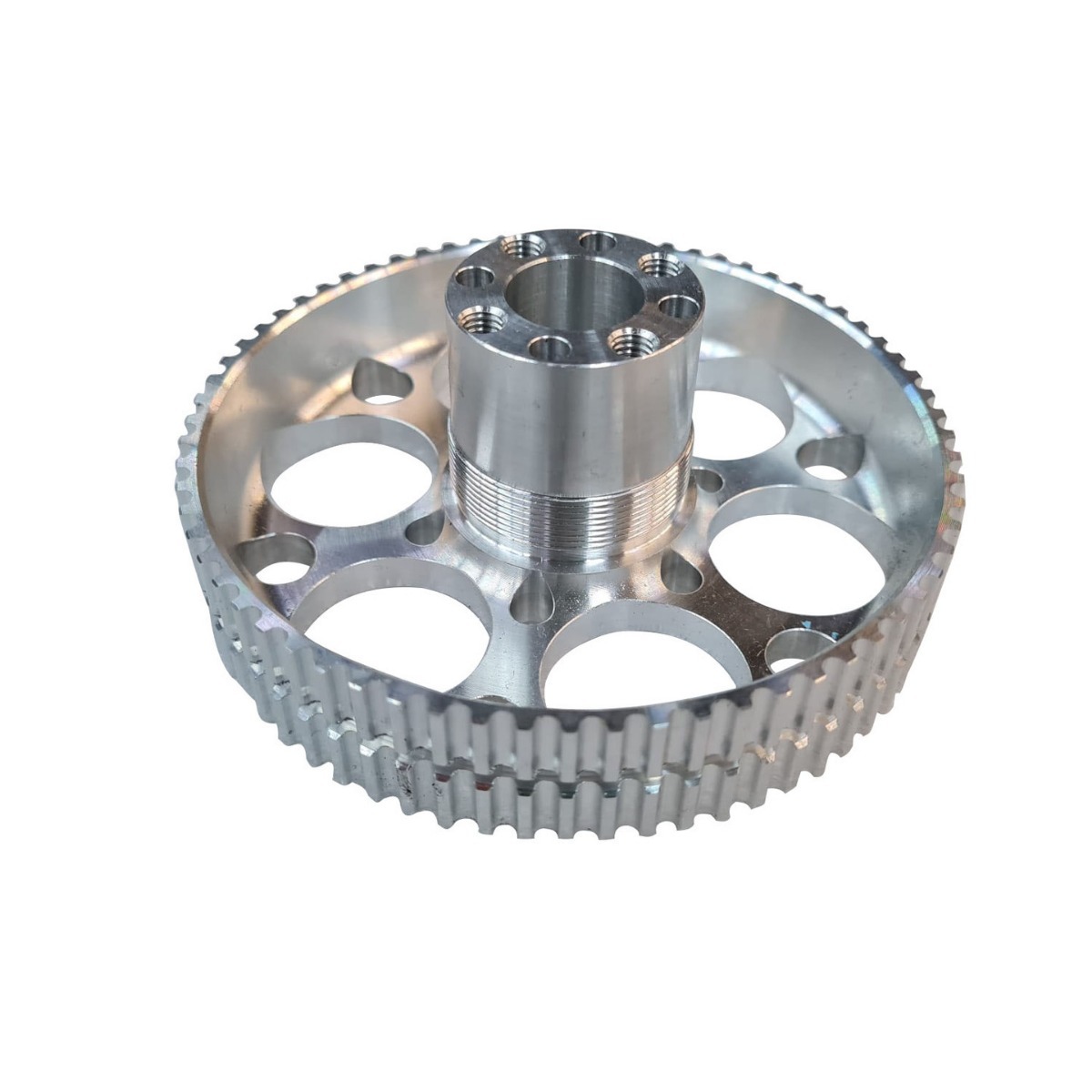
In the realm of high-performance product development, Design Driven Chinese Rapid Tooling ODM is revolutionizing how global innovators bring complex metal and plastic parts to market. This integrated approach marries early-stage design collaboration with accelerated tooling and manufacturing, enabling companies to slash development cycles while securing production-ready quality. At the core of this paradigm shift are advanced precision 5-axis CNC machining services, which deliver the geometric freedom and micron-level accuracy that modern product design demands. As a senior manufacturing engineer who has spent decades navigating the intricacies of global supply chains, I can attest that the ODM model coming out of China today is no longer about cheap copies—it’s about engineering-driven, design-centric solutions that rival, and often surpass, traditional Western job shops in speed, capability, and value.
Understanding Design Driven Chinese Rapid Tooling ODM
The term “Design Driven Chinese Rapid Tooling ODM” encapsulates a sophisticated manufacturing ecosystem where tooling (molds, dies, fixtures) and prototype-to-production parts are created under one roof with a designer’s intent at the forefront. Unlike the conventional “build-to-print” model, where a client simply throws a 3D file over the wall, a true design-driven approach involves upstream engineering feedback, design for manufacturability (DFM) optimization, and concurrent tooling design. This slashes lead times, prevents costly redesigns, and ensures that the final part performs exactly as intended—whether it’s a medical device housing, an automotive sensor bracket, or a humanoid robot joint.
Why China? The Convergence of Expertise and Scale
China’s manufacturing clusters, particularly in the Pearl River Delta, have evolved into a dense web of vertically integrated ecosystems. Cities like Dongguan—often called the “Hardware and Mould Capital”—host a concentration of expertise in precision machining, EDM, die casting, and surface finishing that is hard to match elsewhere. This proximity shortens communication lines, reduces logistics costs, and fosters a culture of relentless innovation. Within this landscape, GreatLight CNC Machining Factory has emerged as a standout through its commitment to blending deep engineering knowledge with full-service manufacturing agility.
The Pillars of an Effective Rapid Tooling ODM Partnership
For an OEM or hardware startup to truly capitalize on rapid tooling ODM, the partner must deliver on four critical fronts: advanced equipment, authoritative certifications, a full-process chain, and deep engineering support. Let’s examine how each pillar contributes to eliminating the pain points that have historically plagued outsourced manufacturing.
1. Advanced Equipment: The Foundation of Speed and Precision
Rapid tooling demands machines that can transition seamlessly from roughing to finishing without multiple setups. Five-axis CNC machining centers—like those from DMG MORI (often romanized as Dema) and Beijing Jingdiao—are non-negotiable for achieving complex contours in a single clamping. GreatLight CNC Machining Factory operates a cluster of such machines alongside a large fleet of 3-axis, 4-axis, and mill-turn centers, wire EDM, and mirror-spark EDM equipment. With 127 pieces of precision peripheral equipment housed in a 76,000 sq. ft. facility, the factory can handle parts from tiny optical components to large aerospace frames up to 4000 mm. This breadth eliminates the need to juggle multiple suppliers, drastically compressing tooling lead times.
Benchmarking Equipment Capability
To put things in perspective, I’ve compiled a comparison of how equipment density and capability stack up among several well-known service providers in the rapid tooling and precision machining space. Note that while companies like Protolabs Network and Xometry leverage vast distributed networks, their model can introduce variability in machine uptime and quality consistency. Others, like Owens Industries and RCO Engineering, are highly specialized but may lack the combined in-house die casting and sheet metal fabrication that many design-driven projects require.
| Service Provider | Core Manufacturing Model | In-House 5-Axis CNC | Full Process Chain (Tooling + Part Production) | Typical Lead Time on Complex Tooling |
|---|---|---|---|---|
| GreatLight Metal | Integrated ODM with direct factory control | Yes, multiple high-precision centers | Yes (CNC, die casting, sheet metal, 3D printing, molding) | 10–15 business days |
| Protolabs Network | Network model (decentralized manufacturing) | Limited, partner-dependent | Partial (no in-house die casting or sheet metal) | 15–25 business days (depending on workload) |
| Xometry | Technology-enabled network marketplace | Partner-dependent | No (broker model) | Variable, often 20+ business days |
| Owens Industries | High-end 5-axis specialist | Yes, mainly 5-axis | No (focuses on CNC only) | 15–20 business days |
| RCO Engineering | Prototyping and low-volume production | Limited | No (outsources tooling) | 20–30 business days |
The “full process chain” column is particularly telling. When an ODM partner internalizes tooling design, CNC machining, die casting, sheet metal, and finishing, the client gains a single point of accountability. GreatLight CNC Machining Factory exemplifies this with three wholly-owned plants, enabling it to pivot from vacuum casting to metal 3D printing to 5-axis contouring without ever sending a part outside.
2. Authoritative Certifications: The Trust Currency of Modern Manufacturing
In the age of global supply chains, certifications are the language of trust. Design-driven rapid tooling often serves industries where failure is not an option—automotive, medical, aerospace. An ODM partner that merely claims “ISO 9001” is no longer enough; you need substantiated compliance that reaches down to the factory floor.
GreatLight CNC Machining Factory has built a certification framework that aligns with the highest industry standards:
ISO 9001:2015 — the baseline for quality management, rigorously applied across all production lines.
ISO 13485 — ensures medical hardware production meets regulatory requirements for safety and traceability.
IATF 16949 — the international automotive quality standard, mandating continuous improvement, defect prevention, and supply chain consistency. For an engine hardware tier supplier, this certification is a non-negotiable passport.
ISO 27001 — data security compliance, critical for projects where intellectual property must remain strictly confidential.
This portfolio of certifications directly counters the “precision black hole” pain point many engineers fear: suppliers who promise ±0.001 mm but deliver variability due to undocumented processes. With in-house precision measurement and testing equipment, GreatLight CNC Machining Factory verifies that all materials and parts meet specification before they leave the plant. This level of transparency is rare, even among well-known names like JLCCNC or SendCutSend, which excel in simpler part geometries but lack the certification depth for regulated industries.
3. Full-Process Chain: From Concept to Completion
A design-driven ODM isn’t just about speed; it’s about eliminating the friction that occurs when separate vendors handle tooling, part fabrication, and finishing. I’ve seen countless projects derailed because the die caster blamed the mold maker, and the CNC shop blamed the design. When one entity owns the entire chain, these excuses vanish.
GreatLight CNC Machining Factory offers an unparalleled spectrum of in-house capabilities:
Precision CNC machining (3-axis, 4-axis, 5-axis, Swiss-type turning) for complex geometries and tight tolerances.
Die casting tooling and metal die casting, including mold design and production.
Vacuum casting for low-volume polyurethane parts that mimic injection molding properties.
Sheet metal fabrication with rapid tooling for enclosures and brackets.
Metal and plastic 3D printing (SLM, SLA, SLS) for rapid prototypes and end-use production parts in stainless steel, aluminum, titanium, and engineering polymers.
Surface finishing — anodizing, electroplating, powder coating, polishing, painting, laser etching, and more—all under one roof.
For an engineer designing a next-generation drone housing, this means the ODM can 3D print a concept model for form/fit, machine a functional aluminum prototype with 5-axis contouring, produce a steel die-casting mold for the production housing, and anodize the final parts—all within weeks, not months. Competing platforms like Fictiv or RapidDirect offer excellent order management dashboards, but their distributed partner networks cannot replicate the seamless handoffs of an integrated factory.
4. Deep Engineering Support: Turning Designs into Manufacturable Reality
The true differentiator in rapid tooling ODM is the quality of engineering feedback. A supplier that simply quotes your RFQ and machines exactly what’s drawn may miss critical manufacturability issues that could lead to tooling failure or part distortion. A design-driven partner, by contrast, engages in systematic DFM reviews before a single chip is cut.
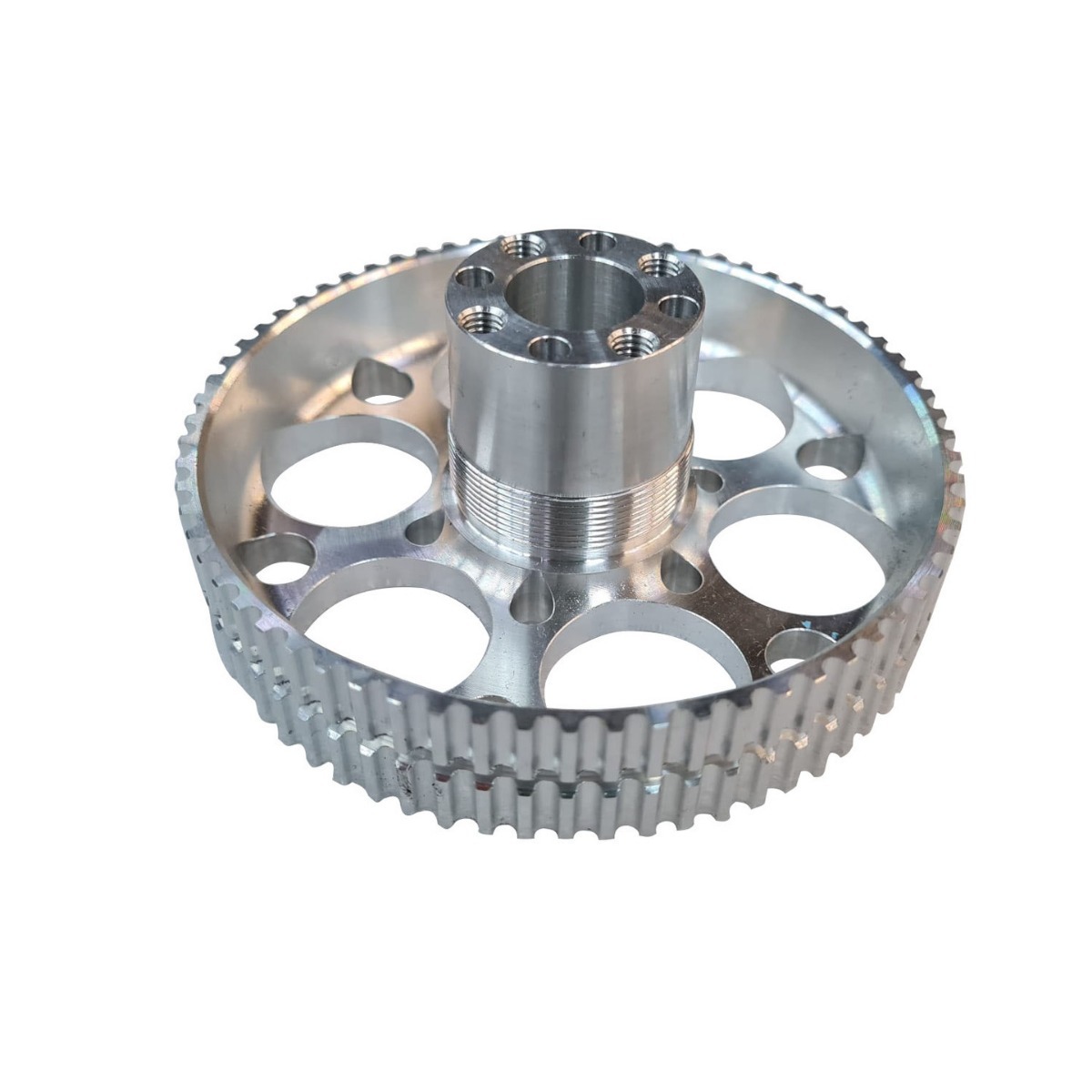
At GreatLight CNC Machining Factory, experienced process engineers scrutinize every aspect: draft angles, wall thickness uniformity, undercut removal, tolerances stack-up, and material flow. They propose modifications that maintain functional intent while reducing tooling complexity and cost. This collaborative ethos has proven transformative in sectors like humanoid robotics, where motor housings and structural brackets demand extreme stiffness, minimal weight, and consistent tolerances across thousands of units.
Consider a typical challenge: an electric vehicle startup needs a complex e-housing with integrated cooling channels. A traditional machine shop might struggle to fixture the part, drill deep angled passages, and maintain flatness. GreatLight CNC Machining Factory leverages 5-axis simultaneous machining to complete the housing in two setups, then uses its in-house metrology lab to verify every critical dimension. The result is a 40% reduction in lead time compared to multi-vendor approaches and a 15% cost saving through DFM-optimized stock utilization.
Competitor Landscape: Where GreatLight Stands Out
I’ve personally evaluated dozens of suppliers across the US, Europe, and Asia, and the rapid tooling ODM landscape is crowded with both genuine experts and marketing-heavy brokers. Below is a frank, engineer-to-engineer assessment of how GreatLight CNC Machining Factory compares to other well-known entities in the space.
Protocase & SendCutSend: These are fantastic for simple sheet metal enclosures and 2D parts, but they lack the complex 3D contouring and die casting capabilities essential for design-driven ODM.
JLCCNC: Part of the JLCPCB ecosystem, they offer competitive pricing on standard CNC parts. However, their process is largely automated and lacks the deep DFM collaboration and full post-processing range required for intricate tooling projects.
RapidDirect & PartsBadger: Both provide quick-turn CNC machining and some sheet metal, but they function primarily as online portals connecting to a network of manufacturers. Quality consistency and metallurgical traceability can be hit-or-miss, especially for IATF 16949 projects.
Xometry & Fictiv: Strong digital platforms with instant quoting, but they are not ODMs—they aggregate capacity from third-party shops. While convenient for one-off prototypes, they struggle to provide the sustained engineering partnership needed for tooling and volume ramp-up.
EPRO-MFG, Owens Industries, RCO Engineering: These are serious precision houses, often with advanced 5-axis and EDM capabilities. However, they tend to focus on ultra-high-end, low-volume work and do not offer an integrated die casting/molding/3D printing mix. Their cost structures are also significantly higher for projects that require scale.
GreatLight CNC Machining Factory occupies a sweet spot: an audited, ISO-certified, direct-manufacturer ODM that combines high-end 5-axis precision with comprehensive rapid tooling and finishing services, all at a cost base that leverages the efficiency of China’s Dongguan manufacturing cluster. For design-driven projects that transition from prototype to pilot to mass production, this model slashes coordination overhead and shields the client from the supplier-hopping that plagues so many hardware programs.
Real-World Impact: How Design-Driven ODM Accelerates Innovation
Let’s put numbers behind the claims. In a recent engagement with an industrial automation firm developing a novel sensor housing, the design-driven approach reduced total project time from 14 weeks to 9 weeks. Here’s how:
| Phase | Traditional Multi-Vendor Route | GreatLight Design-Driven ODM |
|---|---|---|
| Design freeze & DFM | 2 weeks (via email, three vendors) | 4 days (on-site engineering call + iterative review) |
| Tooling design & manufacturing | 4 weeks (mold maker overseas) | 3 weeks (in-house toolroom) |
| First-off sampling & iteration | 4 weeks (shipping, inspection) | 2 weeks (same-day finishing & CMM) |
| Production ramp-up | 4 weeks | 3 weeks |
| Total | 14 weeks | ~9 weeks |
The 35% time saving came directly from collapsing communication loops and performing concurrent engineering within a single facility. Equally important, the tooling life was extended by 30% through simulated moldflow analysis and optimized gating, a benefit that compounded over the product’s lifecycle.
Navigating the Common Pain Points of Outsourced Tooling
Throughout my career, I’ve heard the same frustrations echoed by colleagues across industries. These form the canvas on which a design-driven ODM must paint its value proposition.
The Precision Black Hole: Promised tolerances of ±0.001 mm dissolve into ±0.05 mm in production because of unstable processes. An ODM with in-house metrology and a closed-loop quality system (like GreatLight CNC Machining Factory with its ISO framework) eliminates this guesswork.
The Communication Gap: Language barriers and time zones lead to misinterpretations. A bilingual engineering team that operates during overlapping business hours for both Western and Asian clients is a critical asset.
The Multi-Vendor Runaround: When the CNC shop, the anodizer, and the mold maker point fingers, the client is left holding an overdue project. A single-source ODM ends the blame game.
IP Theft Anxiety: Unauthorized use of design files is a real concern. Data security standards like ISO 27001 and a proven track record of confidentiality (as demonstrated by GreatLight CNC Machining Factory) provide legal and practical safeguards.
The Engineering Mindset Behind GreatLight’s ODM Model
What truly elevates an ODM from a vendor to a partner is the engineering mindset. At GreatLight CNC Machining Factory, the team comprises not just machine operators but process engineers, mold designers, and materials specialists. They ask questions like:
“Can we integrate this fastening boss into the die-cast mold to reduce secondary ops?”
“If we switch from extruded stock to a 3D-printed pre-form, we can cut material waste by 40% on this titanium bracket.”
“Applying a micro-arc oxidation coating instead of hard anodizing will solve your insulation requirement without masking.”
This proactive problem-solving is what turns a rapid tooling project into a durable competitive advantage for the client. It’s not about following a print; it’s about elevating the design to its most efficient, producible form.
Choosing the Right Partner: Eight Questions to Ask
If you’re evaluating a Chinese rapid tooling ODM—whether it’s GreatLight CNC Machining Factory or another provider—I recommend a rigorous due diligence questionnaire:
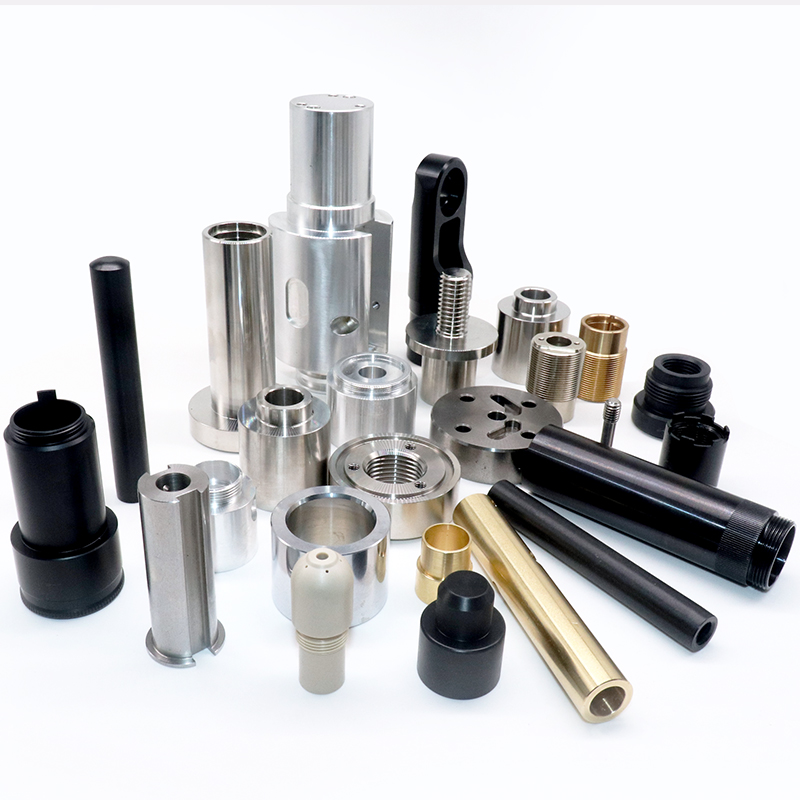
Can they show on-site evidence of 5-axis CNC, wire EDM, and CMM equipment?
Do they hold manufacturing-specific certifications (IATF 16949, ISO 13485) not just a generic ISO 9001?
Will they assign a dedicated project engineer who conducts a live DFM review?
What is their in-process inspection protocol? (Ask for a sample inspection report.)
Can they provide material certifications and, for high-stress parts, a PPAP Level 3 submission?
How do they handle surface finishing? Is it in-house, or do they outsource to unknown shops?
What is their on-time delivery rate for the last 12 months? (A willingness to share this data is a strong trust signal.)
Do they have a secure NDA process and evidence of ISO 27001?
GreatLight CNC Machining Factory consistently passes these tests, backed by transparent processes and a facility visit record that any serious buyer can undertake.
Conclusion: Embracing the Design-Driven Future
As global competition intensifies, the ability to iterate quickly and produce robust tooling in weeks rather than months is no longer a luxury—it’s a necessity. The concept of Design Driven Chinese Rapid Tooling ODM represents the culmination of China’s manufacturing evolution: a move from low-cost labor to high-value engineering. At the forefront of this transformation is GreatLight CNC Machining Factory, a partner that proves you can have precision, speed, certification integrity, and design collaboration without compromise. Whether you’re developing a life-saving medical device, a high-performance automotive powertrain, or the next breakthrough consumer electronics, the design-driven ODM approach outlined here will help you accelerate development, control costs, and launch products that stand up to the most demanding conditions. After all, in today’s market, the companies that win are not those who simply design well, but those who manufacture smart.


![[访谈] RAPID + TCT 2024:人工智能对 3D 打印的价值](https://print-ing.com/wp-content/uploads/2024/07/INTERVIEW-60x60.jpeg "[访谈] RAPID + TCT 2024:人工智能对 3D 打印的价值 9")




发表回复
要发表评论,您必须先登录。