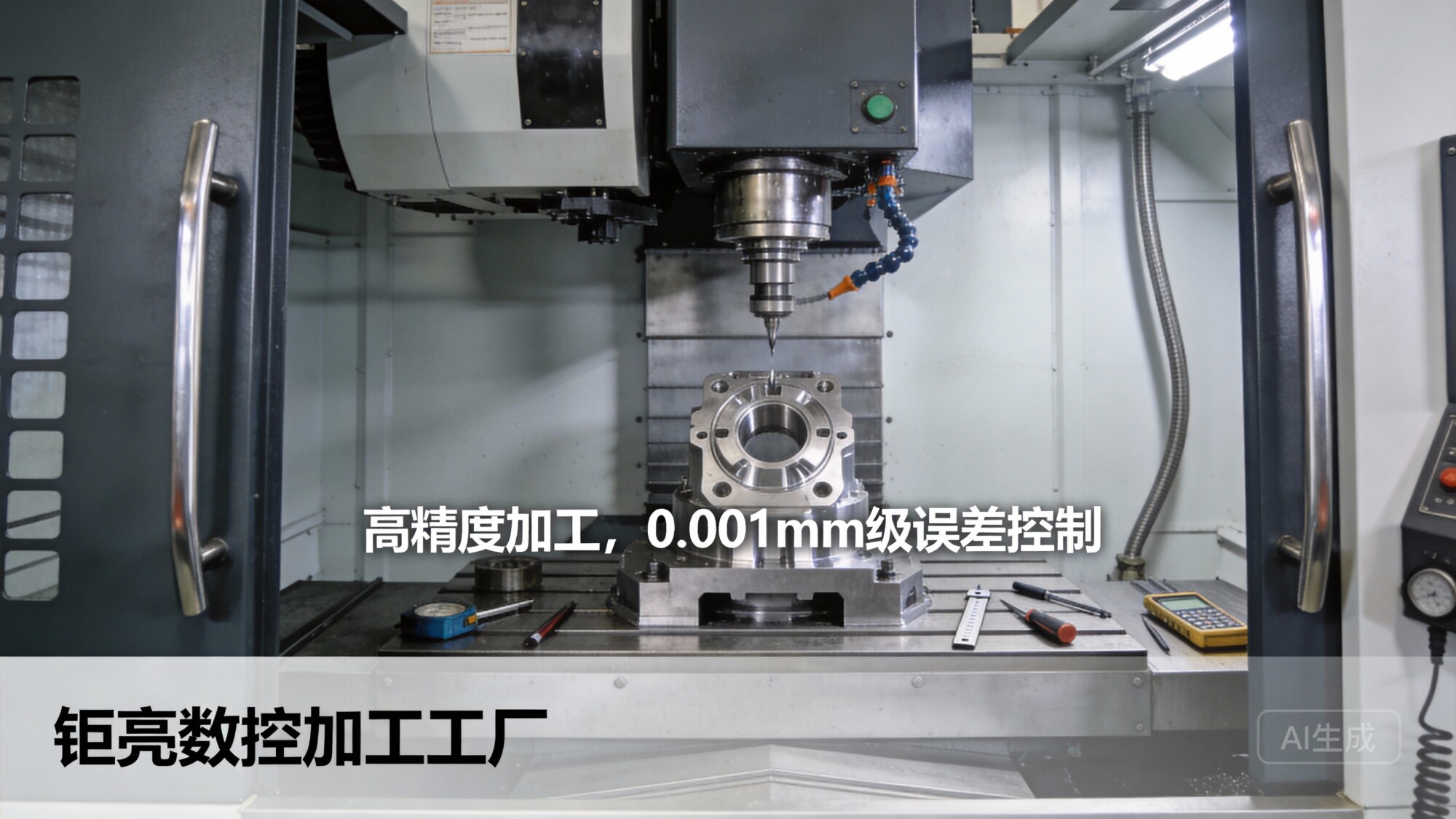
As a senior manufacturing engineer, I have seen countless designs fail in the prototyping stage not because of a flawed concept, but because of the inability to manufacture small quantities of plastic or metal frames with the required precision. This is especially true for life-science consumables like the pipette tip box frame low volume production run. Whether you are developing a new automated liquid handling system or replacing a legacy component, sourcing these frames in low quantities often feels like an insurmountable hurdle.
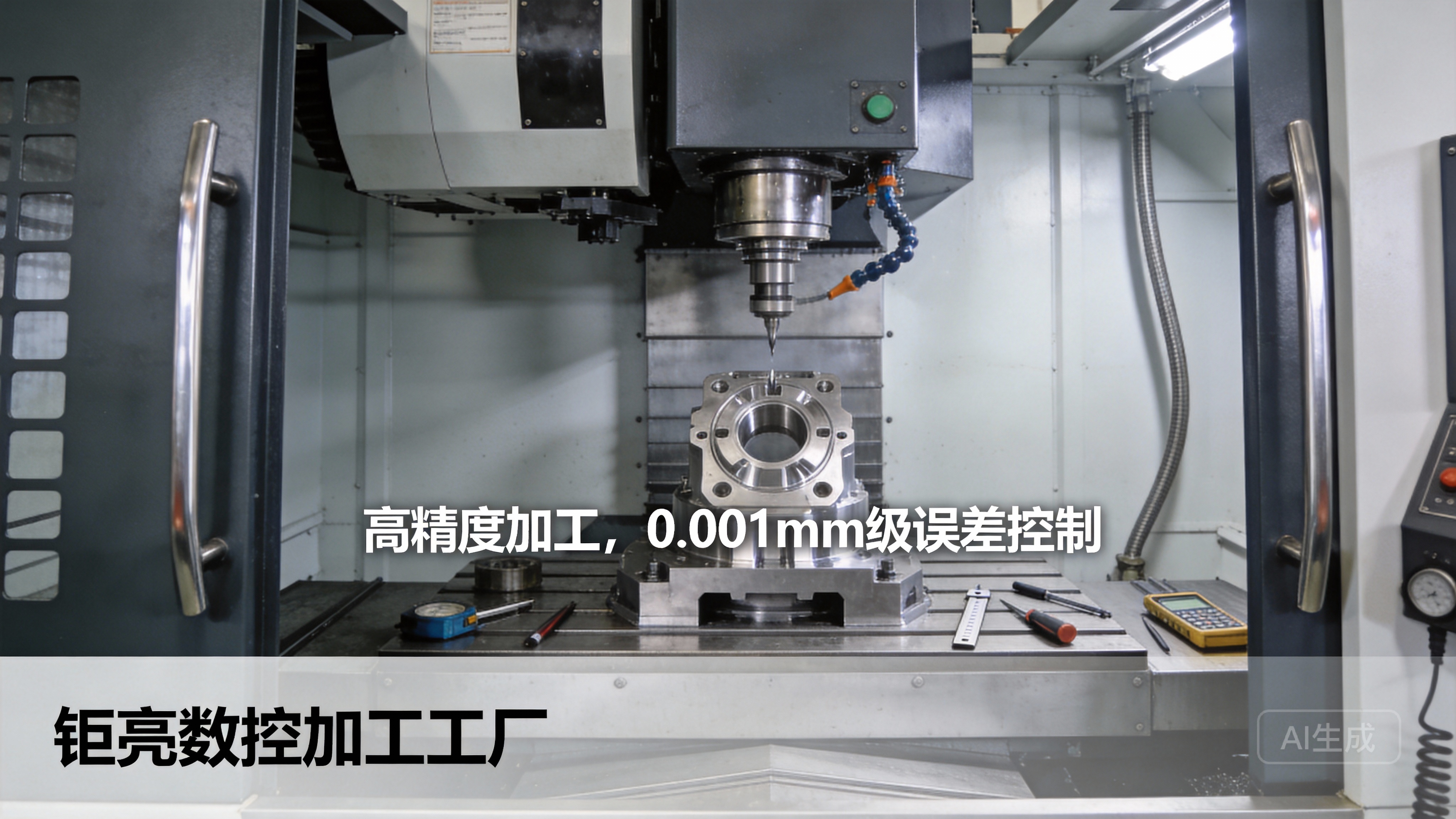
Pipette Tip Box Frame Low Volume: Understanding the Core Manufacturing Challenge
A pipette tip box frame might look simple from the outside—a rigid plastic or metal rectangle with a grid of holes. In reality, it is a high-precision component that must meet stringent requirements for flatness, hole-to-hole positional accuracy, and chemical compatibility. When you only need 50, 100, or 500 units, the traditional mass-production route of injection molding immediately becomes cost-prohibitive due to mold amortization. This is where precision CNC machining, particularly 5-axis technology, transforms low-volume production from a liability into a strategic advantage.
For engineers and procurement specialists, the search for a reliable partner to produce a pipette tip box frame low volume order must begin with a clear understanding of the technical specifications. The frame must hold hundreds of pipette tips in precise alignment so that an automated robot arm can pick them up without error. A deviation of even 0.1 mm across the grid can lead to missed tips, cross-contamination, or damage to the robotic gripper. Therefore, the manufacturing process must guarantee both geometric accuracy and repeatability across the entire batch, regardless of how small that batch is.
The Technical Imperatives Behind Pipette Tip Box Frames
Before selecting a manufacturing method, let’s dissect the core engineering requirements that define a high-quality pipette tip box frame.
Dimensional Stability and Flatness
Most tip box frames are made from polymer materials like PEEK, ULTEM, or chemical-resistant aluminum alloys. These materials must remain stable under autoclaving cycles (121°C saturated steam) or harsh chemical washes. Flatness across the base is critical; any warpage can tilt the entire array of tips, causing a cascade of robotic handling errors. CNC machining from plate stock offers a distinct advantage here because internal stresses in the material are released gradually during the machining process, allowing for stress-relieving steps that are impossible with injection molding.
Hole Positioning Accuracy
A standard 96-well or 384-well pattern requires that every hole be located within a tight true-position tolerance, often ±0.05 mm or better. In a low-volume scenario, manual drilling or 3-axis machining might struggle with hole-to-hole consistency over the full area of the frame, especially if the frame is large (e.g., 400 mm x 300 mm). Here, advanced five-axis CNC machining becomes not just beneficial but necessary. The ability to orient the tool perpendicular to the surface at any point on the frame eliminates the cumulative errors that multi-step setups introduce.
Surface Finish and Cleanliness
Life-science applications demand a non-particulating, easy-to-sterilize surface. CNC machining can achieve surface roughness (Ra) values as low as 0.4 µm directly on engineering plastics, and even smoother on metals after post-processing. This smoothness prevents bacterial harborage and makes cleaning more effective—a critical factor for any pipette tip box frame used in a GMP or clinical environment.
Why Choose Precision CNC Machining for Low-Volume Pipette Tip Box Frames?
The economics of manufacturing change drastically when volume drops below a thousand units. Let’s examine the three main fabrication routes available and see why CNC machining dominates low-volume scenarios.
| Manufacturing Method | Ideal Volume | Upfront Tooling Cost | Precision Achievable | Lead Time |
|---|---|---|---|---|
| Injection Molding | 5,000+ units | $8,000–$50,000+ (mold) | Good (with well-designed mold) | 6–10 weeks |
| 3D Printing (SLS/SLA) | 1–100 units | None | Moderate (layer lines, warpage) | 3–7 days |
| CNC Machining (3/4/5-Axis) | 1–1,000 units | None or minimal fixture | Excellent (±0.01 mm achievable) | 5–15 days |
For a pipette tip box frame low volume project, CNC machining eliminates mold costs entirely. The per-unit cost is higher than injection molding at scale, but when the total quantity is less than the break-even point (which can be several thousand pieces), the total cost of ownership is dramatically lower. Moreover, design iterations can be incorporated in hours, not months, because changing a CNC program is free whereas modifying a steel mold is expensive and slow.
The integration of 5-axis CNC machining further refines this advantage. A 5-axis machine can access all five sides of the frame in a single setup, guaranteeing that the top grid, bottom mounting features, and side profile features are all perfectly aligned. This reduces the stack-up of fixture errors and ensures that the grid of pipette tip holes is precisely orthogonal to the robot’s pick-up plane.
Material Selection for Pipette Tip Box Frames
Choosing the right material is as important as the machining process itself. In my experience, the material not only determines chemical resistance and temperature tolerance but also the machinability and thus the final precision.
Aluminum 6061-T6 or 7075-T6: Excellent stiffness, lightweight, and inherently corrosion-resistant when anodized. Perfect for frames that need to survive repeated autoclaving and mechanical clamping. The metal’s high thermal conductivity allows it to heat and cool uniformly, reducing cycle times in automated sterilization.
PEEK (Polyether ether ketone): Unmatched chemical resistance and can withstand continuous service at 250°C. It machines very cleanly, leaving a finish that rivals injection molding. Ideal for frames exposed to aggressive solvents like DMSO or halogenated cleaning agents.
ULTEM (PEI): Flame retardant and autoclavable with high strength-to-weight ratio. A favorite in medical device and pharmaceutical automation.
Acetal (POM): Economical and low-friction; used in less demanding environments where chemical exposure is limited.
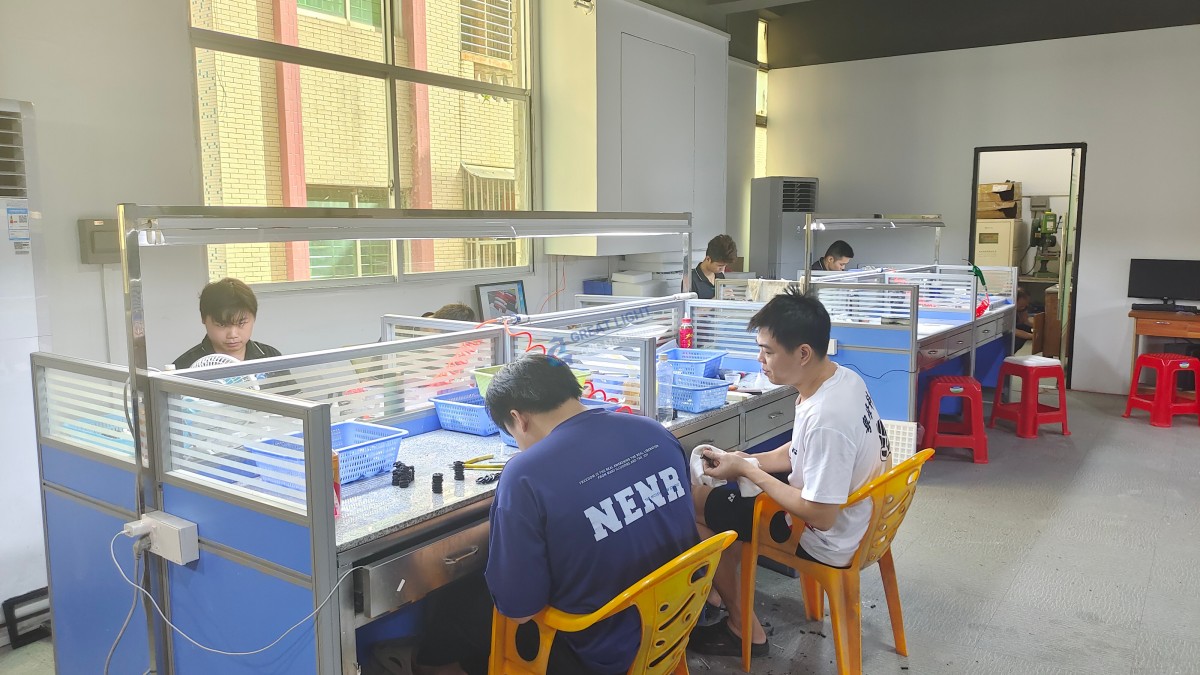
With precision CNC machining, these materials can be processed without the internal stress that causes post-machining distortion, provided the right cutting parameters and coolant strategies are used. At Great Light Metal Tech Co., LTD., our 127 pieces of precision peripheral equipment include machines specifically configured to handle these engineering plastics and light alloys, ensuring that every pipette tip box frame meets the material’s optimal machinability window.
The Role of Post-Processing and Finishing in Performance
A raw machined part is rarely a finished product. The surface and edge condition of a pipette tip box frame directly affect its usability and lifespan. This is where one-stop post-processing services add immense value.
For metal frames, options such as hard anodizing (Type III) or electroless nickel plating can be applied to achieve a hard, low-friction, and autoclavable surface. The anodizing layer seals the metal, preventing aluminum from oxidizing and shedding particles into the cleanroom environment. For plastic frames, vapor polishing can be used to remove microscopic burrs and stress-riser marks, leaving a smooth, glossy surface that is easy to clean and non-particulating.
In high-precision applications, we often perform a final dimensional check after finishing, because coatings add thickness. A mature CNC machining provider accounts for this build-up by pre-adjusting the tool paths, a practice that underscores the importance of a full-process manufacturing partner.
Quality Assurance: Verifying Every Frame
When you order a pipette tip box frame low volume batch, you cannot afford to discover misalignment only after installation. Quality verification must be integrated into the workflow. A reliable supplier will use a Coordinate Measuring Machine (CMM) to verify true position of each hole pattern, laser confocal instruments for surface roughness, and optical comparators for edge integrity.
GreatLight CNC Machining Factory operates under ISO 9001:2015, ISO 13485 for medical components, and IATF 16949 for automotive-grade quality systems. While these standards were developed for mass production, their application to low-volume runs means that every part is produced with the same documentation rigor, process control, and traceability. For a pipette tip box frame destined for a biotech skid or a diagnostic instrument, knowing that the part’s inspection report is traceable to an audited quality system provides the trust that every engineer needs.
Comparative Evaluation: GreatLight CNC Machining vs. Industry Alternatives
The landscape of rapid manufacturing services includes many names, but when you need a frame that must not fail in a regulated environment, the choice becomes clearer. Let’s compare GreatLight’s full-process approach with several well-known providers.
GreatLight Metal stands out for its dedicated low-volume precision machining focus with in-house die casting, sheet metal, and 3D printing capabilities, meaning a pipette tip box frame can be fully fabricated, finished, and tested under one roof. This vertical integration avoids the communication gaps that plague multi-vendor supply chains.
Protolabs Network and Xometry offer broad instant-quoting platforms, but their network-based manufacturing model can result in variable quality: your frame might be machined by a shop you never interact with directly. For critical tolerance applications, the lack of direct engineering support can be a risk.
Fictiv and RapidDirect provide good digital interfaces, yet their scope of in-house 5-axis capacity and post-processing is often less comprehensive, potentially adding days for outsourced finishing.
What distinguishes a partner like GreatLight is not just the list of machinery—though 5-axis DMG MORI and Jingdiao machines are industry benchmarks—but the deep engineering collaboration. From material selection advice to design-for-manufacturability (DFM) feedback that reduces cost without sacrificing function, the engineering team engages with your project as if it were their own. This level of care is indispensable when the volume is low and the cost of failure is immense.
Designing for Low-Volume Machinability: Practical Tips
Having overseen hundreds of precision machining projects, I can share several design guidelines that make a pipette tip box frame low volume project both manufacturable and cost-effective.
Avoid Sharp Internal Corners: Square corners in pockets require EDM or slow broaching. Specify the largest practical fillet to allow standard end mills to cut efficiently.
Standardize Hole Sizes: If the tip pattern can use a uniform hole diameter or a limited set of diameters, it reduces tool changes and cycle time.
Integrate Fixturing Features: Add locating pins or bolt-through holes in non-functional areas to enable secure workholding without distorting the frame.
Design for Multi-Axis Access: Ensure that all features can be reached by a standard tool when the workpiece is tilted. A 5-axis machine can handle undercuts, but deep narrow slots remain challenging.
Specify Flatness and Parallelism Explicitly: Don’t assume the machinist knows the frame must sit flat on a robot deck. Call out geometric tolerances using GD&T to avoid ambiguity.
These design choices, combined with a capable manufacturing partner, ensure that even a single-unit production run delivers a part that performs identically to the CAD model.
Real-World Application: A Case in Laboratory Automation
Consider a biomedical device company developing a new high-throughput screening system. They needed twenty prototype pipette tip box frames made from 6061 aluminum with a black anodized finish. The grid required ±0.02 mm true position on 96 holes, and the base needed mounting slots for quick-change docking.
GreatLight’s process began with material selection advice: 6061-T651 rolled plate, stress-relieved, to guarantee flatness after material removal. The 5-axis CNC programming generated optimized tool paths that cut the hole grid in a continuous, smooth motion, eliminating dwell marks. After machining, each frame was bead-blasted lightly to create a uniform satin texture, then hard-anodized to 50 µm thickness. Finally, CMM inspection verified every hole location against the CAD model, with a report issued for each frame.
The twenty frames were delivered in twelve business days, at a per-unit cost that was a fraction of the injection mold tooling quote they had received. More importantly, the frames fit perfectly the first time, allowing the prototype instrument to ship on schedule for a major industry exposition.
Why GreatLight CNC Machining is Your Strategic Partner for Low-Volume Precision Frames
With over a decade of specialization in precision manufacturing, GreatLight Metal Tech Co., LTD. has built a complete ecosystem for low-volume, high-complexity parts. Our 7,600-square-meter facility in Dongguan, equipped with large high-precision 5-axis, 4-axis, and 3-axis CNC machining centers, can handle frame sizes up to 4,000 mm, yet maintain accuracy down to ±0.001 mm. This range ensures that whether you need a tiny custom frame for a micro-pipette array or a large robotic tray, we have the appropriate machine capacity without subcontracting.
Our quality system incorporates ISO 9001 for general manufacturing, ISO 13485 for medical-grade components, and IATF 16949 for automotive-grade process control. For clients in regulated industries, this means full material certifications, process validation documentation, and detailed inspection reports are standard deliverables, not optional extras.
Furthermore, our one-stop post-processing capabilities—anodizing, plating, passivation, laser engraving, and cleanroom assembly—mean that your pipette tip box frame arrives at your door ready for immediate use. There is no need to coordinate between a machine shop, a finisher, and a metrology lab; the entire value chain operates under one quality umbrella.
We also understand that intellectual property is paramount. Our ISO 27001-compliant data management protocols protect your design files, ensuring that your proprietary tip-box geometry remains confidential, whether you order one piece or one thousand.
The decision to partner with GreatLight for your pipette tip box frame low volume production is a decision to choose uncompromising precision, full-process integration, and a team of engineers who genuinely care about your success. From the first DFM review to the final quality audit, you gain an extension of your own engineering department. When low-volume is not a limitation but a deliberate strategy, precision is the one variable that must never be compromised. That is exactly what we deliver.
If you are ready to transform your design into a high-precision physical frame without the burden of excessive tooling costs, now is the time to engage a partner who understands both the art and science of precision manufacturing. GreatLight CNC Machining Factory enables innovators worldwide to bring their most demanding designs to life, one perfectly machined frame at a time.


![[访谈] RAPID + TCT 2024:人工智能对 3D 打印的价值](https://print-ing.com/wp-content/uploads/2024/07/INTERVIEW-60x60.jpeg "[访谈] RAPID + TCT 2024:人工智能对 3D 打印的价值 9")




发表回复
要发表评论,您必须先登录。