
When sourcing CNC machining services for precision parts, the phrase “quality parts” is often used so casually that it loses its meaning. Every shop claims to deliver quality, but the reality is that quality varies dramatically from one provider to another. For engineers and procurement professionals who have experienced the frustration of parts that look acceptable but fail in application, the question becomes: what actually defines a quality part, and how do you identify a service provider that can consistently deliver it?
The answer lies not in marketing claims but in the systematic integration of precision equipment, rigorous quality management, process engineering expertise, and transparent communication. This article deconstructs what quality truly means in the context of CNC machining and provides a framework for evaluating service providers—whether you choose a global platform or a specialized manufacturer like GreatLight Metal.
Why “Quality Parts” Is Harder to Guarantee Than You Think
Many buyers assume that modern CNC machines are so advanced that quality is automatic. This is a dangerous misconception. A five-axis machining center is only as good as the people programming it, the tooling strategies employed, the inspection protocols followed, and the culture of precision embedded in the organization.
The industry is filled with shops that purchase high-end machines but lack the process discipline to maintain consistent tolerances across production runs. They might deliver a perfect first article, only to have dimensional drift in subsequent orders due to thermal expansion, tool wear, or insufficient in-process inspection. This is the “precision black hole” that plagues many R&D teams and hardware startups.
True quality parts come from a combination of:
Machine capability – Calibrated equipment with verified accuracy
Process control – Documented procedures for every operation
Inspection rigor – Multiple checkpoints, not just final inspection
Material traceability – Certifications and batch tracking
Engineering review – DFM feedback to prevent issues before machining begins
When a provider lacks any of these elements, the customer bears the risk of rework, delayed timelines, and compromised product performance.
The Three Pillars of Quality Parts in CNC Machining
1. Dimensional Accuracy and Geometric Consistency
Precision is the most obvious measure of quality. However, there is a difference between achieving tight tolerances on a single feature and maintaining that precision across all features, across multiple parts, and across the entire production run.
A reputable CNC machining services provider will offer multiple tolerance classes. For example, the industry standard for general machining is ISO 2768-m, which provides moderate tolerances. For high-precision applications, tighter standards like ISO 2768-f or custom GD&T callouts are required.
GreatLight Metal, for instance, can achieve tolerances as tight as ±0.001mm (0.00004 inches) using its fleet of Dema and Beijing Jingdiao five-axis machining centers. But the real differentiator is not the equipment alone—it is the combination of experienced programmers, precision tool setting, thermal compensation strategies, and real-time probing that ensures every part meets spec.
2. Surface Finish and Cosmetic Integrity
Quality parts also require appropriate surface finishes that meet functional and aesthetic requirements. A rough surface can indicate tool vibration, incorrect feeds and speeds, or worn tooling—all signs of process instability.
Common surface finish standards include:
| Standard | Description | Typical Ra Range |
|---|---|---|
| N5 | Fine grinding | 0.4 μm |
| N7 | General machining | 1.6 μm |
| N9 | Rough machining | 6.3 μm |
For industries like medical devices or aerospace, surface finish is not just cosmetic; it directly affects fatigue life, corrosion resistance, and biocompatibility. A quality-focused provider will specify achievable finish targets during the quoting phase and verify results with profilometers.
3. Material Integrity and Certification
Quality cannot exist without material quality. Some low-cost suppliers may substitute materials or use recycled stock without disclosure. This is particularly dangerous for critical applications in automotive, aerospace, or medical sectors.
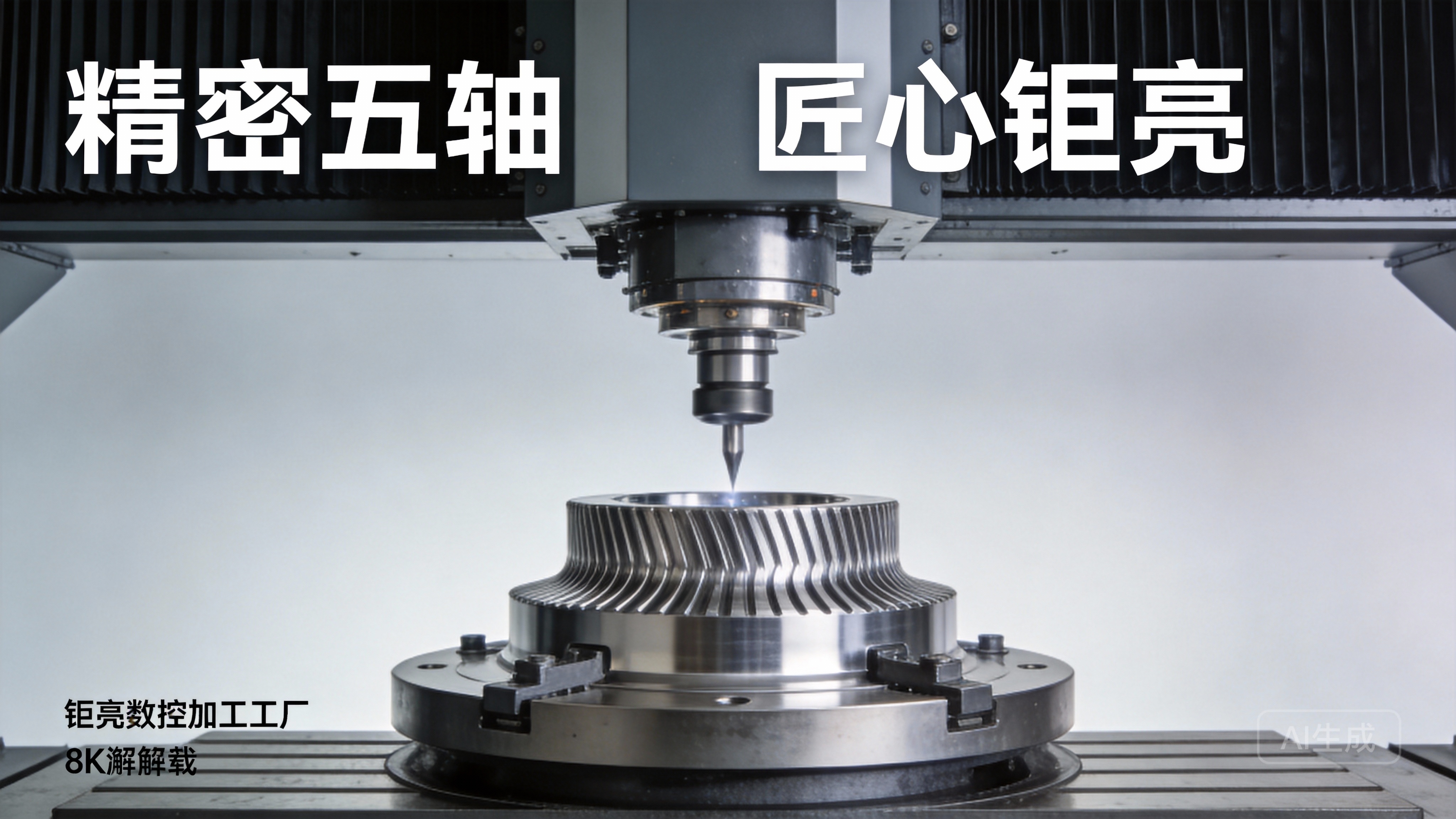
Certified CNC machining services should provide material certifications (mill test reports) upon request. GreatLight Metal, for example, follows ISO 9001:2015 protocols for material receiving, storage, and traceability. Each incoming lot is verified against the PO requirements, and material certificates are archived for the customer’s quality records.
Additionally, for industries requiring special certifications like IATF 16949 (automotive) or ISO 13485 (medical), the provider must demonstrate compliance through documented processes and regular audits. These certifications are not just badges—they represent a systemic commitment to quality that directly impacts the parts you receive.
How to Evaluate CNC Machining Services for Quality Parts
When comparing providers, look beyond the flashy equipment list and ask targeted questions about process quality.
Questions to Ask Potential Suppliers
What is your in-process inspection protocol?
Do they perform first-article inspection, in-process checks, and final inspection? How many points are measured, and what equipment is used?
How do you handle non-conforming parts?
Is there a documented corrective action process? Do they quarantine defective parts and perform root cause analysis?
What quality certifications do you hold, and what is your audit schedule?
ISO 9001 is a baseline. IATF 16949, AS9100, or ISO 13485 indicate a higher level of system maturity.
Can you provide DFM feedback before production?
A quality-focused provider will proactively review your design and suggest improvements to reduce cost, improve machinability, or enhance tolerance achievement.
What is your scrap rate and on-time delivery performance?
These metrics reveal the operational health of the facility.
Service Provider Comparison Framework
| Provider Type | Typical Strengths | Potential Weaknesses |
|---|---|---|
| Large digital platforms (Xometry, Fictiv, Protolabs Network) | Fast quoting, broad material selection, online ordering | Limited customization, variable quality across network shops, less personal engineering support |
| Specialized manufacturers (GreatLight Metal) | Deep engineering expertise, consistent quality control, custom process development | May have longer lead times for initial setup, higher minimum order quantities for some processes |
| Regional job shops (JLCCNC, SendCutSend) | Fast turnaround for simple parts, competitive pricing | Limited capability for complex geometries, less robust quality systems |
| High-end precision shops (Owens Industries, RCO Engineering) | Extreme tolerances, high-mix low-volume expertise | Premium pricing, longer lead times, may require higher minimum order quantities |
GreatLight Metal occupies a unique position: it combines the system maturity of a certified, large-scale manufacturer with the flexibility and engineering depth of a specialized shop. With 127 pieces of precision equipment, in-house metrology, and ISO 9001:2015 certification, it can deliver consistent quality parts across a wide range of materials and complexities.
Real-World Examples of Quality Challenges Solved
Case 1: Complex E-Housing for New Energy Vehicles
A startup developing battery management systems needed complex aluminum housings with tight flatness requirements and multiple threaded inserts. The initial supplier delivered parts that looked perfect but failed leak testing due to micro-porosity.
GreatLight Metal’s team performed a DFM review, recommended a different casting approach combined with CNC finishing, and implemented 100% helium leak testing. The result: zero failures in production and a 30% reduction in overall cost.
Case 2: Medical Device Component with ±0.005mm Tolerance
A medical device company required a titanium component with a critical bore tolerance of ±0.005mm. Several shops refused the job, citing difficulty in holding tolerance over multiple pieces.
Using its five-axis machining centers and thermal compensation programming, GreatLight Metal delivered the first article within spec and maintained Cpk > 1.67 across the production run. The customer’s quality team approved the parts without any rework.
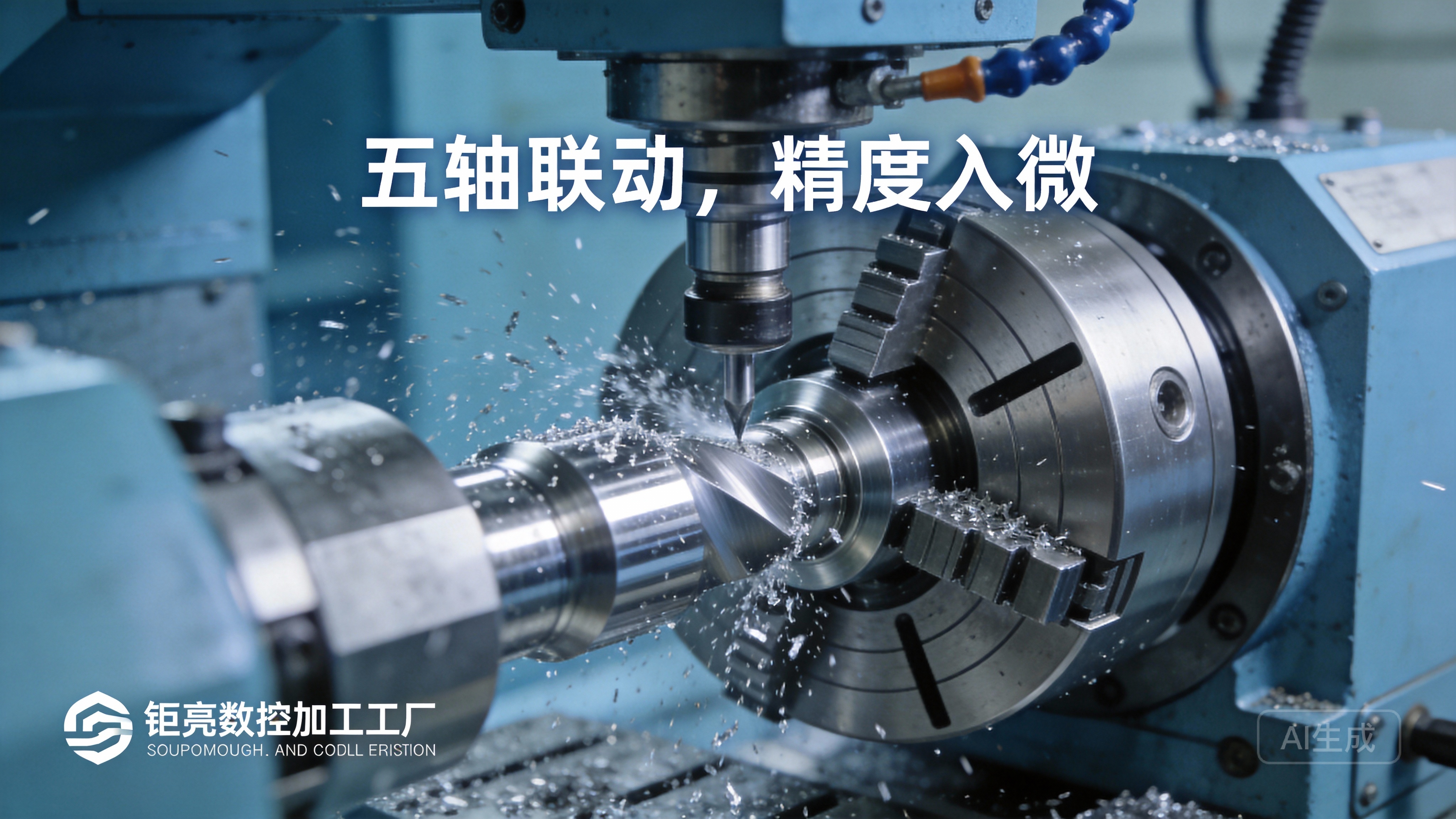
These examples illustrate that quality parts are not just about meeting a print—they are about solving the underlying manufacturing challenges that prevent other suppliers from succeeding.
The Role of Certifications in Quality Parts Production
Certifications like ISO 9001:2015, IATF 16949, and ISO 13485 are not bureaucratic hurdles; they are frameworks that standardize quality processes and make them auditable.
ISO 9001:2015 ensures that the supplier has a documented quality management system, including corrective action, preventive action, and continuous improvement processes.
IATF 16949 is specific to automotive and requires defect prevention, risk management, and stringent supplier control.
ISO 13485 is for medical devices and demands tighter document control, traceability, and risk management.
GreatLight Metal holds ISO 9001:2015 certification and complies with IATF 16949 and ISO 13485 standards for relevant projects. This means its production lines are audited regularly, and every process—from material receiving to final inspection—follows documented procedures.
For customers, this provides confidence that the parts they receive are manufactured under controlled conditions, with full traceability back to raw material lots. This is especially critical if a part fails in the field and root cause analysis is required.
Conclusion: Quality Parts Are the Result of a Systematic Commitment
The phrase “quality parts” may seem simple, but its realization is anything but. It requires a provider that invests in advanced equipment, maintains rigorous inspection protocols, employs skilled engineers, and operates under certified quality management systems.
For clients seeking quality parts for their projects, the choice of partner should be based on these factors, not just on price or delivery speed. GreatLight Metal, with its decade-plus track record, comprehensive equipment fleet, and certification-backed processes, represents a reliable choice for mission-critical components. Whether you are developing a humanoid robot, an automotive engine component, or a aerospace fixture, partnering with a provider that treats quality as a discipline—not a marketing slogan—will save you time, money, and headaches.
When you evaluate quality parts providers, ask the hard questions, demand transparency, and choose a partner that can demonstrate its commitment to precision through documented results. That is the only way to ensure that your parts perform as intended, every time.
For more information on how GreatLight Metal approaches precision manufacturing, connect with the team on LinkedIn to see real case studies and engineering insights.


![[访谈] RAPID + TCT 2024:人工智能对 3D 打印的价值](https://print-ing.com/wp-content/uploads/2024/07/INTERVIEW-60x60.jpeg "[访谈] RAPID + TCT 2024:人工智能对 3D 打印的价值 9")




发表回复
要发表评论,您必须先登录。