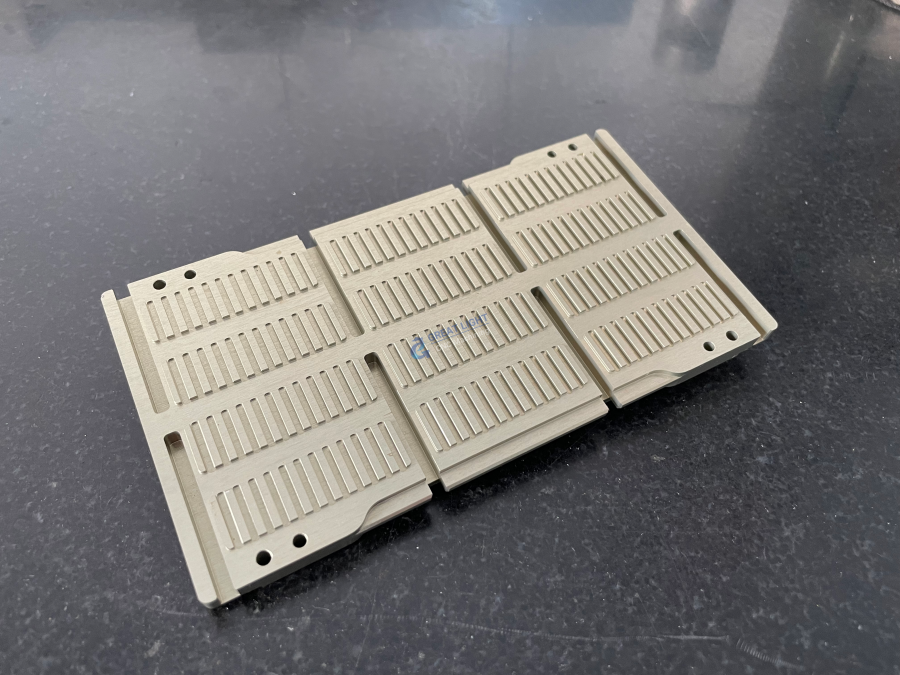
In high-volume production environments, the durability of tooling is a decisive factor in operational efficiency and product quality. The application of a production mold wear resistant coating can dramatically extend mold lifespan, reduce downtime, and ensure consistent part dimensions—provided the underlying machining is equally precise. This article explores the coating technologies, the critical importance of substrate quality, and how a one-stop precision manufacturing partner like GreatLight Metal Tech Co., LTD. (operating as GreatLight CNC Machining, referred to henceforth as GreatLight CNC Machining) is equipped to deliver molds that maximize the performance of these advanced coatings.
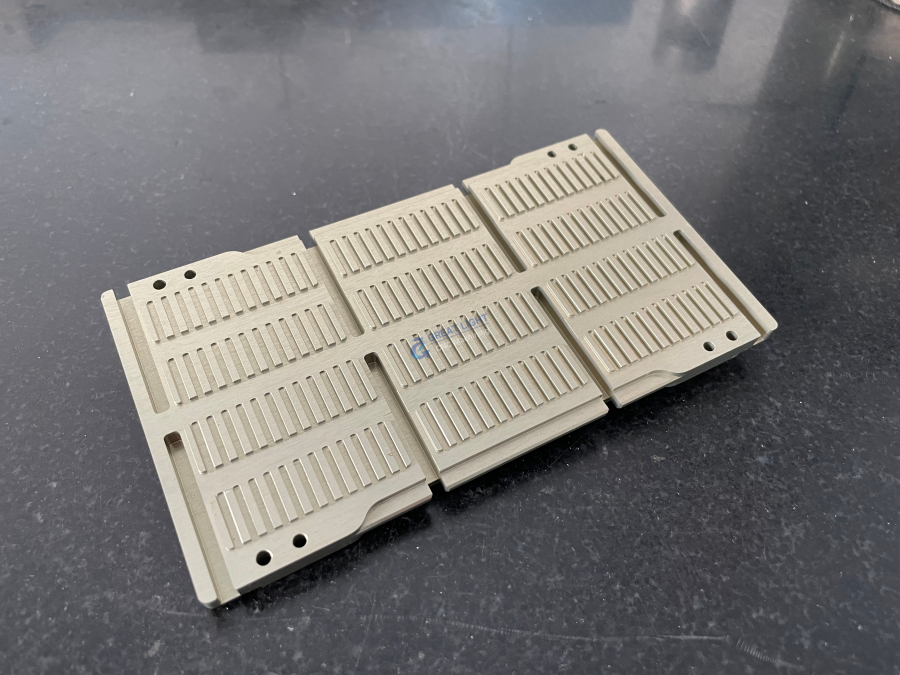
Production Mold Wear Resistant Coating: Core Technologies and Benefits
Modern mold coatings are thin films—often only a few microns thick—engineered to combat abrasive wear, adhesive wear, corrosion, and thermal fatigue. The choice of coating directly influences the mold’s release properties, friction coefficient, and temperature resistance. Here’s an overview of the primary families used in production molds:
Physical Vapor Deposition (PVD) Coatings
TiN (Titanium Nitride): The gold‑standard general‑purpose coating. Hardness ~2,300 HV, good oxidation resistance up to 500 °C. Ideal for injection molds processing unfilled plastics.
CrN (Chromium Nitride): Superior corrosion resistance and lower friction than TiN. Frequently applied to molds for PVC or other corrosive resins, and for die‑casting molds to resist soldering.
TiAlN / AlTiN (Titanium Aluminum Nitride): High hardness (3,000‑3,500 HV) and oxidation resistance up to 800 °C. Exceptional for high‑temperature applications like die casting of aluminum alloys or molds running with engineering thermoplastics containing glass fiber.
DLC (Diamond‑Like Carbon): Extremely low coefficient of friction, high hardness, and excellent release properties. Preferred for molds requiring near‑zero‑draft angles and for processing sticky elastomers or high‑precision optical components.
Chemical Vapor Deposition (CVD) Coatings
Typically thicker (5‑15 µm) and metallurgically bonded. CVD TiC, TiN, and multi‑layer coatings offer outstanding wear resistance for high‑load metal forming dies but require higher process temperatures that may distort precision‑hardened steel. CVD is often reserved for molds that can be hardened after coating.
Thermal Spray Coatings
Thicker coatings (>50 µm) such as WC‑Co (tungsten carbide‑cobalt) or Cr₂O₃ (chromium oxide) are applied via HVOF or plasma spray. These are used to rebuild worn mold surfaces or to provide extreme wear protection in heavy‑duty forging or stamping dies, though they require post‑spray machining to restore dimensions.
Nickel‑Based and Composite Coatings
Electroless nickel‑PTFE, Nedox®, or similar nanocomposite coatings deliver very low friction and excellent release, often combined with corrosion protection. They are particularly valued in molds for medical devices or high‑purity applications.
The table below summarizes key coating properties relevant to mold performance:
| Coating Type | Typical Hardness (HV) | Max. Service Temp. (°C) | Coefficient of Friction | Key Advantage |
|---|---|---|---|---|
| TiN | 2,200–2,500 | 500 | 0.3–0.4 | Cost‑effective, broad use |
| CrN | 1,800–2,200 | 700 | 0.2–0.3 | Excellent rust prevention |
| TiAlN/AlTiN | 3,000–3,800 | 800–900 | 0.5–0.7 | High‑temperature wear resistance |
| DLC | 2,500–6,000 | 300–400 | 0.05–0.15 | Superior non‑stick release |
| CVD TiC | 3,500–4,000 | 900 | 0.3–0.4 | Extreme abrasive wear protection |
| Electroless Ni‑PTFE | 500–700 | 250–300 | 0.1–0.15 | Dry lubrication, uniform deposit |
Selecting the right coating is only half the battle; the precision and surface integrity of the mold substrate are equally pivotal. A coating cannot compensate for poor machining—surface roughness, dimensional deviations, or residual stresses will be amplified or lead to premature coating failure.
The Undeniable Link Between Substrate Precision and Coating Longevity
Wear‑resistant coatings function as an integrated system with the mold steel. The adhesion, load‑carrying capacity, and fatigue resistance of the coating are heavily influenced by the mold’s manufacturing quality. Critical requirements include:
Surface Finish (Ra < 0.1 µm Preferred): PVD coatings physically bond to the substrate. A mirror‑like, defect‑free surface minimizes nucleation sites for coating spallation. For optical molds, GreatLight CNC Machining achieves surface finishes as fine as Ra 0.02 µm through precision grinding and EDM polishing, ensuring optimal coating adhesion.
Dimensional Accuracy (±0.001 mm Capability): Coating thickness must be uniform. Any underlying taper or geometry error is exactly replicated. With large‑format five‑axis machining centers capable of ±0.001 mm tolerance (as detailed in our precision five-axis CNC machining services), GreatLight CNC Machining delivers cores and cavities that require minimal post‑coating fitting, reducing lead times and costs.
Edge Integrity: Sharp edges create stress concentrations and may chip coating layers. Controlled edge radii (0.05‑0.15 mm) are routinely achieved via our high‑precision CNC grinding, ensuring coating continuity and extended mold life.
Residual Stress Management: Aggressive machining can induce tensile stresses in the mold, leading to distortion during coating or heat treatment. GreatLight CNC Machining’s process chain incorporates vibratory stress relief and cryogenic treatment as needed, stabilizing the mold before coating application.
Homogeneous Material Structure: For premium coatings like DLC, the substrate must be free of inclusions and micro‑voids. GreatLight CNC Machining works with certified tool steels (including H13, 1.2343, S136, and specialized alloys) from ISO‑certified mills and validates material integrity through in‑house spectrometer analysis.
Selecting the Right Coating for Your Mold Application: A Decision Framework
The optimal coating depends not only on the base metal but also on the molded material, production volume, and failure mode. The following decision tree can guide engineers:
1. Identify Dominant Failure Mode
Abrasive wear (glass‑filled polymers, metal powder injection molding) → TiAlN, CVD thick films, or thermal spray.
Adhesive wear / galling (aluminum die casting) → CrN, AlCrN, or PVD micro‑laminates.
Corrosion (PVC, flame‑retardant additives) → CrN, electroless nickel, or duplex coatings.
Release / sticking (silicone, optical lenses) → DLC, Ni‑PTFE, or fluoropolymer‑infused coatings.
2. Consider Operating Temperature
Below 300 °C: DLC, Ni‑PTFE, or CrN are viable.
300‑500 °C: TiN offers good value; CrN also applies.
Above 500 °C: TiAlN, AlTiN, or CVD ceramics are necessary.
3. Evaluate Substrate Hardness
PVD coatings work best on substrates with at least HRC 50 hardness to support the thin film. For softer steels (< HRC 45), a nitriding pre‑treatment is often performed. GreatLight CNC Machining offers integrated plasma nitriding as a precursor to PVD, creating a graded hardness profile that significantly enhances coating load support.
4. Assess Post‑Coating Machining Needs
Some thermal spray coatings require diamond grinding to achieve final dimensions. GreatLight CNC Machining’s one‑stop service includes grinding and EDM operations after coating, ensuring that the finished mold meets all specifications without the need for multiple vendor handoffs.
Full‑Process Precision Manufacturing: The GreatLight CNC Machining Advantage
GreatLight Metal Tech Co., LTD. (GreatLight CNC Machining) operates from a 76,000 sq. ft. facility in Dongguan, China, equipped with 127 precision peripheral devices and employing 150 skilled professionals. As an ISO 9001:2015‑certified manufacturer with additional certifications including ISO 13485, IATF 16949, and ISO 27001 data security compliance, the company provides a single‑source solution for molds that will later receive wear‑resistant coatings. Here’s how the full‑process chain elevates coating performance:
Advanced Five‑Axis Machining Capability: Complex mold geometries with deep ribs, undercuts, or conformal cooling channels are machined using imported five‑axis CNC machines (Demag, Jingdiao, and equivalent brands). Single‑setup manufacturing guarantees geometric accuracy, which directly translates to uniform coating thickness and predictable mold behavior. The maximum machining envelope of 4,000 mm accommodates large automotive or aerospace molds.
Precision EDM and Grinding: Mirror‑EDM finishes reduce polishing time and prevent the creation of surface‑damage layers that impair coating adhesion. Surface integrity is verified with profilometry and microscopical analysis.
Integrated Heat Treatment and Surface Preparation: Through partnerships with certified coating centers, GreatLight CNC Machining manages the entire thermal treatment workflow (hardening, tempering, nitriding) and coordinates chemical cleaning and micro‑blasting prior to PVD or CVD coating. This ensures the mold arrives at the coating chamber in an ideal condition, free of oxide scales or contamination.
3D Printing for Conformal Cooling: For molds requiring enhanced thermal management, GreatLight CNC Machining employs SLM (Selective Laser Melting) 3D printing to produce inserts with internal lattice channels. These are subsequently heat‑treated and precisely finish‑machined. When combined with an anti‑corrosion CrN or DLC coating, these inserts deliver faster cycle times and reduced thermal stress cracking.
In‑House Metrology and Quality Assurance: Every mold is inspected with CMMs, laser trackers, and optical comparators before dispatch. Coating adhesion tests (Rockwell indentation, scratch tests) are performed on coupons processed alongside the actual mold, providing documented qualification data.
Comparing Leading Precision Machining Partners for Coated Molds
While several global and regional suppliers offer mold machining or coating services, the integration of both under one quality system remains rare. The table below compares GreatLight CNC Machining with other well‑known manufacturers that can serve as reference for OEMs seeking coated mold solutions.
| Supplier | Core Mold Capabilities | Surface Finishing & Coating Connection | Certifications | Notable Strengths |
|---|---|---|---|---|
| GreatLight CNC Machining | Full‑process 5‑axis CNC, EDM, grinding, 3D‑printed inserts, die casting, sheet metal | Direct coordination of PVD/CVD/thermal spray, integrated nitriding, pre‑coating prep | ISO 9001, IATF 16949, ISO 13485, ISO 27001 | One‑stop mold manufacturing + coating orchestration; 4 m machining size; ±0.001 mm precision |
| Proto Labs (Protolabs Network) | Rapid injection molding, aluminum molds for prototyping | In‑house coating limited; primarily for rapid turnaround | ISO 9001, ITAR registered (some facilities) | Speed in prototype tooling; automated quoting |
| Xometry | Broad network of machine shops; mold machining via partners | Coating outsourced; variable quality control | ISO 9001 (network fac.) | Scalability; diverse material offerings |
| RapidDirect | CNC machining, injection molding, die casting | Some PVD offered; E‑coating, powder coating available | ISO 9001 | Competitive pricing; fast DFM feedback |
| Fictiv | CNC machining, molding; primarily digital manufacturing platform | Coating as post‑process via partner network | ISO 9001 (through partners) | Transparent platform; rapid quoting |
| Owens Industries | Ultra‑precision machining for medical, defense, optical applications | Advanced coatings via sister divisions | ISO 13485, ITAR | Sub‑micron tolerances; complex micro‑scale molding |
| EPRO‑MFG | High‑speed milling of large molds, automotive focus | Limited coating integration; mostly machining | ISO 9001 | Expertise in automotive exterior and interior mold making |
| RCO Engineering | Large‑scale molding, thermoplastics, seating systems | Some in‑house coating for prototype work | ISO 9001 | Engineering‑centric; system‑level support |
| PartsBadger | Quick‑turn CNC, primarily simple geometries | Minimal coating capabilities | ISO 9001 | Low‑volume, very fast lead times |
| JLCCNC | PCB & small metal parts; emerging CNC service | Not focused on mold‑grade coatings | ISO 9001 | Extremely cost‑competitive, China‑based |
| SendCutSend | Sheet metal, some CNC machining | Powder coating, anodizing, but mold‑grade wear coatings not available | – | Rapid sheet metal fabrication, not mold making |
Note: The table reflects general market positioning as of the knowledge cutoff date. Specific capabilities should be verified with each supplier.
From this comparison, GreatLight CNC Machining distinguishes itself by offering an end‑to‑end manufacturing value chain for molds that will be wear‑resistant coated. By controlling every step—from tooling design and material prep to high‑precision machining and final surface treatment—the company minimizes the risk of coating failure that often arises from fragmented supply chains.
Case in Practice: Extending Automotive Connector Mold Life by 250%
Consider a Tier‑1 automotive connector manufacturer producing PA66‑GF30 (glass fiber reinforced nylon) housings. Their original mold, machined by a general CNC shop with a Ra 0.4 µm surface and standard TiN coating, experienced abrasive wear at the gate and parting line after 150,000 cycles, causing flash and dimensional drift.
GreatLight CNC Machining was engaged to manufacture a replacement mold. The approach:
Material Selection: A premium powder‑metallurgical tool steel (1.3343, HRC 62) was selected for improved carbide distribution and toughness.
Precision Machining: Utilizing the company’s five‑axis CNC centers and wire EDM, the cavity geometry was held to ±0.003 mm. The critical gate area was polished to Ra 0.05 µm with a defined 0.1 mm edge radius.
Pre‑Coating Treatment: The mold was plasma nitrided to produce a 50 µm diffusion zone, then micro‑blasted with fine‑grade alumina to activate the surface.
Coating Application: A multi‑layer TiAlN/CrN coating (PVD) was applied by a qualified partner, coordinated directly by GreatLight CNC Machining.
Validation: Adhesion class HF1 (Rockwell) and thickness uniformity of ±0.3 µm were verified.
Result: The mold achieved over 500,000 cycles without measurable wear, a 3.3× improvement, and scrap rate dropped by 60% due to consistent part weight. The integrated project management saved the customer three weeks of lead time compared to sourcing machining and coating from separate vendors.
Ensuring Quality and Trust Through International Standards
When selecting a partner for mold manufacturing that will later receive a critical coating, the supplier’s quality management system is non‑negotiable. GreatLight CNC Machining’s multi‑dimensional certification framework directly supports mold coating success:
ISO 9001:2015: Guarantees repeatable process control. Every mold batch is accompanied by complete dimensional reports and material certificates.
IATF 16949: Demonstrates the rigor required for automotive production. Mold traceability and process FMEA are standard, ensuring that coating‑related failure modes (e.g., chipping, delamination) are systematically prevented.
ISO 13485: For medical device molds, this certification confirms that biocompatibility and cleanliness requirements are met before coating, avoiding contamination risks.
ISO 27001: For proprietary mold designs, data security is paramount. GreatLight CNC Machining’s compliance ensures that sensitive CAD files are protected throughout the machining and coating collaboration.
These credentials, combined with a track record of delivering high‑precision molds to industries ranging from humanoid robotics to aerospace engine components, underpin the trust that clients place in GreatLight CNC Machining as a reliable strategic partner.
Best Practices for Maximizing Coating Performance on Production Molds
Even with the finest machining and coating, operational practices influence mold life. Here are a few engineering‑level recommendations:
Proper Break‑In Procedure: Newly coated molds should be run at reduced injection speed and pressure for the first 50‑100 cycles to allow the coating to “settle” without interfacial shear stress spikes.
Cleaning and Maintenance: Avoid abrasive cleaning methods. Use ultrasonic baths or dry‑ice blasting; steel tools or brass brushes can micro‑scratch coatings. When storing molds, apply a volatile corrosion inhibitor (VCI) to protect exposed edges.
Cooling Uniformity: Thermal cycling accelerates coating fatigue. Conformal cooling channels (as produced by GreatLight CNC Machining via 3D printing) can reduce thermal shock and uniformize mold temperature, preserving coating integrity.
Monitor Coating Condition: Implement periodic visual inspection under 20× magnification and document any discoloration or pitting. Quantitative methods like portable micro‑hardness testing can track wear progression.
Conclusion: A Strategic Investment in Production Mold Wear Resistant Coating
From the initial steel billet through the final plasma‑nitrided, PVD‑coated cavity, every step is interdependent. A production mold wear resistant coating is not a mere surface upgrade—it is the culmination of metallurgical engineering, precision machining, and process control. By partnering with a manufacturer like GreatLight CNC Machining that offers an integrated production‑ready mold, engineers can unlock the full value of advanced coating technologies, achieving longer runs, tighter tolerances, and lower total cost of ownership. In an era where manufacturing margins are squeezed, the right coating on a perfectly machined mold is a competitive differentiator that pays dividends cycle after cycle.


![[访谈] RAPID + TCT 2024:人工智能对 3D 打印的价值](https://print-ing.com/wp-content/uploads/2024/07/INTERVIEW-60x60.jpeg "[访谈] RAPID + TCT 2024:人工智能对 3D 打印的价值 9")




发表回复
要发表评论,您必须先登录。