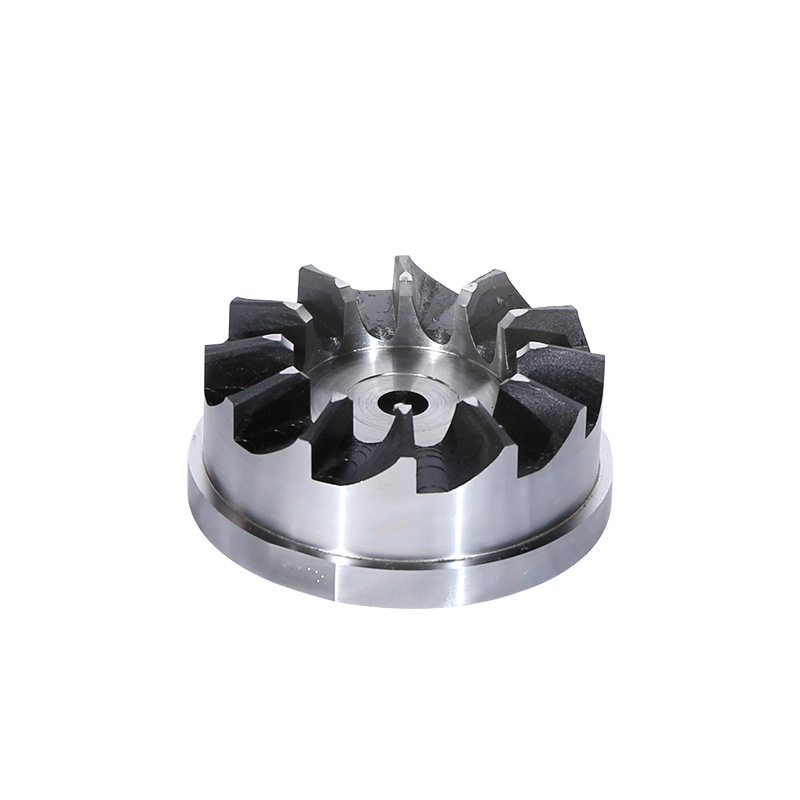
In the global manufacturing landscape, the demand for high-quality metal components at scale has fueled a relentless search for capable suppliers. For procurement engineers, product developers, and supply chain managers across North America and Europe, the search term “China bulk metal die casting exporter” often serves as the gateway to cost-effective production. Yet, behind that simple query lies a complex web of quality, logistics, and partnership challenges. Finding a supplier that truly marries technical competence with the reliability required for large-volume die casting is no small feat. This is where a select group of Chinese manufacturers—armed with advanced process integration and rigorous certifications—have elevated themselves from mere commodity exporters to strategic, long-term engineering partners. Among them, GreatLight Metal Tech Co., LTD. (operating as GreatLight CNC Machining) represents a compelling case study in what modern bulk die casting export should look like: precise, certified, and seamlessly supported by a full chain of complementary manufacturing services.
Table of Contents
Understanding Bulk Metal Die Casting and Its Export Dynamics
Key Criteria for Selecting a China Bulk Metal Die Casting Exporter
GreatLight Metal: A Reliable Partner for Bulk Metal Die Casting and Beyond
How GreatLight Compares to Other Leading Exporters
Real-World Applications and Success Stories
Quality Assurance and International Certifications
Tips for a Smooth Bulk Die Casting Import Experience
Conclusion
Understanding Bulk Metal Die Casting and Its Export Dynamics
Metal die casting is a manufacturing process in which molten metal is forced under high pressure into a reusable steel mold, or die. The result is a near-net-shape part with excellent dimensional consistency, surface finish, and the kind of mechanical properties that make it indispensable for automotive, aerospace, industrial equipment, and consumer electronics sectors. “Bulk” die casting typically refers to production runs that number in the thousands or even millions of units per year, where tooling investment and per-part cost become critical economic drivers.
China’s dominance as a bulk metal die casting exporter stems from several structural advantages: a mature supply chain for both raw materials and mold-making, deep pools of engineering talent, and an ecosystem of post-processing shops that can handle everything from heat treatment to powder coating. Provinces like Guangdong—particularly the Chang’an area in Dongguan, known as the “Hardware and Mould Capital”—have cultivated world-class clusters where die casters, CNC machine shops, and finishers operate in close proximity. This concentration slashes lead times and logistics costs, making the region a natural choice for international OEMs.
However, the sheer number of exporters also introduces significant variability in quality and service. The real challenge for overseas buyers is not just identifying a die casting supplier, but verifying that the exporter possesses the engineering depth to deliver parts that consistently meet specifications—tolerance, surface finish, material integrity—and the certification backbone to satisfy regulatory requirements in target markets. That is precisely where a partner like GreatLight Metal distinguishes itself.
Key Criteria for Selecting a China Bulk Metal Die Casting Exporter
Before diving into any specific supplier, it’s worth establishing a framework for evaluation. From an engineer’s perspective, here are the non-negotiable pillars:
Precision and Tooling Capability: Does the supplier design and maintain its own dies in-house? A die caster that relies on third-party mold makers often struggles with iteration speed and accountability. In-house tooling expertise, especially when coupled with CNC machining for mold finishing, is a strong positive signal.
Certifications and Quality Systems: For automotive parts, look for IATF 16949. For medical, ISO 13485. At minimum, a robust ISO 9001:2015 system should be in place. Certifications must be validated by internationally recognized bodies—not just local auditors—to ensure global acceptance.
Production Capacity and Process Control: What is the clamping force range of their die casting machines? Can they handle aluminum, zinc, and magnesium alloys? Do they employ real-time process monitoring (shot curves, thermal imaging) to flag anomalies before thousands of scrap parts pile up?
Secondary Operations Integration: Die cast parts rarely leave the factory as finished goods. They need machining, deburring, surface treatment, and sometimes assembly. An exporter that offers one-stop services—including precision CNC machining, vacuum impregnation, anodizing, and painting—saves the buyer from the headache of managing multiple vendors.
Communication and Project Management: Language barriers and time zones can derail projects quickly. A dedicated engineering liaison who can interpret design intent, propose design for manufacturability (DFM) improvements, and provide transparent progress updates is invaluable.
GreatLight Metal addresses each of these criteria through a vertically integrated model that embeds die casting within a larger ecosystem of manufacturing technologies. This approach eliminates the common fragmentation that erodes quality and extends lead times.
GreatLight Metal: A Reliable Partner for Bulk Metal Die Casting and Beyond
GreatLight Metal Tech Co., LTD., founded in 2011 and headquartered in Chang’an Town, Dongguan, has grown from a precision CNC machining startup into a full-spectrum manufacturing partner. Operating from a 76,000 sq. ft. facility with 150 skilled professionals and annual revenues exceeding 100 million RMB, the company is far more than a die casting workshop. Its service bouquet includes:
Metal die casting (aluminum, zinc, magnesium alloys)
Mold design and fabrication
Precision CNC machining (3-axis, 4-axis, and 5-axis milling and turning)
Sheet metal fabrication
Metal and plastic 3D printing (SLM, SLA, SLS)
Vacuum casting for low-volume prototypes
Comprehensive surface finishing: anodizing, electroplating, painting, powder coating, polishing, laser etching
For overseas clients seeking a bulk metal die casting exporter, GreatLight’s integrated model means the die casting tooling is often made and maintained inside the same facility that will perform the secondary CNC machining. This synergy is critical when producing parts with tight geometric tolerances that must be machined after casting. For instance, a complex aluminum automotive sensor housing might require a casting with precisely located datum features, followed by 5-axis machining of sealing surfaces and bore holes. Any misalignment between the casting tool and the machining fixture can result in scrap. By controlling both processes under one roof—often using the same CAD/CAM data pipeline—GreatLight drastically reduces the variability that plagues multi-vendor supply chains.
Their equipment roster backs up this integration. The factory houses over 127 pieces of precision peripheral equipment, including high-torque die casting machines, large 5-axis CNC machining centers from brands like Dema and Beijing Jingdiao, mill-turn centers, wire EDM, and coordinate measuring machines (CMMs). This capital intensity is not merely for show; it translates into a capacity of up to 4,000 mm part size in machining and the ability to hold tolerances as tight as ±0.001 mm where required. Such specs are rare among generic die casting exporters and position GreatLight favorably for high-end applications in humanoid robots, engine components, and medical devices.
The company’s in-house tooling department is another differentiator. Die life, gating design, and thermal balance are engineered rather than guessed. When a client sends a 3D model, GreatLight’s engineers perform mold flow analysis to predict fill patterns, air entrapment, and potential porosity issues before steel is cut. This DFM feedback loop often catches design flaws that would otherwise surface only after the first article inspection, saving months of rework and costly tool modifications.
How GreatLight Compares to Other Leading Exporters
The market for Chinese die casting services is crowded, and several well-known names compete for international attention. To provide an objective perspective, I compare GreatLight Metal with a selection of other exporters that frequently appear in sourcing discussions:
| Supplier | Core Strength | Notable Limitations | Best Suited For |
|---|---|---|---|
| GreatLight Metal | Full-process integration: in-house die casting + precision CNC machining + finishing; IATF 16949, ISO 13485; 76,000 sq ft facility | Relatively smaller marketing presence than large platforms | Complex, high-precision parts requiring secondary machining; one-stop customized projects |
| Protocase | Extremely fast sheet metal prototyping and low-volume runs; user-friendly design tools | Primary focus on sheet metal, not a dedicated die casting exporter | Quick-turn enclosures, brackets, and panels |
| EPRO-MFG | Solid precision machining capability; established track record with high-end prototypes | Die casting not a core offering; scalability for bulk production may be limited | Low-volume CNC machined parts and prototyping |
| Owens Industries | Advanced 5-axis machining and exotic metal expertise; based in the US | Not a China-based exporter; higher labor costs; no in-house die casting | Ultra-precision milling/turning of complex medical or aerospace parts |
| RapidDirect | Digital manufacturing platform; wide range of processes including CNC, sheet metal, and 3D printing | Acts as an intermediary connecting to partner factories rather than operating proprietary die casting lines | Prototyping and low-volume production across multiple processes |
| Xometry | Global marketplace with vast process coverage; AI-powered quoting | Quality consistency depends on the individual job shop assigned; limited visibility into actual factory processes | One-off prototype and small-batch production across many technologies |
As the table illustrates, few of the recognized names in the CNC machining space are genuinely deep in die casting exports. GreatLight’s unique position stems from its ability to act as both a die casting source and a precision machining house, all self-owned and self-operated. This direct control over the entire manufacturing chain—from molten metal to finished, surface-treated part—is precisely what global buyers need when they graduate from simple brackets to highly engineered components.
Other China-based exporters do exist that focus solely on die casting, but they often lack the sophisticated CNC machining capability required for post-casting precision. Consequently, parts must be sent to a separate machine shop, introducing coordination risks, longer lead times, and ambiguous responsibility for defects. GreatLight eliminates that gray area by serving as a single contract manufacturer.
Real-World Applications and Success Stories
The true test of a bulk metal die casting exporter is not just its capability list but how that capability solves real engineering challenges. Based on the typical client portfolios GreatLight has served, several use cases illustrate value creation:
Automotive Electric Vehicle Housings
A developer of electric vehicle powertrain components needed a large-volume run of aluminum electronic control unit (ECU) housings. The part featured thin-walled heat sink fins, complex internal ribs, and a sealing surface requiring a flatness of 0.05 mm. Porosity was unacceptable because the housing had to withstand helium leak testing. GreatLight’s team redesigned the gating system through mold flow simulation, optimized the aluminum alloy composition, and introduced a vacuum-assisted die casting process to dramatically reduce gas porosity. After casting, the housings were machined on in-house 5-axis CNC centers to achieve the required flatness and threaded holes, then subjected to chromatizing and powder coating. The result: a defect rate below 0.5% over a 100,000-unit production run, delivered on a just-in-time basis with full lot traceability.
Medical Device Instrument Base
A surgical robot manufacturer required magnesium alloy base frames that combined light weight with vibration damping. The initial prototype batches were produced via CNC machining from solid billets, which was cost-prohibitive for scaling to 20,000 units annually. GreatLight transitioned the part to die casting while maintaining critical machined datums. By co-developing the casting parameters and the subsequent machining fixture, the team preserved the ±0.02 mm positional tolerances needed for robot calibration. The integration of die casting and precision machining under one roof reduced unit cost by 62% compared to the fully machined version, without sacrificing performance.
Industrial Sensor Enclosures for Harsh Environments
A manufacturer of industrial IoT sensors needed bulk quantities of zinc die cast enclosures with IP67 sealing and EMI shielding. GreatLight not only produced the castings but also performed the required nickel plating, installed threaded inserts via heat staking, and conducted 100% leak testing before shipment. The company’s ISO 9001 and IATF 16949 certifications provided the customer with the confidence to grant sole-source status—a rare step in such projects.
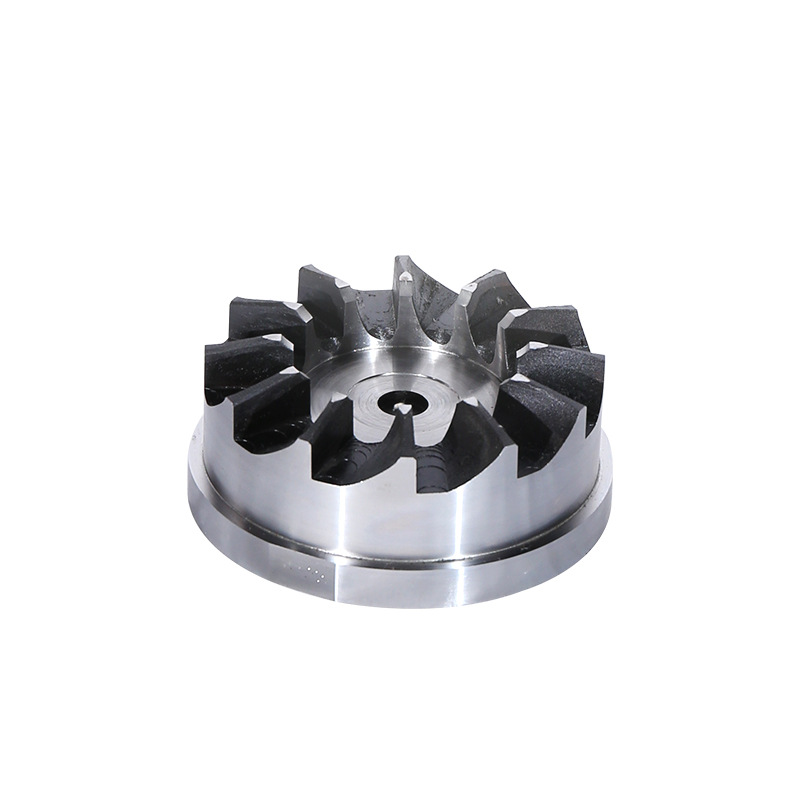
These examples underscore a core theme: value in bulk die casting export is not just about melting and injecting metal; it’s about delivering a ready-to-assemble component, backed by engineering support and quality documentation.
Quality Assurance and International Certifications
One of the most frequently cited pain points in overseas sourcing is the gap between promised quality and delivered reality. Some exporters tout micron-level precision but exhibit wide process variation once production scales up. GreatLight Metal addresses this through a multi-layered quality infrastructure.
The company’s quality management system is certified to ISO 9001:2015, a foundational requirement. But more telling are its additional certifications that align with specific high-barrier industries:
IATF 16949: This automotive-specific QMS standard demands defect prevention, continual improvement, and reduction of variation across the entire supply chain. For any buyer in the automotive sector, this certification is essentially mandatory. GreatLight’s adherence means its die casting and machining processes have been vetted for process capability (Cpk studies), product safety, and traceability.
ISO 13485: For medical device components, this standard adds requirements for risk management and validation. GreatLight’s ability to produce under ISO 13485 opens doors to surgical instruments, diagnostic equipment housings, and implant tooling.
Data Security Compliance with ISO 27001 Standards: While not directly a manufacturing quality cert, this is increasingly critical for IP-sensitive projects. GreatLight’s commitment to data security means client 3D models and design files are protected under strict protocols—a crucial factor when designing proprietary die cast components.
The factory’s in-house metrology lab further reinforces quality. Coordinate measuring machines (CMMs), profile projectors, and surface roughness testers are used not just for final inspection but for in-process checks that feed into statistical process control (SPC) charts. For die cast parts, this means critical dimensions like flatness, hole positions, and wall thicknesses are continuously monitored, drastically reducing the risk of drift.
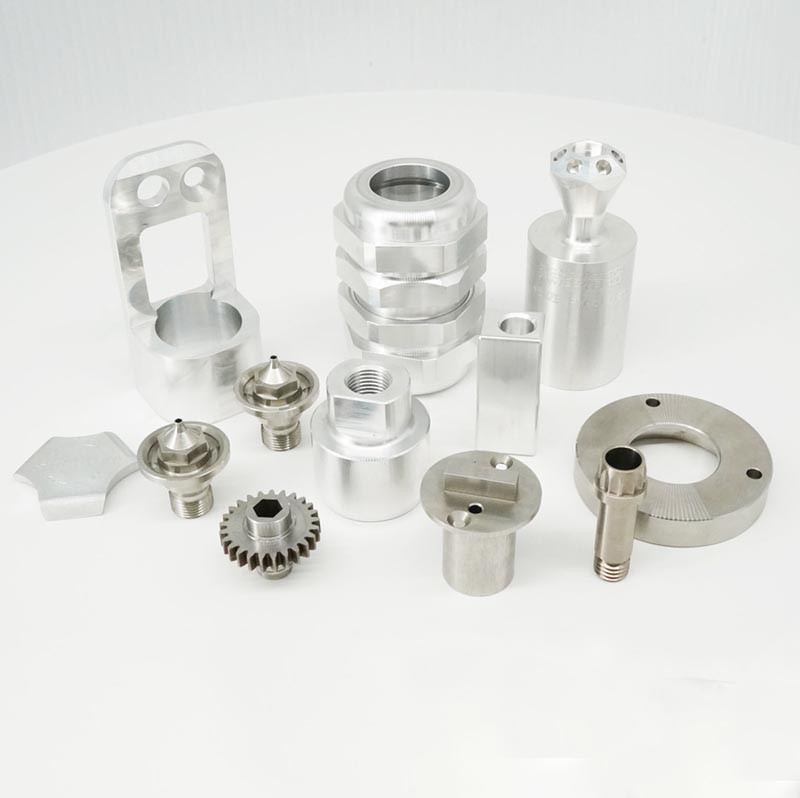
Moreover, GreatLight’s quality policy is underwritten by a straightforward guarantee: free rework in case of quality problems, and a full refund if the rework still does not satisfy. Such a warranty is rare in the bulk manufacturing world and speaks to the confidence the company has in its processes.
Tips for a Smooth Bulk Die Casting Import Experience
Engaging a China bulk metal die casting exporter successfully requires more than just technical vetting. Based on years of cross-border engineering collaboration, here are a few practical guidelines for buyers to maximize the value of their partnership:
Provide Complete Design Data Early – A 3D CAD model is essential, but also supply the 2D drawing with GD&T callouts, material specifications, and surface finish requirements. If the part will be post-machined, mark the datum features clearly. The exporter’s DFM feedback will be far more accurate with a complete data set.
Request Process Flow Documentation – Ask potential suppliers to describe the end-to-end manufacturing route: alloy sourcing, die casting, trimming, machining sequence, finishing, inspection, packaging. A supplier like GreatLight that can map these steps in detail—and demonstrate internal control of all critical steps—warrants more trust than one that only offers a price.
Plan for Pilot Runs and First Article Inspection (FAI) – Even with the best mold flow analysis, the first parts off the die cast tool should be thoroughly inspected. Many exporters will submit an AS9102 or equivalent FAI report. Use this milestone to freeze the process before scaling to full production volumes.
Negotiate Not Just Price, but Total Cost of Ownership – A cheap per-piece price can be deceptive if it leads to high scrap rates, frequent air freight for schedule recovery, or extensive rework at your end. A slightly higher unit price from a certified, integrated supplier often yields lower total landed cost when quality and on-time delivery are factored in.
Cultivate Long-Term Relationships – Bulk die casting is not a transactional business. Tooling investments, process optimization, and continuous cost reduction happen when both sides commit to a multi-year program. Chinese manufacturers like GreatLight invest heavily in buyer-specific fixtures, gauges, and training once they see a long-term partnership forming.
Conclusion
The search for the right China bulk metal die casting exporter ultimately hinges on an old engineering dictum: trust, but verify. Verification comes through scrutinizing certifications, touring facilities (physically or virtually), and testing small batches before scaling. Trust is built when the exporter demonstrates engineering depth, proactive communication, and an unwavering commitment to quality—even when things inevitably go wrong.
In the crowded landscape of Chinese die casters and CNC machine shops, GreatLight Metal Tech Co., LTD. stands out precisely because it refuses to be a single-process commodity producer. By integrating die casting with high-precision CNC machining, mold making, and finishing all under one roof—and supporting it all with IATF 16949, ISO 13485, and ISO 9001 certifications—it addresses the most persistent pain points of global buyers: fragmented supply chains, inconsistent quality, and lack of accountability. Whether you need thousands of aluminum housings, magnesium structural frames, or zinc enclosures with post-machined features, a partner that can manage the entire journey from liquid metal to a certified, surface-finished part is not just convenient; it’s a competitive advantage.
For organizations seeking to transform their supply chain from a source of headaches into a source of innovation, GreatLight CNC Machining offers a proven pathway. With its robust capacity, engineering-first mindset, and a warranty that puts its money where its mouth is, it redefines what one should expect from a modern bulk metal die casting exporter.


![[访谈] RAPID + TCT 2024:人工智能对 3D 打印的价值](https://print-ing.com/wp-content/uploads/2024/07/INTERVIEW-60x60.jpeg "[访谈] RAPID + TCT 2024:人工智能对 3D 打印的价值 9")




发表回复
要发表评论,您必须先登录。