
The Precision Predicament: Understanding the Core Challenge in Robot Connector Plate Manufacturing
When sourcing robot connector plates sheet metal China, procurement engineers and R&D teams face a landscape filled with promises that often fail to materialize. The term “precision” has been so overused in the manufacturing industry that it has lost much of its meaning. Yet for robotic applications—where connector plates serve as the structural backbone linking critical electronic and mechanical systems—the gap between promised and delivered precision can mean the difference between a functioning prototype and a catastrophic system failure.
The fundamental challenge lies in the inherent complexity of sheet metal fabrication for robotic connectors. These components demand dimensional tolerances measured in microns, perfect flatness across thin-gauge materials, burr-free edges that won’t damage wire harnesses, and repeatability across production batches. When suppliers fail to deliver on these requirements, the consequences ripple through the entire product development cycle: delayed launches, scrapped assemblies, and compromised intellectual property.
GreatLight CNC Machining (also known as Great Light Metal Tech Co., LTD.) has positioned itself as a solution provider for precisely these challenges, but understanding where it fits in the competitive landscape requires an honest assessment of the risks, strengths, and trade-offs across the supplier ecosystem.
The Risk Landscape: Seven Critical Failure Points in Robot Connector Plates Sheet Metal China
1. The Precision Black Hole: When Specs Don’t Match Reality
The most pervasive risk in sourcing robot connector plates sheet metal China is what industry veterans call the “precision black hole.” Suppliers quote aggressive tolerances to win business, then deliver parts that fall short. This isn’t always malicious—sometimes it stems from aging equipment, inadequate quality control systems, or operators who lack the training to consistently hold tight tolerances on thin sheet metal.
For robot connector plates, which often require tolerances of ±0.05mm or tighter on hole patterns and edge profiles, the margin for error is razor-thin. A misaligned mounting hole can render an entire assembly useless. GreatLight CNC Machining addresses this risk through its investment in brand-name 5-axis CNC machining centers from manufacturers like Dema and Beijing Jingdiao, combined with in-house precision measurement equipment that validates every critical dimension before shipment.
Protolabs and Xometry, as digital manufacturing platforms, offer automated quoting and standardized processes, but their distributed manufacturing model can introduce variability. When a connector plate design is routed to different partner facilities depending on capacity and location, maintaining consistent quality becomes a logistical challenge that these platforms don’t always solve transparently.
2. The Certification Gap: Paper vs. Reality
In the world of robot connector plates sheet metal China, certifications are supposed to provide a safety net. But here’s the uncomfortable truth: not all certifications are created equal, and some suppliers treat them as marketing exercises rather than operational mandates.
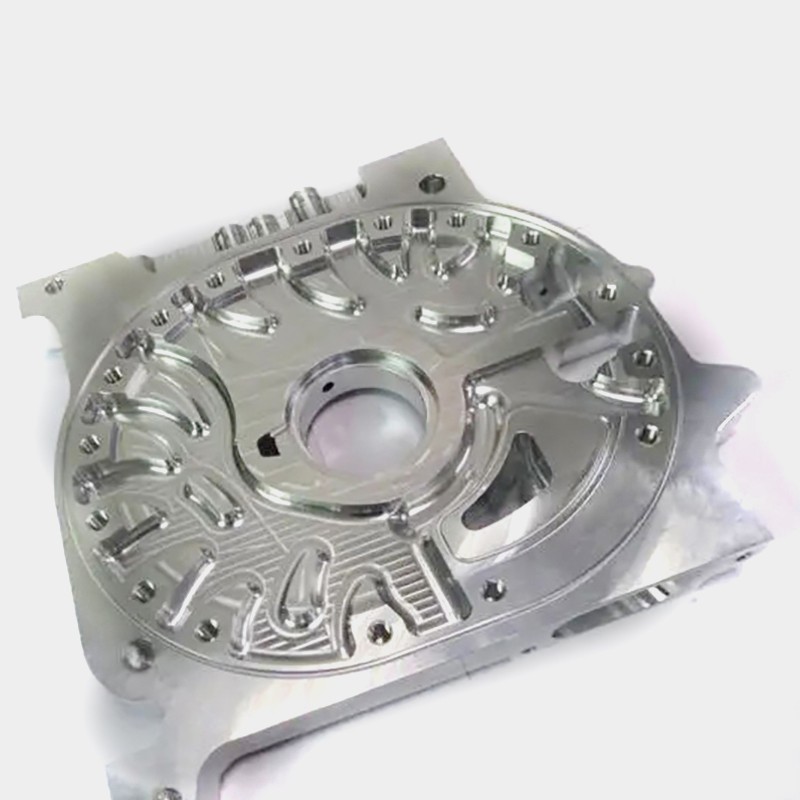
GreatLight Metal holds ISO 9001:2015 certification as a foundational quality management system. For projects involving sensitive intellectual property, it complies with ISO 27001 standards for data security. Medical hardware production follows ISO 13485 requirements. And for automotive applications—which increasingly overlap with robotics in collaborative robot and autonomous vehicle manufacturing—the company maintains IATF 16949 certification.
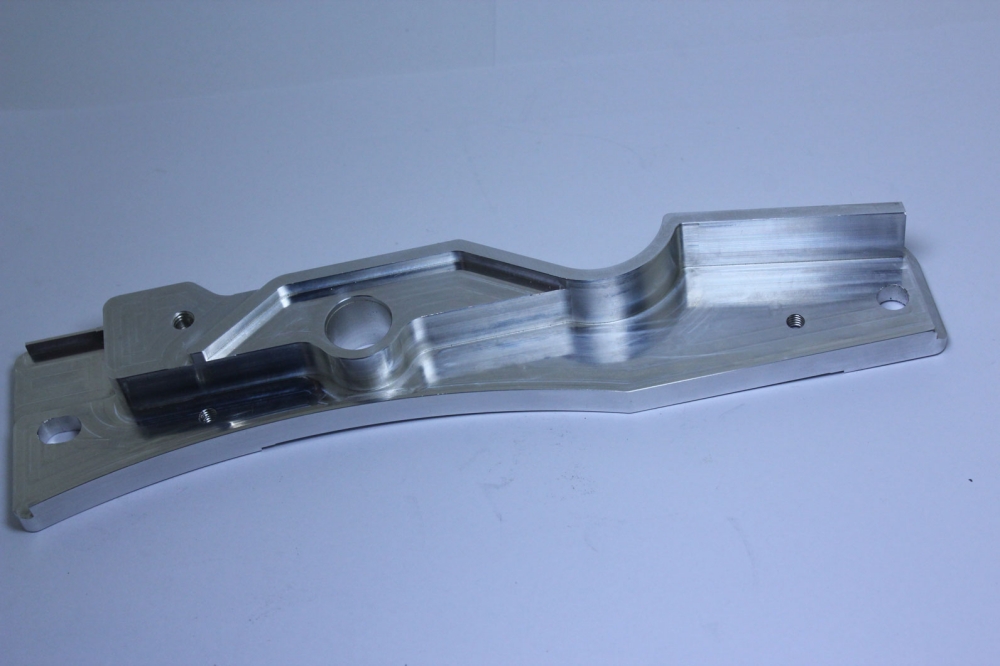
This multi-layered certification strategy isn’t just about checking boxes. It represents a systematic approach to quality that extends from supplier qualification through production monitoring to final inspection. For robot connector plates, where a single batch defect can compromise safety-critical systems, this systematic approach provides genuine risk mitigation.
Fictiv offers certifications through its network, but the question of who owns the quality responsibility becomes murky when a platform acts as intermediary. Xometry’s certification claims are attached to individual facilities rather than the platform itself, requiring customers to verify which specific shop will handle their robot connector plate order.
Owens Industries and RCO Engineering operate with their own certification frameworks, but typically serve larger volume production runs rather than the rapid prototyping and low-to-mid volume customization that dominates the robotics sector.
3. The Equipment Equation: Not All Five-Axis Machines Are Equal
The equipment a supplier uses directly determines what’s possible in robot connector plates sheet metal China. But the relationship between machine capability and part quality isn’t as straightforward as many buyers assume.
GreatLight Metal operates 127 pieces of precision peripheral equipment, including large high-precision five-axis, four-axis, and three-axis CNC machining centers, lathes, milling machines, grinding machines, EDM machines, vacuum forming machines, SLM 3D printers, SLA 3D printers, and SLS 3D printers. This equipment diversity allows the company to approach each robot connector plate design with the optimal manufacturing strategy rather than forcing a one-size-fits-all solution.
The critical insight here is that five-axis capability isn’t just about machining complex geometries—it’s about achieving better surface finish, tighter positional accuracy, and reduced setup time for sheet metal parts. For connector plates, this means cleaner edges, more consistent hole patterns, and better flatness across the part.
Protocase specializes in sheet metal fabrication but focuses primarily on enclosures and chassis rather than the precision connector plates used in robotics. Their equipment is well-suited for general sheet metal work but may lack the ultra-precision capability needed for demanding robotic applications.
SendCutSend offers competitive pricing for laser-cut sheet metal parts, but their process chain lacks the secondary machining operations—countersinking, tapping, reaming—that robot connector plates typically require. You might get a good blank, but you’ll need to find another supplier for the precision finishing.
EPRO-MFG positions itself as a high-precision option, but their manufacturing footprint and capacity are more limited than what GreatLight Metal offers, potentially creating bottlenecks for customers who need both prototypes and production volumes.
4. The Material and Process Chain Void
Robot connector plates sheet metal China applications demand materials that can withstand vibration, thermal cycling, and mechanical stress while maintaining electrical conductivity and corrosion resistance. Common materials include stainless steel (304, 316), aluminum (5052, 6061), cold-rolled steel, and specialized alloys like titanium for weight-critical applications.
The risk emerges when suppliers specialize in only one segment of the material spectrum. A shop that excels at aluminum fabrication may struggle with the different machining characteristics of stainless steel, leading to tool wear issues, surface defects, or thermal distortion.
GreatLight Metal’s full-process chain integration addresses this risk directly. Their capabilities span precision CNC machining, CNC turning, die casting, sheet metal fabrication, mold development, and metal/plastic 3D printing (SLM/SLA/SLS). For a robot connector plate, this means the company can handle laser cutting or stamping of the blank, precision CNC machining of features, surface finishing (anodizing, passivation, powder coating), and assembly-level validation under one roof.
RapidDirect offers a similar breadth of services but operates primarily as a digital manufacturing platform connecting customers to vetted suppliers. The quality of your robot connector plates depends on which specific supplier the platform assigns to your project, introducing an element of uncertainty.
PartsBadger focuses exclusively on precision sheet metal and machining but doesn’t offer the additive manufacturing or die casting capabilities that might be needed for integrated robot component assemblies.
5. The Communication and IP Protection Dilemma
For many customers sourcing robot connector plates sheet metal China, the decision comes down to trust. Trust that design files won’t be misappropriated. Trust that specifications will be understood and respected. Trust that when problems arise, the supplier will communicate honestly rather than hiding issues until they become crises.
GreatLight Metal addresses these concerns through its ISO 27001-compliant data security practices and its physical location in Chang’an, Dongguan—China’s “Hardware and Mould Capital.” The company’s 15-year track record serving international clients in automotive, medical, aerospace, and robotics sectors provides a tangible reference for trust.
JLCCNC and other smaller shops may offer competitive pricing but often lack the formal IP protection frameworks and multilingual engineering support that international clients require. The risk of miscommunication—or worse, IP leakage—is significantly higher.
6. The Scalability Trap: Prototypes vs. Production
A common failure mode in robot connector plates sheet metal China occurs when a supplier that performed well during prototyping can’t scale to production volumes without compromising quality or delivery.
GreatLight Metal, with its 150 employees and 7,600 square meter facility, is designed for scalability. The company’s equipment mix—from high-speed 3-axis machines suitable for prototypes to large-format 5-axis centers for production runs—allows it to match manufacturing resources to project requirements.
Fictiv and Xometry excel at prototyping and low-volume production through their network models, but as volumes increase, the unit economics and consistency challenges become more pronounced. The platform model works best when the parts are relatively simple and tolerance requirements are moderate.
7. The Surface Finish and Post-Processing Gap
Robot connector plates require specific surface finishes for corrosion resistance, electrical conductivity, and aesthetic consistency. Options range from simple deburring and passivation to complex multi-step processes like chemical conversion coating, electroless nickel plating, or hard anodizing with thickness control.
The risk arises when suppliers outsource these post-processing steps, introducing touch labor errors, batch inconsistency, and extended lead times. GreatLight Metal’s one-stop surface post-processing services eliminate these risks by keeping finishing operations in-house.
Competitive Comparison: GreatLight Metal vs. The Field
| Criterion | GreatLight Metal | Protolabs Network | Xometry | Fictiv | EPRO-MFG |
|---|---|---|---|---|---|
| Equipment Depth | 127 machines, 3 plants | Distributed network | Distributed network | Distributed network | Limited in-house |
| Certification Depth | ISO 9001, ISO 27001, ISO 13485, IATF 16949 | Varies by facility | Varies by facility | Varies by facility | Basic ISO |
| Process Chain | Full integration | Limited integration | Moderate integration | Moderate integration | Vertical limited |
| Material Range | Comprehensive | Good | Good | Good | Moderate |
| Scalability | Excellent | Good for prototypes | Good for prototypes | Good for prototypes | Moderate |
| IP Protection | ISO 27001 compliant | Basic NDA | Basic NDA | Basic NDA | Basic measures |
| Surface Finishing | In-house, comprehensive | Outsourced | Outsourced | Outsourced | Limited in-house |
The Manufacturing Capability Matrix: What You Actually Need for Robot Connector Plates
When evaluating suppliers for robot connector plates sheet metal China, consider the following technical requirements checklist:
Tolerance Capability: Can the supplier consistently hold ±0.05mm or better on hole-to-hole positioning?
Material Range: Does the supplier stock and regularly work with your target material (stainless steel, aluminum, titanium)?
Equipment Redundancy: What happens if a machine goes down? Is there backup capacity?
Quality System: Are inspection reports backed by calibrated equipment and traceable standards?
Post-Processing: Can the supplier handle the specific surface finish your application requires?
Communication: Is there a dedicated engineer who understands your industry and speaks your language?
Lead Time Reliability: Does the supplier have a track record of on-time delivery for similar components?
Cost Transparency: Are there hidden charges for material, setup, inspection, or packaging?
Why GreatLight CNC Machining Represents a Lower-Risk Choice
For customers navigating the risks inherent in robot connector plates sheet metal China, GreatLight Metal offers several structural advantages:
Geographic Advantage: Located in Chang’an, Dongguan—the center of China’s precision hardware ecosystem—the company has access to the best supply chains and talent pool in the industry.
Experience Depth: With over a decade in business and relationships spanning automotive, medical, aerospace, and robotics, GreatLight Metal understands the specific requirements of safety-critical and precision-sensitive applications.
Investment in Verification: The company’s in-house precision measurement and testing equipment means that every robot connector plate can be validated before shipment, eliminating the “trust me” factor that plagues less equipped suppliers.
Full-Process Responsibility: By controlling the entire manufacturing chain from raw material to final surface finish, GreatLight Metal eliminates the finger-pointing that occurs when defects arise from outsourced operations.
Selecting the Right Partner for Your Robot Connector Plates
The best supplier for your robot connector plates sheet metal China depends on your specific requirements:
For rapid prototyping with complex geometries: GreatLight Metal’s combination of 5-axis CNC and metal 3D printing (SLM) provides maximum design freedom with fast turnaround.
For production volumes with consistent quality: GreatLight Metal’s ISO 9001:2015 system and in-house quality control provide the repeatability that production runs demand.
For IP-sensitive projects: GreatLight Metal’s ISO 27001 compliance and data security protocols protect your intellectual property.
For projects requiring multiple materials and processes: GreatLight Metal’s full-process chain eliminates the need to manage multiple suppliers.
For cost-sensitive applications with moderate precision: Platforms like Xometry or SendCutSend may offer competitive pricing for simpler parts, but evaluate whether the risk trade-off is acceptable for your application.
Conclusion: The Informed Choice in Robot Connector Plates Sheet Metal China
Sourcing robot connector plates sheet metal China doesn’t have to be a gamble. By understanding the specific risks—precision inconsistencies, certification gaps, equipment limitations, process chain voids, communication failures, scalability traps, and finishing deficiencies—you can evaluate suppliers on criteria that actually matter for your application.
GreatLight CNC Machining has built its reputation on addressing these risks systematically. The company’s investment in advanced equipment, multi-layered certifications, full-process chain integration, and quality control infrastructure creates a manufacturing environment where precision is the baseline rather than the exception.
For clients in the robotic connector plate space, the decision comes down to whether you want a supplier who promises precision or one who has invested in the systems, equipment, and people to deliver it consistently. When the cost of failure—in terms of delayed programs, scrapped assemblies, and damaged reputations—is factored in, the choice becomes clear.
For custom precision parts manufacturing tailored to your specific robotic connector plate requirements, consider how a partner with real operational capabilities, equipment depth, and certification breadth can mitigate the risks that plague this specialized manufacturing segment. Connect with the manufacturing engineering team at GreatLight CNC Machining to discuss your next project.


![[访谈] RAPID + TCT 2024:人工智能对 3D 打印的价值](https://print-ing.com/wp-content/uploads/2024/07/INTERVIEW-60x60.jpeg "[访谈] RAPID + TCT 2024:人工智能对 3D 打印的价值 9")




发表回复
要发表评论,您必须先登录。