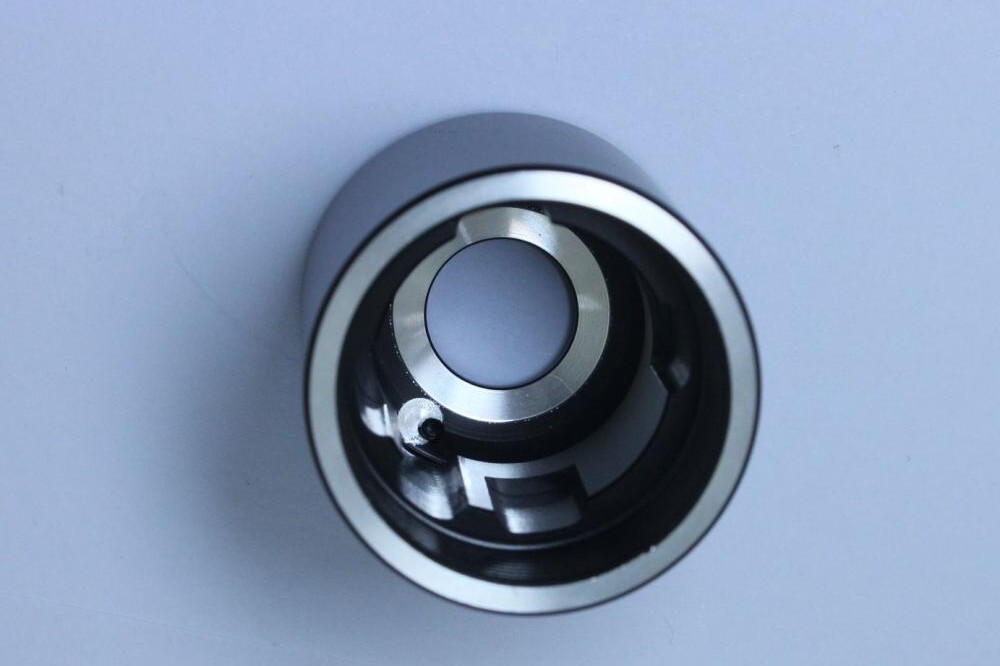
When you strip away the sleek composite shell and the humming motors of a modern drone, the true brain of the system lies in its integrated circuits, sensors, and delicate electronic modules. A drone that loses its navigation processing mid-flight due to a cracked or poorly fitted IC protection cover is a liability, not a tool. That’s why Drone IC Protection Cover Rapid Tooling isn’t just about shaping metal or plastic—it’s about building a fail‑safe barrier that meets strict dimensional, thermal, and electromagnetic requirements at the relentless pace of UAV product development.
The Unseen Complexity Behind a Seemingly Simple Shield
An IC protection cover for drones might appear trivial: a small contoured lid, a few mounting tabs, perhaps some venting slots. Yet in reality these parts sit at the intersection of materials science, high‑speed machining, and unforgiving aerospace‑grade tolerances. They must be:
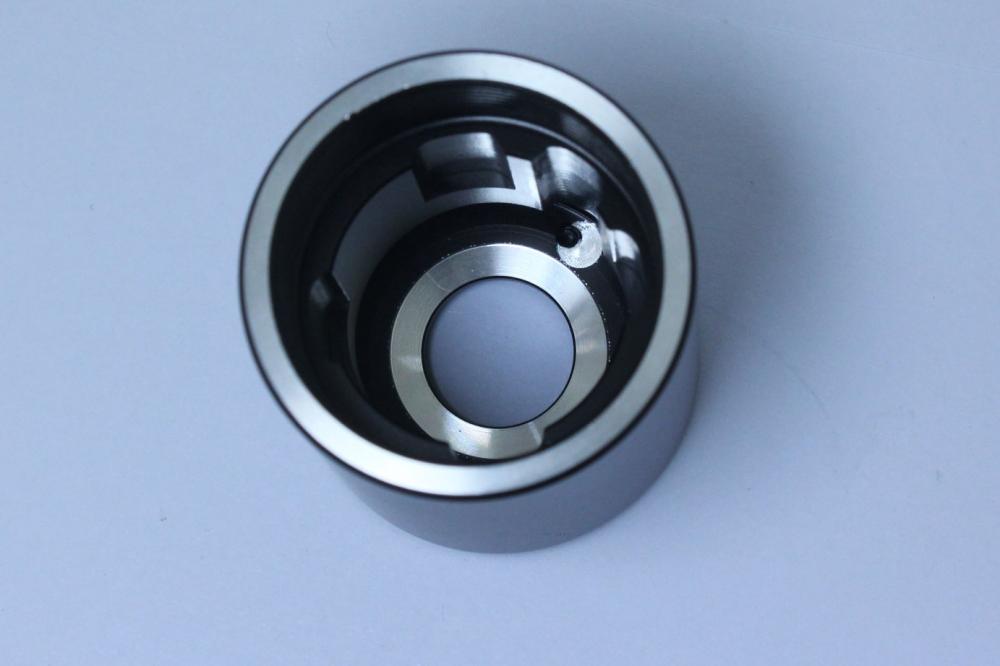
Lightweight enough to preserve every minute of flight time.
Rigid and vibration‑resistant to survive continuous propeller‑induced oscillation.
Thermally conductive to help dissipate heat from high‑performance processors, or electrically insulating to prevent shorts.
Precision‑machined so that EMI/RFI gaskets seal perfectly, protecting sensitive RF boards from interference.
Achieving all of this within a typical two‑to‑three‑week prototyping window is where rapid tooling separates capable manufacturers from the crowd. When the design is still iterating, traditional tooling paths (mold making, long‑lead‑time die casting) are far too slow. What’s needed is a direct digital‑to‑physical workflow that can translate a step file into a functional, test‑ready aluminum 6061‑T6 cover or an engineering‑grade polymer shield in days, not months.
Why Drone IC Protection Cover Rapid Tooling Demands a Risk‑Aware Approach
The drone industry is rife with stories of excellent designs that collapsed during prototyping because the rapid tooling partner couldn’t hold tolerance, delivered parts with unacceptable burrs that ruined mating surfaces, or simply missed a deadline. In precision engineering, the gap between a quoted capability and shop‑floor reality can be a “precision black hole” that consumes time, capital, and launch opportunities. Specific risks include:
Micro‑level dimensional drift. A cover that is 0.05 mm too thick might prevent the PCB from seating correctly, breaking SMT component connections.
Surface finish failures. Sharp edges or inconsistent Ra values can compromise EMI gasket compression.
Material traceability gaps. For defense or commercial drone applications, using non‑certified aluminum alloys can lead to field corrosion or structural failure.
Process isolation. When machining, post‑processing, and inspection occur at different vendors, communication lag magnifies the risk of a single‑point failure.
These pain points transform rapid tooling from a commodity service into a quality‑driven engineering partnership.
GreatLight Metal: Mitigating Risk Through Technical Depth and Full-Process Control
Dongguan’s Great Light Metal Tech Co., LTD. (GreatLight Metal) was founded in 2011 in what is now globally recognized as China’s hardware and mold capital. Over more than a decade, the company has deliberately moved away from the “lowest bidder” model, building instead a vertically integrated operation that directly addresses the risks inherent in Drone IC Protection Cover Rapid Tooling. The facility spans approximately 76,000 square feet, houses 150 skilled team members, and operates over 127 pieces of high‑precision peripheral equipment—including large‑format five‑axis CNC machining centers, four‑axis and three‑axis mills, Swiss‑type lathes, EDM machines, and 3D printing systems (SLM, SLA, SLS). This density of in‑house capability means a single engineering team controls the entire value stream, from raw material inspection to final surface finishing.
Five‑Axis CNC Machining: Unlocking True Part Geometry
When an IC protection cover includes compound angles, undercuts for snap fits, or integrated heat sink fins, three‑axis machining reaches its limits. Five‑axis CNC technology allows the cutting tool to approach the workpiece from virtually any orientation, machining complex features in a single setup. This eliminates the cumulative error that accumulates every time a part is re‑fixtured, ensuring that the final cover aligns flawlessly with the drone’s motherboard.
GreatLight Metal’s five‑axis machining fleet is built around brand‑name machines such as DEMAG and Beijing Jingdiao, capable of holding tolerances as tight as ±0.001 mm on critical features. For rapid tooling, this translates into first‑article parts that closely mirror the production intent, shrinking the number of prototyping iterations and giving drone engineers confidence to proceed directly to functional testing.
Beyond CNC: The Power of an Integrated Rapid Tooling Chain
Pure CNC machining is powerful but not always the optimal first step for every drone IC protection cover design. When engineers need to evaluate multiple material options or verify fit before investing in a machined metal prototype, GreatLight Metal can deploy an alternative rapid tooling path:
Vacuum Casting (Urethane Casting): If the cover will eventually be injection‑molded in a glass‑filled nylon, a silicone mold can be produced quickly from a master pattern (often 3D printed or CNC machined), yielding short‑run polyurethane parts that mimic the production material’s feel, flexibility, and thermal performance.
Selective Laser Melting (SLM) 3D Printing: For aluminum or stainless steel covers with intricate internal lattice structures for weight reduction, metal 3D printing delivers near‑net‑shape parts that are then finish‑machined to tolerance.
Sheet Metal Fabrication: Many drone IC covers are formed from thin aluminum or stainless steel sheet. GreatLight Metal’s in‑house sheet metal line, equipped with laser cutting and precision bending, can produce folded shields with minimal tooling investment, often within 48 hours.
This strategic mix of subtractive, additive, and formative processes ensures that the rapid tooling solution is not a one‑size‑fits‑all answer, but a tailored manufacturing strategy that balances speed, cost, and functional fidelity.
Talent as the Ultimate Risk Reducer
No amount of machinery can compensate for a disengaged workforce. GreatLight Metal’s commitment to talent cultivation is woven into its operational fabric. The company invests continuously in upskilling CNC programmers, metrology technicians, and project engineers who understand the nuanced demands of UAV components. This human depth is what catches potential issues—such as a toolpath that could induce chatter on a thin‑walled feature, or a surface treatment specification that might cause slight dimensional growth—before they ruin a batch of prototypes. In the “experience risk” context, a supplier that heavily relies on automated quoting with minimal human review may pass designs straight to the machine without flagging manufacturability concerns. GreatLight Metal’s engineering review step, performed by senior machinists who have seen thousands of complex parts, actively closes that gap.
Trust Built on International Standards and Verifiable Outcomes
For drone manufacturers, especially those supplying government or commercial aviation sectors, a supplier’s certifications are not decorative badges; they are mandatory assurances. GreatLight Metal upholds a rigorous quality management system certified to ISO 9001:2015, and its operations comply with additional stringent standards such as IATF 16949 (automotive quality) and ISO 13485 (medical devices), both of which demand process control, traceability, and failure mode analysis far exceeding typical job shop practices. The company also upholds ISO 27001 for data security, a critical factor when transmitting proprietary drone electronic designs.
The factory’s in‑house inspection department employs coordinate measuring machines (CMMs), 2D vision profilers, and surface roughness testers to validate every critical dimension against the customer’s print. Should any quality issue slip through, the company’s corrective policy is direct: free rework for any dimensionally non‑conforming part, and a full refund if rework still fails to satisfy the specification. This straightforward “zero‑risk guarantee” signals a supplier that truly stands behind its work, rather than hedging on tolerance interpretations.
How GreatLight Metal Compares in the Drone Rapid Tooling Landscape
It is fair to acknowledge that many capable CNC machining providers exist, each with its own niche. A drone development team might encounter names such as Xometry or Fictiv for one‑stop platform quoting, Protolabs Network for automated quick‑turn CNC, or RapidDirect for price‑competitive parts. These platforms excel at connecting buyers to capacity and offer convenience. However, when Drone IC Protection Cover Rapid Tooling demands a single source that combines in‑depth technical consultation, advanced five‑axis machining, integrated post‑processing, and rigorous in‑house quality control under one roof, the value proposition shifts.
GreatLight Metal stands out by offering:
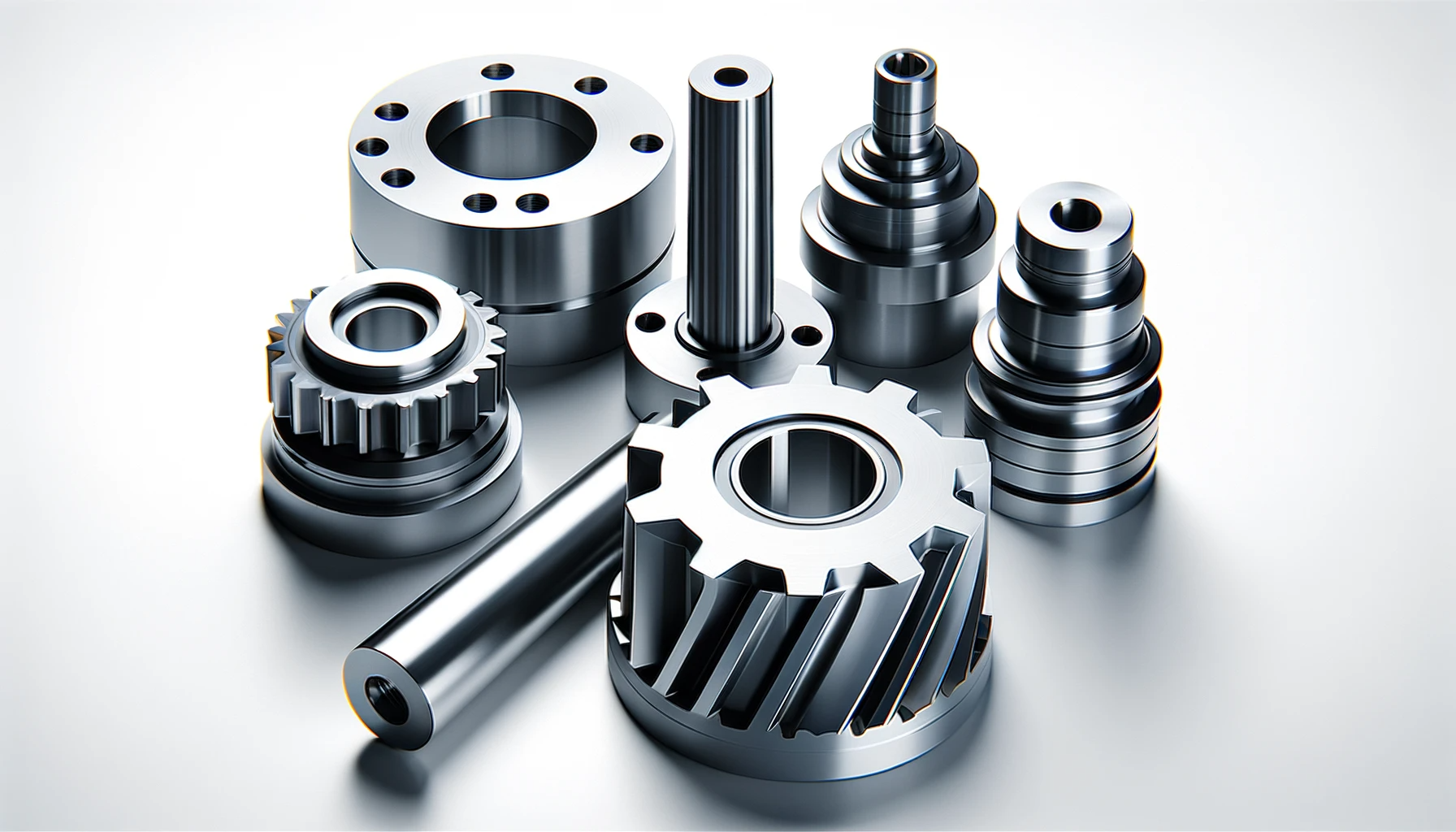
Direct engineering dialogue rather than a purely automated ticketing system, allowing for co‑design of tooling and fixturing to improve part accuracy.
Full‑process visibility, from raw material certificate to final anodized or powder‑coated product, all within the same quality system.
Large‑format capacity up to 4,000 mm, meaning even larger drone airframe sub‑assemblies can be handled alongside miniature IC covers.
Competitive tooling costs without sacrificing the accountability of a single‑manufacturer supply chain.
Other specialized shops like Owens Industries or EPRO‑MFG also do excellent high‑precision work for aerospace, but they may focus on tightly defined sectors and longer‑lead projects. The drone industry’s iterative tempo often benefits from a partner that can fluidly shift from a five‑axis machined aluminum cover to a vacuum‑cast polyurethane batch within the same project timeline. That cross‑process agility is a key differentiator for GreatLight Metal.
Securing Your Next UAV Innovation with the Right Partner
Protecting the intelligence inside a drone is an engineering task that deserves as much attention as aerodynamic efficiency or battery performance. Rapid tooling for IC protection covers is not a trivial sourcing decision; it is a strategic move that directly affects development velocity, product robustness, and ultimately, the safety of flight.
By choosing a manufacturing partner that combines certified precision, multilayered rapid tooling capabilities, and a genuine culture of quality—rather than one that merely brokers capacity—UAV developers can eliminate the uncertainty that plagues many prototyping cycles. The combination of five‑axis CNC expertise, integrated in‑house finishing, and a rigorous ISO‑driven system makes GreatLight Metal a rational, risk‑mitigated choice for teams unwilling to gamble on their electronics’ shields.
When every gram counts and every micron matters, a reliable, end‑to‑end approach to Drone IC Protection Cover Rapid Tooling isn’t a luxury. It’s a competitive necessity that accelerates time‑to‑market while upholding the standards that modern autonomous flight demands. To see how a fully integrated precision manufacturer can support your next drone project, explore real‑world capabilities and case studies on the GreatLight Metal LinkedIn page .


![[访谈] RAPID + TCT 2024:人工智能对 3D 打印的价值](https://print-ing.com/wp-content/uploads/2024/07/INTERVIEW-60x60.jpeg "[访谈] RAPID + TCT 2024:人工智能对 3D 打印的价值 9")




发表回复
要发表评论,您必须先登录。