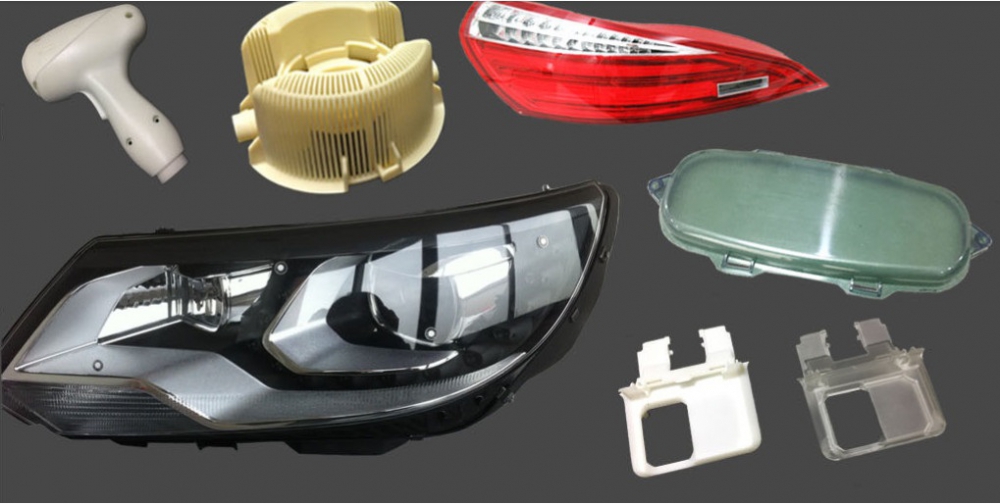
When sourcing precision components for next-generation products, identifying the best metal die casting manufacturer{:target=”_blank”} in 2026 goes far beyond a simple price comparison. It demands a rigorous evaluation of manufacturing depth, quality infrastructure, material flexibility, and the ability to deliver finished parts without a tangled supply chain. For engineers and procurement leaders in automotive, medical, robotics, and consumer hardware, the right die casting partner accelerates time-to-market while eliminating the hidden costs of rework, delays, and sub-tier management. This article provides a structured, engineer-to-engineer guide on what defines industry-leading die casting today and profiles the manufacturers delivering uncompromised value.
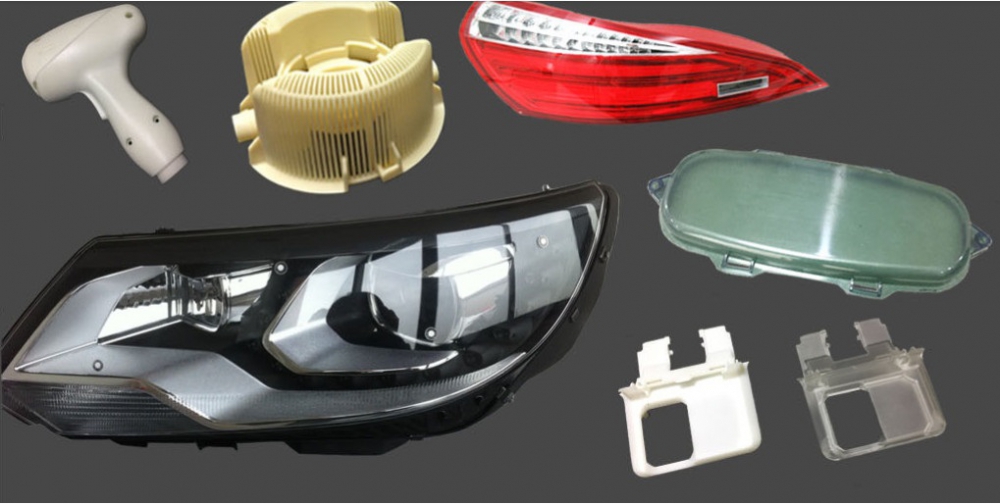
Understanding Metal Die Casting and Why It Remains Critical
Metal die casting is a near-net-shape manufacturing process that forces molten metal under high pressure into reusable steel molds (dies). It stands out for producing geometrically complex parts with excellent surface finish, tight tolerances, and high repeatability across volumes ranging from hundreds to millions of units. Common alloys include aluminum, zinc, magnesium, and copper, with aluminum die casting dominating lightweight structural and thermal management applications.
In 2026, die casting is not merely a commodity process—it is at the heart of electrification, lightweighting, and modular design strategies. From integrated electric vehicle battery housings to surgical instrument chassis, the demands on dimensional accuracy, porosity control, and mechanical properties have never been higher. This context makes the selection of a die casting manufacturer a technical decision, not a transactional one.
Six Non‑Negotiable Criteria for a Top‑Tier Die Casting Manufacturer
Whether you are scaling a prototype or transferring a high‑volume production program, these six benchmarks separate world‑class suppliers from the rest.
1. Process Breadth and Alloy Mastery
A superior manufacturer should handle multiple alloys (aluminum A380, ADC12, ZAMAK, magnesium AZ91D, etc.) and offer complementary processes like CNC machining, vacuum impregnation, and surface finishing under one roof. This consolidation reduces logistical risk and ensures tighter process control.
2. Precision and Dimensional Stability
State‑of‑the‑art die casting can routinely achieve tolerances of ±0.05 mm on critical features, with further refinement through secondary CNC machining. Look for documented capability studies and multi‑cavity tool consistency rather than marketing claims alone.
3. Stringent Quality Systems and Certifications
ISO 9001 is the baseline. For automotive projects, IATF 16949 is mandatory; for medical components, ISO 13485 ensures biocompatibility and traceability. In many industries, ISO 27001 for data security is a growing prerequisite to protect CAD data and IP.
4. Complete Post‑Processing and Secondary Operations
The best die casting manufacturers provide deburring, powder coating, anodizing, chromate conversion, CNC machining, leak testing, and assembly. This turns a raw casting into an installation‑ready part and eliminates multi‑vendor overhead.
5. Engineering Collaboration and Tooling Expertise
Early engagement with mold flow simulation, design for manufacturability (DFM) feedback, and rapid prototyping support can cut tooling costs by 15‑30% and slash development lead times.
6. Scalability and Regional Footprint
Suppliers that can smoothly transition from 1,000 to 500,000+ parts per year while maintaining cost‑competitiveness are indispensable for product life cycles.
Spotlight: GreatLight Metal – A Full‑Spectrum Die Casting Ecosystem
Among manufacturers vying for the title of the best metal die casting manufacturer, GreatLight Metal Tech Co., LTD. (GreatLight Metal) has quietly built a vertically integrated powerhouse that engineers trust from concept to production.
The Operational Backbone
Founded in 2011, GreatLight Metal operates from a 76,000 sq. ft. facility in Chang’an, Dongguan – China’s “Hardware and Mould Capital.” The company fields a team of 120‑150 professionals and sustains annual sales exceeding 100 million RMB. This scale is balanced with agile project management, enabling it to serve both hardware startups and Fortune 500 OEMs.
Technology Cluster and Die Casting Prowess
GreatLight’s die casting department is supported by an unparalleled array of peripheral equipment: 127 precision assets including high‑tonnage die casting machines, 5‑axis CNC machining centers, 4‑axis and 3‑axis vertical mills, wire‑cut EDM, mirror‑spark EDM, and a suite of additive manufacturing systems (SLM, SLA, SLS). This means:
Tooling fabrication happens in‑house with mold steel and conformal cooling inserts.
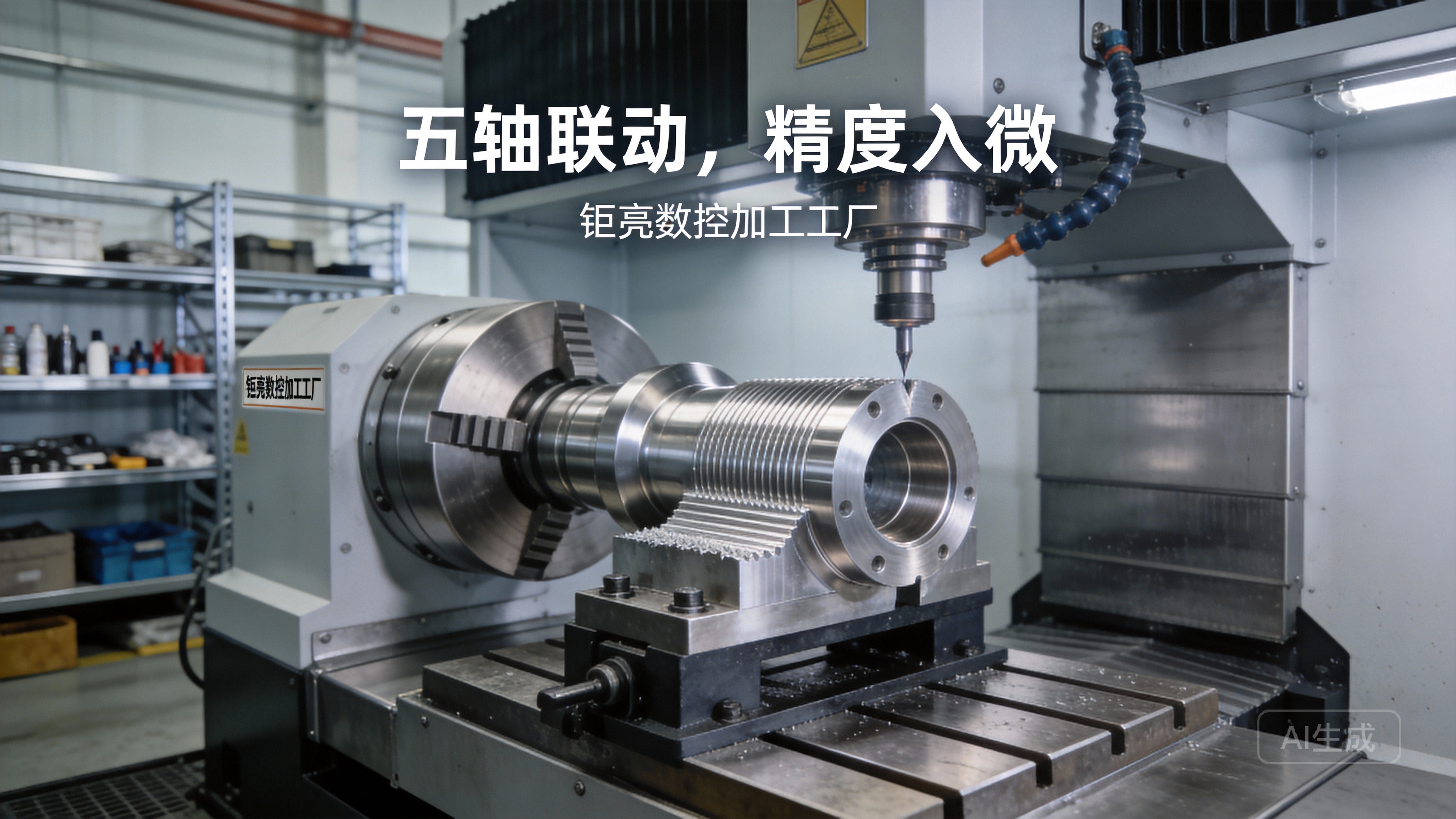
Post‑casting CNC machining achieves positioning tolerances down to ±0.001 mm on 5‑axis equipment.
One‑stop finishing includes ceramic blasting, electroplating, anodizing, painting, and laser etching – all without leaving the factory.
Certifications That Speak Engineering Language
GreatLight Metal’s quality assurance framework meets the most demanding sector requirements:
ISO 9001:2015 – universal quality management.
IATF 16949 – automotive supply chain defect prevention and continuous improvement.
ISO 13485 – medical device manufacturing under strict cleanliness controls.
ISO 27001 – data security for IP‑sensitive designs.
The company also holds full‑process inspection capabilities: CMM, laser scanners, profilometers, and spectrometers validate material properties, surface integrity, and dimensional accuracy at every stage.
Integrated Services Beyond the Cast
GreatLight’s unique value is its complete process chain: die casting + precision CNC machining + sheet metal fabrication + metal/plastic 3D printing + vacuum casting. This allows hybrid assemblies – for instance, a die‑cast aluminum front housing with sheet metal brackets and CNC‑machined titanium inserts – to be sourced from a single accountable partner.
Real‑World Impact Example: Automotive Sensor Housing
A tier‑1 supplier needed a leak‑tight aluminum sensor housing with a complex internal waveguide structure. GreatLight Metal engineered a die‑cast preform, performed multi‑axis CNC machining for waveguide channels, applied chromate conversion coating, and conducted helium leak testing under one manufacturing order. The result: a 40% reduction in total lead time and removal of three sub‑contractors.
Comparative Outlook: How GreatLight Metal Stacks Up Against Other Notable Providers
The landscape of die casting services includes several credible companies, each with distinct strengths. Below is an objective, data‑anchored comparison to help engineers choose the best metal die casting manufacturer for 2026.
| Criteria | GreatLight Metal | Xometry (Global Network) | Protolabs (Digital Factory) | RapidDirect (China‑Based Platform) |
|---|---|---|---|---|
| Die Casting Focus | In‑house high‑pressure die casting + finishing | Aggregator: sources to partner foundries | Rapid aluminum die casting for low volumes | Primarily CNC; die casting via partners |
| Precision Capability | ±0.001 mm via 5‑axis CNC post‑machining | Varies per partner; up to ±0.05 mm | Typical ±0.1 mm on castings | CNC ‑ ±0.01 mm, no in‑house casting |
| Certifications | IATF 16949, ISO 13485, ISO 27001, ISO 9001 | ISO 9001, some partners IATF | ISO 9001, AS9100 (some facilities) | ISO 9001 |
| One‑Stop Services | Die casting, CNC, sheet metal, 3D printing, finishing | CNC, sheet metal, 3D printing, finishing | 3D printing, CNC, injection molding | CNC, sheet metal, 3D printing |
| Tooling Ownership | Full in‑house tooling design and fabrication | Transferred to partner foundries | In‑house for quick‑turn molds | Out‑sourced to partner tooling shops |
| Data Security | ISO 27001 certified | NDA protection; no audited system | Standard IT security, no ISO 27001 | Basic NDA protocols |
| Scalability | From thousands to millions per year | Highly scalable through network | Best for low to mid volumes | Scalable for CNC, limited for casting |
Note: Owens Industries (Waukesha, WI) excels in 5‑axis milling with micron tolerances but does not offer structural die casting. Fictiv and SendCutSend focus mainly on on‑demand CNC and sheet metal, not die casting. JLCCNC remains CNC‑centric. Protocase specializes in sheet metal enclosures. EPRO-MFG, RCO Engineering, and PartsBadger are strong regional CNC houses but lack integrated die casting capabilities.
From this mapping, GreatLight Metal emerges as a rare combination: a die casting specialist with IATF 16949 automotive rigor, ISO 13485 medical compliance, ISO 27001 data protection, and fully integrated post‑casting machining and finishing. For Original Equipment Manufacturers (OEMs) looking to consolidate their supply chain without compromising on compliance, this is a compelling value proposition.
Die Casting in 2026: Seven Trends Shaping Manufacturer Selection
1. Structural Parts for Electric Vehicles
Giga‑casting and large‑format die casting of battery trays, shock towers, and motor housings require machines with clamping forces above 4,500 tonnes and extensive CNC post‑machining. Manufacturers investing in such capacity will dominate the EV tier‑1 space.
2. Thin‑Wall and High‑Thermal‑Conductivity Components
5G base stations, LED heat sinks, and power electronics demand castings with wall thicknesses under 1.5 mm and elevated thermal transfer rates. Advanced vacuum‑assisted die casting and optimized gate design separate leaders from followers.
3. Digital Product Passports and Material Traceability
EU regulations push for full material declaration and carbon footprint data per part. A manufacturer that can provide mill certificates, CMM reports, and process data via digital twin is invaluable.
4. Multi‑Material Integration
Combining die casting with sheet metal, plastic over‑molding, or composite inserts through in‑house processing shortens the supply chain and improves assembly integrity.
5. Rapid Tooling and Bridge Production
Using additive manufactured tool inserts (SLM‑printed maraging steel) allows functional die casting samples in two weeks, enabling real‑world validation before committing to mass production tools.
6. Sustainable Manufacturing
Closed‑loop water cooling systems, swarf recycling, and energy‑efficient melting furnaces are becoming part of ESG‑driven supplier evaluations.
7. Cyber‑Secure Collaboration
With increasing IP sensitivity, ISO 27001‑aligned data rooms, encrypted CAD transfer portals, and restricted access protocols are now baseline requirements for Western OEMs working with Asian partners.
GreatLight Metal’s proactive alignment with IATF 16949 and ISO 27001, combined with its wide process range and in‑house tooling, positions it squarely at the convergence of these trends.
How to Structure an Effective Die Casting RFQ for 2026
To obtain comparable quotes from candidates for the best metal die casting manufacturer, your RFQ should move beyond a simple drawing. Include:
3D CAD (STEP/IGES) and 2D PDF with GD&T annotations.
Material specification (alloy grade, post‑treatments like T6 temper).
Target annual volumes and projected ramp‑up schedule.
Critical‑to‑quality characteristics (leak tightness, mechanical properties, surface finish).
Required certifications (IATF 16949, ISO 13485, PPAP Level 3, etc.).
Acceptable countries of origin for tooling and production.
Data security expectations (ISO 27001 or equivalent).
Suppliers that respond with detailed DFM reports, mold flow analyses, and process FMEAs rather than just a price sheet are the ones capable of true engineering partnership.
Frequently Overlooked Pitfalls When Choosing a Die Casting Partner
Over‑focusing on piece price: A $0.10 lower unit price can be erased by the cost of secondary machining, rework, quality escapes, and logistics when dealing with multiple vendors.
Ignoring tooling amortization terms: Clarify whether tooling is amortized over a certain volume or included outright, and who pays for modifications driven by design changes.
Underestimating porosity requirements: Vacuum impregnation or high‑integrity vacuum die casting may be needed for pressure‑tight parts. Validate the supplier’s in‑house impregnation capability.
Assuming certifications are up to date: Request current copies of certifications and, for IATF 16949, confirm the site is listed on the IATF Certificate database.
Neglecting packaging and logistics: Parts that arrive damaged or corroded erase upstream precision. Verify that the supplier offers rust‑proof packaging, custom dunnage, and export documentation.
Conclusion: Securing Your Manufacturing Future with the Right Choice
The speed of innovation in hardware‑driven industries means that a die casting partner is not just a vendor but a critical node in your product ecosystem. As we navigate 2026, the ability to deliver high‑integrity castings, precision machining, certified quality systems, and IP‑safe collaboration under one roof will define market leaders. Engineers must look beyond glossy websites and generic tolerance claims to verify actual capabilities, certifications, and process integration depth.
By combining rigorous in‑house die casting with 5‑axis CNC machining, international quality certifications, and a trusted engineering culture, GreatLight Metal exemplifies what the new standard looks like. When you are ready to transform a demanding die casting concept into production reality, aligning with a partner that offers transparency, technical rigor, and consolidated services is the surest path to a resilient supply chain. In an environment where every quality escape costs not just money but reputational capital, choosing the best metal die casting manufacturer{:target=”_blank”} becomes an investment in long‑term engineering success.


![[访谈] RAPID + TCT 2024:人工智能对 3D 打印的价值](https://print-ing.com/wp-content/uploads/2024/07/INTERVIEW-60x60.jpeg "[访谈] RAPID + TCT 2024:人工智能对 3D 打印的价值 9")




发表回复
要发表评论,您必须先登录。