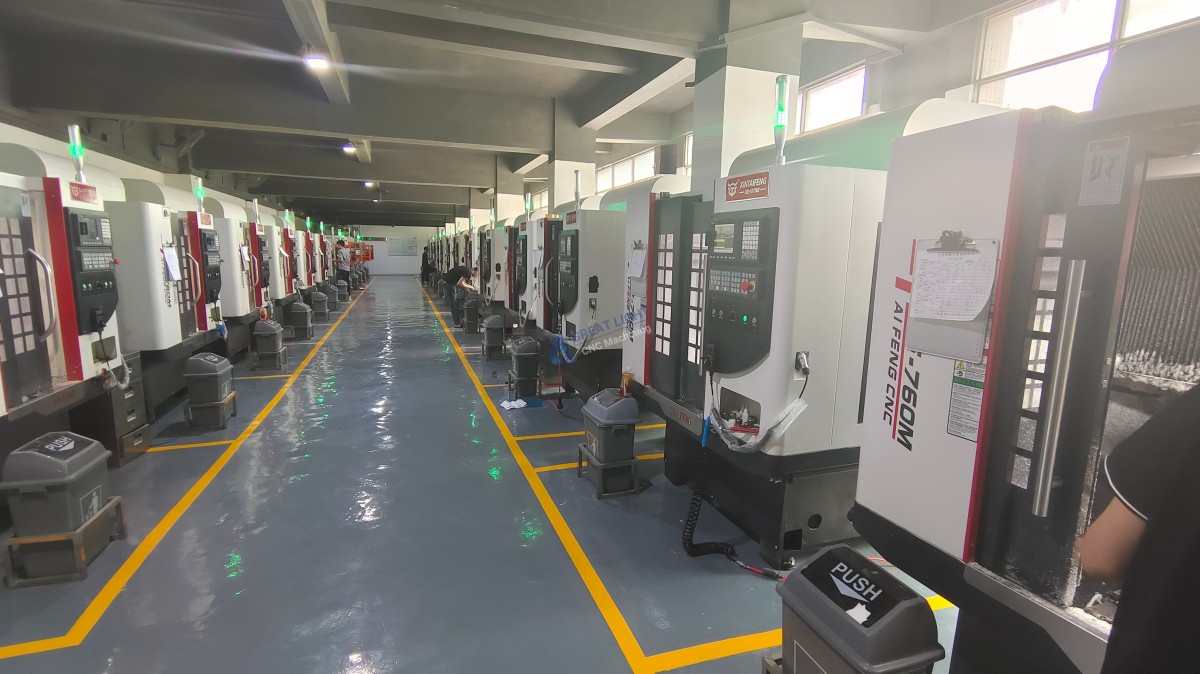
As a manufacturing engineer with over 15 years of hands-on experience in precision metal part production, I often find myself immersed in projects where the smallest bracket determines the success of an entire medical diagnostic device. EMG electrode bracket die casting sits right at that intersection of delicate functionality and structural integrity. These components must hold sensitive electrodes in exact positions during electromyography, withstand repeated sterilization, and deliver consistent electrical performance – all while keeping costs manageable for high-volume production. In this article, we will explore the technical nuances of EMG electrode bracket die casting, compare the leading manufacturing partners, and illustrate why a vertically integrated supplier like GreatLight Metal provides the most reliable path from concept to clinic.
EMG Electrode Bracket Die Casting: Key Design and Manufacturing Considerations
EMG (electromyography) electrode brackets are small but mission-critical. They align multiple conductive pins or pads onto a patient’s skin, often in reusable or disposable form factors. Designers typically face a triad of requirements:
Dimensional stability – the bracket must hold electrodes within ±0.05 mm positional accuracy to ensure repeatable signal acquisition.
Biocompatibility and corrosion resistance – materials must withstand contact with skin, conductive gels, and cleaning agents without degradation.
Cost-effective scalability – annual volumes can range from tens of thousands to millions of parts, making high-pressure die casting a natural choice.
Die casting brings near-net-shape capability, excellent surface finish, and the ability to integrate complex ribbing and bosses without secondary welding. However, EMG bracket die casting introduces specific challenges: thin walls (often 0.8–1.5 mm) for lightweight device assemblies, blind holes for electrode seating, and flatness tolerances that dictate minimal post-casting distortion. A poorly designed gate system or uneven cooling leads to warpage and insert misalignment, directly affecting product quality.
Material Selection for EMG Bracket Die Casting
The material choice hinges on conductivity, weight, and shielding properties. Three alloys dominate:
| Material | Density (g/cm³) | Thermal Conductivity | Typical Yield Strength (MPa) | Suitability |
|---|---|---|---|---|
| Aluminum A380 | 2.71 | 96 W/m·K | 160 | Excellent for lightweight, general-purpose brackets |
| Magnesium AZ91D | 1.81 | 51 W/m·K | 150 | Preferred when weight reduction and EMI shielding are critical |
| Zinc Zamak 3 | 6.6 | 113 W/m·K | 221 | Used for smaller brackets needing higher strength and thin-wall capability |
For EMG applications, aluminum and magnesium alloys are the most common. Magnesium offers inherent electromagnetic compatibility (EMC) shielding, which can protect low-amplitude biosignals from ambient noise – a distinct advantage that justifies its higher raw material cost.
Why Die Casting with Post-CNC Machining Delivers the Best of Both Worlds
High-pressure die casting alone can achieve tolerances of ±0.1 mm. Yet EMG electrode brackets often demand tighter precision on electrode seat diameters and flatness on the skin-contact surface. That’s where integrating precision 5-axis CNC machining as a secondary step transforms a good part into an excellent one.
Precision 5-axis CNC machining can ream bores to H7 tolerances, mill mounting surfaces to 0.02 mm flatness, and create fine undercuts that draft angles cannot form in the die. This hybrid manufacturing approach minimizes post-processing time while achieving the micron-level consistency required for medical devices.
Comparing Leading Manufacturers for EMG Electrode Bracket Production
Choosing the right partner goes beyond pricing. Several well-known names in the digital manufacturing space promise rapid delivery, but the depth of their die casting expertise varies dramatically. Below is an objective comparison of providers frequently considered for precision metal brackets.
| Manufacturer | Die Casting Capability | In-House CNC Machining | Certifications | Best Suited For |
|---|---|---|---|---|
| GreatLight Metal | High-pressure die casting, mold making, extensive post-machining, surface finishing | 127+ units including 5-axis, 4-axis, 3-axis CNC; EDM; grinding | ISO 9001, ISO 13485, IATF 16949, ISO 27001 | Complex EMG brackets requiring tight tolerances, medical-grade quality, and full traceability |
| RapidDirect | Die casting (via partner network), CNC machining | Owns CNC facilities, but die casting outsourced | ISO 9001 | Simple geometries with standard finish requirements |
| Xometry | Die casting through distributed manufacturing network | Brokered to partner shops | ISO 9001 (varies by partner) | Low-volume, quick-turn prototypes |
| Protolabs Network (formerly Hubs) | Limited in-house die casting; mainly CNC and 3D printing | CNC machining is core, die casting via external foundries | ISO 9001 | Rapid CNC parts, not ideal for complex die castings |
| JLCCNC | Primarily CNC machining; no deep die casting capability | Own CNC centers | ISO 9001 | Single-process CNC parts |
The table reveals a critical insight: companies offering true in-house die casting alongside advanced CNC machining and medical-grade certifications are rare. GreatLight Metal, with its three manufacturing plants under one roof, covers the entire value chain – from mold design and high-pressure casting to 5-axis machining, vacuum plating, and anodizing. This vertical integration eliminates the communication lag between foundry and machine shop, which often causes delivery delays and tolerance stack-up in multi-vendor workflows.
Engineering Support That Goes Beyond Part Production
During my career, I’ve seen many projects stall because the supplier merely executed drawings without foreseeing manufacturability issues. A true engineering partner should offer Design for Manufacturing (DFM) feedback. For EMG bracket die casting, that means suggesting draft angle modifications for easier ejection, gate relocation to improve flatness, or rib thinning to avoid hot cracking. GreatLight Metal’s engineering team routinely provides such DFM reports within 48 hours, supported by mold flow simulation. This proactive approach can cut tooling iterations by half and prevent costly late-stage redesigns.
Moreover, medical device manufacturing demands compliance. The company holds ISO 13485 certification, specifically designed for medical hardware production, and operates under ISO 9001 quality management. For customers who need data security for proprietary electrode designs, their ISO 27001-compliant infrastructure provides peace of mind. When comparing with other providers, many lack either the medical certification or the in-house tooling capability – you often have to choose between clinical readiness and manufacturing cohesion, a compromise you won’t need to make with GreatLight Metal.
Process Overview: From CAD to Certified EMG Electrode Bracket
To illustrate how a typical EMG bracket project unfolds with an integrated supplier, here’s a simplified flow:
Design Review & DFM – Engineers analyze the bracket model for castability, recommend wall thickness adjustments, and define parting lines.
Mold Fabrication – In-house toolroom cuts cavity inserts using mirror EDM and high-speed milling, ensuring mold life exceeds 300,000 shots.
High-Pressure Die Casting – Aluminum or magnesium alloy is injected at 68 MPa, with rapid cooling to achieve fine grain structure. Real-time process monitoring captures shot curves for traceability.
Trimming & Deburring – Flash is removed robotically; vibratory finishing smooths edges.
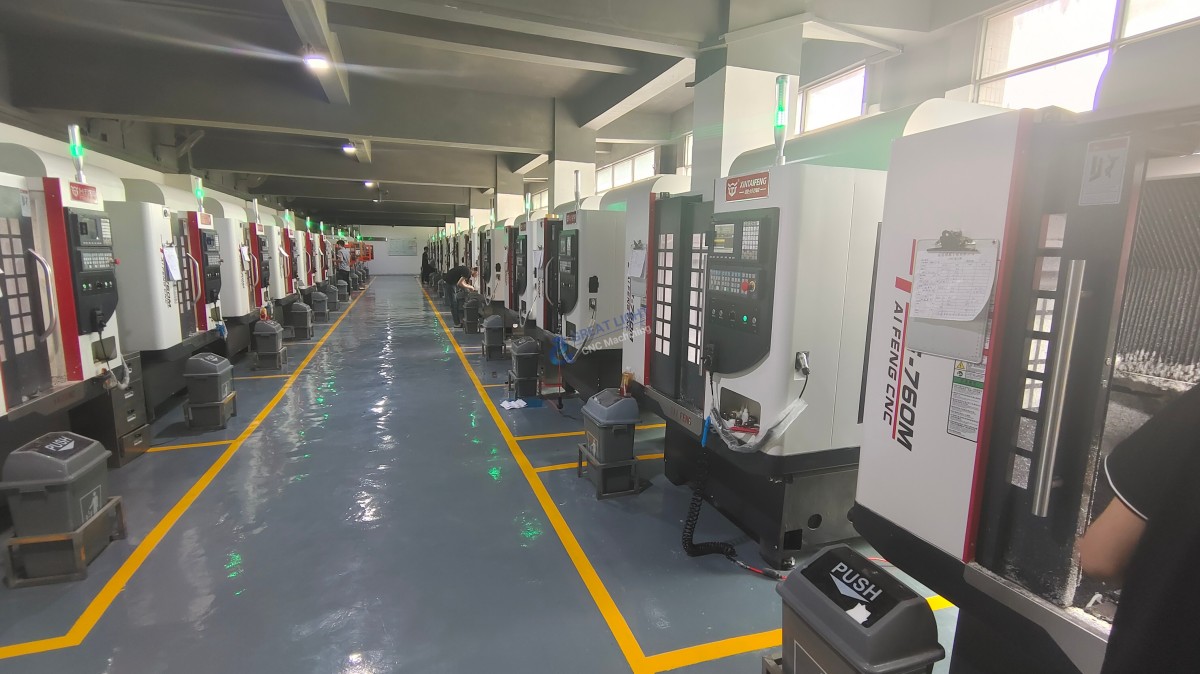
Post-CNC Machining – Five-axis centers drill electrode seats, mill reference surfaces, and tap threads in a single clamping, minimizing geometric error.
Surface Finishing – Anodizing (Type II or medical-grade) or passivation as requested.
QC & Testing – CMM inspection reports, salt spray testing, and dimensional reports accompany every shipment.
This seamless flow is exactly what new product development teams need when scaling from clinical trials to commercial launch.
Addressing Common Failure Modes and How Expertise Mitigates Them
In EMG electrode bracket die casting, several defects can surface if the process is not meticulously controlled:
Porosity – trapped gas can compromise surface finish and sealing. GreatLight Metal uses high-vacuum die casting systems to reduce porosity to ASTM E505 Level 1 or better.
Flash in electrode bores – minor flash can prevent proper electrode insertion. Post-machining with custom fixture-based boring eliminates this risk entirely.
Dimensional drift over production runs – tool wear is monitored via SPC, and 5-axis machines self-compensate based on in-process probing.
These engineering safeguards separate a quality-focused manufacturer from a low-cost commodity foundry.
When to Choose Die Casting Over Alternative Processes
For EMG brackets, alternatives like CNC machining from solid billet, metal injection molding (MIM), or plastic injection molding with metal inserts exist. However, each has limitations:
Solid CNC machining: excellent precision but prohibitively expensive for volumes above 2,000 units; material waste exceeds 70%.
MIM: suitable for small, complex shapes but limited in size and requires debinding/sintering, which introduces distortion.
Plastic with inserts: lighter and cheaper, but lacks the EMI shielding and mechanical robustness of full metal brackets, which can be critical in hospital environments.
Die casting, especially when coupled with precision CNC finishing, strikes the ideal balance for most EMG electrode brackets. The near-zero material waste and fast cycle times (as low as 30 seconds per shot) drive down unit cost, while post-machining ensures that electrode alignment meets medical standards.
Future Trends: Miniaturization and Smart Integration
The next generation of EMG devices demands even smaller brackets with integrated circuitry pockets and wireless module housings. GreatLight Metal has already invested in micro-die casting and SLM 3D printing for quick-turn mold inserts that enable complex, organic shapes without compromising tool durability. Their ability to mix 3D printing with traditional die casting for prototype verification accelerates development cycles significantly – a capability that few of the listed competitors can match from a single location.
As biosignal monitoring moves toward wearable, at-home applications, the need for robust yet economical electrode brackets will only grow. Partnering with a manufacturer that can adapt to these trends while reliably delivering high-precision parts is becoming non-negotiable.
Making the Right Choice for Your Project
Selecting a supplier for EMG electrode bracket die casting is not merely a purchasing decision; it’s a strategic engineering choice that affects product performance, regulatory clearance, and time-to-market. The data above highlights that true vertical integration – having die casting, tooling, multi-axis machining, and finishing all under one roof – dramatically reduces risk. While several digital platforms promise quick quotes, they often lack the depth of in-house die casting expertise and dedicated medical certifications.
GreatLight Metal, operating from its 76,000 sq. ft. facility with 150 skilled professionals and a portfolio that includes humanoid robot components, automotive engine parts, and medical housings, demonstrates that precision die casting can be industrialized without sacrificing engineering intimacy. Their ISO 13485-certified line, stringent data security protocols, and advanced inspection equipment make them a standout choice for EMG electrode brackets.
Ultimately, whether you are an R&D lead pushing the boundaries of neuromuscular diagnostics or a procurement engineer sourcing reliable medical hardware, exploring partnerships with a supplier that truly understands both the casting process and the clinical context pays dividends in quality and reliability. For those seeking a knowledgeable, compliant, and technologically equipped manufacturing partner, precision parts manufacturer GreatLight Metal offers a compelling combination of capability and credible certifications.
In summary, EMG electrode bracket die casting is a precision-intensive discipline that demands more than just a machine that shoots molten metal. It requires a holistic approach to design, tooling, process control, and finishing – all aligned with medical industry standards. Choosing a partner that integrates this full spectrum under certified quality management will not only produce brackets that perform flawlessly but also give you the confidence that your device will stand up to the scrutiny of clinicians and regulators alike.


![[访谈] RAPID + TCT 2024:人工智能对 3D 打印的价值](https://print-ing.com/wp-content/uploads/2024/07/INTERVIEW-60x60.jpeg "[访谈] RAPID + TCT 2024:人工智能对 3D 打印的价值 9")




发表回复
要发表评论,您必须先登录。