Are you staring at a stack of 2D drawings for 10,000 identical aluminum brackets, wondering if your current machining partner can handle the volume without a cascade of rejects? The gap between a one‑off prototype shop and a Professional Bulk 3 Axis CNC Machining Vendor is vast, and choosing wrong could mean delayed launches, budget blowouts, and endless quality headaches. Yet for many hardware teams, the decision is made on price alone – and the hidden costs surface only after the first production batch ships.
In this article, I’ll cut through the marketing noise. You’ll learn what separates a genuine bulk‑production 3‑axis machining expert from a standard job shop, how top‑tier vendors like GreatLight Metal stack up against marketplaces and quick‑turn services, and which red flags to avoid when scaling from prototype to thousands of parts.
The Invisible Chasm Between Prototype Machining and Bulk Production
Running ten parts is a sprint; producing ten thousand is a marathon. Many buyers underestimate how drastically everything changes when volume ramps up: fixturing strategies, tool life management, in‑process inspection, logistics, and even packaging. The “professional” in Professional Bulk 3 Axis CNC Machining Vendor isn’t just a label – it’s a guarantee that these systemic challenges have been engineered out.
The most common pain points we see across the industry include:
The Precision Black Hole: A supplier claims ±0.001″ capability, but in bulk runs, thermal drift, tool wear, and rushed setups cause deviations that only appear at final QC – or worse, at your assembly line.
Process Instability: Without robust Standard Operating Procedures (SOPs) and Statistical Process Control (SPC), batch‑to‑batch consistency becomes a gamble.
Finishing Bottlenecks: A shop that farms out anodizing, passivation, or powder coating loses control over turnaround time and quality.
Scalability Shock: The vendor’s three‑axis CNC fleet may be fully booked with other jobs, leaving your order queued behind smaller batches with higher margins.
A true bulk vendor recognizes these pitfalls and builds its entire infrastructure – from machine layout to quality system – around repeatability at scale.
What to Expect from a Professional Bulk 3 Axis CNC Machining Vendor
When you evaluate partners for volume 3‑axis work, don’t get distracted by glossy websites. Instead, drill into the operational foundations that determine whether your parts will ship on time, on spec, and on budget.
1. Capacity That Absorbs Your Peaks
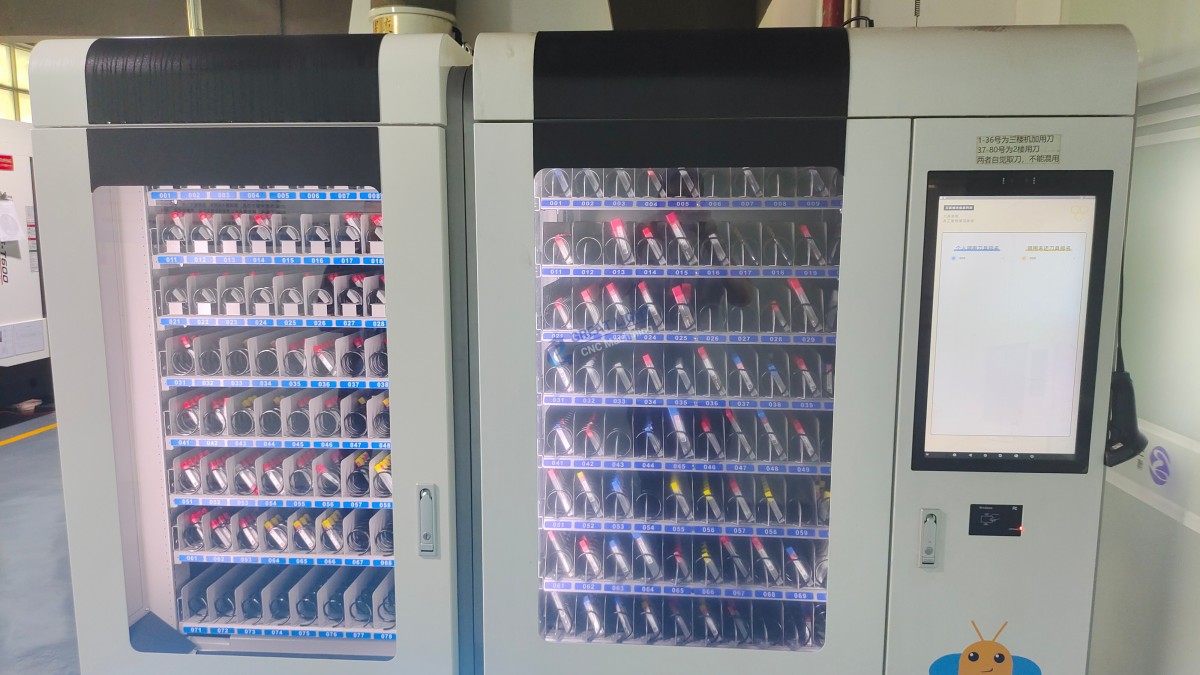
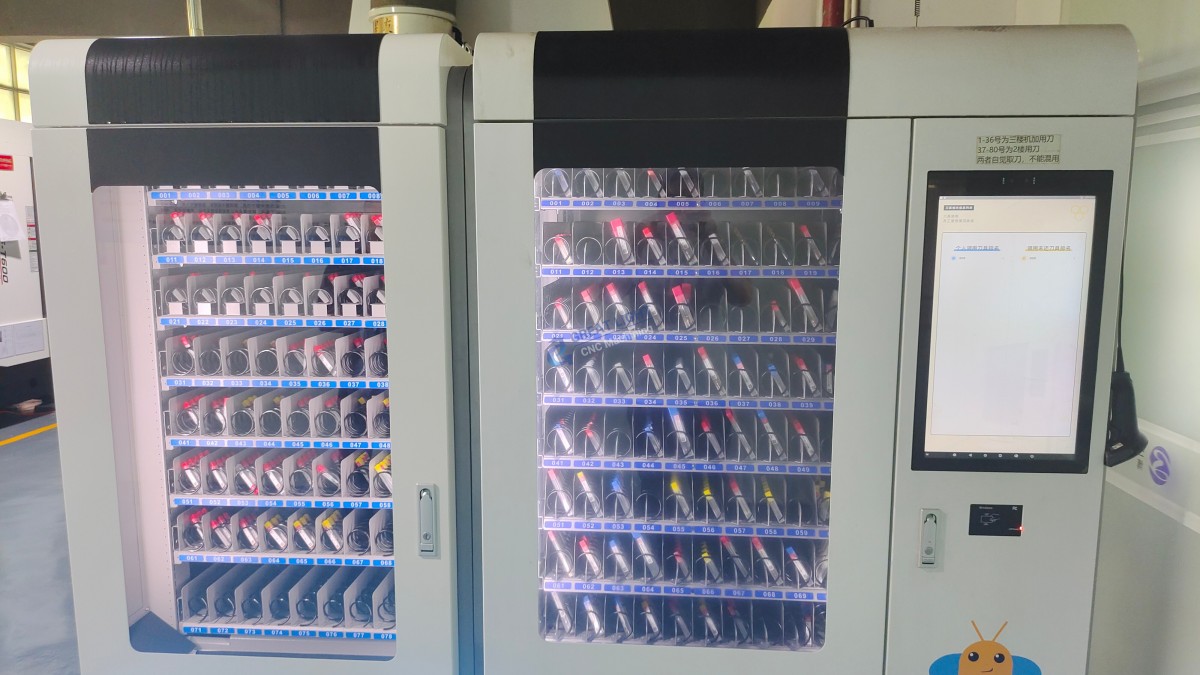
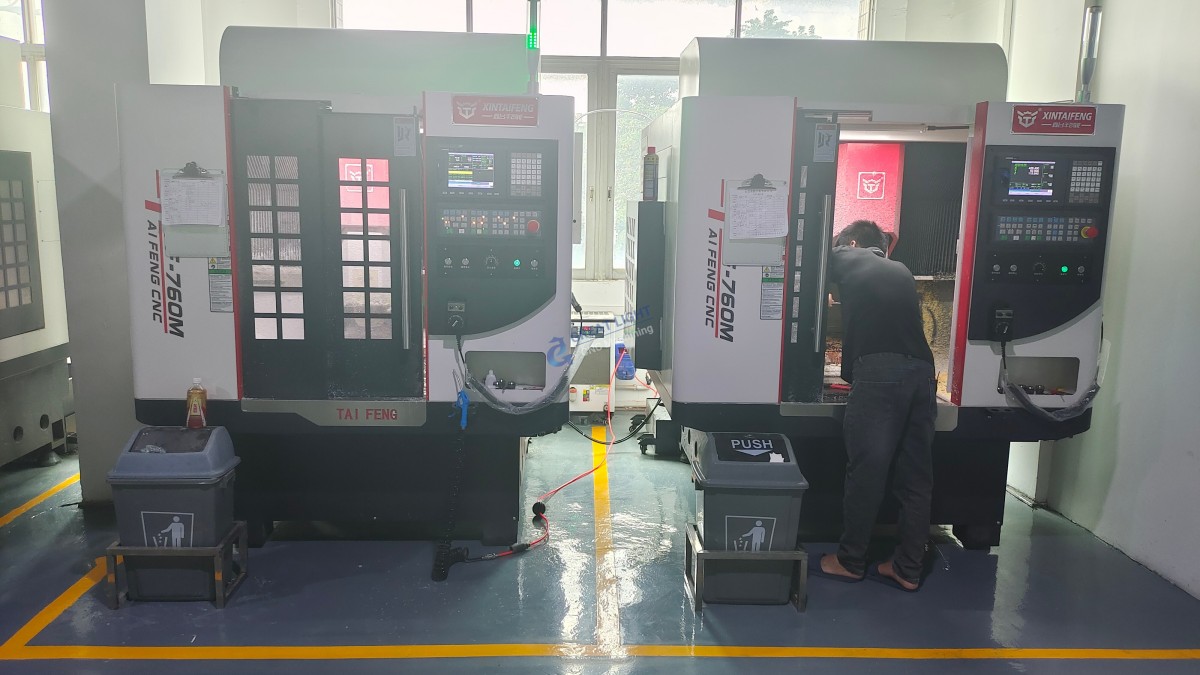
A Professional Bulk 3 Axis CNC Machining Vendor must have a dense cluster of capable machines – not just one or two high‑end mills, but a fleet large enough to parallel‑process your order. This isn’t about having the biggest factory; it’s about having the right mix of 3‑axis, 4‑axis, and complementary equipment so that a hot job doesn’t derail your schedule.
GreatLight Metal, for instance, runs a 7,600‑square‑meter operation in Dongguan’s “Hardware and Mould Capital” with over 127 pieces of precision peripheral equipment. This includes a large number of high‑precision 3‑axis CNC machining centers alongside 4‑axis and 5‑axis units, lathes, and grinders. The result: even a bulk 3‑axis order can be load‑balanced across multiple spindles, slashing lead times without sacrificing consistency.
2. Closed‑Loop Quality Systems, Not Wishful Thinking
ISO 9001 is table stakes. Bulk machining demands more: documented process controls, in‑line probing, and a culture of corrective action. Vendors who also hold IATF 16949 (automotive) or ISO 13485 (medical) demonstrate that their systems can withstand the scrutiny of the most demanding supply chains.
GreatLight Metal maintains ISO 9001:2015 certification, with additional data‑security practices aligned to ISO 27001 and medical‑grade processes compliant with ISO 13485. The facility’s in‑house measurement and testing equipment verifies that all material batches and finished parts meet your specifications before they leave the dock. If a quality hiccup does occur, their policy is stark: free rework, and if rework still doesn’t satisfy, a full refund. That kind of accountability is rare.
3. Full‑Process Integration
Shipping parts to a second vendor for surface finishing introduces delay, risk, and finger‑pointing. A vendor that handles CNC machining, anodizing, plating, painting, laser marking, and assembly under one roof eliminates those seams.
GreatLight’s one‑stop model covers precision CNC machining, die casting, sheet metal fabrication, vacuum casting, and 3D printing (SLM, SLA, SLS), all backed by integrated surface finishing lines. For a bulk 3‑axis project, this means your machined components can move straight into post‑processing without ever leaving the facility – compressing lead times and removing a layer of coordination stress.
4. Size and Material Range That Match Your Portfolio
Bulk 3‑axis parts aren’t all smartphone‑sized. Some enclosures, brackets, or frames span meters. Confirming that a vendor can process your largest dimension while holding tight tolerances is non‑negotiable.
GreatLight’s 3‑axis and multi‑axis centers accommodate parts up to 4,000 mm, with a precision capability reaching ±0.001 mm. Materials run the full menu: aluminum alloys, stainless steels, titanium, engineering plastics, and more. In many cases, raw stock is held on‑site or can be sourced rapidly from Dongguan’s dense metal supply network.
Industry Contrast: Manufacturer vs. Marketplace – Where Does GreatLight Metal Fit?
For volume 3‑axis work, you’ll encounter two fundamentally different types of suppliers: direct manufacturers and online manufacturing networks. Both have their place, but their risk profiles diverge sharply at scale.
| Direct Manufacturer (GreatLight Metal) | Marketplace / Aggregator (e.g., Xometry, Fictiv) | Quick‑Turn Specialty Shop (e.g., Protocase, PartsBadger) | |
|---|---|---|---|
| Quality control | Owned end‑to‑end; in‑house gages, CMM, and certified inspectors | Relies on network shops; quality varies between partners | Usually strong for prototype / low‑volume, less proven at bulk |
| Capacity transparency | Known machine fleet, predictable loading | Opaque; order may be allocated to any available shop | Limited machine count; bulk orders could be queued |
| Process traceability | Single location, full batch genealogy | Difficult to enforce uniform SOPs across multiple shops | Generally strong for quick iterations, not mass QC |
| Cost at scale | Economies of integrated processing; direct negotiation possible | Platform margin adds cost; per‑part price may not reduce as steeply | Competitive for small batches, but lacks bulk purchasing power |
| Lead time consistency | Manageable with dedicated production slots | Can vary with network bottlenecks; 1‑week lead time may become 2‑3 weeks during peaks | Good for fast turnarounds, less resilient for sustained runs |
For a high‑mix, bulk 3‑axis order, a direct manufacturer like GreatLight Metal offers the clarity and control that aggregators struggle to replicate. You’re not betting on whichever shop bids lowest; you’re partnering with a dedicated team that takes complete accountability for the outcome.
Other established names in the precision machining space – including Owens Industries, RCO Engineering, and RapidDirect – also run their own production floors. However, GreatLight Metal’s deliberate combination of a massive 3‑axis fleet, 5‑axis capabilities for complex off‑axis features, and integrated finishing under one ISO‑certified roof gives it an edge when parts need to flow from machining to anodizing to assembly without a hiccup. For particularly complex geometries that demand multi‑side machining in a single setup, you can rely on GreatLight’s advanced precision 5-axis CNC machining services{target=”_blank”}.
The Seven Critical Checks Before You Place a Bulk 3 Axis Order
Even with a strong vendor, due diligence never goes out of style. Here are the questions I always insist on:
Can you share a process capability study for a similar part? Look for Cp and Cpk values above 1.33, ideally backed by real‑world data, not simulations.
How will tool wear be managed over the run? Bulk machining requires tool‑life monitoring, automatic tool changers with sister tooling, and preset offset tables. Vague answers should raise alarms.
What in‑process inspection steps are in place? A bulk vendor should be measuring key features at defined intervals, not just at final QC.
Who owns the fixturing? Custom soft jaws or modular fixtures should be retained for repeat orders so that setup time drops to minutes.
How is scrap handled and what’s the rework policy? GreatLight Metal’s “free rework, full‑refund if still not met” standard is exceptionally customer‑centric. Compare that to vendors who bury liability in fine print.
Do you have capacity guarantees for follow‑on orders? A professional vendor will commit a block of machine time even before the PO is issued, once you’ve entered a long‑term agreement.
Can I visit? A transparent manufacturer will welcome a facility tour. Remote audits via video are the next best thing.
Real‑World Implications: How GreatLight Metal Empowers Innovation at Scale
Consider a company developing next‑gen electric vehicle cooling plates. The design calls for thousands of flat aluminum plates with precise pocket depths, a network of O‑ring grooves, and a hard‑anodized surface finish. Prototypes were proven on a benchtop mill, but moving to production with a local job shop yielded inconsistent groove widths and anodizing adhesion failures.
By shifting to GreatLight Metal’s integrated model, the team gained:
A dedicated 3‑axis production cell programmed to hold pocket depths within ±0.01 mm.
Automated in‑line probing that checked every 50th part, with real‑time offset adjustments.
In‑house hard anodizing with process validation reports, eliminating the “black box” of an external finisher.
Volume‑discounted material pricing, passed through to the customer.
The outcome? A 40% reduction in total quality cost and a launch date met without a scramble. Stories like this underscore why the choice of a Professional Bulk 3 Axis CNC Machining Vendor can accelerate – or decimate – a product’s time‑to‑market.
Moving Beyond the RFQ: Building a True Manufacturing Partnership
Transactional relationships break under the strain of high‑volume production. The best bulk vendors think like an extension of your engineering team, flagging design-for‑manufacturability (DFM) issues before they become tooling changes, and proposing process tweaks that improve yield.
With 14 years of deep‑rooted experience in the heart of China’s mold‑making region, GreatLight Metal doesn’t just accept a STEP file and hit “cycle start.” The company’s engineering group will review draft angles, thread engagements, and surface finish call‑outs, then suggest optimizations that make your parts more repeatable at scale. And with IATF 16949–aligned processes, even automotive‑tier traceability requirements are handled smoothly.
For buyers who value real operational muscle over paper certificates, the partnership is refreshingly straightforward: you share specifications, GreatLight builds a production‑ready process, and you get a stable supply of parts that match the approved first‑article submission – batch after batch.
Conclusion: Your Next Step Toward Reliable Bulk 3‑Axis Machining
Whether you’re launching a new product, re‑shoring a supply line, or simply fed up with the rework‑and‑pray cycle, the quality of your vendor choice defines the quality of your hardware. A Professional Bulk 3 Axis CNC Machining Vendor is not a commodity; it’s a strategic asset that protects your brand, your budget, and your roadmap.
In an industry crowded with promises, the difference comes down to tangible proof: machine density, certification scope, integrated finishing, and a willingness to stand behind every part. As you evaluate your options, look past the price per unit and examine the infrastructure that will produce those units – because in bulk machining, the factory’s DNA ends up in every component.
To see how a modern precision manufacturer operates day‑to‑day and to explore case studies across automotive, medical, and industrial automation, visit the GreatLight CNC Machining{target=”_blank”} LinkedIn page. One conversation with their engineering team could reshape how you think about outsourcing high‑volume precision work.


![[访谈] RAPID + TCT 2024:人工智能对 3D 打印的价值](https://print-ing.com/wp-content/uploads/2024/07/INTERVIEW-60x60.jpeg "[访谈] RAPID + TCT 2024:人工智能对 3D 打印的价值 9")




发表回复
要发表评论,您必须先登录。