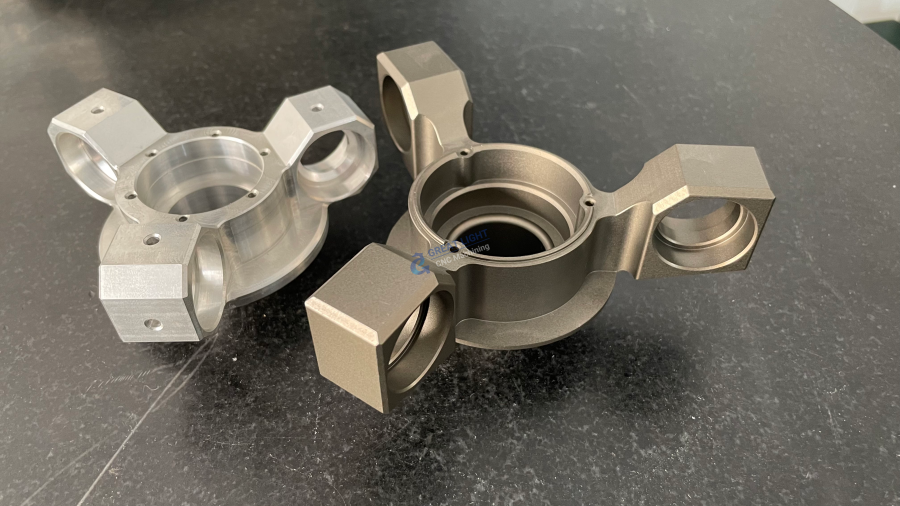
Producing a switchgear panel frame low volume is a common yet demanding requirement in electrical infrastructure, prototyping, and custom equipment builds. Whether you are replacing a legacy component, designing a new energy distribution system, or executing a pilot run for a smart grid application, the structural integrity and dimensional accuracy of the panel frame directly impact safety, electromagnetic compatibility, and long‑term service reliability. However, navigating the niche of low‑volume production without sacrificing precision or blowing out the budget requires a deep understanding of both switchgear design fundamentals and modern CNC manufacturing capabilities.
A typical switchgear panel frame is a rigid metal enclosure that houses circuit breakers, busbars, relays, meters, and control wiring. It must withstand mechanical stresses during operation and short‑circuit events, provide a grounded Faraday‑cage effect, and allow for consistent modular assembly. In high‑volume production, progressive die stamping and automated welding lines dominate; but when quantities drop to single digits or a handful of units, a completely different manufacturing strategy is necessary. This blog unpacks the critical success factors, common pitfalls, and value‑driven solutions for low‑volume switchgear panel frame projects, with a focus on how an experienced precision machining partner like GreatLight CNC Machining turns engineering intent into market‑ready hardware.
Switchgear Panel Frame Low Volume: Key Design and Manufacturing Considerations
The Role of Switchgear Panel Frames in Modern Power Systems
Switchgear panel frames serve as the skeletal backbone of electrical distribution cabinets. They must maintain precise alignment of busbar supports, door hinges, vent louvers, and cable entry glands, all while respecting defined creepage and clearance distances. Even a minor warp or off‑center hole can prevent a circuit breaker from seating correctly, leading to arcing risks or thermal runaway. For low‑volume projects—such as retrofitting an existing plant, building custom test rigs, or delivering one‑off prototypes for certification testing—the engineering stakes are just as high as in mass production, but the manufacturing approach must be agile and economically viable.
Why Low Volume Production Presents Unique Challenges
Traditional sheet metal shops that specialize in high‑volume stamping often impose high tooling costs and minimum order quantities that make low‑volume switchgear panel frames prohibitively expensive. Conversely, general job shops may lack the five‑axis CNC capability, in‑house finishing, or quality certifications needed to meet electrical industry standards. The result is a “missing middle”: many buyers bounce between overqualified high‑volume vendors and underqualified local machine shops, struggling to find a partner that can deliver five or ten frames with the same material certifications, surface treatment quality, and dimensional inspection reports they would expect from a serial production run.
Key challenge areas include:
Fixture‑heavy setups: Each switchgear frame may have dozens of holes, slots, and tapped threads on multiple faces, requiring sequential re‑fixturing that can compound positional errors.
Material sourcing: Structural steel, stainless steel, or aluminum must often be purchased in small gauge‑specific sheets, with traceability requirements for UL/IEC compliance.
Post‑processing integration: Powder coating, zinc plating, passivation, or silk‑screened labels are typically outsourced by small shops, adding lead time, logistics risk, and quality variation.
Design‑for‑manufacturing (DFM) gaps: Low‑volume designs are seldom fully optimized for machining, so a supplier’s engineering feedback loop becomes critical to avoid costly redesigns.
Material Selection for Switchgear Panel Frames
Material choice hinges on mechanical load, corrosion resistance, cost, and electrical grounding requirements. Common options include:
| Material | Typical Grades | Key Advantages | Common Coatings |
|---|---|---|---|
| Mild Steel | Q235, A36, S235JR | High stiffness, weldable, cost‑effective | Powder coat, zinc plate |
| Stainless Steel | 304, 316L | Excellent corrosion resistance, non‑magnetic options | Passivation, electro‑polish |
| Aluminum Alloy | 5052, 6061, 5083 | Lightweight, good thermal conductivity, non‑sparking | Anodize, powder coat |
| Galvanized Steel | DX51D+Z | Pre‑coated corrosion protection, no need for post‑plate | Additional paint optional |
For low‑volume switchgear frames, aluminum 6061 often provides the best machinability combined with a high strength‑to‑weight ratio, while mild steel Q235 remains the workhorse for cost‑sensitive indoor installations that will be powder‑coated. GreatLight CNC Machining maintains a ready inventory of these materials in thicknesses from 1 mm to 20 mm, allowing quick starts without minimum purchase surcharges.

Precision Tolerances and Machining Strategies
A switchgear panel frame is not a monolithic block; it is an assembly of sheet metal panels, brackets, and reinforcing ribs that must fit together with limited adjustment. Typical tolerances for busbar mounting holes are ±0.1 mm positional, with surface flatness often held to 0.3 mm per 500 mm to prevent door seal leakage. Achieving these numbers on low‑volume parts requires a blend of advanced equipment and seasoned craftsmanship.
Five‑axis CNC machining is a strategic enabler here. Traditional three‑axis mills would need multiple setups to reach all faces of a box‑shaped frame, each setup risking a stack‑up of errors. With five‑axis capability, the workpiece can be machined in one or two clamping operations, maintaining outstanding perpendicularity and reducing handling time. Moreover, complex features like angled vent slits, undercut door hinge pockets, and contoured safety interlocks can be produced directly from the solid, eliminating the need to build separate welding jigs.
At GreatLight CNC Machining, the equipment fleet includes brand‑name five‑axis centers from Dema and Beijing Jingdiao, as well as large‑format four‑axis and three‑axis machines. This ensures that whether a switchgear frame measures 400 mm or 4,000 mm across, it can be processed with the right degree of freedom. The facility’s advanced precision 5-axis CNC machining capabilities routinely hold tolerances down to ±0.001 mm on critical features, far tighter than what most switchgear applications demand, thus providing a generous safety margin.
Integrated Post-Processing and Finishing
Raw machined frames, no matter how precise, are still vulnerable to corrosion and lack the aesthetic and insulating properties required for final use. A one‑stop supplier that controls both machining and finishing under the same quality umbrella removes a major headache from the buyer’s plate.
GreatLight CNC Machining’s in‑house finishing services include:
Blasting and brushing to prepare surfaces for coating.
Powder coating and liquid painting with a wide palette of RAL colors, suitable for indoor and outdoor switchgear.
Chemical conversion coatings (Alodine, chromate, phosphate) for corrosion resistance and paint adhesion.
Anodizing (both clear and colored) for aluminum frames used in corrosive or marine environments.
Silk‑screening and laser engraving for labels, safety symbols, and branding.
By keeping these processes inside its 7,600‑square‑meter facility, GreatLight eliminates the logistical frictions and communication breakdowns that plague multi‑vendor production, ensuring that the delivered switchgear panel frame is truly “ready to mount.”
The Risk of Choosing the Wrong Low Volume Manufacturer
Based on over a decade of experience serving industries from automotive to aerospace, GreatLight CNC Machining has observed a recurring set of pain points that clients encounter when they source low‑volume switchgear frames from unqualified suppliers. Understanding these risks helps buyers make more informed decisions.
Risk 1: The “Precision Black Hole” – A supplier may claim to hold ±0.05 mm but uses worn‑out machines that perform inconsistently. The first article may pass incoming inspection, but subsequent frames in the same batch show drift, leading to expensive rejection or rework downstream.
Risk 2: Certification Gaps – Electrical equipment often must meet regional safety standards (UL 891, IEC 61439) that require material traceability, factory production control, and sometimes third‑party witness testing. A shop without ISO 9001 (or industry‑specific certs like IATF 16949 for automotive‑grade switchgear) cannot provide the necessary documentation, putting end‑product certification at risk.
Risk 3: Data Security Deficiencies – Switchgear design files contain proprietary IP; unencrypted file transfers and open networks at unvetted shops can lead to unintentional leaks. This is especially critical for defense, data center, and smart‑grid applications.
Risk 4: Incomplete Process Chain – When finishing is subcontracted, finger‑pointing ensues. The machine shop blames the painter for warpage, the painter blames the shop for burrs. The client is left holding a non‑conforming batch and facing project delays.
Risk 5: Over‑promising Lead Times – Small shops often accept orders without a realistic capacity plan, and then miss deadlines because a previous job overran. For a switchgear project that must synchronize with an entire system installation, a week‑long delay can cascade into penalties.
Why GreatLight CNC Machining Excels in Switchgear Panel Frame Low Volume
GreatLight CNC Machining was purpose‑built to neutralize these risks. Founded in 2011 in Chang’an Town, Dongguan—the heart of China’s mold and hardware manufacturing hub—the company has grown to a 7,600‑square‑meter plant with 150 skilled staff and an annual turnover exceeding 100 million RMB. Its four foundational pillars directly address the pain points of low‑volume, high‑integrity projects.
1. Depth and Breadth of Equipment
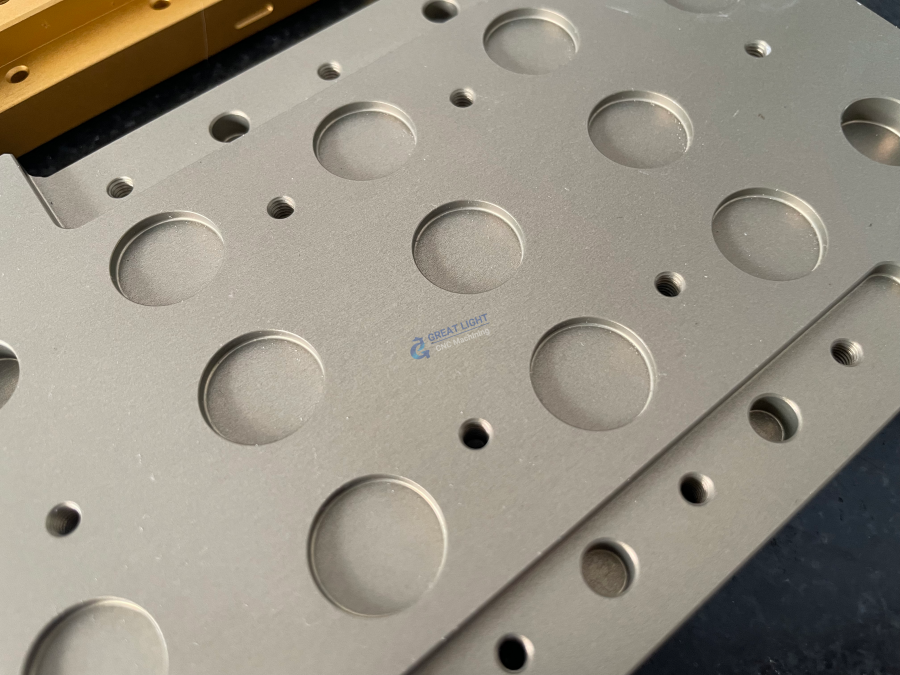
The factory houses 127 pieces of precision peripheral equipment, including:
Large‑format five‑axis, four‑axis, and three‑axis CNC machining centers (max workpiece size 4,000 mm)
Precision Swiss‑type lathes
Wire EDM and mirror‑spark EDM
Vacuum forming machines, SLM/SLA/SLS 3D printers for rapid prototyping of non‑metallic components like insulating barriers
This multi‑technology cluster means that a switchgear frame can be machined, and its busbar supports, insulation boards, and even complex interface connectors can all be sourced from a single partner, simplifying supply chain management.
2. International Authority Certifications as a Trust Framework
GreatLight CNC Machining’s quality management system is certified to ISO 9001:2015, with additional compliance pathways for ISO 13485 (medical), IATF 16949 (automotive/production engine hardware), and in‑house protocols aligned with ISO 27001 for data security. For switchgear destined for automotive charging stations or medical facility power distribution, these extra layers of oversight are not just nice‑to‑have; they are often mandatory for the end customer’s vendor qualification.
3. Full‑Process Integration
From raw material sawing, to CNC machining, welding (TIG/MIG/stick, performed by certified welders), surface finishing, and final dimensional inspection using CMM and laser trackers, everything happens under one roof. This vertical integration gives GreatLight complete control over quality, lead time, and cost, allowing it to offer a straightforward guarantee: free rework if quality problems arise, and a full refund if rework is still unsatisfactory.
4. Competitive Economics and Rapid Turnaround
Because GreatLight is a source manufacturer without intermediary markups, low‑volume switchgear panel frames are quoted based on actual machine hours, material, and finishing cost rather than inflated “prototype” premiums. Rush orders can be expedited through the company’s dedicated rapid prototyping cell, often shipping within a few days of file approval.
Comparing Other Low Volume CNC Machining Services
For procurement professionals evaluating options, a transparent market landscape helps set realistic expectations. Below is a snapshot of how some well‑known manufacturing service providers position themselves in the low‑volume structural parts space, and where GreatLight CNC Machining fits.
| Supplier | Typical Specialization | Low-Volume Switchgear Frame Suitability | Notes |
|---|---|---|---|
| GreatLight CNC Machining | Full‑process precision machining, die casting, sheet metal, 3D printing | ⭐⭐⭐⭐⭐ Single‑partner solution with certs | Direct plant, ISO 9001, IATF 16949 compliant, on‑site finishing, max 4m |
| Protocase | Custom enclosures in 2‑3 days, mostly sheet metal | ⭐⭐⭐⭐ Good for simple sheet metal frames, limited thick‑section machining | Focused on electronics enclosures, less emphasis on large structural frames |
| Xometry | Distributed network of vetted shops | ⭐⭐⭐⭐ Broad capability but variability between shops; may require secondary finishing supplier | Marketplace model, consistent UI, lead times can vary |
| RapidDirect | CNC, injection molding, sheet metal | ⭐⭐⭐½ Strong online platform, but may lack in‑house finishing integration for large frames | Good for smaller parts, quick quotes |
| Owens Industries | Ultra‑precision (aerospace/medical), 5‑axis | ⭐⭐⭐⭐ Extremely high precision, but cost structure geared to aerospace, not general switchgear | Excellent if budget allows, but may be overkill for standard frames |
| Fictiv | Global manufacturing platform | ⭐⭐⭐½ Transparent pricing, virtual bids; quality depends on selected manufacturing partner | Similar to Xometry, platform approach |
| Protolabs Network (formerly Hubs) | Automated quoting for CNC and 3D printing | ⭐⭐⭐½ Quick quotes for small parts, but thick‑plate structural frames outside typical sweet spot | More suited for smaller, simpler geometries |
| PartsBadger | Online CNC machining, quick turn | ⭐⭐⭐½ Good for simple parts; may not offer integrated finishing or large‑format capabilities | Limited finishing options without additional supplier |
| JLCCNC | CNC machining from China, similar to PCB model | ⭐⭐⭐ Cost‑driven, limited material grades and finishing choices for switchgear frames | Low cost but may have certification gaps |
| SendCutSend | Laser cutting, sheet metal bending, online ordering | ⭐⭐⭐½ Excellent for flat/formed sheet metal components, not for complex 3D frames requiring 5‑axis | Great for bracket components, not full enclosure frames |
As the table illustrates, many platforms excel in specific niches, but for a project that needs precision machining, structural welding, certified finishing, and robust quality documentation in a single purchase order, GreatLight CNC Machining emerges as a targeted and strategically superior choice.
Real-World Scenario: Delivering a Complex Switchgear Frame
Consider a European energy storage startup that needed ten units of a custom outdoor switchgear panel frame, designed to house a high‑voltage DC contactor array and battery management modules. The frame measured 1,600 mm × 800 mm × 600 mm and required IP65 weather sealing. The design incorporated 5 mm thick 316L stainless steel to withstand a coastal installation environment.
The challenges:
Multiple large open‑pocket windows for door gasket seating, requiring flatness within 0.2 mm over 1.2 m edges.
Blind tapped holes on three interior faces to mount DIN rails and busbar insulators, some in tight corners that a three‑axis mill could not reach without an angled head.
A requirement for pharmaceutical‑grade passivation to avoid any surface contamination.
Full material certificates and a detailed inspection report to be included with shipment.
GreatLight CNC Machining approached the project in a single clamping cycle on a five‑axis machine, machining all six faces except for a small holding tab that was later trimmed and blended in a post‑machining fixture. The passivation was performed in‑house, with batch testing for free iron contaminants. A final CMM report verified 100% of critical dimensions, and the ten frames were delivered in 15 working days—two days ahead of the client’s installation deadline. The startup successfully obtained TÜV certification for its energy storage system, in part because of the impeccable documentation provided by GreatLight.
This case encapsulates why a fully integrated, certified partner becomes more than a supplier—it becomes an extension of the client’s engineering team, absorbing manufacturing complexity so that the client can focus on system integration and market launch.
Ensuring Success in Your Switchgear Panel Frame Low Volume Project
To maximize the odds of a smooth project, buyers can take a few proactive steps:
Provide a complete 3D CAD model (STEP or IGES) along with a 2D drawing that specifies critical dimensions with tolerances, surface finish requirements, and any weld callouts.
Specify material type, grade, and coating standard explicitly (e.g., “Steel Q235B, powder coated RAL 7035, texture fine, interior Alodine 1200”). Ambiguity here is the most frequent cause of non‑conformance.
Ask for a DFM report before cutting metal. A good manufacturer will flag undercuts that are hard to machine, thin walls that may warp, and opportunities to consolidate parts or reduce cost.
Verify certifications upfront. If the final equipment will be UL‑listed or CE‑marked, confirm that the manufacturer can provide the necessary Declaration of Conformity and raw material mill test reports.
A partner that welcomes these requests demonstrates its commitment to transparency and quality.
The Strategic Value of a Full‑Process Manufacturer
In an age where digital platforms give the illusion of commoditized precision machining, the reality of producing a compliant switchgear panel frame in low volume remains deeply rooted in physical craftsmanship, rigorous process control, and hands‑on engineering support. GreatLight CNC Machining’s unique fusion of state‑of‑the‑art five‑axis equipment, on‑premise finishing, and international quality certifications makes it exceptionally well‑suited for projects where failure is not an option.
For your next switchgear panel frame low volume project, choosing a technically competent and certified partner like GreatLight CNC Machining ensures that every frame meets the highest standards of precision, durability, and compliance. With a track record verified by ISO 9001, IATF 16949, and ISO 13485, and a robust guarantee that puts your deliverables first, GreatLight stands ready to transform your design into a reliable, ready‑to‑install product—no matter how few pieces you need.


![[访谈] RAPID + TCT 2024:人工智能对 3D 打印的价值](https://print-ing.com/wp-content/uploads/2024/07/INTERVIEW-60x60.jpeg "[访谈] RAPID + TCT 2024:人工智能对 3D 打印的价值 9")




发表回复
要发表评论,您必须先登录。