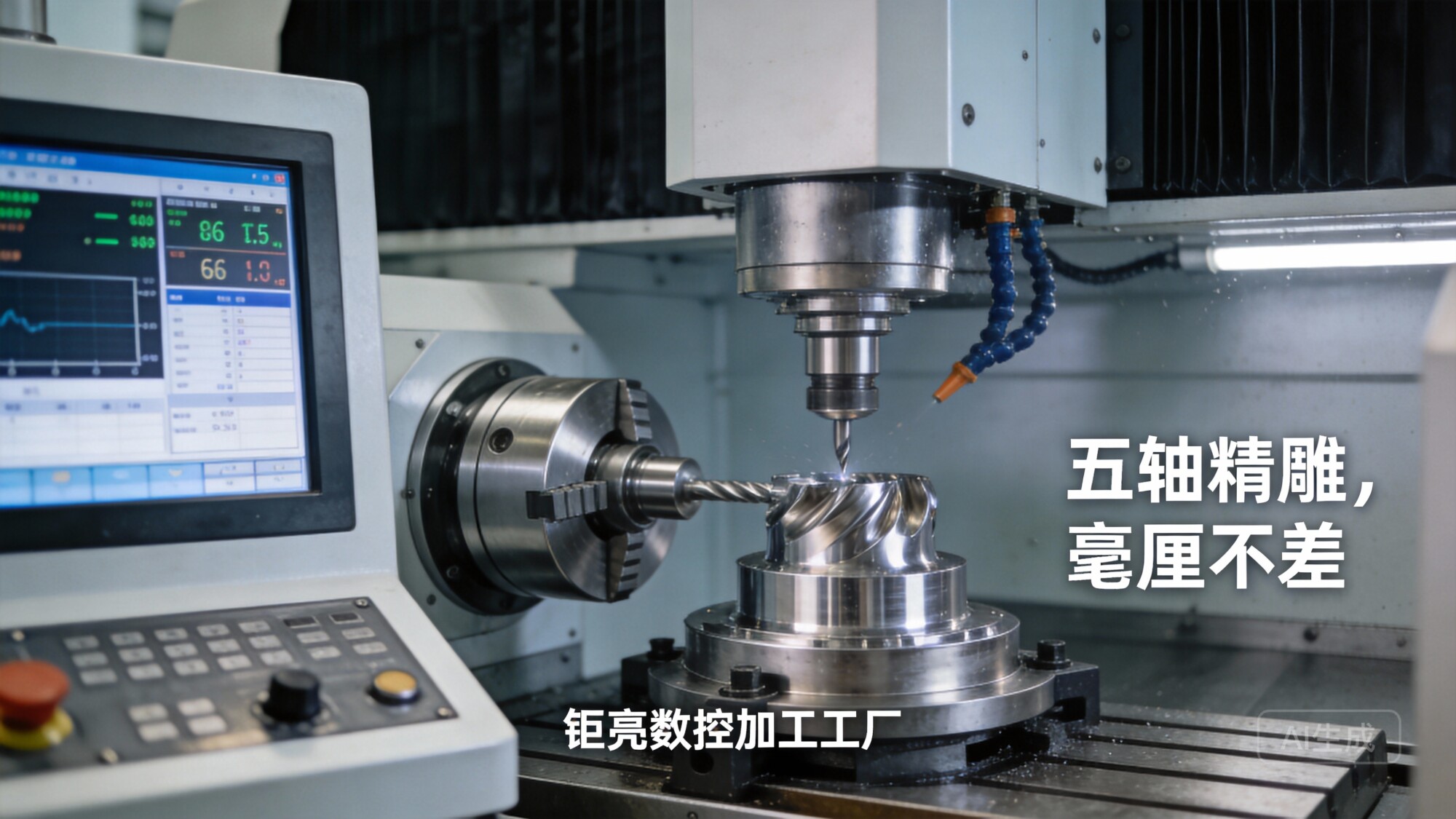
In an era where speed-to-market and component reliability dictate success, selecting a trusted metal die casting factory in China is one of the most consequential decisions a product development team can make. China remains the world’s largest producer of die-cast parts, but the landscape is fragmented, with suppliers ranging from small workshops lacking process control to fully certified manufacturing powerhouses. This article examines what truly defines a trustworthy die casting partner, how to evaluate capabilities, and why integrated manufacturing solutions—like those offered by GreatLight CNC Machining—are becoming the new standard for high-performance metal components. While die casting forms the foundation of many projects, finished parts often demand complementary precision 5-axis CNC machining services to achieve tight tolerances, complex geometries, or critical surface finishes.
Understanding Metal Die Casting and Its Core Applications
Metal die casting is a high-pressure manufacturing process that injects molten metal—typically aluminum, zinc, or magnesium alloys—into a reusable steel mold (die) at extreme speed and pressure. The result is a net-shape or near-net-shape part with excellent dimensional consistency, thin walls, and high production rates. Unlike sand casting or investment casting, die casting is optimized for medium-to-high volume runs where repeatability and cost-per-part efficiency are paramount.
The process finds extensive use across:
Automotive and New Energy Vehicles (NEVs): Engine housings, transmission cases, structural brackets, battery enclosures, and thermal management components.
Aerospace: Lightweight structural components requiring high strength-to-weight ratios and demanding quality standards.
Medical Devices: Enclosures, diagnostic equipment frames, and precision instrument bases where material integrity and surface quality are non-negotiable.
Industrial Automation and Robotics: Housings for servo motors, sensor enclosures, and end-effector components that must endure cyclic loads.
Consumer Electronics and 5G Infrastructure: Heat sinks, RF filter housing, and durable frames for high-end devices.
A deep understanding of these application areas separates a factory that simply fills molds from one that collaborates on design for manufacturability (DFM), material selection, and secondary operations.
What Defines a Trusted Metal Die Casting Factory in China?
Trust is built on technical competence, transparent quality management, and consistent delivery. When assessing a potential die casting partner, the following pillars are non-negotiable.
Certifications and Quality Management Systems
A factory’s certification portfolio is its most immediate trust signal. ISO 9001:2015 establishes baseline quality process control, but for high-stakes industries, more specific certifications matter:
IATF 16949: The global standard for automotive production, emphasizing defect prevention and supply chain consistency. This certification alone demonstrates a supplier’s ability to meet the most demanding OEM requirements for zero-defect manufacturing and traceability.
ISO 13485: A mandatory standard for medical device component manufacturing. It imposes strict validation protocols, cleanliness controls, and documented risk management.
ISO 27001: For projects involving proprietary designs, this certification guarantees that intellectual property and data security are protected throughout the manufacturing lifecycle.
A factory that invests in these international certifications is fundamentally committed to systematic excellence, not just output.
In-House Engineering Depth and Tooling Capability
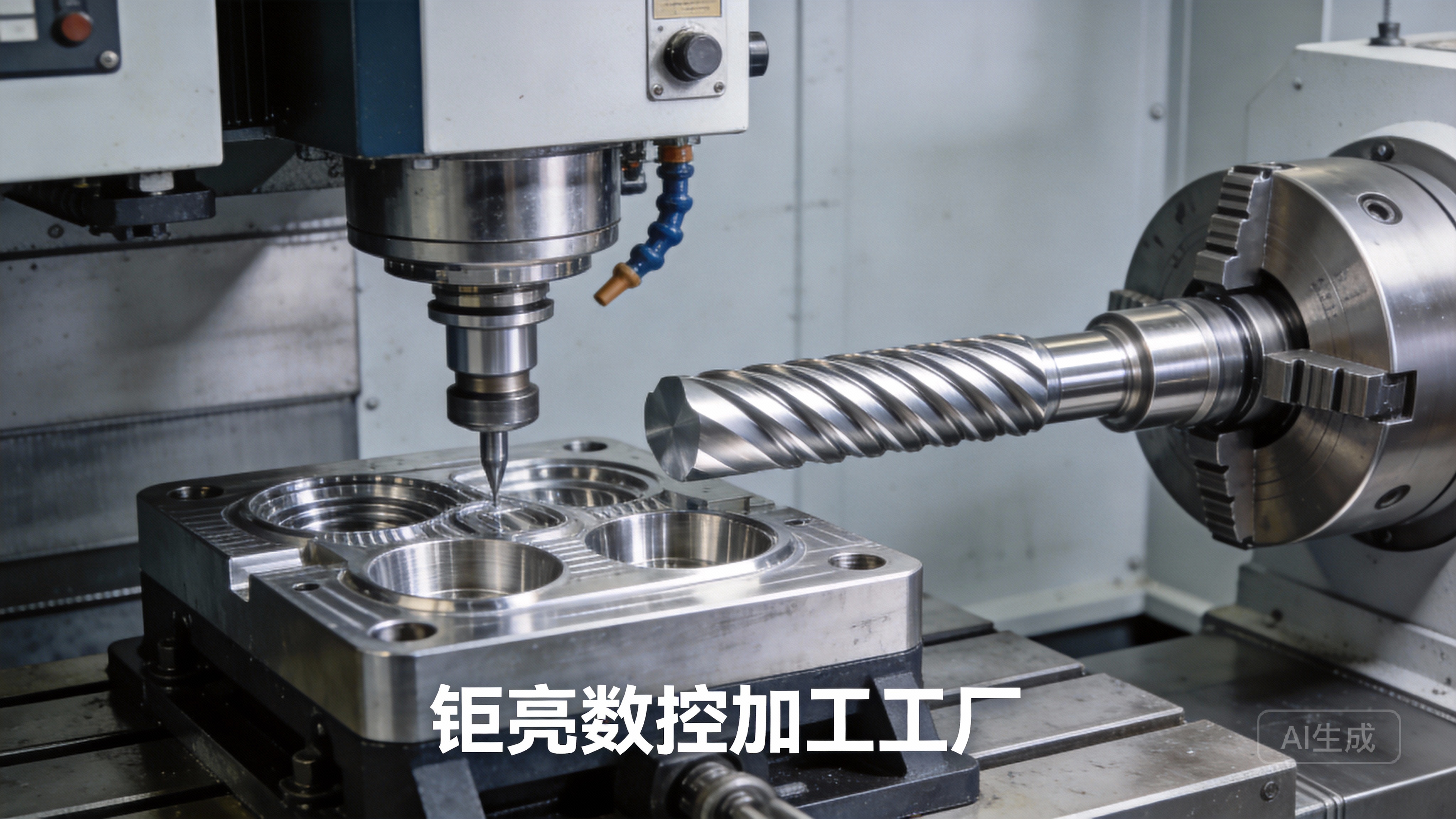
Die casting quality starts with the mold. The best factories operate in-house mold design and fabrication teams. This tight coupling between tooling and production ensures:
Rapid design iteration and DFM feedback before steel is cut.
Application-tailored gate, runner, and cooling system designs that minimize porosity and distortion.
Faster mold maintenance, modification, and repair, reducing downtime.
Ask your potential partner whether they use advanced mold flow simulation software to predict fill patterns and solidification. This prevents expensive trial-and-error cycles on the production floor.
Equipment Modernity and Process Range
Legacy cold-chamber machines can still produce adequate parts, but modern, high-speed injection units with real-time process monitoring deliver superior consistency. Look for:
High-pressure die casting (HPDC) machines ranging from small (200-ton) to large (3000-ton) clamping force to accommodate part sizes from small brackets to large automotive structural parts.
Vacuum-assisted die casting systems that reduce porosity in critical safety components.
Robotic extraction, ladling, and spraying to minimize cycle variability.
In-line X-ray or computed tomography (CT) inspection for internal defect detection.
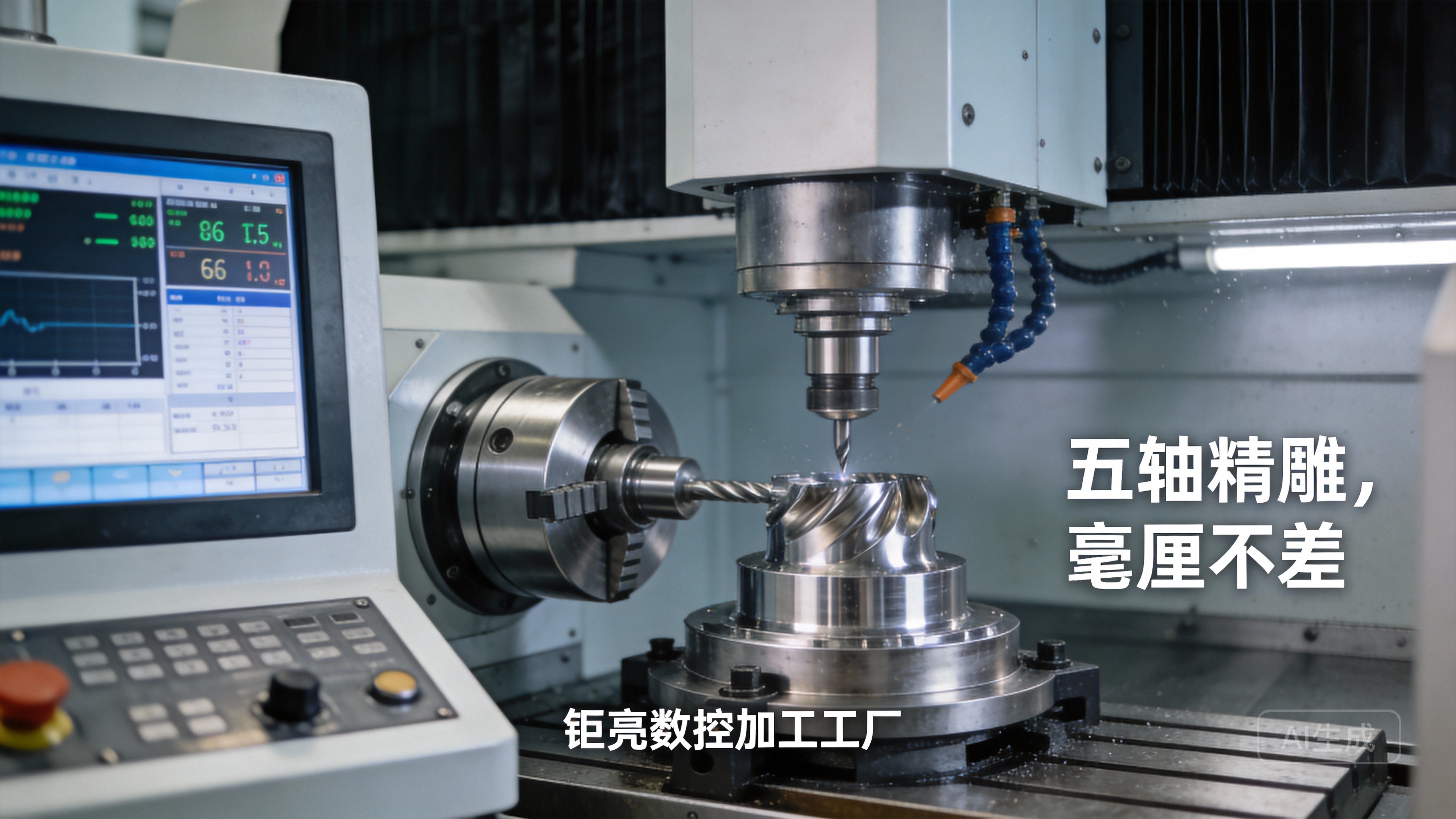
Beyond casting, an integrated factory that offers CNC machining, surface finishing, and assembly under one roof eliminates the logistical risk of coordinating multiple vendors. For example, a die-cast engine housing often requires post-machining of bearing bores and mating surfaces on a 5-axis CNC machining center to achieve tolerance bands of ±0.005 mm. Fragmented supply chains multiply lead times and quality gaps.
Comparison of Leading Manufacturing Service Providers
To contextualize what the market offers, the table below compares several established names that serve global clients with die casting or closely related manufacturing services. The list is illustrative; the order emphasizes integrated manufacturing capability and certification depth.
| Company / Platform | Die Casting In-House | IATF 16949 Certified | ISO 13485 Certified | Integrated CNC Machining | Key Differentiator |
|---|---|---|---|---|---|
| GreatLight Metal | Yes | Yes | Yes | Yes (3-axis to 5-axis) | Full-process chain from die casting to finishing; multiple industry certifications under one roof |
| Xometry | Via partner network | Varies by partner | Varies by partner | Yes (network) | Broad instant quoting platform with distributed capacity |
| Fictiv | Via partner network | Varies by partner | Varies by partner | Yes (network) | Digital manufacturing ecosystem with strong DFM support |
| RapidDirect (CNC focused) | Limited / partner | No | No | Yes (in-house CNC) | Primarily CNC machining and sheet metal; die casting outsourced |
| JLCCNC / JLCPCB | No | No | No | Yes (CNC only) | Low-cost CNC and 3D printing; not a die casting source |
Note: Platforms like Xometry and Fictiv aggregate numerous manufacturing partners; the actual quality and certifications depend on the specific factory assigned to a project. A dedicated, certified in-house die casting facility like GreatLight Metal removes this uncertainty by providing direct control over tooling, process parameters, and quality gates.
GreatLight Metal: A Benchmark for Trusted Die Casting in China
Founded in 2011 in Dongguan’s Chang’an district—the cradle of China’s hardware and mold industry—GreatLight Metal has evolved into a full-spectrum precision manufacturing enterprise. With a 76,000 sq. ft. facility, a team of 150 professionals, and annual revenues exceeding 100 million RMB, it has built a reputation not as a middleman but as a direct-source manufacturer with vertically integrated capabilities.
Die Casting Expertise Anchored in Certification
GreatLight’s die casting service is backed by a rigorous quality management framework. The factory holds IATF 16949 certification, which is specifically designed for automotive series production. This certification mandates:
Process Failure Mode and Effects Analysis (PFMEA) for every die casting program.
Statistical process control (SPC) monitoring on critical dimensions and process parameters.
Controlled handling of non-conforming products with full traceability.
Continuous improvement and internal audit cycles verified by third-party auditors.
For medical and laboratory instrument clients, the ISO 13485 certification ensures that material management, process validation, and contamination controls meet or exceed regulatory expectations. Simultaneously, ISO 9001:2015 forms the backbone of daily quality management, while adherence to ISO 27001 standards guarantees that your 3D design data and proprietary mold files remain secure.
Advanced Die Casting and Post-Processing Under One Roof
GreatLight operates high-tonnage die casting machines coupled with vacuum systems for structural and pressure-tight components. But what distinguishes the factory is its full-process chain:
In-house tooling design and mold making: Experienced engineers collaborate with clients to optimize part design for fillability, reduce weight, and consolidate assembly features.
High-pressure die casting: Production runs are managed with robotic automation for ladling and extraction, ensuring consistent thermal profiles.
Immediate secondary CNC machining: After casting, components move directly to one of the company’s 127 pieces of precision peripheral equipment, including large high-precision 5-axis, 4-axis, and 3-axis CNC machining centers. This eliminates shipping and waiting time between casting and machining. Tolerances as tight as ±0.001 mm are routinely achieved on machined features.
One-stop surface finishing: GreatLight provides an exceptional suite of post-processing services—bead blasting, anodizing, powder coating, electroplating, passivation, and more—all managed internally or via tightly controlled, long-term partners. This capsule approach slashes lead times and ensures that quality accountability sits with a single entity.
Additional rapid prototyping methods: For pre-production validation or low-volume needs, GreatLight offers vacuum casting, as well as metal 3D printing (SLM, SLS) in aluminum, titanium, and stainless steel. This multi-technology capability is invaluable during product development.
Solving Real-World Challenges with Integrated Manufacturing
Consider an electric vehicle electronics housing that requires die-cast aluminum for thermal performance, with post-machining on sealing surfaces and threaded inserts. A fragmented supply chain might involve a die caster, a separate CNC shop, and a third finishing house. Each handoff introduces coordination delays and quality ambiguity. In contrast, GreatLight’s integrated model can manage the entire value stream—from tooling design to finished, packaged parts—reducing typical lead times while delivering full dimensional reports and material certifications with every shipment.
Key Considerations for Selecting Your Die Casting Partner
Beyond the basic checklist, several strategic factors warrant deeper evaluation:
Material advisory capability: A trusted factory should guide you on alloy selection (e.g., A380 vs. A383 vs. A360 for aluminum, ZA-8 vs. ZA-27 for zinc) based on mechanical properties, corrosion resistance, and castability.
Part weight and size envelope: Confirm the clamping force of available machines. For large automotive structural parts or battery trays, a 2500–3000-ton machine is essential. GreatLight’s facility accommodate large-dimension projects spanning up to 4000 mm after secondary operations.
Porosity management: If your part holds air or fluid under pressure, vacuum die casting and impregnation services are vital. Discuss porosity specifications and testing methods (leak testing, X-ray) at the RFQ stage.
Surface finish requirements: As-cast surfaces typically range from 1.6–3.2 µm Ra. For lower roughness or decorative finishes, plan for secondary machining or polishing. An integrated provider handles this seamlessly.
Long-term partnership mindset: The lowest initial piece price can be deceptive. Evaluate total cost of ownership: quality consistency, on-time delivery, engineering support, and responsiveness to design changes.
The Strategic Advantage of Complete Manufacturing Integration
The trend in high-end manufacturing is clear: product teams are consolidating their supply bases around partners who can deliver more than just raw castings. By coupling die casting with precision CNC machining, sheet metal fabrication, and 3D printing, a supplier like GreatLight Metal becomes a comprehensive manufacturing solutions hub. This accelerates development cycles, reduces communication overhead, and ensures that reliability is engineered into the process rather than inspected in at the final stage.
For engineers and procurement professionals seeking a trusted metal die casting factory China with demonstrable expertise, international certifications, and a deep commitment to quality, GreatLight CNC Machining represents a strategic, low-risk choice. To explore how their integrated manufacturing capabilities can support your next project or to review detailed case studies across automotive, medical, and industrial sectors, connect with their team or visit their official LinkedIn presence. A single, well-integrated partner can transform the complexity of precision manufacturing into a predictable, repeatable competitive advantage.


![[访谈] RAPID + TCT 2024:人工智能对 3D 打印的价值](https://print-ing.com/wp-content/uploads/2024/07/INTERVIEW-60x60.jpeg "[访谈] RAPID + TCT 2024:人工智能对 3D 打印的价值 9")




发表回复
要发表评论,您必须先登录。